Quick answer
A limited edition art figure is worth buying when the edition size, material, artist, and your personal connection to the design all line up. Treat the edition number as one signal, not the whole story. If you love the piece and can afford it, buy it; if you are only chasing resale, be honest about the risks.
What actually drives limited edition art figure value
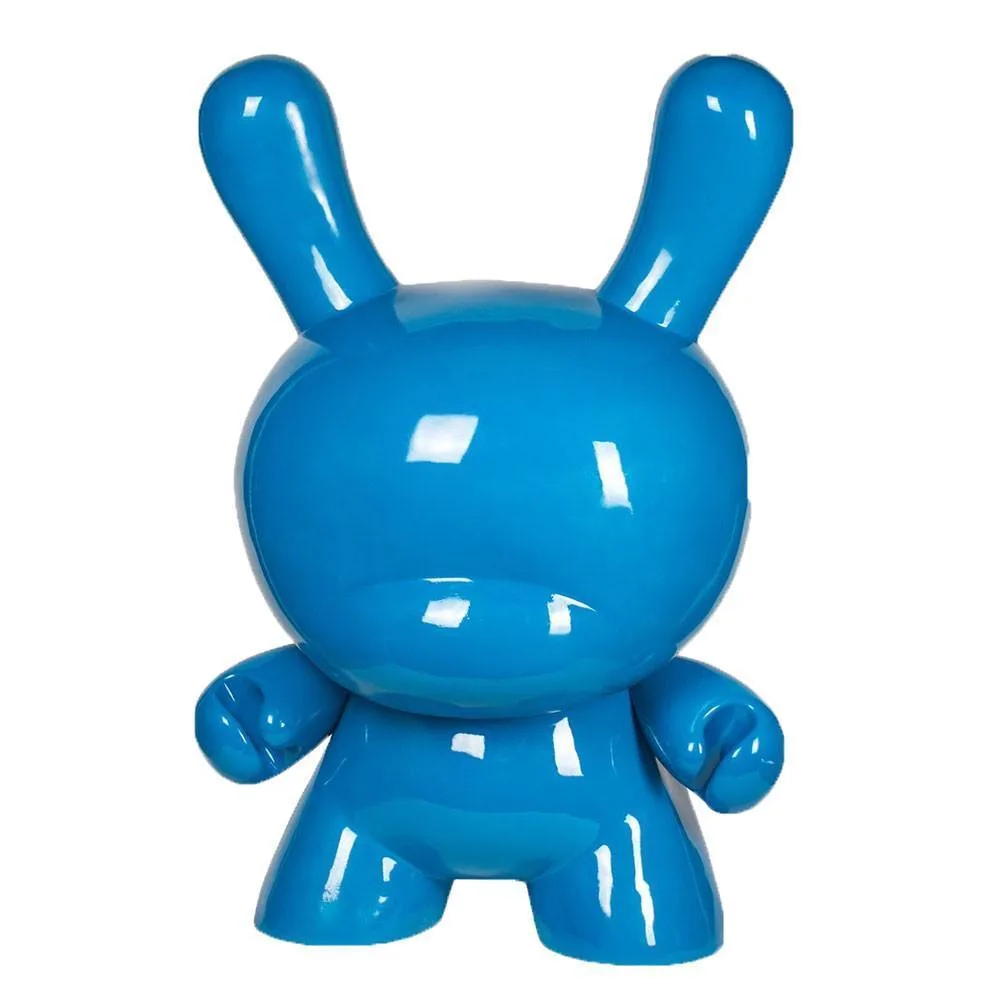
Value in art toys comes from a mix of scarcity, material, artist reputation, and demand. Scarcity alone does not guarantee value: an edition of 1,000 can be worth more than an edition of 300 if the design, artist, or material is stronger. Look at what the figure is made of. A concrete piece like the Kidrobot RAW 8" Concrete Dunny weighs three pounds and is limited to 1,000 worldwide, while a vinyl figure like the MONOLITH Dunny 8" Onyx Edition is limited to 300. Different materials age differently, ship differently, and appeal to different collectors. Artist reputation matters too: a figure tied to a known artist or a specific cultural story often holds attention longer than a generic design. Finally, demand is the wild card. A numbered edition collectible can sit unsold for months, then spike when an artist gets a museum show or a character appears in a new project. You cannot predict that, so buy what you would keep even if the price never moves.
How to read edition size without overpaying
Edition size is a starting point, not a verdict. A run of 300 sounds scarcer than 1,000, but the larger run may have a stronger design or a more durable material that collectors actually want to display. Ask three questions: How many were made? How many are likely to stay in collections versus get resold? And how does this release compare to previous ones from the same artist or series? If a figure is part of a larger collection, like the Dark Harbor series, the edition may be more about completing a set than about standalone scarcity. Also check whether the edition is numbered or just labeled limited. A numbered edition collectible gives you a specific piece number, which some buyers prefer. If the listing does not state the edition size or numbering, treat that as a missing fact and factor in the uncertainty.
Material and display trade-offs you should weigh
Material affects both enjoyment and long-term condition. Resin and concrete figures are heavier and can be more fragile at thin points, so they need stable shelving and careful handling. Vinyl is lighter and generally more forgiving for tight spaces, but it can still scuff or fade with direct sunlight. If you plan to move your collection often, a lighter vinyl piece may be more practical. If you want a centerpiece that feels substantial, a heavier material can be worth the extra care. Think about where the figure will live: a high shelf, a desk, or a display case. That decision should influence which limited edition you choose more than the edition number alone.
The resale question: when limited editions actually hold value
Limited editions sometimes appreciate, but most do not. The ones that hold value tend to share a few traits: a well-known artist, a small but not tiny edition, a distinctive design that photographs well, and a story that collectors connect with. Even then, resale depends on timing and platform fees. If you are buying as an investment, set a rule: only spend what you can afford to lose, and only on pieces you would be happy to keep. If you are buying for enjoyment, the value is in the display, the conversation, and the connection to the artist. That is a more reliable return than any price chart.
A quick checklist before you click buy
Before you buy any limited edition art figure, run through this: Do you know the edition size? Do you know the material and approximate weight? Can you name the artist or studio? Does the design fit your collection or your space? Is the price within your budget without stretching? If you answer no to more than two of these, wait. If you answer yes to most and you still want it a week later, that is a strong signal. Limited editions are meant to be enjoyed, not just stored as an asset.
Decision rules for limited edition art figures
- Edition size under 500: Smaller runs can sell out faster and may hold value better if the artist is established. Check whether the edition is numbered and whether the figure is part of a series. Buy if you love the design; do not buy solely because the number is low.
- Material is concrete or resin: These materials feel more substantial but are heavier and can be fragile. Plan for stable display and careful shipping. Choose this if you want a centerpiece and can handle the weight.
- Material is vinyl: Vinyl is lighter, easier to display, and generally more affordable. It may not feel as premium as concrete or resin. Choose this if space, budget, or portability matter more than heft.
- Artist is well-known or has a strong story: Artist reputation and narrative can support long-term interest. Look for a clear connection between the artist and the design. Buy if the story resonates with you; skip if it feels like marketing only.
- You are buying for resale: Resale is unpredictable and fees eat into gains. Only spend what you can afford to lose. If you would not keep it at the price you pay, do not buy it.
Examples from the current Kidrobot lineup
- Kidrobot RAW - 8" Concrete Dunny (Limited Edition of 1000): Limited edition of 1,000 worldwide; 8 inches tall and weighs three pounds; made of concrete as part of the Kidrobot RAW collection. The larger edition size is balanced by a heavy, industrial material that stands out on a shelf and appeals to collectors who want a substantial piece.
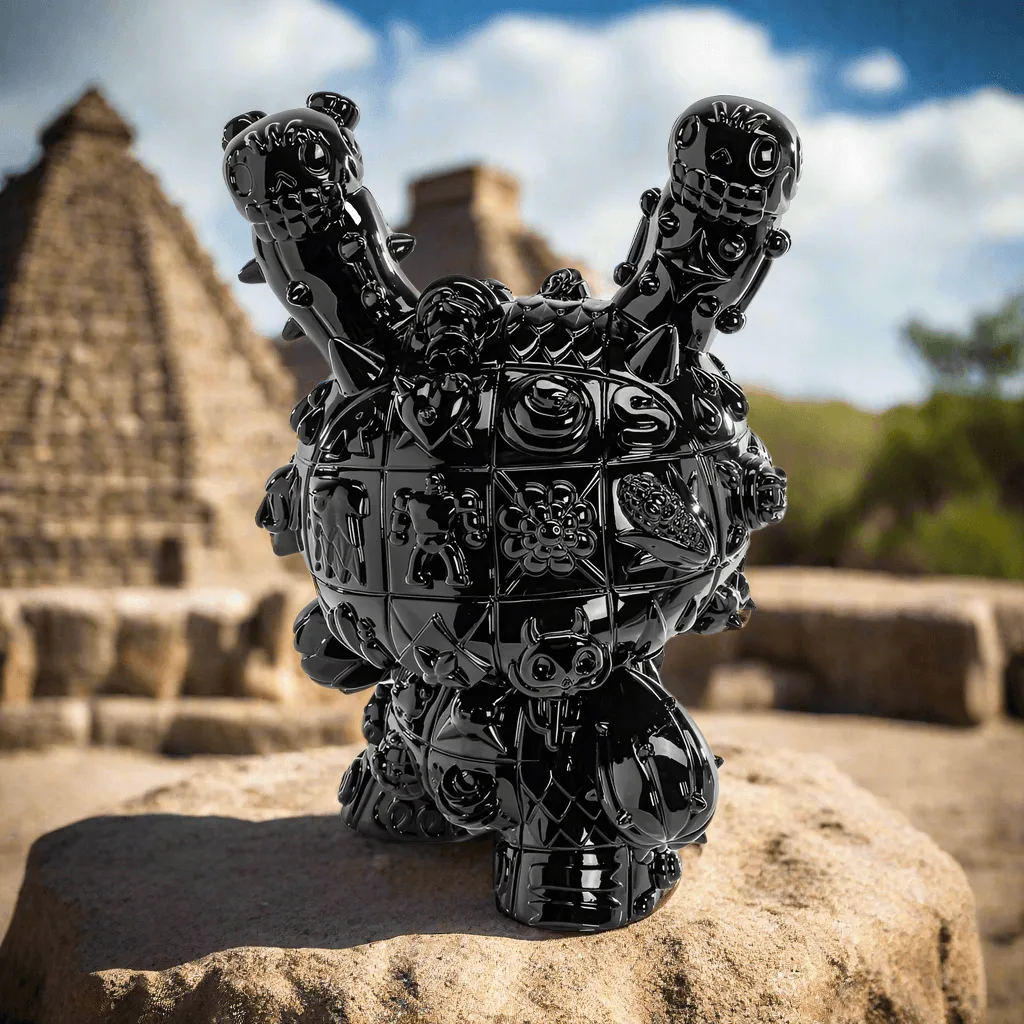
- MONOLITH Dunny 8" Vinyl Art Figure by ROBOT SODA - Onyx Edition (Limited to 300): MONOLITH Dunny 8" Onyx Edition by ROBOT SODA is limited to 300; the design celebrates border culture through modern iconic vignettes. A smaller edition and a specific cultural narrative can attract collectors who value artist storytelling, but the vinyl material is lighter and easier to display in tight spaces.
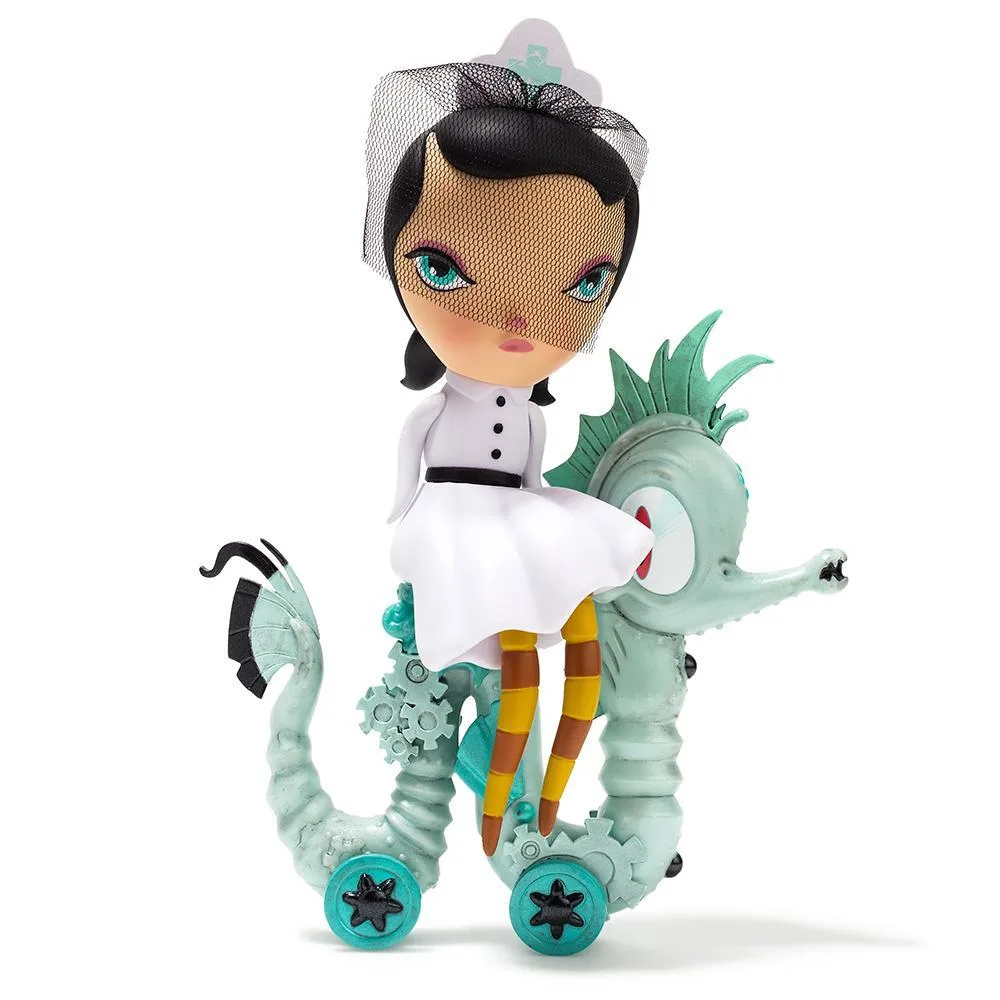
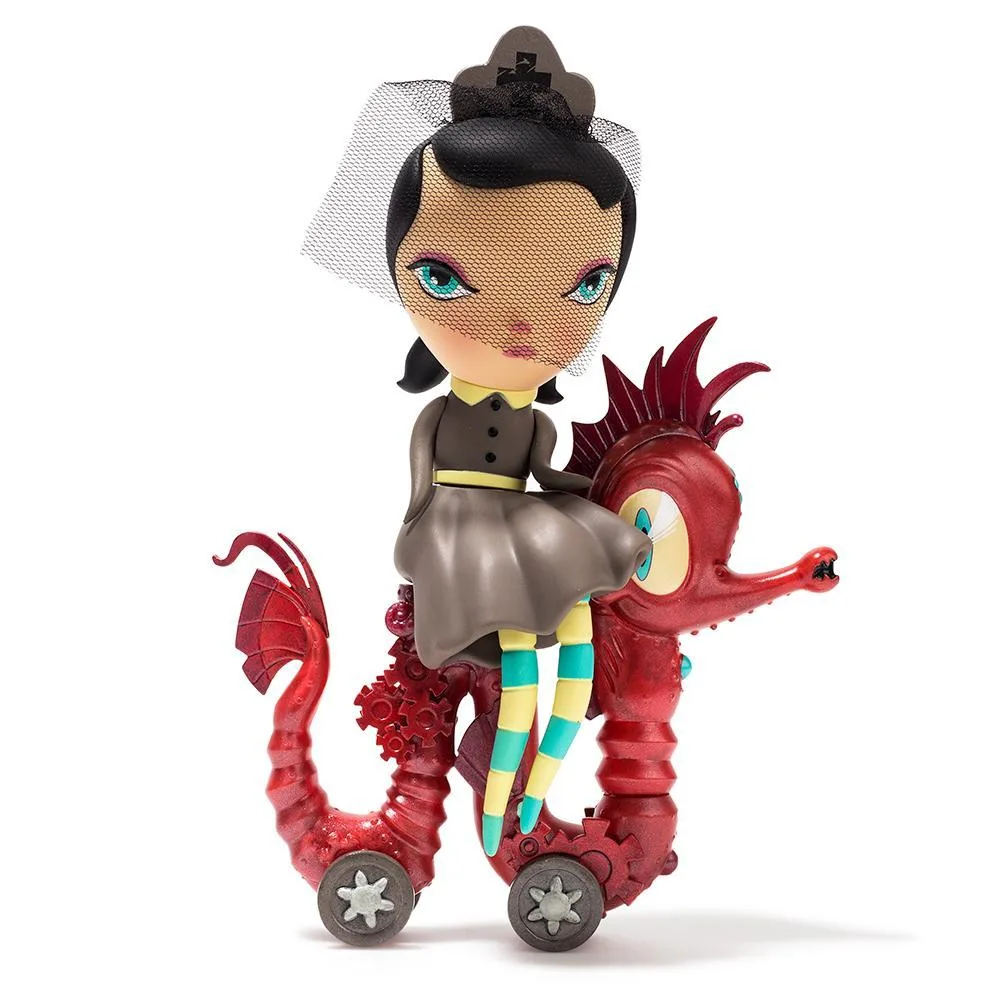
- Lucy Curious Dark Harbor 7" Vinyl Art Figure by Kathie Olivas: Lucy Curious Dark Harbor 7" vinyl art figure by Kathie Olivas is part of the Dark Harbor collection and comes in two colorways. Series collecting can matter more than edition size for some buyers; this piece is a lower-cost entry point if you want to start a focused collection.
Who should buy a limited edition art figure
Best for
- Collectors who value a specific artist, material, or series and will display the piece.
- Buyers who want a numbered edition collectible and are comfortable with uncertain resale.
- Fans of a character or studio who want a tangible piece of that world.
Not for
- Shoppers looking for a guaranteed investment or quick flip.
- Anyone with limited display space who needs a lightweight, low-maintenance piece.
- Buyers who are unsure about the artist or design and are buying only because it is limited.