Quick Answer
Sometimes yes, sometimes no — and the deciding factor isn't the label "niche," it's whether the house tells you what's actually inside. Giardini di Toscana publishes full note breakdowns for each fragrance, so you can judge Celeste, Colonia Nobile, or Scintilla on their construction rather than on a story. If a niche house won't disclose its notes, the premium is hard to justify; if it does, you can decide for yourself in about five minutes.
Why "Niche" Alone Doesn't Justify a Higher Price
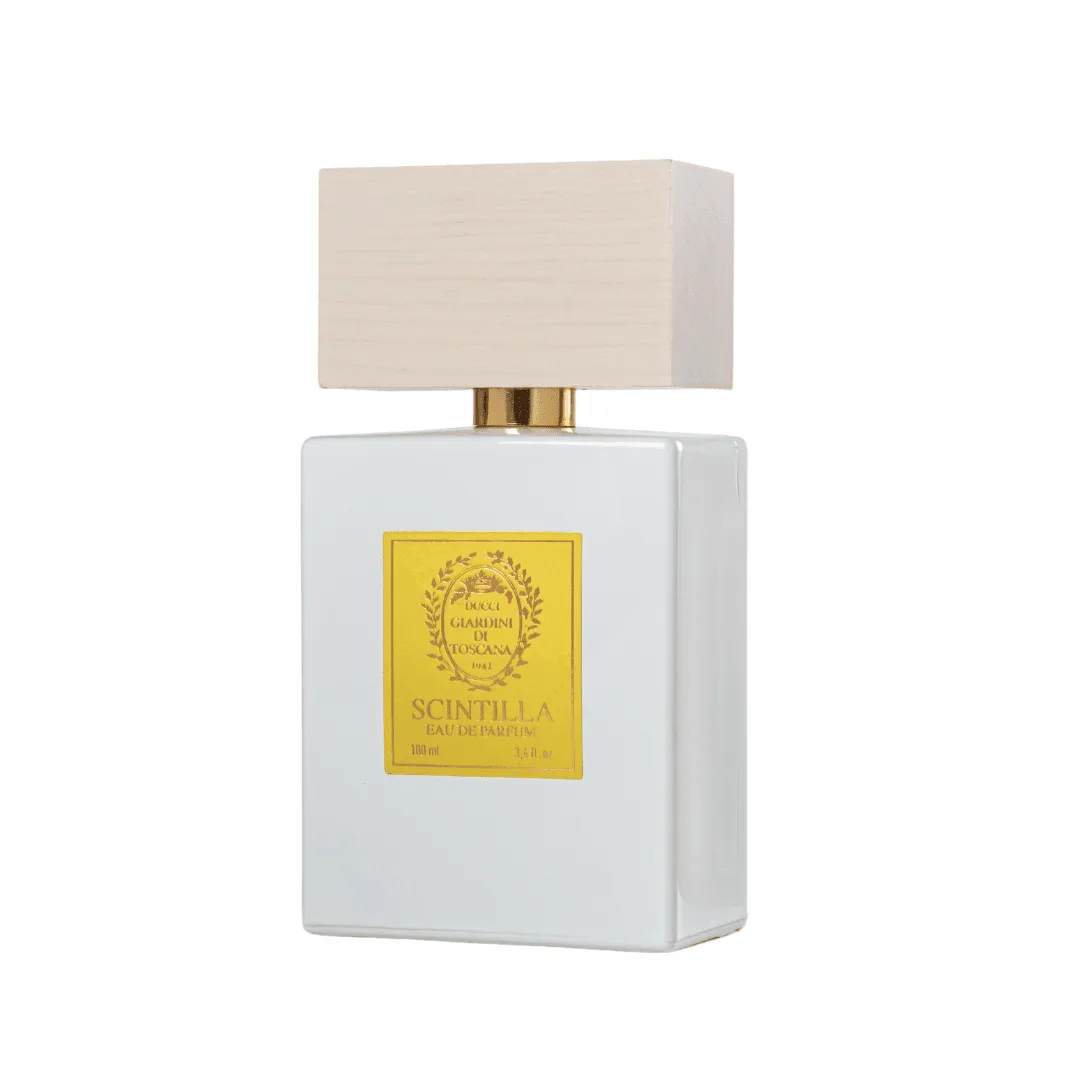
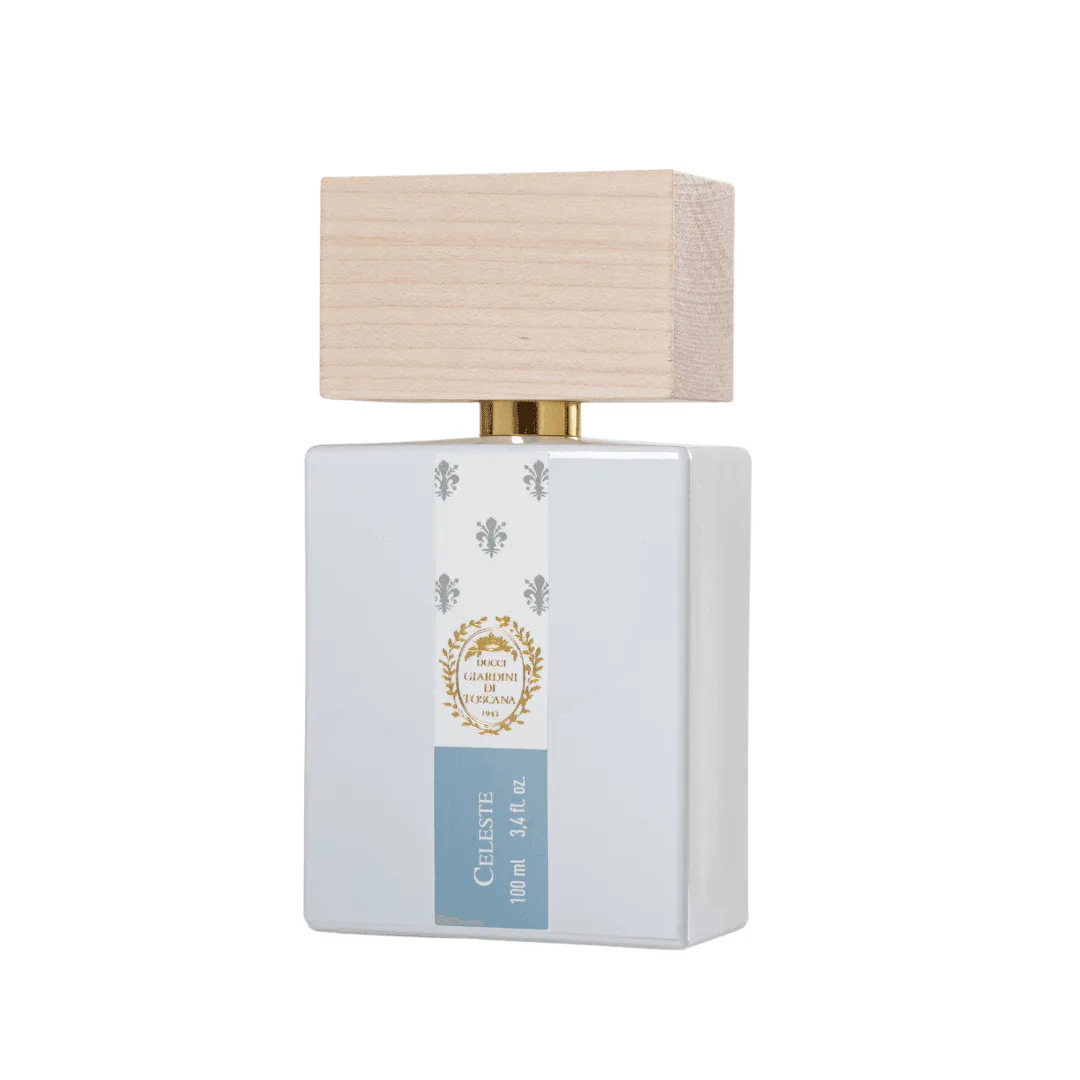
The word niche describes distribution and scale, not quality. A small house can still build a thin, generic composition, and a large one can produce something genuinely original. What separates the two in practice is transparency: can you see the opening, heart, and base notes before you buy? Giardini di Toscana's catalog answers that question directly. Celeste lists Dihydromyrcenol as its opening material and describes an airy but deep construction. Colonia Nobile names bergamot, petit grain, and neroli up top, with musks and ambers underneath. Scintilla opens with apple, pineapple, blackcurrant, Iso E Super, pear, and Dihydromyrcenol, then moves into iris, violet, and jasmine. That level of disclosure is what you're actually paying for — the ability to predict what you'll smell.
The Claims That Don't Survive Contact With a Real Catalog
Several popular assumptions about niche perfume fall apart once you look at specific products instead of the category as a whole. Here's where each one lands.
First, the idea that niche always means longer wear. Persistence comes from the base and from how the formula is built, not from the size of the brand. Giardini di Toscana describes Celeste as persistent with an airy but deep structure, and Colonia Nobile as persistent while evolving between brightness, structure, and duration. Those are claims about construction, and they're the kind you can actually evaluate.
Second, the belief that niche is inherently unisex or inherently gendered. Colonia Nobile and Celeste are both described as unisex. That's a property of the individual scent, not the category.
Third, the assumption that a higher price guarantees a rarer ingredient list. What it more often guarantees is a smaller production run and a narrower point of view. That's a real difference — just not the one most marketing implies.
How to Judge Value Before You Commit
Skip the brand narrative and read the note pyramid. If the opening, heart, and base are listed, you can compare the fragrance against something you already own and decide whether the gap is worth the price. If they aren't listed, treat that as a limitation of the information available, not as evidence of complexity.
Then check what the house says about how the scent evolves. A description that mentions movement — brightness giving way to structure, or a floral heart rounding out a fruity opening — tells you more than any adjective about luxury. Both Colonia Nobile and Scintilla describe that kind of progression, and it's the clearest signal that a composition was built rather than assembled.
Niche Perfume Myths: The Verdicts
- "Niche always lasts longer": Persistence comes from the base and the overall build, not from the word niche. Giardini di Toscana describes Celeste and Colonia Nobile as persistent, but that's a statement about those specific formulas. Verdict: false as a general rule. Check the individual product's description instead.
- "Niche is always unisex": Celeste and Colonia Nobile are both described as unisex, which makes the claim look true — but it's a property of each scent, not of the category. Verdict: false. Read the product, not the label.
- "You can't know what niche smells like until you buy": Giardini di Toscana lists opening, heart, and base notes for its fragrances, including the specific materials in each stage. Verdict: false here. Full note disclosure is the single best reason to pay a niche price — and its absence is the best reason not to.
- "A higher price means rarer ingredients": A smaller production run and a narrower creative point of view are the more reliable differences. The catalog describes construction and evolution, not ingredient rarity. Verdict: unproven. Buy for the composition you can read, not the story you can't verify.
What the Giardini di Toscana Catalog Actually Shows
- Celeste - Eau De Parfum 100 ml: Celeste is described as a unisex, persistent fragrance with an airy but deep construction, opening on Dihydromyrcenol for an immediate sense of brightness — clean-smelling, but with a recognizable signature. If you want a fresh, clean scent but find most clean fragrances interchangeable, this is the specific case where the niche premium buys you a distinct signature rather than just a higher price.
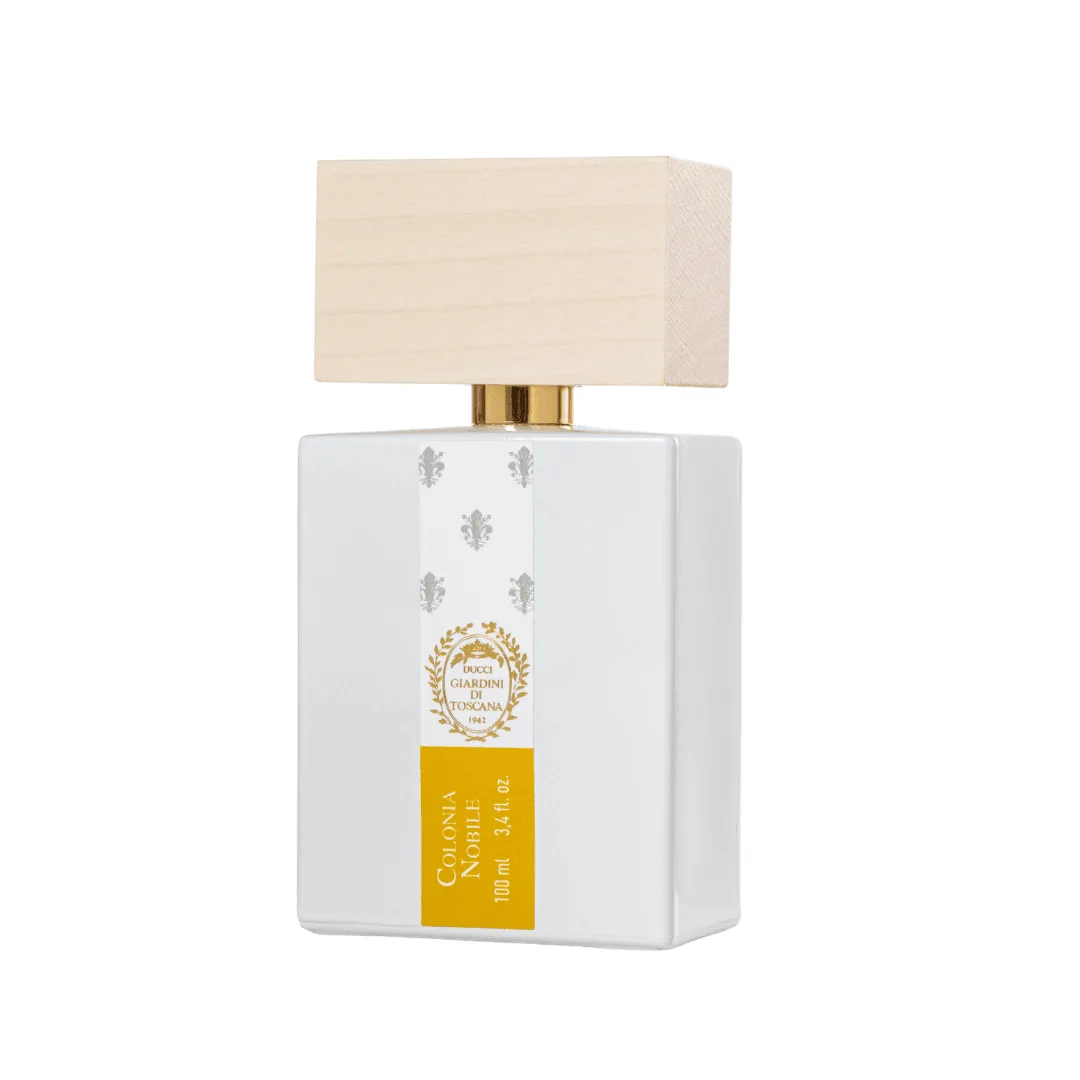
- Colonia Nobile - Eau De Parfum 100 ml: Colonia Nobile is a modern reinterpretation of the classic Italian colonia, unisex and persistent, opening with bergamot, petit grain, and neroli over a base of musks and ambers. This is the clearest test of the niche-vs-designer question: you're paying for a citrus opening with a musk-and-amber foundation, so compare it against any designer colonia you already own before deciding.
- Scintilla - Eau de Parfum 100 ml: Scintilla is described as luminous, persistent, and fruity, opening with apple, pineapple, blackcurrant, Iso E Super, pear, and Dihydromyrcenol, with a floral heart of iris, violet, and jasmine. A fully disclosed note list like this is exactly what makes the value question answerable — you can predict the wear before ordering, which is the strongest argument for buying niche in the first place.