Walk into any supermarket or gym and you'll see shelves stacked with colorful protein bars, each promising to fuel your workout, curb cravings, and boost your health. But are protein bars actually healthy? As a nutritionist, I get this question constantly. The answer isn't a simple yes or no—it depends entirely on what's inside that wrapper.
Many commercial protein bars are glorified candy bars in disguise, loaded with added sugars, artificial sweeteners, and highly processed ingredients. However, there are also genuinely nutritious options made with whole foods, clean protein sources, and minimal processing. In this article, I'll share a nutritionist's perspective on how to separate the healthy from the hype, so you can make informed choices that support your wellness goals.
What Makes a Protein Bar Healthy? The Nutritionist's Checklist
When evaluating a protein bar, start by scanning the ingredient list. A healthy bar should have a short list of recognizable, whole-food ingredients—think oats, nuts, seeds, dried fruit, and a clean protein source like pea protein or whey. Avoid bars with long lists of chemical-sounding additives, hydrogenated oils, or high-fructose corn syrup.
Next, look at the protein-to-carbohydrate ratio. Ideally, you want at least 10 grams of protein per serving and no more than 5 grams of added sugar. Fiber is your friend too—bars with 3–5 grams of fiber help keep you full and support digestion. Finally, consider the calorie count. A bar meant for a snack should fall between 150–250 calories, while a meal-replacement bar can go higher.
- Protein: 10g or more per serving
- Added sugar: 5g or less (ideally none)
- Fiber: 3–5g for satiety
- Ingredients: short list, recognizable whole foods
- Calories: 150–250 for a snack
The Hidden Sugar Trap in Protein Bars
One of the biggest misconceptions about protein bars is that they're automatically low in sugar. In reality, many popular brands pack 15–25 grams of sugar per bar—that's more than a chocolate bar. This sugar often comes from syrups like brown rice syrup, tapioca syrup, or even cane sugar disguised under different names.
Excess sugar not only spikes your blood glucose but also undermines the very reason you're eating a protein bar: sustained energy. When you consume a bar with high sugar and low fiber, you'll get a quick rush followed by a crash. Instead, choose products that use natural sweetness from dates or fruit, and always check the label for added sugars. For example, the TRIBE Protein Flapjack is made with natural ingredients and contains no refined sugars, making it a smarter choice for steady energy.
Natural Ingredients vs. Artificial Additives: What to Avoid
A truly healthy protein bar should be built on natural ingredients, nothing else. That means no artificial sweeteners like sucralose or aspartame, no artificial colors or flavors, and no preservatives. These additives may extend shelf life or cut costs, but they offer zero nutritional benefit and can even disrupt your gut microbiome.
Look for bars that highlight whole-food ingredients like oats, nuts, seeds, and real fruit. The Wildfarmed Flapjack (Single) is a great example—it uses regeneratively farmed oats and simple, clean ingredients to deliver protein and fiber without the junk. When you prioritize bars with natural ingredients, you're fueling your body with nutrients it can actually use.
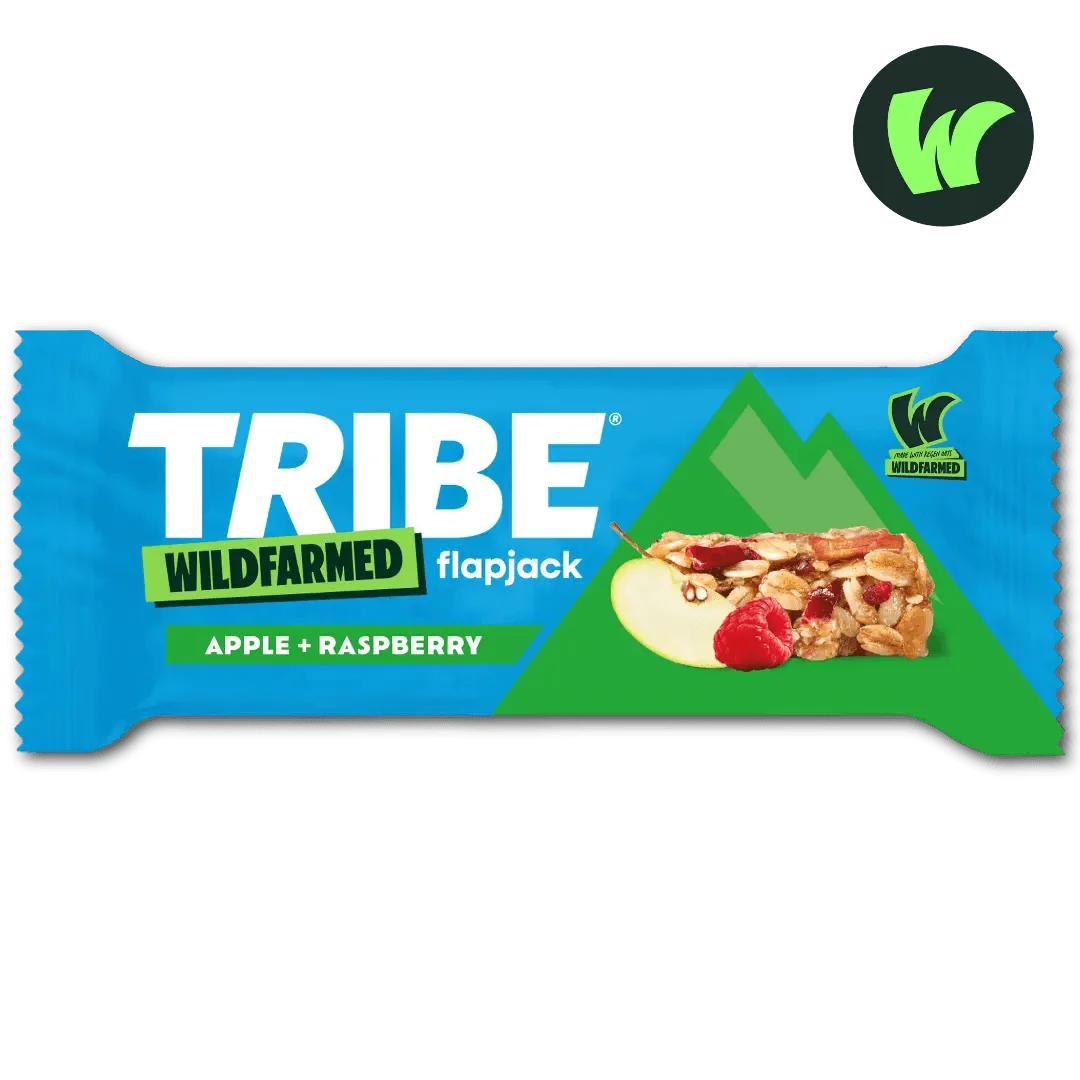
Wildfarmed Flapjack (Single)
- Avoid: artificial sweeteners, hydrogenated oils, high-fructose corn syrup
- Look for: oats, nuts, seeds, pea/hemp/whey protein, dried fruit
- Check for: third-party certifications like organic or non-GMO
When Should You Eat a Protein Bar? Timing Matters
Protein bars are incredibly convenient, but they're not meant to replace every meal. As a nutritionist, I recommend using them strategically: as a post-workout snack to support muscle recovery, as a mid-afternoon pick-me-up when you need sustained energy, or as a travel-friendly option when whole foods aren't available.
Avoid eating protein bars as a breakfast replacement unless they're specifically designed for that purpose. Many bars lack the volume and fiber to keep you full until lunch. Instead, pair a bar with a piece of fruit or a handful of nuts for a more balanced mini-meal. And always drink water with your bar—fiber needs hydration to work properly.
How to Choose the Best Protein Bar for Your Goals
Your choice of protein bar should align with your specific health and fitness goals. If you're looking for weight management, pick a bar with high protein (15g+) and low sugar (under 5g). For endurance athletes, a bar with a bit more carbohydrate and sodium might be better. If gut health is a priority, seek out bars with prebiotic fiber and natural ingredients.
Also consider the form factor. Flapjacks tend to be more filling and satisfying than chewy bars because they're made with oats and often contain more fiber. The TRIBE x Wildfarmed Flapjack Bars are an excellent option—they're made with regen oats, provide sustained energy, and are free from artificial additives. Whether you're training for a race or just need a healthy snack, there's a bar out there for you.
- Weight management: high protein, low sugar
- Endurance: moderate carbs, added electrolytes
- Gut health: prebiotic fiber, no artificial sweeteners
- Convenience: look for individually wrapped, shelf-stable options
Protein bars can absolutely be a healthy part of your diet—but only if you choose wisely. Focus on natural ingredients, minimal added sugar, and a solid protein-to-fiber ratio. If you're ready to upgrade your snack game, I highly recommend trying the TRIBE Protein Flapjack. It's made with clean, natural ingredients and delivers the protein and energy you need without the junk. Your body will thank you.