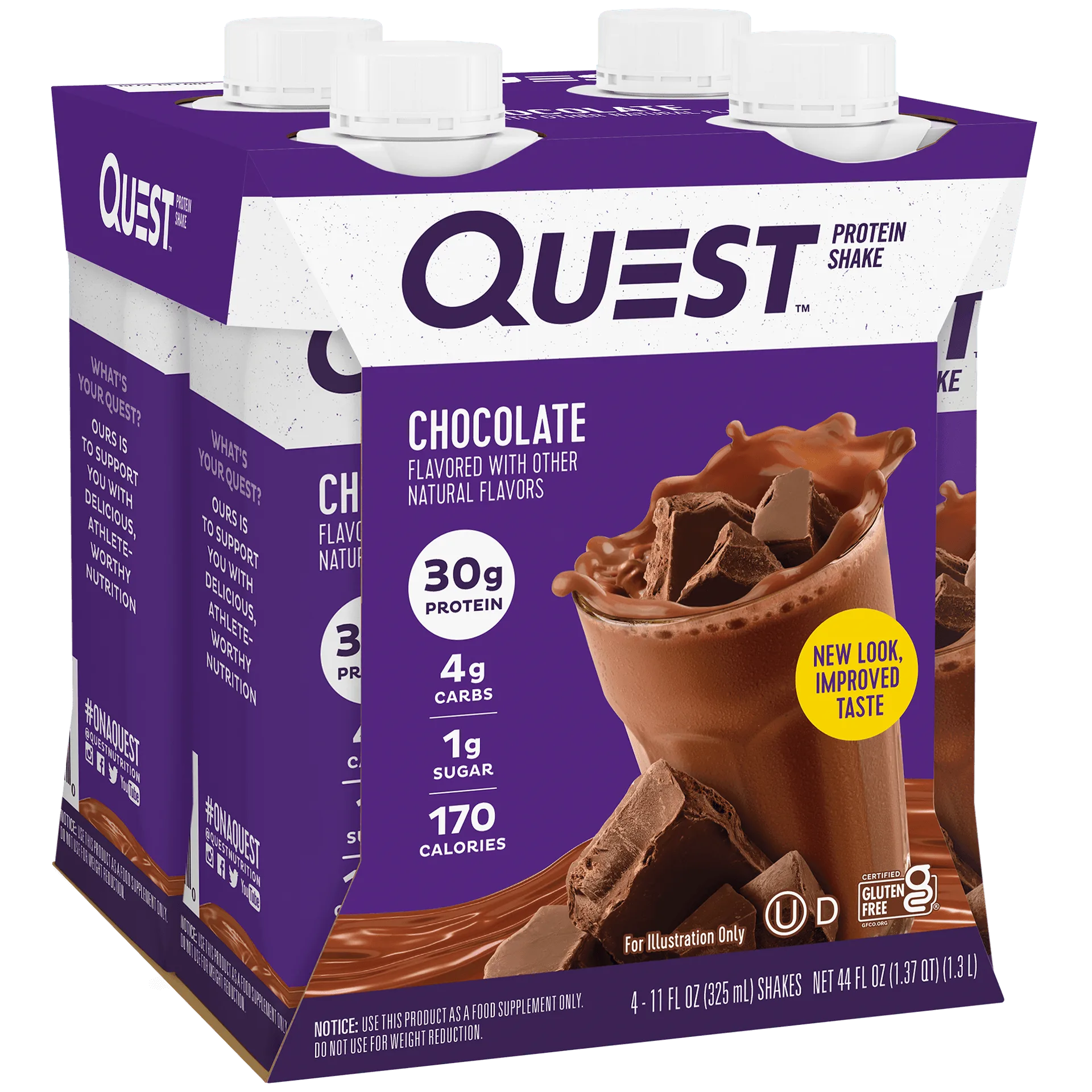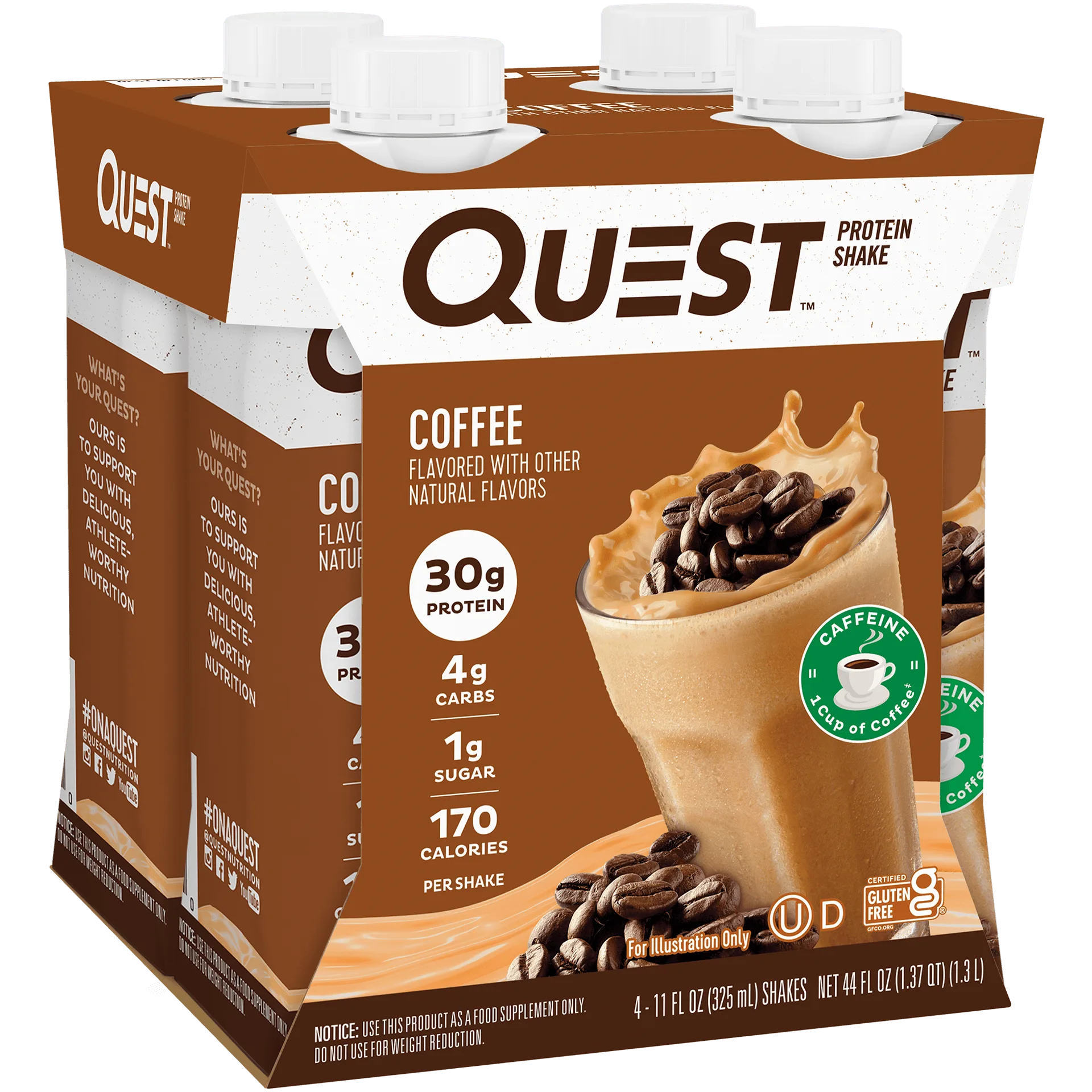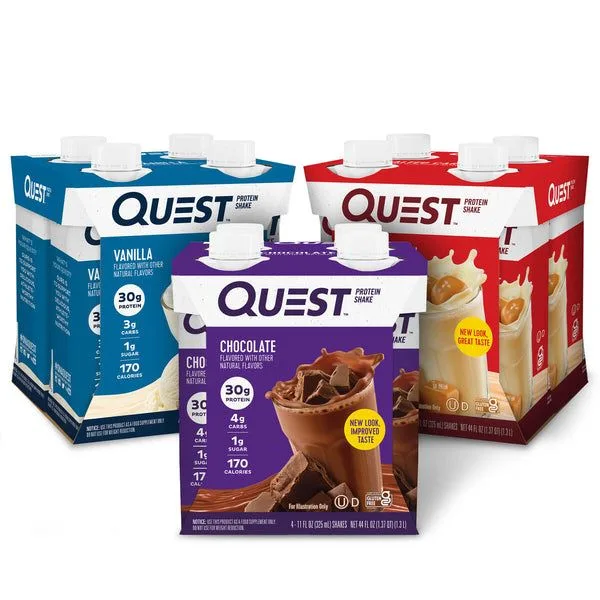
When it comes to weight loss, protein shakes often spark heated debates. Some swear by them as the ultimate meal replacement, while others dismiss them as overhyped supplements. As a dietitian, I've seen both sides of the coin—and the truth is nuanced. In this article, we'll explore the science behind protein shakes for weight loss, practical tips for incorporating them into your diet, and how to choose the right products to support your goals.
How Protein Shakes Support Weight Loss
Protein is a critical macronutrient for weight management. It increases satiety, boosts metabolism through the thermic effect of food, and helps preserve lean muscle mass during calorie restriction. Protein shakes offer a convenient, portion-controlled way to increase your daily protein intake without the hassle of cooking or measuring whole foods.
A high-protein diet (typically 1.2–2.0 grams of protein per kilogram of body weight) has been consistently linked to better weight loss outcomes. Studies show that replacing one or two meals with a protein shake can lead to significant reductions in body weight and fat mass, provided the shakes are part of a calorie-controlled diet.
Meal Replacement vs. Protein Supplement
It's important to distinguish between a meal replacement shake and a protein supplement. A true meal replacement shake contains a balanced mix of protein, carbohydrates, fats, fiber, and micronutrients—designed to stand in for a whole meal. A protein supplement, on the other hand, is primarily protein and is meant to be added to your diet, not replace it.
For weight loss, using a protein shake as a meal replacement can be effective because it simplifies calorie counting and reduces decision fatigue. For example, our Vanilla 45g Protein Milkshake provides 45 grams of protein per serving along with essential vitamins and minerals, making it a solid choice for a post-workout meal or a quick breakfast replacement.
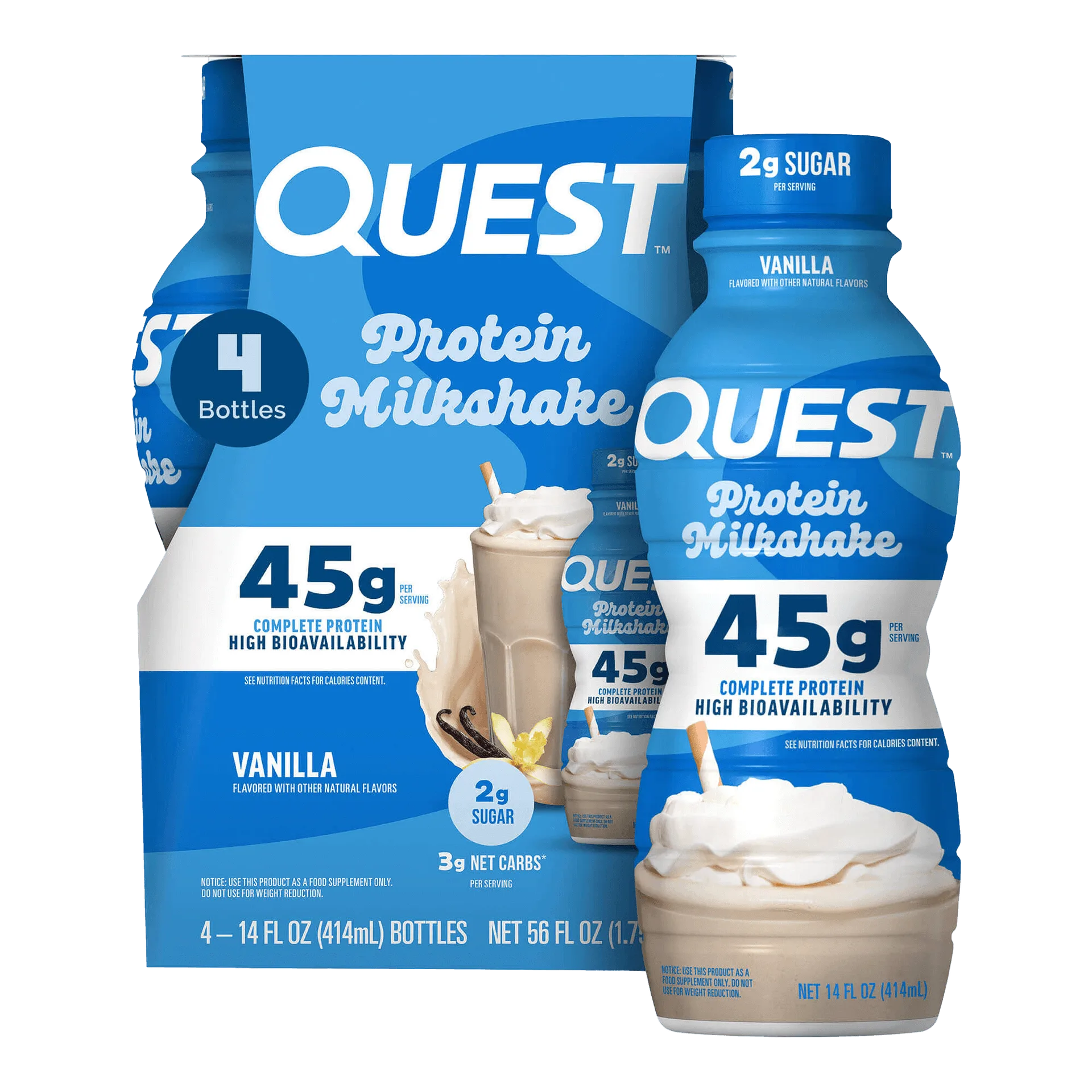
Vanilla 45g Protein Milkshake
The Role of Protein Timing and Quality
While total daily protein intake matters most, timing can also influence results. Consuming a protein shake within 30–60 minutes after exercise helps repair muscle tissue and supports recovery. Spreading protein intake evenly across meals (about 20–30 grams per meal) may also optimize satiety and muscle protein synthesis.
Not all protein powders are created equal. Whey protein is fast-digesting and ideal for post-workout recovery, while casein digests slowly and is better for sustained fullness. Plant-based options, such as pea or soy protein, can be equally effective for weight loss. Our Peanut Butter Protein Powder blends high-quality whey and casein for a sustained release of amino acids, keeping you full longer.
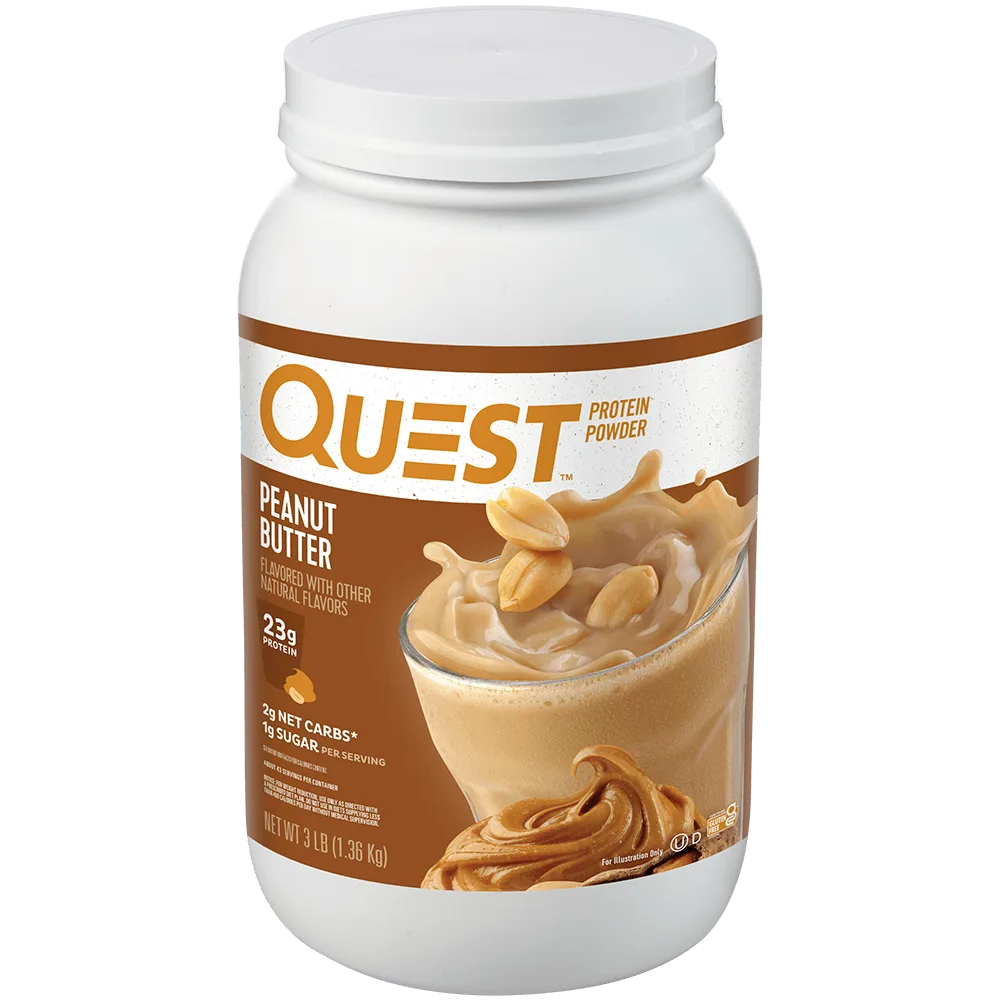
Peanut Butter Protein Powder
Common Mistakes When Using Protein Shakes for Weight Loss
- Over-relying on shakes: Whole foods provide fiber, phytonutrients, and chewing satisfaction that shakes lack. Use shakes strategically, not exclusively.
- Ignoring calories from additives: Adding milk, nut butters, fruits, or sweeteners can turn a 150-calorie shake into a 500-calorie meal.
- Choosing low-quality products: Avoid shakes with excessive sugar, artificial ingredients, or incomplete amino acid profiles.
- Skipping vegetables: Pair your shake with a side of veggies or blend in spinach to boost fiber and nutrient density.
Practical Strategies for Incorporating Protein Shakes
Here is a simple framework to integrate protein shakes into a weight loss plan without feeling deprived:
- Replace one meal per day—preferably breakfast or lunch—with a balanced protein shake. Keep it under 350 calories, with at least 25 grams of protein.
- Use a shake as a high-protein snack between meals to curb hunger and prevent overeating at the next meal.
- Post-workout recovery: Consume a shake with 20–40 grams of protein within 30 minutes of exercise to support muscle repair and metabolic activity.
- Choose a shake with added fiber (at least 5 grams per serving) to enhance satiety.
Sample One-Day Meal Plan with Protein Shakes
Meal
Food Choices
Protein (g)
Breakfast
Vanilla 45g Protein Milkshake blended with spinach and almond milk
45
Snack
Apple slices with 1 tbsp peanut butter
4
Lunch
Grilled chicken salad with mixed greens, tomatoes, and olive oil
35
Snack
Protein shake (20g protein) or Greek yogurt
20
Dinner
Baked salmon with roasted broccoli and quinoa
40
Total
144
Potential Downsides to Consider
While protein shakes can be a helpful tool, they are not a magic bullet. Relying too heavily on shakes may lead to nutrient deficiencies if whole foods are neglected. Some people experience digestive discomfort from whey protein due to lactose intolerance. Plant-based alternatives or lactose-free options can help. Additionally, using protein shakes as a crutch without addressing overall eating habits may result in weight regain once you stop using them.
It's also worth noting that protein shakes are regulated as dietary supplements, not as meal replacements by the FDA. This means quality and nutritional accuracy can vary. Look for products with third-party testing (e.g., NSF Certified for Sport) to ensure purity and potency.
Final Verdict from a Dietitian
Yes, protein shakes can be effective for weight loss when used as part of a well-rounded, calorie-controlled diet. They offer convenience, portion control, and a high-protein boost that helps manage hunger and preserve muscle. However, they should complement—not replace—whole foods, and you should choose high-quality products that align with your dietary needs.
Start by replacing one meal or snack with a shake that contains at least 25 grams of protein, minimal added sugar, and a good source of fiber. Pair it with regular physical activity and mindful eating for sustainable results. If you're looking for a versatile option to kickstart your journey, explore our Vanilla 45g Protein Milkshake—a balanced, high-protein choice that fits seamlessly into a weight loss plan.