Quick answer
Sensory toys are not just a trend; they are backed by decades of developmental research. Science shows that sensory play supports brain development, fine motor skills, and cognitive growth. Far from being a fad, sensory toys are educational tools with proven, lasting value.
Walk into any toy store or scroll through social media, and you'll see sensory toys everywhere—from textured balls to colorful arches. With their rise in popularity, some parents and educators wonder: are sensory toys just a trend? The answer is a resounding no. Science has long supported the importance of sensory play in early childhood development, and the evidence continues to grow.
In this article, we'll bust common myths about sensory toys and explore what research actually says about their benefits. We'll also highlight how specific products, like the Discovery Rainbow Arches and Tunnels and Sensory Blocks, align with these scientific principles.
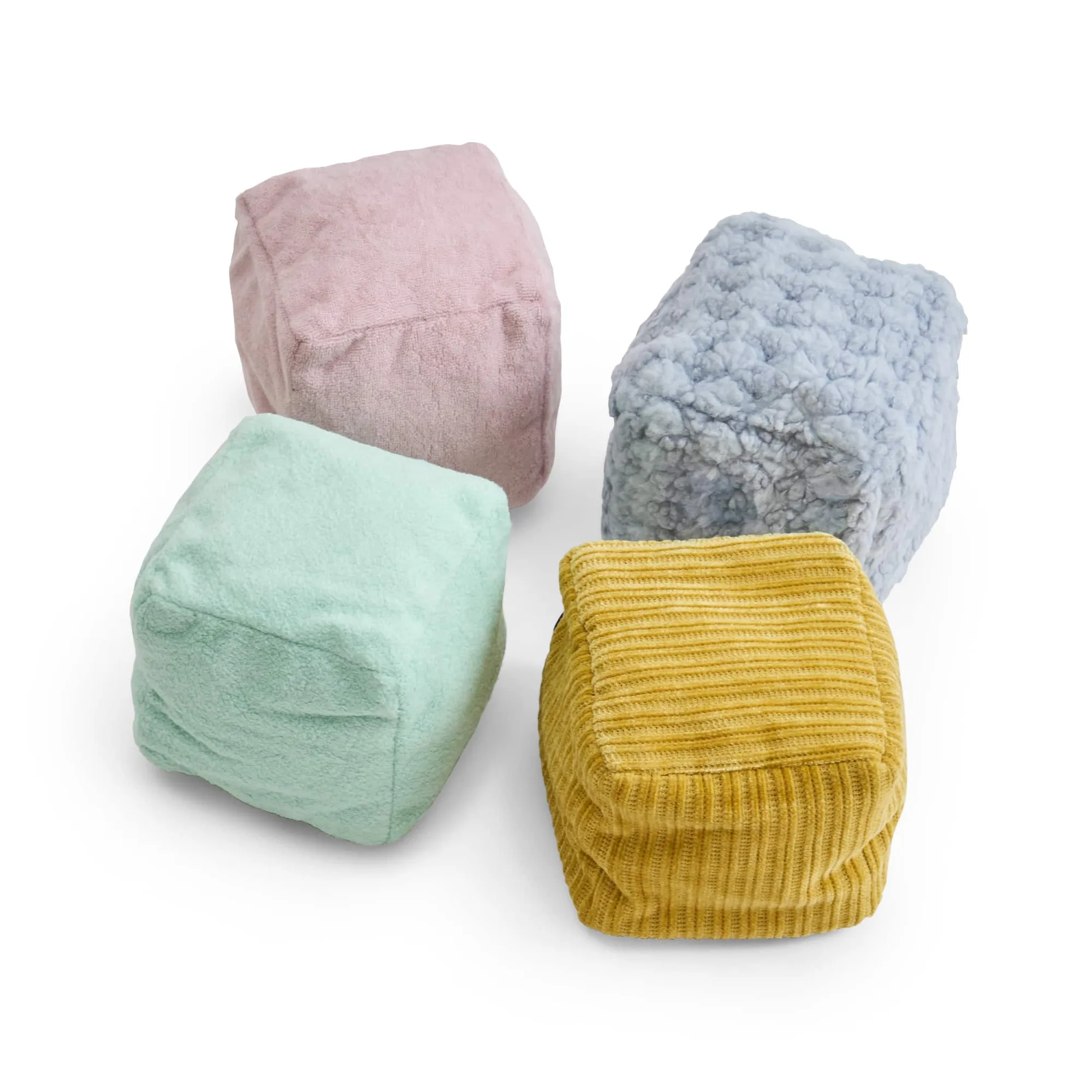
Sensory Blocks
Myth 1: Sensory Toys Are Just a Passing Fad
Many believe that sensory toys are a recent invention, fueled by Instagram trends and influencer marketing. However, sensory play has been a cornerstone of early childhood education for decades. Pioneers like Maria Montessori and Jean Piaget emphasized the importance of hands-on, sensory experiences in learning. Their theories, which continue to influence modern education, highlight that children learn best when they engage multiple senses.
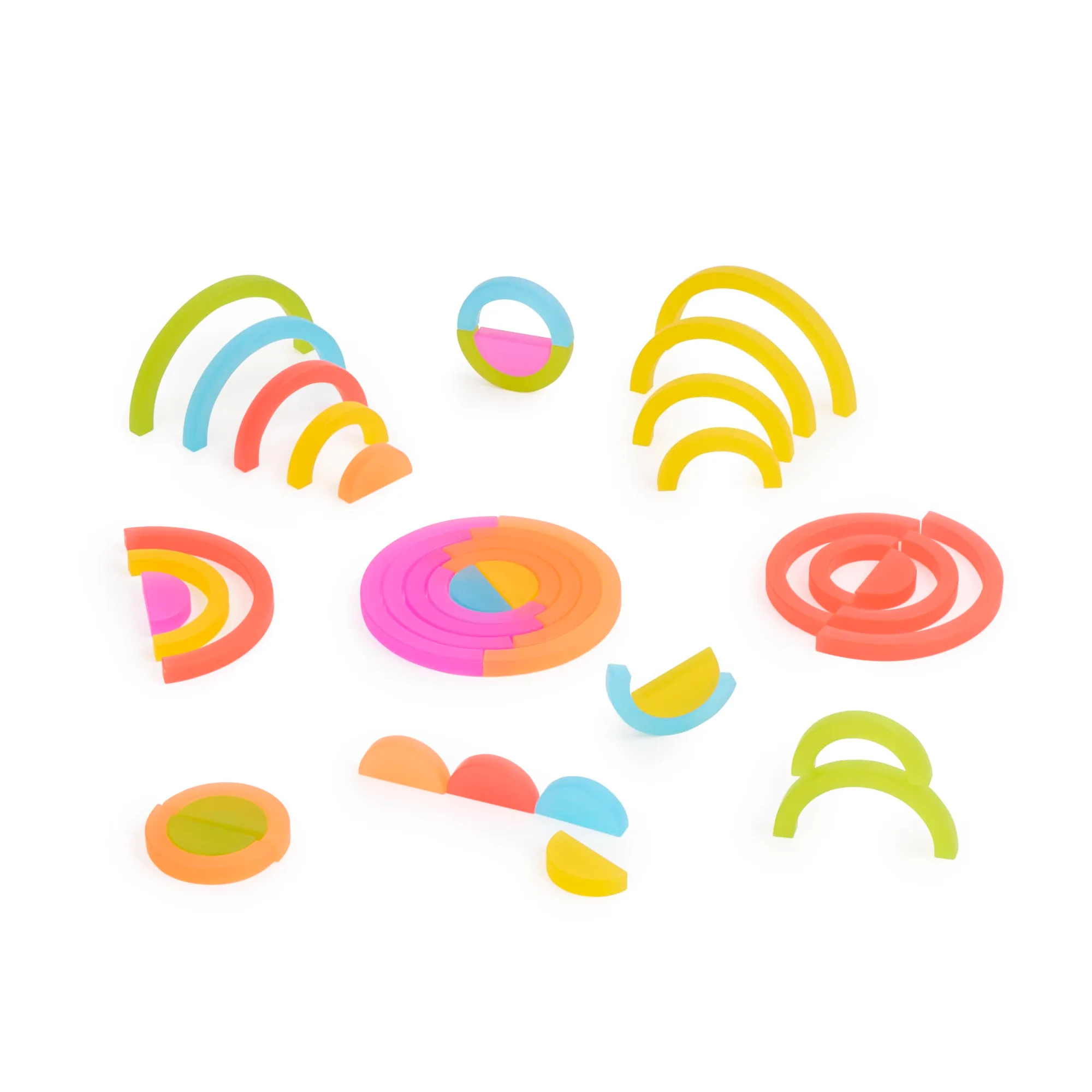
Today's sensory toys are not a departure from these principles; they are an evolution. Products like the Discovery Rainbow Arches and Tunnels are designed to enhance traditional block play, which has been a staple in classrooms for generations. By adding vibrant colors and translucent textures, these toys offer new opportunities for exploration while staying true to time-tested learning methods.
- Sensory play is rooted in established educational theories, not just trends.
- Modern sensory toys build on classic play patterns with added sensory elements.
Myth 2: Sensory Toys Are Only for Children with Special Needs
It's a common misconception that sensory toys are only beneficial for children with autism or sensory processing disorders. While they are indeed valuable for those populations, sensory toys benefit all children. Every child uses their senses to explore and understand the world. Sensory play helps all kids develop fine motor skills, hand-eye coordination, and cognitive abilities.
For example, the Sensory Blocks set features soft, fabric blocks with different colors and textures. These blocks are designed for young children to feel, grasp, and even crinkle, promoting fine motor development and sensory discovery. Such toys are universally engaging and support typical developmental milestones in all children.
- Sensory toys are for every child, not just those with special needs.
- They support fine motor skills and sensory discovery in all kids.
Myth 3: Sensory Play Is Not Educational
Some critics argue that sensory toys are just for fun and lack educational value. However, sensory play is deeply educational. When children manipulate sensory materials, they are building neural connections in the brain. These experiences lay the groundwork for more complex learning, including problem-solving, language development, and even math skills.
Consider the Poufs and Points Plush Ball Set, designed for infants who are starting to reach and grasp. This set strengthens fine motor skills and encourages early exploration. Activities like this are foundational for later skills such as writing and self-feeding. Sensory play isn't just play; it's brain-building.
- Sensory play builds neural connections that support learning.
- Products like the Poufs and Points Plush Ball Set promote fine motor skills.
Verdicts on Common Claims
- Claim: Sensory toys are a trend: Verdict: False. Sensory play is grounded in decades of educational theory and continues to be recommended by experts. Sensory toys are a timeless tool for development.
- Claim: Sensory toys are only for special needs: Verdict: False. All children benefit from sensory play, as it supports universal developmental milestones. Sensory toys are inclusive and beneficial for every child.
- Claim: Sensory play is not educational: Verdict: False. Sensory play builds neural connections and foundational skills necessary for future learning. Sensory toys are educational investments in a child's future.
Sensory Toys That Align with Science
- Discovery Rainbow Arches and Tunnels: Enhance traditional block play with this new, colorful spin on the classic arches and tunnels component of block building. Made from thick, resilient, translucent plastic, this 10-piece set can withstand rugged play indoors and outdoors. The vibrant color palette and matte texture provide children 2 and up with new opportunities for light and sensory exploration. This toy combines classic construction play with sensory elements, supporting both cognitive and sensory development in a durable, versatile way.
- Sensory Blocks: Capture a young child's attention with this stimulating set of soft blocks. Each lightweight, fabric block features a different color and texture, encouraging children to feel and learn through play. The addition of crinkle noises adds another opportunity for deeper play and exploration. Children will engage in fine motor development, sensory discovery and more! Each block measures 4'' x 4'' x 4''. These blocks offer multi-sensory stimulation (touch, sight, sound) that supports fine motor skills and sensory integration, making them an excellent first sensory toy.
- Poufs and Points Plush Ball Set: Encourage innate play patterns and early exploration with a stimulating toy set. High-contrast, vibrant colors, interesting textures, and soft shapes make this set the perfect early learning toy for infants. Designed for infants who are just starting to reach, grasp, and use their hands, this plush set will strengthen fine motor skills, entertain, and engage. Machine washable. This set is tailored for infants' developmental stage, promoting fine motor skills and sensory exploration through safe, washable materials.
Sensory toys are far more than a trend; they are essential tools for child development. By debunking these myths, we hope you feel confident in incorporating sensory play into your child's routine. Start with high-quality, science-aligned options like the Discovery Rainbow Arches and Tunnels, which offer both durability and sensory-rich experiences. Explore our collection to find the perfect sensory toys for your little one.