Quick Answer
Yes, weighted blankets are generally safe for side sleepers when you choose a weight around 10% of your body weight and position the blanket to avoid extra strain on your hips and shoulders. Use a lighter weight if you have joint pain, and consider a body pillow for extra support.
If you're a side sleeper, you might worry that a weighted blanket will add pressure to your hips and shoulders, making sleep worse. The good news is that with the right weight and positioning, you can enjoy the calming benefits of deep touch pressure without discomfort.
This FAQ covers the key questions side sleepers ask about weighted blankets, from safe positions to choosing the right weight. We'll also highlight a few Bearaby options that work well for side sleepers.
Is a weighted blanket safe for side sleepers?
Yes, weighted blankets are safe for side sleepers as long as you follow the general safety guideline of choosing a blanket that's about 10% of your body weight. This weight is heavy enough to provide deep touch pressure but light enough to avoid restricting movement or putting excessive pressure on your joints.
Side sleepers often worry about hip and shoulder pain, but a well-distributed weighted blanket won't concentrate pressure in those areas. The key is to ensure the blanket is not too heavy and that you position it so it drapes evenly over your body, not bunched up on one side.
- Start with a lighter weight if you're new to weighted blankets or have joint sensitivity.
- Make sure the blanket is evenly spread over your body, not pulled tight over your shoulders or hips.
What is the best weight for a side sleeper?
The best weight for a side sleeper is typically around 10% of your body weight, just like for other sleep positions. For example, if you weigh 150 lbs, a 15 lb blanket is a good starting point. If you're between sizes, it's safer to go lighter rather than heavier.
If you have existing shoulder or hip issues, you might prefer a slightly lighter blanket, such as 8-9% of your body weight. This still provides calming pressure without adding stress to sensitive joints. Always listen to your body and adjust as needed.
- Use Bearaby's weight chart or consult customer service to find your ideal weight.
- When in doubt, choose the lighter option to avoid discomfort.
How should side sleepers position a weighted blanket?
The safest position for side sleepers is to have the blanket cover your torso and legs, but not pulled up over your shoulders. This allows you to move your top arm freely and reduces pressure on your shoulder joint. You can also tuck the blanket under your chin for a cozy feel, but keep it loose around your neck.
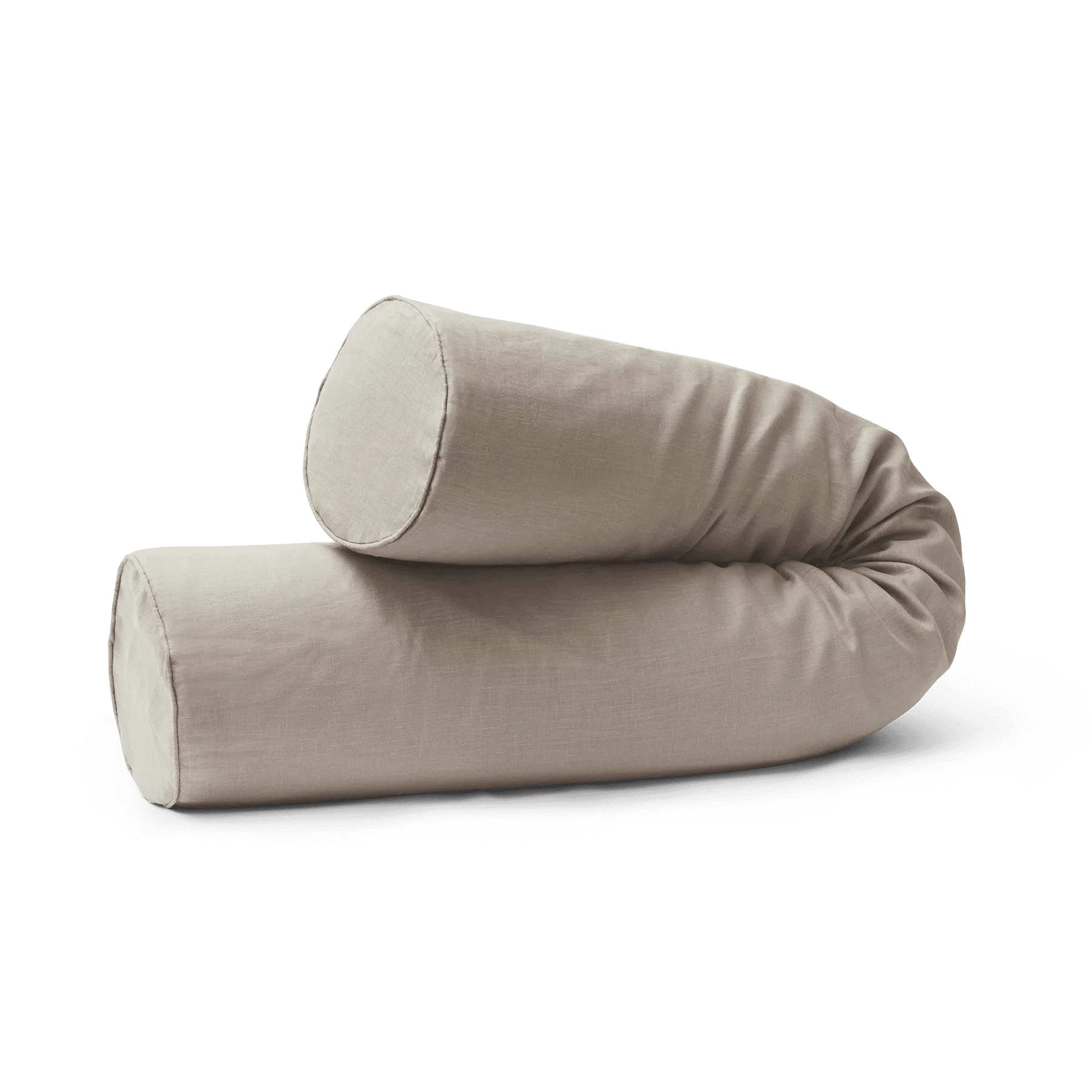
Another tip is to place a pillow between your knees to keep your spine aligned. This works well with a weighted blanket because the blanket adds gentle pressure, but the pillow prevents hip rotation. If you use a body pillow, you can drape the weighted blanket over both your body and the pillow for a secure, cocoon-like feel.
- Keep the blanket below your shoulders to avoid shoulder strain.
- Use a knee pillow to maintain proper spinal alignment.
Can a weighted blanket help with side sleeping discomfort?
Yes, for many side sleepers, a weighted blanket can actually reduce discomfort by promoting relaxation and reducing tossing and turning. The deep touch pressure helps calm the nervous system, which can make it easier to stay in a comfortable position throughout the night.
However, it's not a replacement for proper mattress support or pillow positioning. If you have chronic pain, combine the weighted blanket with a supportive mattress and a pillow that fills the gap between your shoulder and head. Weighted blankets are a complement, not a cure.
- Use a medium-firm mattress to support your hips and shoulders.
- Pair the blanket with a supportive side-sleeping pillow.
Are there any risks for side sleepers?
The main risks for side sleepers are using a blanket that's too heavy, which can restrict movement and cause joint pain, or positioning it too high, which can put pressure on your neck and shoulders. Always choose a weight that allows you to move freely and adjust during the night.
If you have respiratory issues, circulatory problems, or are pregnant, consult your doctor before using a weighted blanket. Side sleepers with these conditions should be especially cautious and may need a lighter weight or a different sleep solution.
- Avoid blankets that are more than 10-12% of your body weight.
- If you feel numbness or tingling, remove the blanket immediately.
Key Takeaways for Side Sleepers
Weight matters
Choose a weighted blanket around 10% of your body weight. If you have joint pain, go lighter. Start with a 10% weight and adjust as needed.
Positioning is key
Keep the blanket below your shoulders and use a knee pillow to maintain spinal alignment. Avoid pulling the blanket over your shoulders.
Listen to your body
If you feel discomfort, numbness, or restricted movement, try a lighter weight or reposition the blanket. Comfort is the ultimate guide.
Product Facts for Side Sleepers
- Cotton Weighted Blanket: Our organic Cotton Napper is a knitted weighted blanket to help you fall asleep faster and feel calmer, naturally. Made of 100% organic cotton, inside and out. Your Napper should be about 10% of your body weight. The breathable organic cotton knit is ideal for side sleepers who tend to sleep warm. The 10% weight guideline helps you choose a safe, comfortable option.

calmer
- Queen Weighted Blanket: A bed-sized weighted blanket designed for couples or anyone who wants full queen-bed coverage. Hand-knit from sustainable fibers, it delivers deep touch pressure to ease anxiety, boost melatonin, and promote calmer, deeper sleep. If you're a side sleeper who shares a bed, this larger blanket gives you room to move and position it comfortably without pulling it away from your partner.
- Muslin Cocoon: An airy organic cotton muslin throw blanket to complete your calming cocoon. Made of GOTS-certified 100% organic cotton muslin. This lightweight, breathable layer can be used on top of or under a weighted blanket to add softness and temperature control without adding weight.
Weighted blankets can be a safe and comforting addition to your side-sleeping routine when you choose the right weight and use proper positioning. Start with a weight around 10% of your body weight, keep the blanket below your shoulders, and consider a body pillow for extra support. If you have health concerns, always consult your doctor first.