The Claim: Work Sneakers Sacrifice Safety for Style
It's a common belief that a sneaker-style work shoe cannot offer the same protection as a full-height work boot. The logic seems straightforward: boots cover the ankle, have thicker materials, and look more rugged. But the reality is more nuanced. Safety in work footwear depends on specific features—toe protection, metatarsal guards, slip resistance, and electrical hazard ratings—not on the height of the collar or the weight of the shoe.
Modern women's work sneakers from brands like KEEN are designed with the same protective standards as boots. The key is to match the shoe's certifications to the hazards of your job, rather than assuming a boot is always safer.
What the Safety Standards Actually Cover
-
Women's Vista Energy XT Work Sneaker INT MET (Carbon Toe) | Black/Magnet: The KEEN Women's Vista Energy XT Work Sneaker INT MET (Carbon Toe) features a low-profile met guard, energy-returning cushioning, and a splash-resistant synthetic upper. The carbon toe and met guard provide impact and compression protection comparable to a boot's steel or composite toe. The low-profile design reduces trip hazards, which is an advantage over bulkier boots.
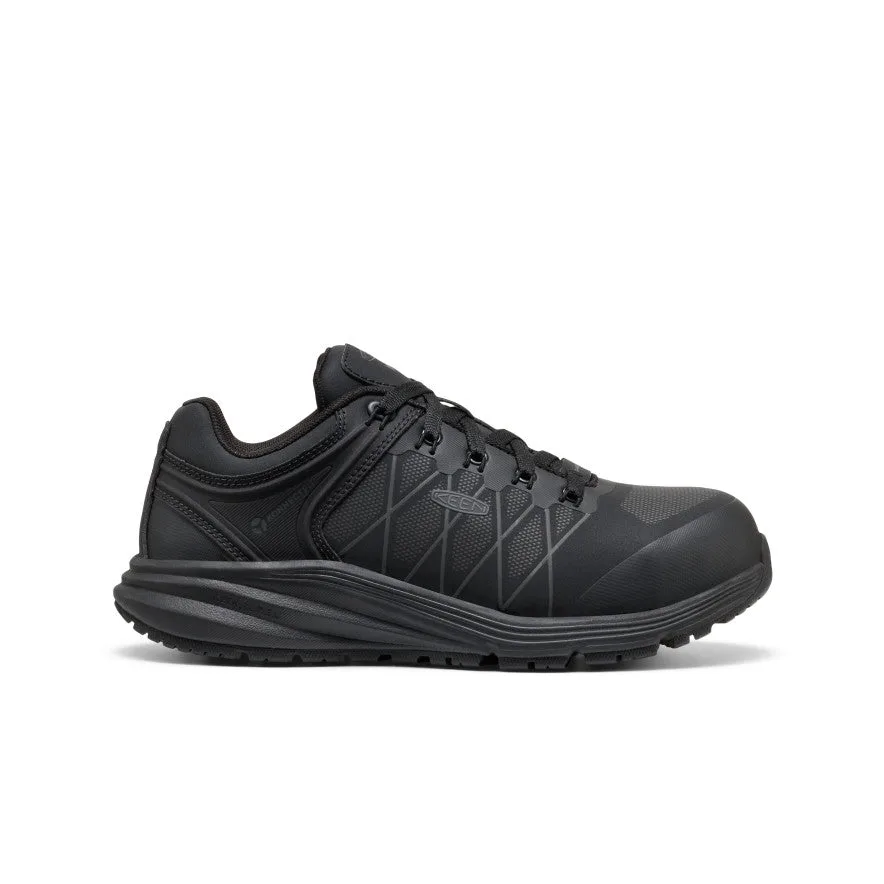
Women's Vista Energy XT Work Sneaker INT MET (Carbon Toe) | Black/Magnet
-
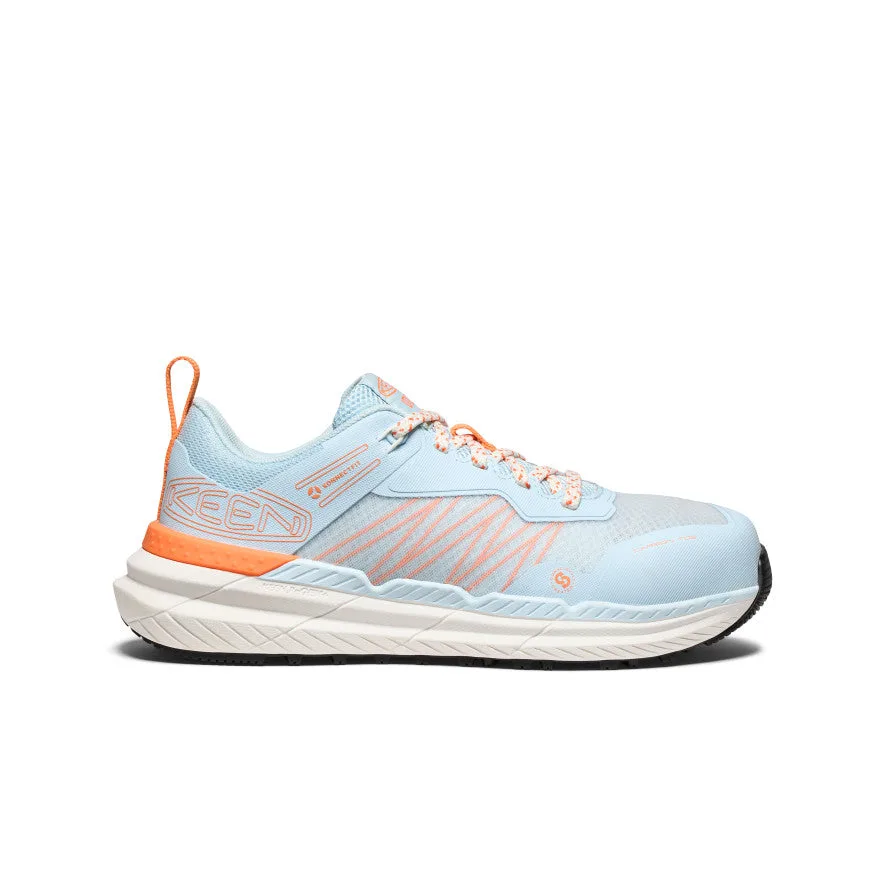
Women's Sparta 2 ESD (Aluminum Toe) | Magnet/Safari: The KEEN Women's Sparta 2 ESD (Aluminum Toe) is an ESD-rated sneaker with an energy-returning midsole, designed for sensitive assembly work. ESD (Electrostatic Discharge) protection is a specific safety requirement that many work boots do not offer. For electronics or explosive environments, this sneaker meets a standard that boots often miss.
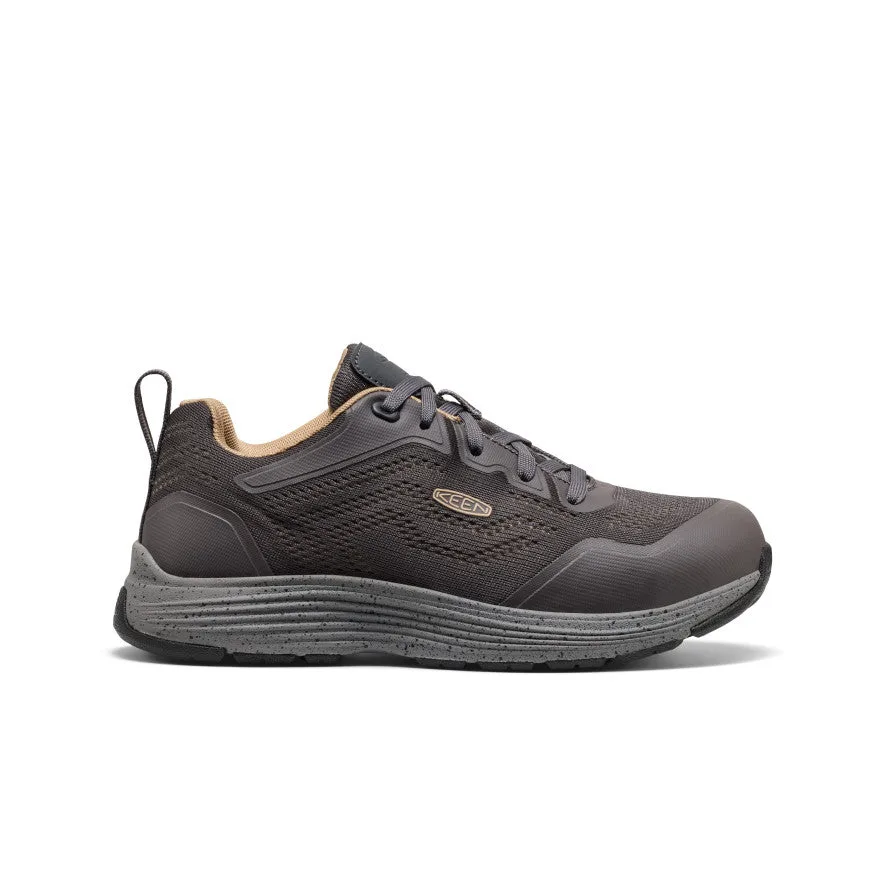
Women's Sparta 2 ESD (Aluminum Toe) | Magnet/Safari
Where Work Sneakers Shine (and Where Boots Still Win)
Work sneakers excel in comfort and mobility. The Vista Energy XT, for example, uses energy-returning cushioning that reduces fatigue during long shifts—something traditional boots rarely prioritize. Their athletic fit also allows a wider range of motion, which can improve agility and reduce strain on the lower legs.
However, work boots still hold an edge in ankle support and protection from liquid splashes or debris that might enter a lower-cut shoe. If your job involves heavy mud, deep water, or frequent kneeling, a boot's taller shaft and sealed tongue may be necessary. For most indoor, light-industrial, or service roles, a properly rated work sneaker is just as safe and often more comfortable.
Work Sneaker vs. Boot: When to Choose Each
- Choose a work sneaker when: Your job requires standing or walking on hard surfaces for hours. The Vista Energy XT's cushioning and breathable upper reduce fatigue. If you need ESD protection (like in electronics assembly), the Sparta 2 is purpose-built for that.
- Choose a work boot when: You need maximum ankle support for uneven terrain, or you work in wet, muddy, or chemical-spill environments where a higher shaft is necessary. Boots also offer more room for thick socks in cold conditions.
Fit and Sizing: A Practical Trade-Off
Both the Vista Energy XT and Sparta 2 are available in women's-specific sizing with regular and wide widths, which is a strong point for fit. The catalog evidence shows that the Vista Energy XT offers sizes 6–11 in regular and wide, while the Sparta 2 goes down to size 5—a useful range for smaller feet.
Work boots often come in unisex sizing that may not accommodate women's foot shapes as well. A poorly fitting boot can create pressure points, blisters, or even compromise safety if the toe cap shifts. A well-fitting work sneaker is safer than an ill-fitting boot.
Bottom Line: Safety Is in the Specs, Not the Style
The myth that work sneakers are inherently less safe than work boots doesn't hold up against the evidence. Both the KEEN Vista Energy XT and Sparta 2 carry protective features—carbon toe, met guard, ESD rating—that match or exceed what many boots offer. The real choice depends on your work environment, not on assumptions about shoe height. For women who want protection without sacrificing comfort, a well-chosen work sneaker is a legitimate safety option.