Why this story works as a read-aloud
P. D. Eastman's Are You My Mother? follows a newly hatched baby bird who sets off to find his mother, even though he does not know what she looks like. That simple premise gives you a natural read-aloud rhythm: the baby bird meets a kitten, a hen, a dog, and a Snort, and each encounter invites a child to guess what happens next.
The story is a Beginner Book edited by Dr. Seuss, so the text is designed for beginning readers. That makes it a good fit for shared reading with toddlers and for children who are just starting to recognize words. The catalog description also notes it is a staple for baby showers, beginning readers, and Mother's Day, which tells you the book is meant to be read together rather than saved for a special occasion.
What the catalog tells you about this edition
-
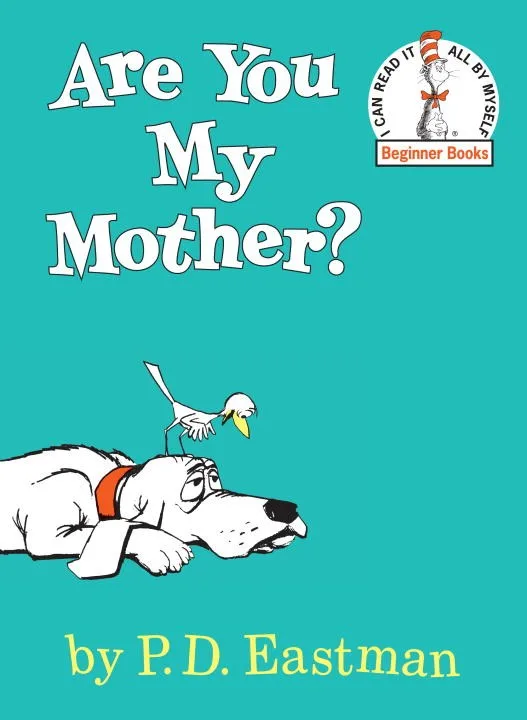
Are You My Mother?: Are You My Mother? is available in a Hardcover format. Knowing the format helps you decide whether this copy suits your shelf and your child's handling habits.
Are You My Mother?
-
Are You My Mother?: The story is described as a hilarious Beginner Book edited by Dr. Seuss. That description signals an early-reader audience and a playful tone you can lean into when reading aloud.
-
Are You My Mother?: The baby bird does not know what his mother looks like, which makes his search a challenge. This is the central tension you can use to build suspense and invite predictions during the read-aloud.
How to set up the read-aloud
These steps assume you are reading the hardcover edition with a toddler or beginning reader. Adjust the pace to your child's attention span.
- Preview the cover together: Point to the baby bird and ask, 'Where do you think he is going?' This warms up the prediction habit before you open the book.
- Read the title and pause: The title is a question. Let your child answer it before you turn the page.
- Follow the baby bird's search: As the baby bird meets the kitten, hen, dog, and Snort, pause after each one and ask, 'Is that his mother?' The repetition helps beginning readers join in.
- Use a steady pace: The story moves quickly from one encounter to the next. Keep your reading lively but not rushed, so your child can follow the chain of events.
- Slow down at the reunion: The catalog notes the timeless message of the bond between mother and child. When the baby bird finally finds his mother, let that moment land before you close the book.
Read-aloud prompts that fit the story
These prompts are grounded in the catalog description and give your child a way into the story without turning reading into a quiz.
- Before the egg hatches: The mother bird leaves to find food for her little one. Ask, 'What do you think she will bring back?'
- When the baby bird sets off: He does not know what his mother looks like. Ask, 'How would you find someone if you did not know what they looked like?'
- After each animal encounter: The baby bird meets a kitten, a hen, a dog, and a Snort. Ask, 'Do you think this animal could be his mother? Why or why not?'
- At the end: The story carries a message about the bond between mother and child. Ask, 'How do you think the baby bird feels now?'
What to know before you buy
The catalog lists this as a hardcover edition and does not include page count, dimensions, or a stated age range. If you need those details for a gift or a classroom, check the physical copy or ask the store before ordering. The description does confirm the story is a Beginner Book, which suggests it is written for children who are starting to read, but it does not assign a specific age.
The price shown is $6.69, compared with a catalog comparison price of $9.99. That makes this an affordable way to add a classic picture book to a toddler's shelf or to pair with a baby shower gift. The catalog also mentions Mother's Day, so it can work as a seasonal gift, but the story itself is not tied to a holiday.
When this book fits your read-aloud routine
Are You My Mother? works best when you want a story with clear repetition, a simple emotional arc, and a satisfying reunion. It suits toddlers who like to name animals and beginning readers who can chime in on the question 'Are you my mother?' If your child prefers books with more detailed illustrations or longer text, this may not hold their attention yet. The catalog does not describe the illustration style, so if that matters to you, look at a copy in person or check the store's listing for more images.
For a read-aloud routine, this book is short enough to read at bedtime without dragging, and the repeated question gives you a natural place to let your child 'read' along. That participation is one of the practical benefits of a Beginner Book, and it is why the title has stayed in print for so long.