Why Cavitation Frequency Matters for Body Contouring
Ultrasonic cavitation machines use sound waves to disrupt fat cells, but not all frequencies work the same way. Lower frequencies tend to penetrate deeper, while higher frequencies offer more precision. The Aristorm 4-in-1 30k/50k/80k S Shape Machine gives you three distinct frequencies in one unit, so you can match the energy to the treatment area. This comparison breaks down what each frequency does and where it fits best, based on the machine's supplied specifications.
The Three Cavitation Frequencies at a Glance
-
Aristorm 4-in-1 30k/50k/80k S Shape Machine for Spa-Grade Body Contouring for Pro Use: Dual ultrasonic frequencies (30 kHz and 50 kHz) target stubborn fat deposits on the abdomen, back, and thighs. 30 kHz and 50 kHz are the go-to frequencies for larger, more resistant areas. They deliver deeper penetration to address common client concerns like belly fat and love handles.
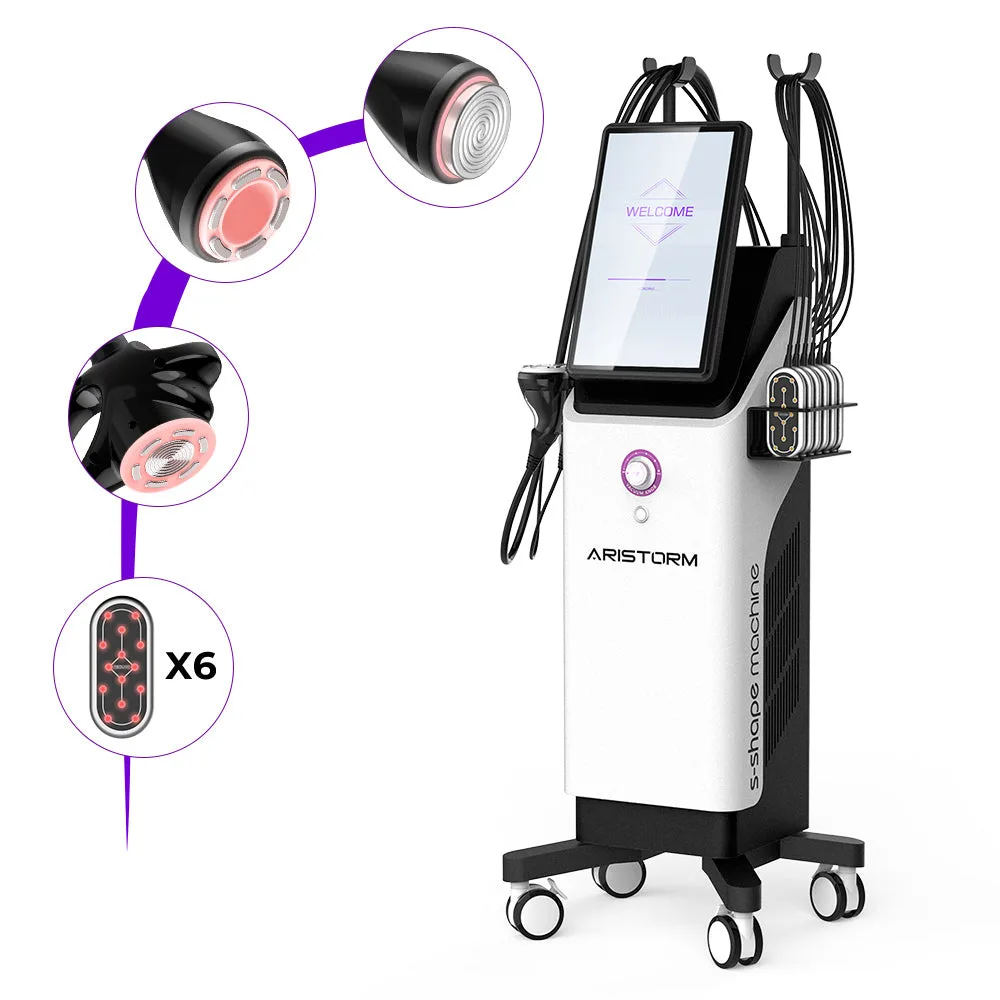
Aristorm 4-in-1 30k/50k/80k S Shape Machine for Spa-Grade Body Contouring for Pro Use
-
Aristorm 4-in-1 30k/50k/80k S Shape Machine for Spa-Grade Body Contouring for Pro Use: 80 kHz high-frequency system delivers deep, precise fat disruption ideal for contouring smaller or more delicate areas such as the arms. 80 kHz offers a finer touch. It's designed for precision work on areas where you want smooth, refined results without affecting surrounding tissue.
30 kHz vs 50 kHz vs 80 kHz: Which Frequency for Which Area?
- 30 kHz – Deep, Broad Coverage: Operates at 70 W. Best for the abdomen, back, and thighs—areas with larger fat deposits. The lower frequency penetrates deeper into fat layers.
- 50 kHz – Versatile Mid-Range: Operates at 60 W. Also targets the abdomen, back, and thighs, but with slightly less depth than 30 kHz. Useful when you want a balance of penetration and comfort.
- 80 kHz – Precision for Delicate Zones: Operates at 33 W. Designed for smaller areas like the arms. The higher frequency allows for precise fat disruption without over-treating nearby tissues.
How the Handpieces Deliver Each Frequency
The Aristorm 4-in-1 machine comes with two dedicated handpieces. The Cavi 30k/50k & RF handpiece handles both 30 kHz and 50 kHz cavitation, and it adds radiofrequency for skin tightening. The Cavi 80k handpiece is a separate unit focused solely on the 80 kHz frequency. This separation lets you switch between handpieces during a session, treating larger areas first and then refining smaller zones without changing settings.
What the Catalog Confirms About Results
The supplied information states that the machine is designed for precise contouring across multiple body zones—arms, abdomen, thighs, and back—using the three ultrasonic frequencies. It also notes that you can tailor each treatment to meet your clients' needs. What the catalog does not specify is the exact treatment time per area, the number of sessions required for visible results, or specific contraindications. Those details would come from the machine's full user manual or manufacturer guidance.
Putting It All Together: Choosing Your Frequency
If you are treating a client's abdomen or thighs, start with the 30 kHz or 50 kHz handpiece for deeper fat disruption. For arms or other delicate areas, switch to the 80 kHz handpiece for precision. The machine's 15.6-inch HD touchscreen and built-in video guides make it easy to select the right frequency and monitor the session. Having all three frequencies in one unit means you can offer a customized contouring service without buying separate machines.