They solve different problems on the same ride
Arm Screens and Overshoes are not competing versions of the same product. Arm Screens are removable sleeves designed for summer UV protection and breathable coverage. Overshoes are waterproof shoe covers built for cold, wind and rain. The useful comparison is not which one is better, but which end of your body needs protection on a given ride—and whether you need one, the other, or both.
On a changeable day, the decision usually comes down to the forecast and how exposed your arms and feet will be. A cool morning that warms into a sunny afternoon points toward removable arm coverage. A wet, windy commute or training ride points toward overshoes. A long day with both sun and showers may call for both.
What Arm Screens are built to do
-
Arm Screens: Lightweight Arm Screens shield against harsh UV rays while optimising speed and performance. This tells you the primary job is sun protection during peak summer rides, not insulation against cold.
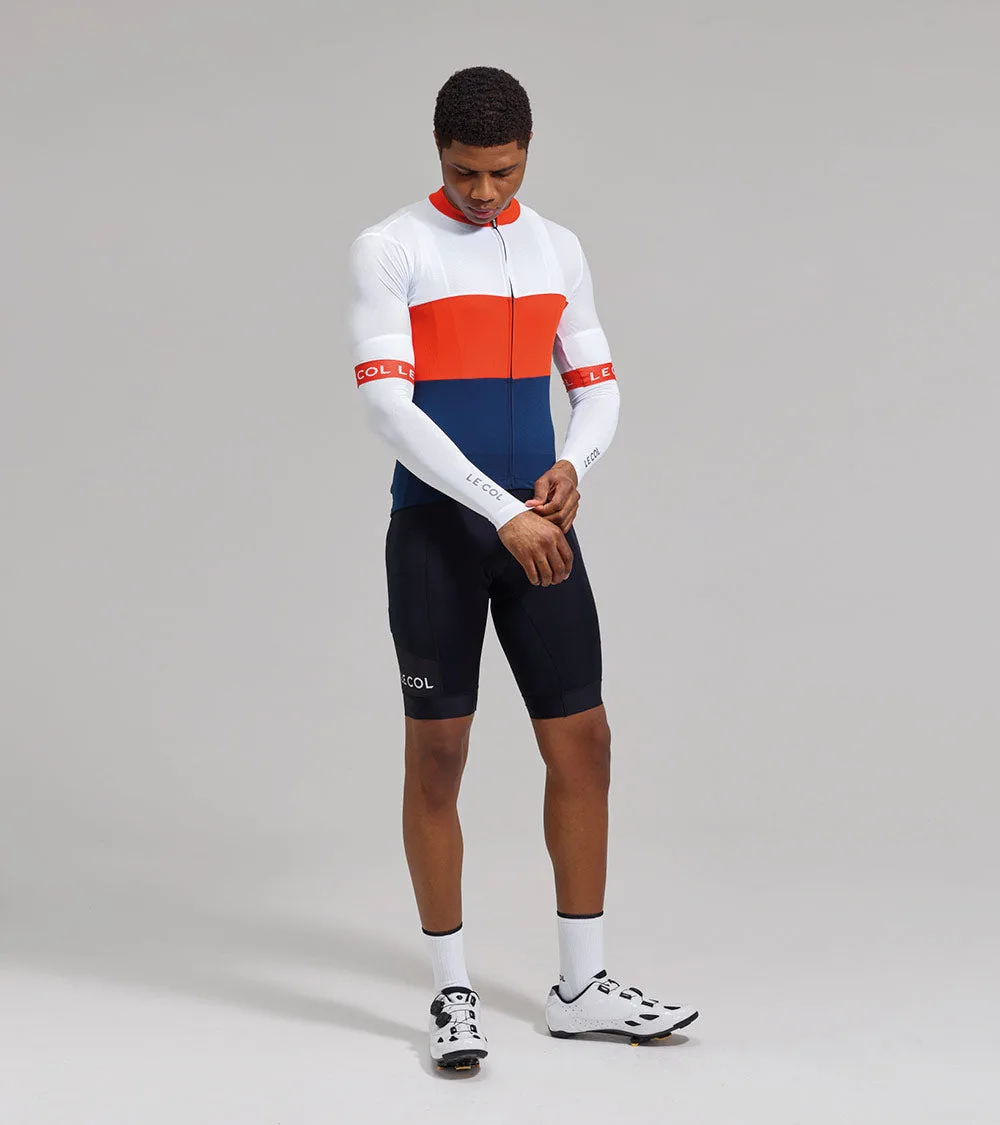
Arm Screens
-
Arm Screens: They are cut to fit close to the skin so you barely notice you’re wearing them, and they are breathable and fast-wicking. A close, breathable fit matters when you plan to wear them for long, warm rides and want removable coverage without bulk.
What Overshoes are built to do
-
Overshoes: Overshoes are designed to shield from cold, wind and rain without extra bulk, using a high-performance waterproof fabric that stretches over your shoe and leg. This makes them the relevant choice when the weather threat is wet and chilly, rather than sunny.
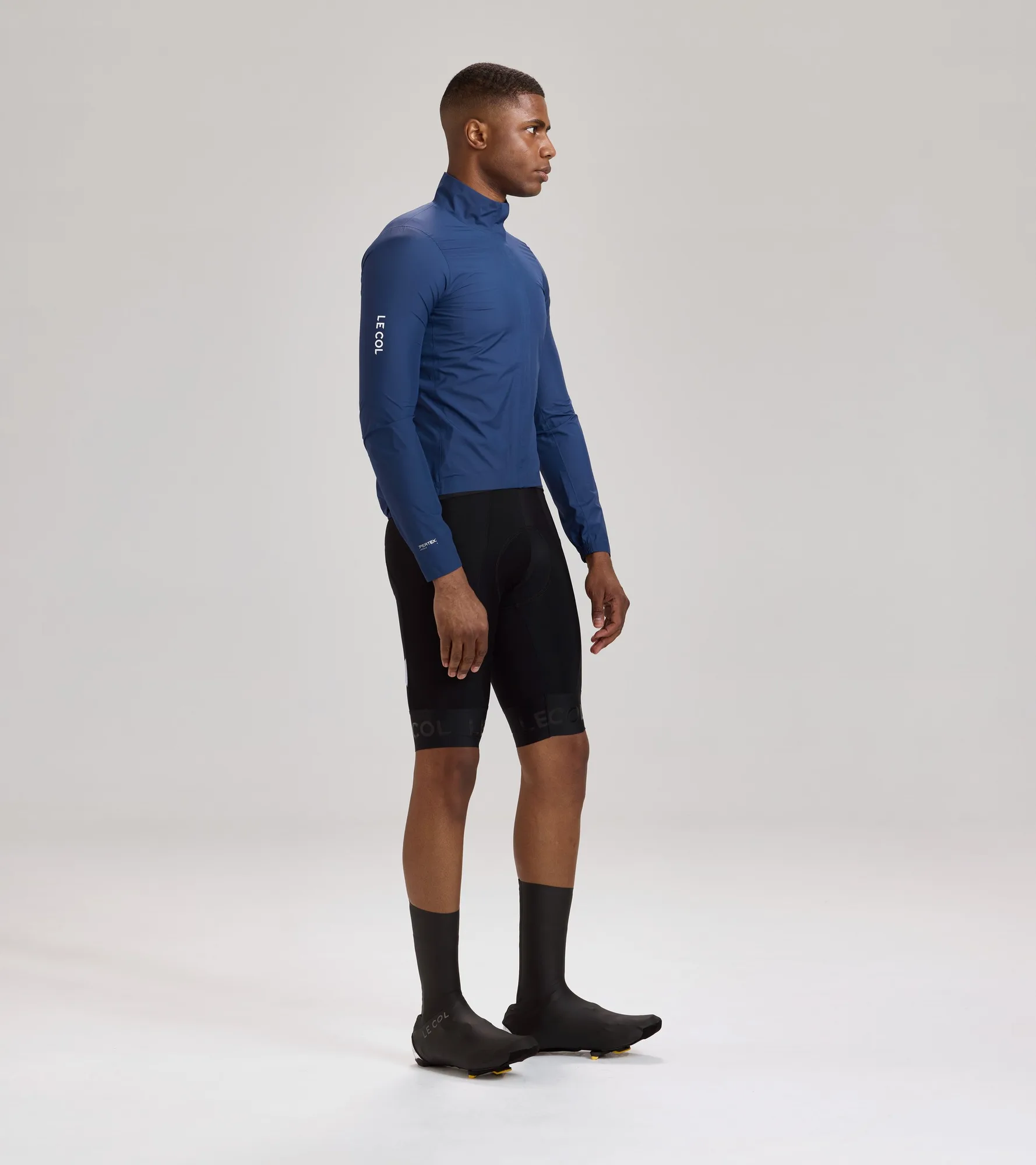
Overshoes
-
Overshoes: Fully taped seams along the ankle prevent rain forcing its way in, and a Velcro fastener sits behind the cleat for easy opening and closure. These details support the overshoe’s role in wet conditions and help you judge whether the closure system suits your shoes.
-
Overshoes: Reflective Le Col logos on each side increase visibility in low light or drizzly conditions. If your changeable-weather rides include poor light or rain, this is a practical safety detail to weigh.
Side-by-side on the details that matter
The catalog evidence supports a clear split in purpose. Use this table to match each product to the condition you expect, not to rank them against each other.
- Primary protection: Arm Screens: UV rays on peak summer rides. Overshoes: cold, wind and rain.
- Best signal to wear them: Arm Screens: strong sun and warm conditions where you want removable arm coverage. Overshoes: wet, windy or cold rides where your feet and lower legs need shielding.
- Fit and closure evidence: Arm Screens: close-to-skin cut, breathable and fast-wicking. Overshoes: stretch fabric moulds over shoe and leg, taped ankle seams, Velcro fastener behind the cleat.
- Visibility features: Arm Screens: not confirmed in the supplied record. Overshoes: reflective Le Col logos on each side.
- Sizing and colour options: Arm Screens: S–XL in White. Overshoes: XS–M in Black.
When to reach for Arm Screens
Choose Arm Screens when the ride is warm but sunny, and you want protection from harsh UV without committing to a long-sleeve jersey. Because they are removable, they suit changeable weather where the morning is mild and the afternoon is bright. The breathable, fast-wicking fabric is designed to keep you cooler and fresher for longer, which matters on peak summer rides.
They are not described as insulated or waterproof in the supplied record. If the forecast points to cold wind or rain, Arm Screens alone are not the right tool for that part of the ride.
When to wear Overshoes
Reach for Overshoes when the ride includes cold, wind or rain. The waterproof fabric, taped ankle seams and reflective logos are all aimed at wet, low-light conditions. The Velcro closure behind the cleat is designed to make them easy to open and close, and the stretch fabric is meant to mould over your shoe without restricting movement.
The supplied record does not confirm insulation ratings or temperature ranges, so treat them as protection from the elements rather than a guaranteed warmth layer for extreme cold. If you need a specific temperature recommendation, that information is not available in the catalog evidence.
A simple decision for a changeable day
Use the forecast and your route to decide, then pack accordingly.
- Sunny and warm, with a mild start: Take Arm Screens for removable UV protection. Add a lightweight layer if the morning is cooler than expected.
- Wet, windy or cold: Wear Overshoes to keep rain and wind off your feet and lower legs. The reflective logos help in low light.
- Both sun and showers possible: Carry Arm Screens for the sunny spells and wear Overshoes if the road is wet. They address different areas and can be used together.
- Cold and dry: Overshoes are described for cold, wind and rain, but the record does not confirm warmth ratings. Arm Screens are not described as insulation, so they are not a substitute for a thermal layer.
Sizing and availability: what the catalog confirms
Arm Screens come in S, M, L and XL, all in White. Overshoes come in XS, S and M, all in Black. The supplied records do not include a size chart or fit guidance beyond the general descriptions, so check the retailer’s sizing information before ordering. If you are between sizes, the close-to-skin cut of Arm Screens and the stretch fit of Overshoes are worth keeping in mind, but the catalog does not give a definitive rule for choosing between sizes.
Where the evidence stops
Neither product record includes care instructions, temperature ratings, or compatibility notes for specific shoes or jerseys. If you need to know whether Overshoes will fit a particular shoe or whether Arm Screens will work under a specific jersey, that information is not confirmed by the supplied catalog. Use the product descriptions as a guide to intended use, and check with the retailer for details the record does not cover.