Two Bandai Pokémon kits, two different build experiences
The Armarouge and Mega Lucario kits sit in the same Bandai Pokémon model kit family, but they ask different things of you. One is built around a tool-free assembly and a signature battle pose; the other is a snap-fit build with a Poké Ball display base and full posability once finished. Neither is a bad choice, but the right one depends on how much fiddling you want and what you plan to do with the finished model.
Below, I break down the supplied details for each kit so you can match one to your bench, your display shelf, and your patience.
Armarouge: tool-free build with a flame effect
-
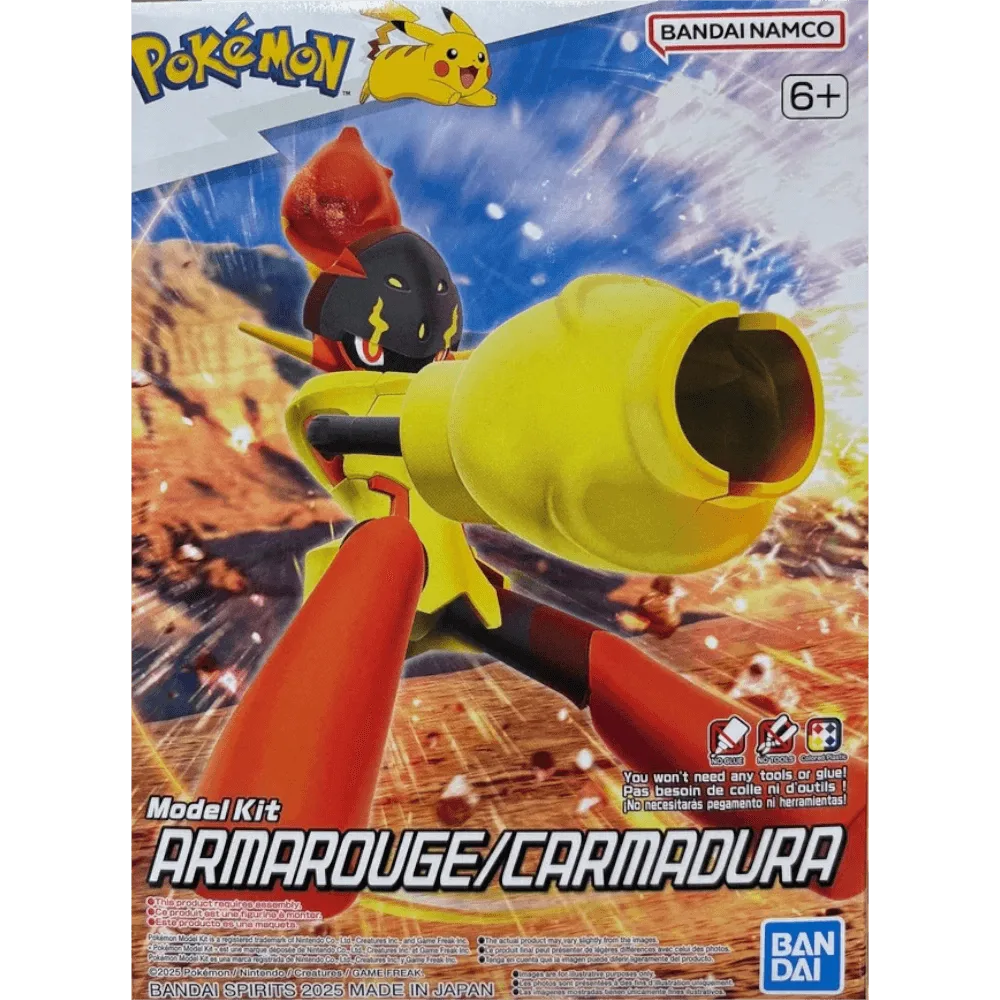
Bandai: Pokémon Armarouge Model Kit: Easy-to-assemble model kit that requires no tools. This is the clearest beginner signal in either record: no side cutters or hobby knife are called for in the supplied instructions.
Bandai: Pokémon Armarouge Model Kit
-
Bandai: Pokémon Armarouge Model Kit: Flame effect on its head created with insert molding for a dynamic color gradation. The flame is a molded color feature, not a sticker or paint job, so the look is built into the parts.
-
Bandai: Pokémon Armarouge Model Kit: Interchangeable shoulder rest parts allow you to replicate the Armor Cannon pose. You get a specific, recognizable pose option rather than a generic standing model.
-
Bandai: Pokémon Armarouge Model Kit: Includes a pedestal for battle-ready display stances. Display support is included, so you can pose it mid-battle without buying a separate stand.
Mega Lucario: snap-fit build with a Poké Ball base
-
Bandai: Pokémon Mega Lucario Model Kit: Simple snap-fit model kit that's easy to assemble. Snap-fit means the parts connect without glue, which keeps the build approachable and the mess low.
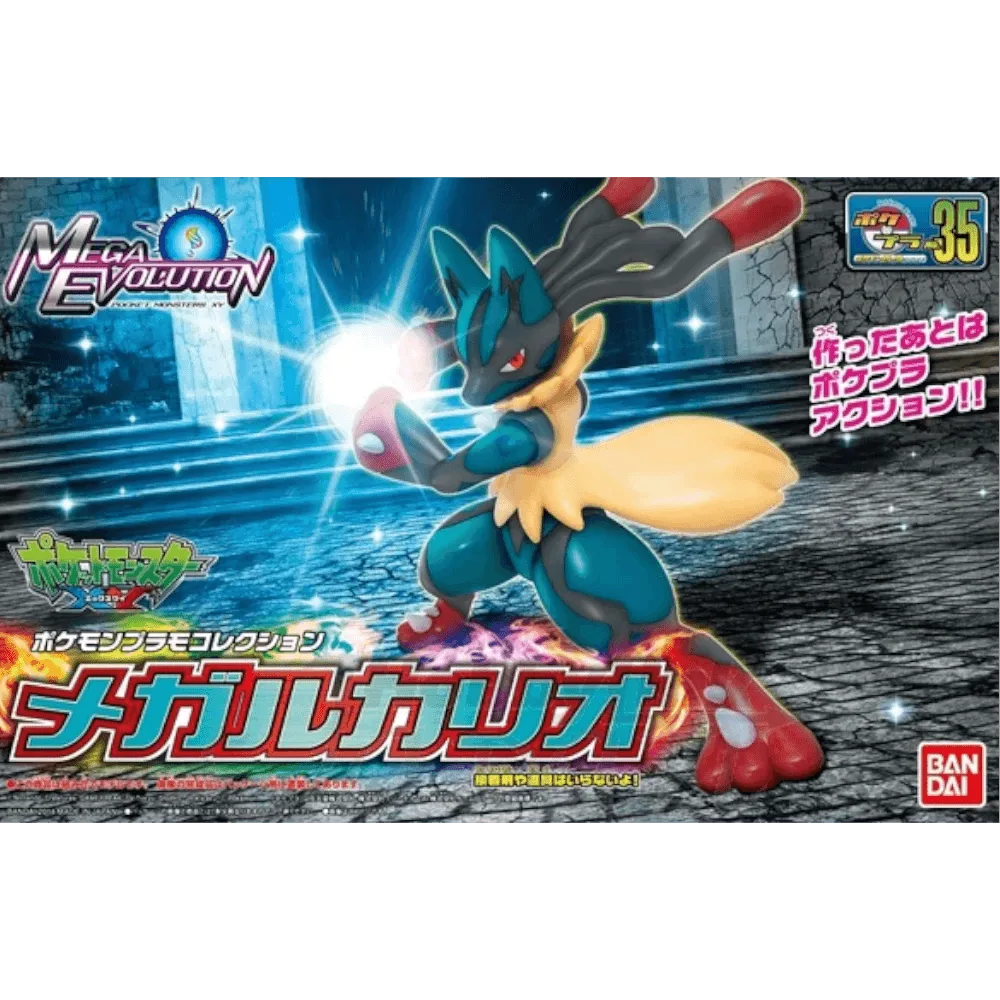
Bandai: Pokémon Mega Lucario Model Kit
-
Bandai: Pokémon Mega Lucario Model Kit: Parts come pre-molded in burgundy, teal, gray, and cream yellow. The color separation is already in the plastic, so you can build a recognizable Mega Lucario without painting.
-
Bandai: Pokémon Mega Lucario Model Kit: Once built, Mega Lucario is fully posable and comes with stickers and a Poké Ball-shaped display base. Full posability plus a themed base makes this the more flexible kit for changing up your display.
-
Bandai: Pokémon Mega Lucario Model Kit: Contents include plastic parts, display base, and instructions. The box is self-contained for assembly and display, but note that the supplied record does not list tools.
Build difficulty: which kit is friendlier for beginners?
Both kits are described as easy to assemble, but the supplied wording points to slightly different expectations.
- Tools required: Armarouge explicitly requires no tools. Mega Lucario is described as snap-fit and easy to assemble, but the supplied record does not state whether tools are needed, so treat that as unconfirmed rather than a yes or no.
- Assembly method: Mega Lucario is called a snap-fit kit, meaning parts press together. Armarouge is described as an easy-to-assemble kit that requires no tools; the record does not use the term snap-fit, so don't assume identical construction.
- Stickers: Mega Lucario includes stickers. Armarouge's supplied details do not mention stickers, so sticker work is confirmed only for the Lucario kit.
- Overall beginner fit: If the idea of hunting for tools puts you off, Armarouge is the safer first build based on the supplied evidence. If you want a snap-fit kit with full posability and a themed base, Mega Lucario fits that brief.
Display and poseability after the build
What you can do with the finished model is where these two kits diverge most clearly.
- Pose range: Mega Lucario is fully posable once built. Armarouge's record highlights interchangeable shoulder rest parts for the Armor Cannon pose and a pedestal for battle-ready stances, but does not claim full posability.
- Display base: Mega Lucario includes a Poké Ball-shaped display base. Armarouge includes a pedestal. Both give you a way to show the model off, but the styles differ.
- Signature look: Armarouge's head flame uses insert molding for a color gradation, giving it a distinctive visual feature. Mega Lucario relies on pre-molded burgundy, teal, gray, and cream yellow plastic plus stickers.
- Best for: Choose Armarouge if you want a specific battle pose and a molded flame effect. Choose Mega Lucario if you want to re-pose the model and prefer a Poké Ball-themed base.
Price, packaging, and what the records don't tell you
At the catalog prices shown, Mega Lucario is the lower-cost kit, while Armarouge sits higher. That difference may matter if you're buying a first kit to test the hobby, but price alone doesn't settle which is better for you.
Both product records share the same packaging note: minor imperfections or tears in shrink wrap and product packaging may occur and do not qualify for a replacement. That's a condition-of-packaging disclaimer, not a statement about missing parts or build quality.
Neither record supplies an age range, so I can't tell you which kit is officially recommended for younger builders. If age suitability is a deciding factor, check the box or ask before buying. Likewise, the records don't list paint, glue, or additional tools beyond what's mentioned above, so don't assume they're included.
A quick way to decide
- Pick Armarouge if...: You want a no-tools build, a molded flame effect, and a kit designed around one signature pose with a pedestal.
- Pick Mega Lucario if...: You want a snap-fit build, full posability after assembly, stickers for detail, and a Poké Ball-shaped display base.
- Pick both if...: You're comparing build styles for yourself or building with someone else, since the two kits offer genuinely different assembly and display experiences.