There’s a quiet ritual in brewing loose leaf tea that transcends the simple act of making a drink. Unlike the hurried dunk of a bag, loose leaf invites you to slow down—to measure leaves, heat water just so, and watch them unfurl in a graceful dance. Whether you’re a seasoned tea drinker or just beginning to explore beyond the tea bag, understanding a few key techniques can transform your daily cup into a moment of genuine pleasure.
At East Fork, we believe the vessel matters as much as the leaf. A well-made ceramic teapot retains heat evenly, while a thoughtfully designed cup cradles both warmth and aroma. In this guide, we’ll walk through the essentials of brewing loose leaf tea—from choosing the right teapot and cup to mastering water temperature and steeping times—so you can enjoy the fullest flavor from every leaf.
Why Loose Leaf Tea Deserves Your Attention
Loose leaf tea offers a depth of flavor and complexity that pre-packaged tea bags simply cannot match. Whole leaves retain their essential oils and aromatic compounds, which means each infusion releases a layered taste profile—floral, vegetal, toasty, or sweet—depending on the variety. Tea bags, by contrast, often contain fannings or dust, which steep quickly but yield a flat, one-dimensional brew.
Beyond flavor, loose leaf tea allows you to control strength and customize your experience. You can adjust the leaf-to-water ratio, experiment with steeping times, and even re-steep high-quality leaves multiple times. This not only saves money over time but also deepens your appreciation for the craftsmanship behind each harvest.
- Whole leaves retain more essential oils and antioxidants than broken tea bag grades.
- Loose leaf tea can be re-steeped 2-3 times (or more for oolongs and pu-erhs), offering better value.
- You avoid the microplastics sometimes found in paper tea bags.
Choosing the Right Teapot for Loose Leaf Tea
The teapot is the heart of the brewing ritual. Ceramic and stoneware teapots are excellent choices for most teas because they provide even heat distribution and retain warmth without imparting any metallic or reactive flavors. A well-crafted ceramic teapot, like those from East Fork, is both functional and beautiful—the glaze interacts with the tea only minimally, allowing the true character of the leaf to shine.
For green and white teas, which are more delicate, a smaller teapot (around 12-16 ounces) is ideal because it allows you to control steeping more precisely. Black and oolong teas can handle slightly larger pots. If you enjoy multiple infusions, consider a pot with a built-in strainer or a removable infuser basket. Avoid teapots with narrow spouts that clog easily—look for a design that pours cleanly and steadily.
- Ceramic and stoneware are neutral and retain heat well—perfect for most tea types.
- A pot with a wide opening makes cleaning and leaf removal much easier.
- Match pot size to your drinking habits: smaller for solo sessions, larger for sharing.
The Perfect Cup: Why Your Teacup Matters
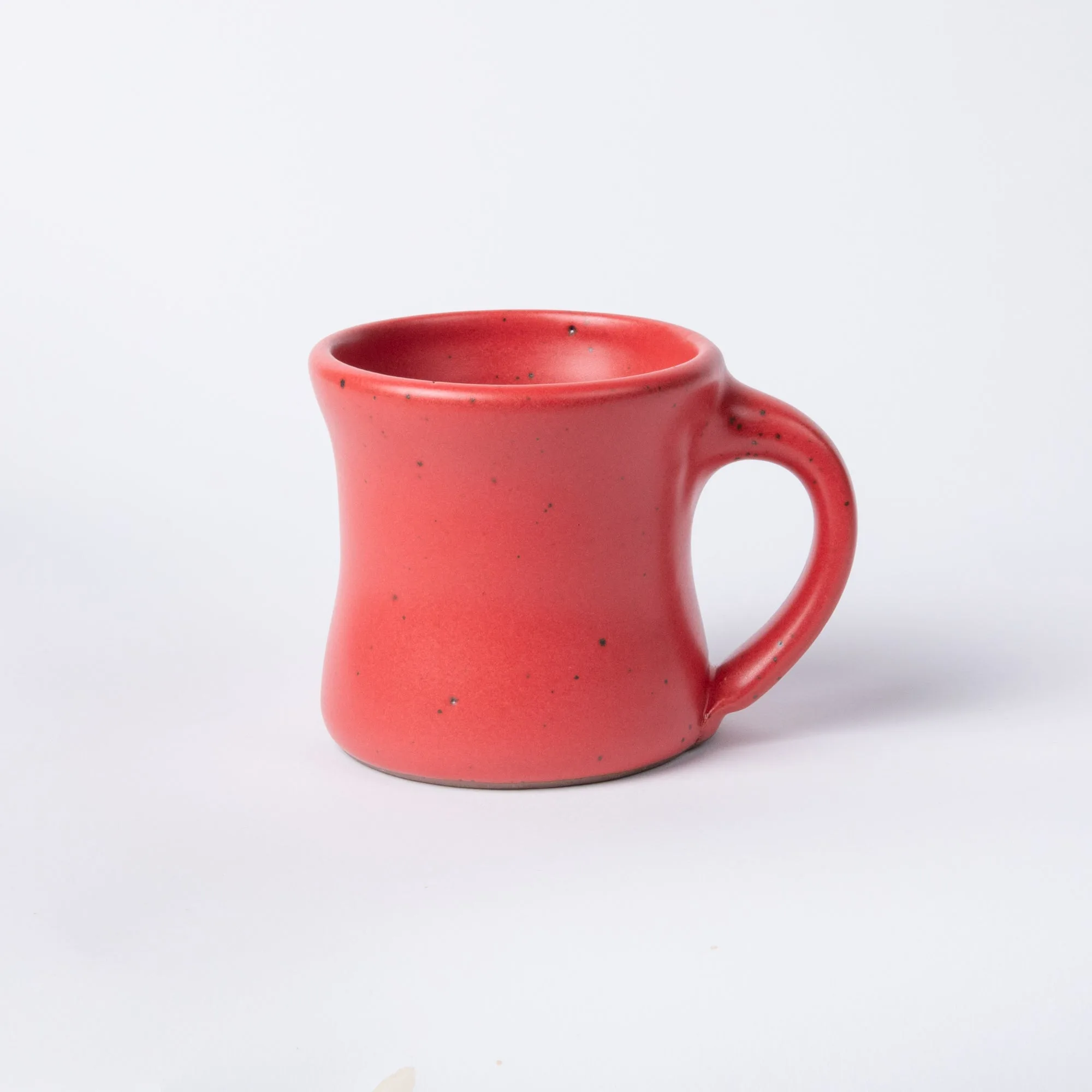
Once the tea is brewed, the cup is your final interface with the drink. The shape, thickness, and material of a teacup affect how the tea’s aroma reaches your nose and how the liquid feels on your palate. A wide, open bowl-shaped cup allows the tea to cool slightly and releases more fragrance, making it ideal for appreciating delicate notes. A taller, narrower cup retains heat longer and concentrates the aroma for a more intense experience.
At East Fork, our cups are designed with these nuances in mind. Whether you prefer a sturdy mug for morning chai or a slender cup for afternoon green tea, the right vessel enhances every sip. Look for cups with a smooth, glazed interior that won’t absorb flavors or odors over time. Handcrafted pottery also adds a tactile pleasure—the weight, the curve, the slight irregularity that makes each piece one of a kind.
- Wide, open cups release aroma quickly—great for floral or fruity teas.
- Taller cups retain heat—ideal for black teas and herbal infusions.
- Glazed interiors are non-porous and won’t hold onto previous brews.
Mastering Water Temperature and Steeping Times
Water temperature is arguably the most overlooked variable in tea brewing. Using water that is too hot can scorch delicate leaves, resulting in bitterness, while water that is too cool may not extract enough flavor. As a general rule: green teas prefer 160-180°F (70-80°C), white teas 170-185°F (75-85°C), oolongs 190-200°F (85-95°C), and black teas 200-212°F (95-100°C). Herbal infusions can handle a full boil.
Steeping time is equally critical. Most loose leaf teas need only 2-4 minutes. Over-steeping draws out tannins and creates a harsh, astringent taste. Start with the lower end of the recommended time and taste as you go. If you’re using a high-quality tea like a Darjeeling first flush or a Taiwanese oolong, you may find that shorter steeps (1-2 minutes) with multiple infusions reveal new flavor dimensions each time.
- Use a variable-temperature kettle or a simple thermometer for accuracy.
- When in doubt, err on the side of cooler water and shorter steep—you can always add time.
- Always preheat your teapot and cups with hot water to maintain brewing temperature.
Essential Tools for the Loose Leaf Tea Enthusiast
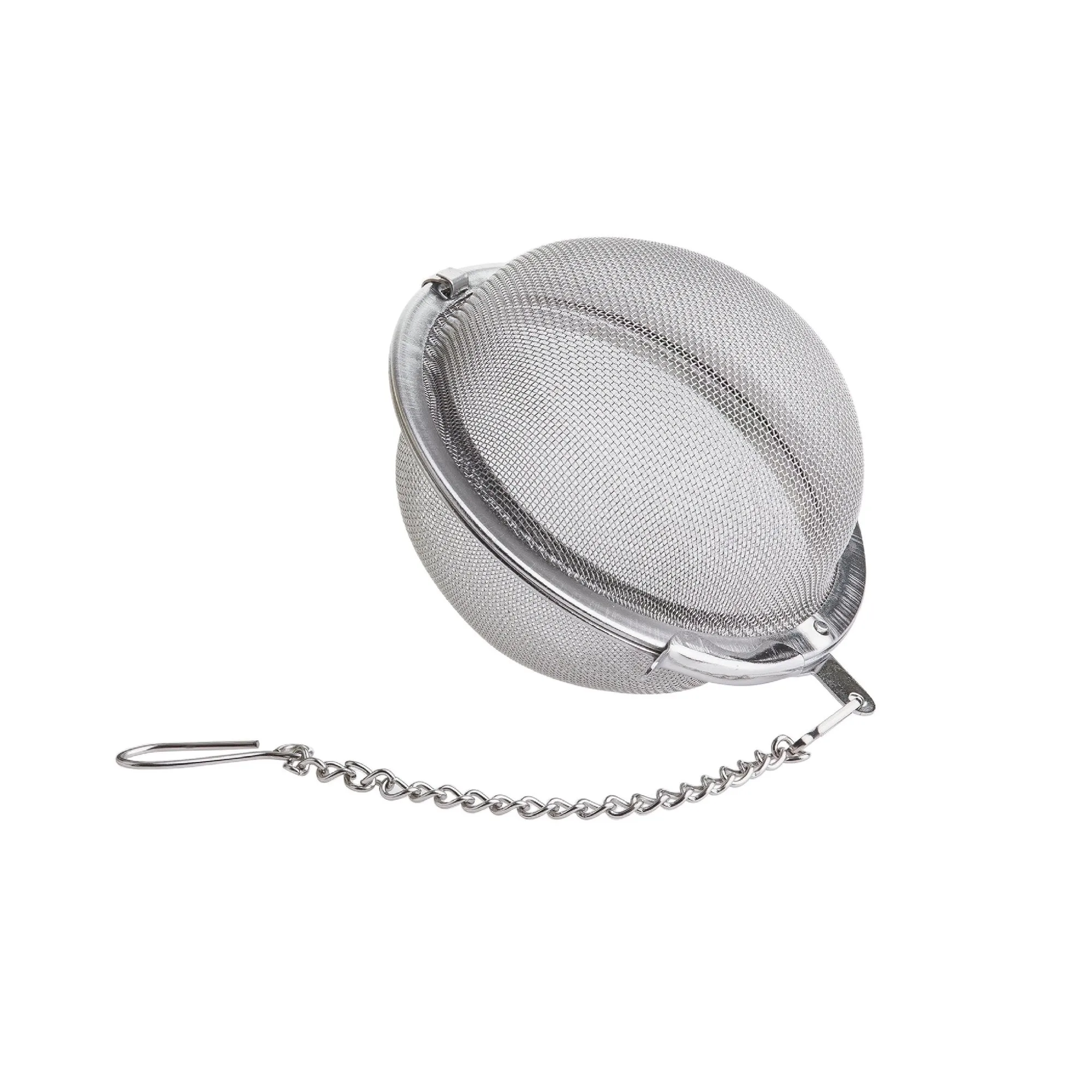
Beyond the teapot and cup, a few simple tools can elevate your tea practice. A quality strainer or infuser basket keeps leaves contained while allowing water to circulate freely. A tea scale helps you measure leaves consistently—a general guideline is one teaspoon per 8-ounce cup, but denser teas like rolled oolongs may require less. A small bamboo whisk is indispensable for matcha, while a simple tea tray or mat adds a touch of ceremony.
For those who enjoy hosting, consider adding a small pitcher or carafe for serving tea at the table. And don’t forget about storage: keep your loose leaf tea in an airtight container away from light, heat, and moisture to preserve freshness. With the right tools and a little practice, brewing loose leaf tea becomes a rewarding daily ritual that connects you to centuries of tradition.
- A fine-mesh strainer or infuser basket prevents stray leaves in your cup.
- A tea scale ensures consistent leaf-to-water ratios for repeatable results.
- Store tea in a cool, dark cabinet—never near the stove or in direct sunlight.
Whether you’re brewing a single cup for a quiet morning or preparing a pot for friends, the art of loose leaf tea rewards patience and intention. By choosing the right teapot, cup, and technique, you unlock flavors that a tea bag can never deliver. Explore our collection of handcrafted pottery—from elegant teapots to cups that feel perfect in your hand—and discover how the right vessel can transform your daily tea ritual into something truly special.