When you walk into a specialty coffee shop or browse an online roaster’s menu, you’ll often see two categories: single-origin coffees and blends. While single-origin beans showcase the unique character of a specific farm or region, blends are the roaster’s canvas—a deliberate combination of beans designed to create a harmonious, complex, and repeatable flavor profile. Coffee blending is both an art and a science, requiring deep knowledge of bean characteristics, roast levels, and consumer preferences.
In this article, we’ll explore why roasters blend coffee, the key principles behind successful blends, and how you can appreciate the artistry in every sip. Whether you’re a home brewer or a café owner, understanding blending will deepen your appreciation for the coffee in your cup.
Why Roasters Create Blends
Blending serves several essential purposes in the coffee industry. First and foremost, consistency. Coffee is an agricultural product, and harvests vary from year to year due to weather, soil conditions, and processing methods. A single-origin coffee might taste different in March than it did in September. By blending beans from multiple origins, roasters can maintain a stable flavor profile that customers recognize and love, season after season.
Second, blending allows roasters to achieve a balance that single origins rarely offer. For example, a bean from Ethiopia might bring bright citrus and floral notes, while a Brazilian bean adds chocolatey body and low acidity. Combined, they create a cup that is both lively and smooth. This is the essence of the roaster’s art—mixing strengths to cover weaknesses and highlight complementary flavors.
- Consistency across harvests and seasons
- Balance of acidity, body, and sweetness
- Cost management—blending expensive and affordable beans
- Creating a signature house profile
The Science Behind Bean Selection
Successful blending starts with understanding each bean’s physical and chemical properties. Roasters consider origin, altitude, processing method (washed, natural, honey), and roast profile. For instance, a washed Colombian coffee offers clean, nutty notes that pair well with the fruity acidity of a natural Ethiopian. The goal is to create a blend where no single component overpowers the others, but each contributes to a unified whole.
Roast level also plays a critical role. In a blend, beans may be roasted separately before mixing—a technique called “post-blending.” This allows the roaster to develop each bean optimally: a delicate washed coffee might be roasted light to preserve acidity, while a robust Indonesian bean is roasted darker for body. The result is a complex, layered cup that evolves from the first sip to the last.
- Post-blending: roasting beans individually for precision
- Pre-blending: mixing green beans before roasting for efficiency
- Common blend components: base (body), mid (balance), highlight (acidity)
Signature Blends and Customer Loyalty
Many roasters build their reputation around a signature blend. This is the coffee that defines their brand—a consistent, approachable flavor that keeps customers coming back. A well-crafted blend can become a daily ritual for coffee lovers, offering reliability without sacrificing complexity. Think of it as the house wine of a restaurant: it should please a wide audience while still reflecting the roaster’s philosophy.
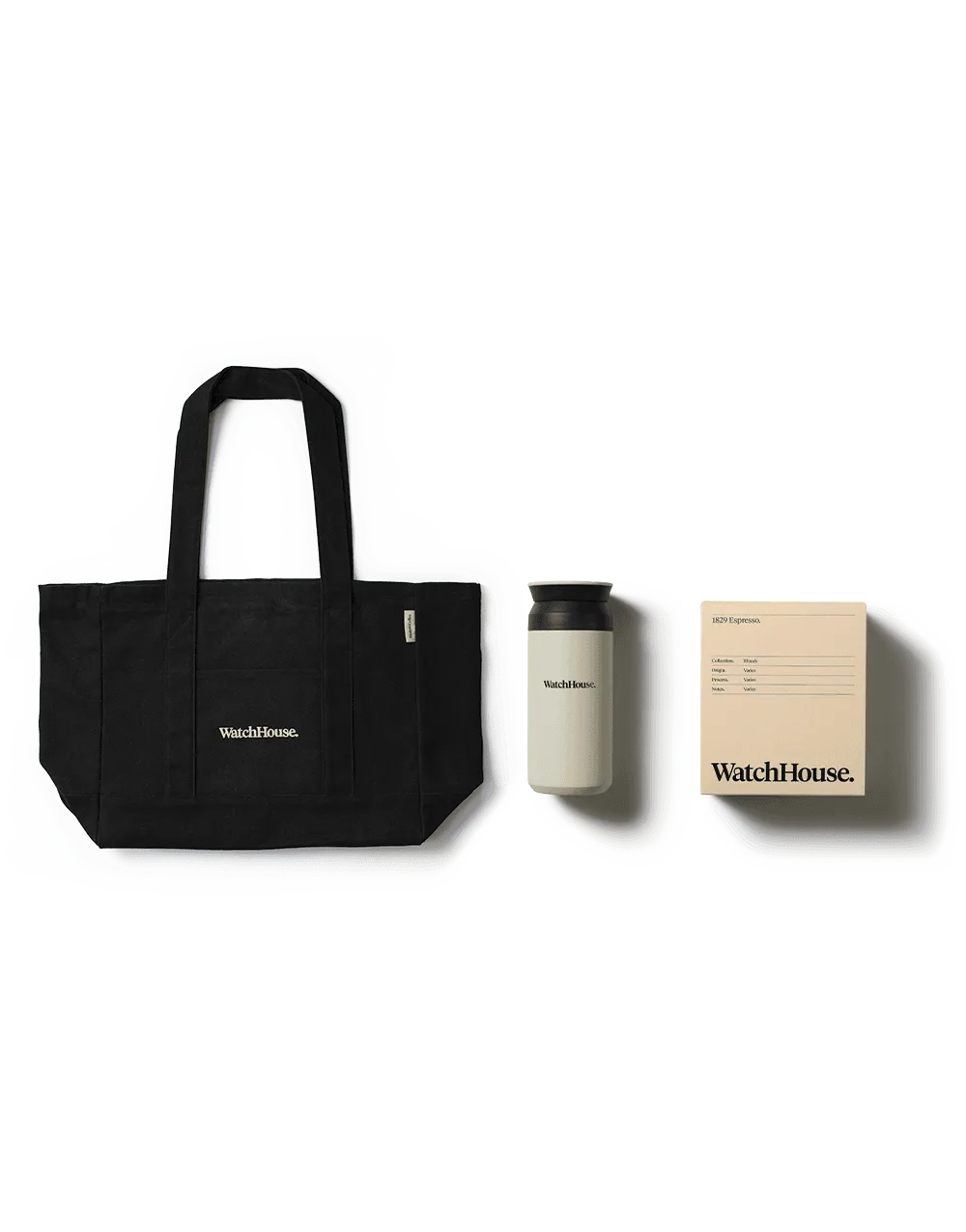
At WatchHouse, the Horizons Subscription embodies this approach. It’s a curated blend designed to deliver a balanced, adventurous cup that changes subtly with the seasons while maintaining a familiar core. Subscribers receive fresh-roasted beans from carefully selected origins, blended to highlight both comfort and exploration. It’s a perfect example of how blending turns coffee into an ongoing journey rather than a static product.
- Signature blends build brand identity
- Seasonal blends keep menus fresh
- Subscriptions offer a curated experience
How to Appreciate a Blend at Home
Brewing a blend at home is a wonderful way to explore the roaster’s craft. Start with a reliable brewing method like a pour-over or French press. Pay attention to the aroma, the mouthfeel, and how the flavor changes as the coffee cools. A good blend will reveal layers: a chocolatey sweetness on the first sip, a hint of fruit midway, and a clean finish.
To get the most out of your blend, use fresh, filtered water and grind your beans just before brewing. Experiment with grind size and water temperature to see how they affect the flavor. If you’re using a pour-over, consider investing in tools like V60 Filter Papers for a clean, sediment-free cup. The paper’s thickness and texture can influence extraction, so choose high-quality filters that complement your brew.
- Use a burr grinder for consistent particle size
- Brew with water between 195–205°F (90–96°C)
- Let the coffee rest 5–7 days after roasting for optimal flavor
The Future of Coffee Blending
As the specialty coffee industry evolves, blending is becoming more transparent and creative. Roasters now share detailed information about the origins and percentages in their blends, allowing consumers to trace each component. This transparency builds trust and educates drinkers about the diversity of coffee. Additionally, blending is being used to address sustainability—by incorporating beans from lesser-known regions, roasters can support diverse farming communities.
Another trend is the rise of espresso blends designed specifically for home machines. These blends are crafted to extract evenly under pressure, producing a rich crema and balanced shot. Whether you’re pulling a shot for a latte or enjoying a straight espresso, a well-designed blend makes the process forgiving and rewarding. The art of blending is alive and well, and it’s only getting more exciting.
- Transparency in blend composition
- Sustainability through diverse sourcing
- Home espresso blends for consistent results
Coffee blending is a testament to the roaster’s skill—a delicate dance of flavors, origins, and roast levels that results in a cup greater than the sum of its parts. Whether you’re a seasoned enthusiast or new to specialty coffee, exploring blends opens up a world of nuance and consistency. To experience the art firsthand, try the Horizons Subscription and let each delivery surprise and delight your palate.