Gongfu tea, or gongfu cha, is a traditional Chinese method of brewing tea that emphasizes skill, patience, and appreciation for the leaves. Unlike Western-style brewing, which uses a large pot and long steeping times, gongfu tea involves multiple short infusions in a small vessel, allowing you to experience the full evolution of flavor from each tea. This step-by-step tutorial will guide you through the essentials, from selecting the right teaware to mastering the pour, so you can enjoy a truly authentic tea ceremony at home.
Whether you are new to loose leaf tea or looking to deepen your practice, gongfu brewing offers a meditative and rewarding experience. In this guide, we will cover the necessary equipment, the ideal water temperature, and the precise steeping times for different tea types. We will also highlight two teas from our collection that are perfect for gongfu brewing: the delicate Four Seasons - Loose Leaf and the robust Yunnan - Loose Leaf.
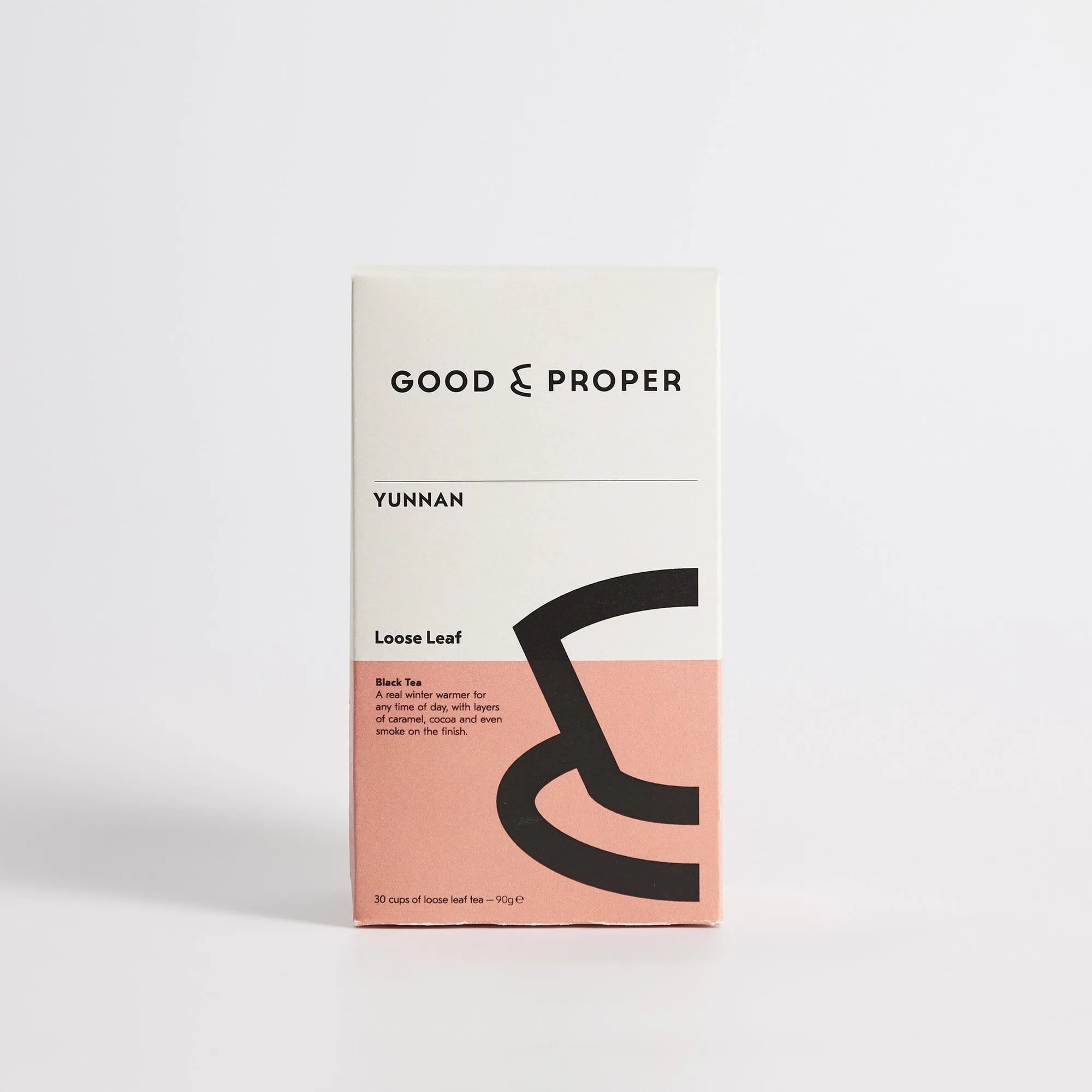
Yunnan - Loose Leaf
What Is Gongfu Tea Brewing?
Gongfu cha (功夫茶) translates to 'making tea with skill.' Originating in the Chaoshan region of China, this method focuses on extracting the maximum flavor and aroma from high-quality loose leaf teas. The key difference from Western brewing is the use of a high leaf-to-water ratio (about 5–6 grams of tea per 100 ml of water) and very short steeping times, often starting at just 10–20 seconds. This technique allows you to enjoy multiple infusions from the same leaves, each revealing new layers of taste.
The ritual itself is as important as the flavor. Gongfu tea encourages mindfulness: you heat the teaware, rinse the leaves, and pour the tea in a slow, deliberate manner. The small cups and gaiwan or Yixing teapot help retain heat and concentrate the aroma. For beginners, it is best to start with a forgiving tea like an oolong or a black tea that can handle repeated infusions without becoming bitter.
- Use a gaiwan (lidded bowl) or a small Yixing teapot for best results.
- Always preheat your teaware with hot water to maintain temperature.
- A tea tray or bowl is helpful to catch spilled water during rinsing.
Essential Teaware for Gongfu Cha
To practice gongfu tea, you will need a few key pieces of equipment. The most common vessel is a gaiwan, a simple bowl with a lid and saucer, which is perfect for brewing any type of tea. Alternatively, a small Yixing clay teapot is traditional for oolongs and pu-erh, as the porous clay absorbs flavor over time. You will also need a fairness pitcher (gongdao bei) to ensure each cup has the same strength, and small tasting cups (pinming bei) to sip from.
Temperature control is critical, especially for delicate teas like green or white teas. A variable-temperature kettle, such as the Felicita Square Temperature-Controlled Kettle, allows you to set the exact temperature for each tea type. For black teas like our Yunnan - Loose Leaf, aim for 90–95°C (194–203°F). For greener oolongs, a slightly lower temperature of 85–90°C (185–194°F) is ideal. Investing in a good kettle will make your gongfu practice more consistent and enjoyable.
- Gaiwan – versatile and easy to clean, great for all tea types.
- Fairness pitcher – ensures even concentration across multiple cups.
- Small tasting cups – enhance aroma and allow quick sipping.
Step-by-Step Gongfu Brewing Process
Step 1: Warm the teaware. Pour boiling water into your gaiwan, fairness pitcher, and cups. Swirl and discard the water. This step ensures the tea stays hot during brewing. Step 2: Measure the tea leaves. For a 100 ml gaiwan, use about 5–6 grams of loose leaf tea. For a beginner, start with Four Seasons - Loose Leaf, a Taiwanese oolong that offers a light, floral profile and is very forgiving with multiple infusions.
Step 3: Rinse the leaves. Pour hot water over the leaves and immediately pour it out. This 'awakens' the leaves and removes any dust. Step 4: First infusion. Pour water at the appropriate temperature (e.g., 90°C for oolong) and steep for 10–15 seconds. Pour the tea into the fairness pitcher, then into your cups. Step 5: Subsequent infusions. Increase the steeping time by 5–10 seconds each round. You can enjoy 5–10 infusions from the same leaves, each with a slightly different character.
Step 6: Enjoy mindfully. Sip slowly, noticing the aroma, taste, and mouthfeel. Gongfu tea is about the journey, not just the destination. For a deeper exploration, try our Yunnan - Loose Leaf, a golden-tipped black tea that evolves from malty and rich to honey-sweet over successive steeps.
- Rinse leaves quickly – do not over-steep during the rinse.
- Use a timer for your first few sessions to stay consistent.
- Experiment with water temperature – slight adjustments can reveal new flavors.
Tea Selection Tips for Gongfu Brewing
Not all teas are equally suited for gongfu brewing. The best candidates are whole-leaf teas that can withstand multiple infusions without losing flavor. Oolongs, pu-erh, and high-quality black teas are classic choices. Our Four Seasons - Loose Leaf is a Taiwanese oolong that produces a creamy, floral liquor that changes beautifully across infusions. Similarly, the Yunnan - Loose Leaf offers a robust, malty base that slowly sweetens as you continue brewing.
Green and white teas can also be brewed gongfu-style, but require lower temperatures (70–80°C) and shorter steeps to avoid bitterness. A white tea like our White Peony - Loose Leaf is a wonderful choice for a gentle, honeyed experience. For a caffeine-free option, try our Lemongrass - Loose Leaf, which infuses quickly and offers a bright, citrusy aroma. Always choose teas that are fresh and well-stored to get the best results from your gongfu practice.
- Oolongs and black teas are the easiest for beginners.
- Avoid broken leaves or dust – they extract too quickly.
- Store your tea in an airtight container away from light and moisture.
Mastering the art of gongfu tea takes practice, but the rewards are immense: a deeper connection to your tea, a meditative ritual, and a spectrum of flavors you never knew existed. Start your gongfu journey today with our Four Seasons - Loose Leaf or Yunnan - Loose Leaf, and discover why this ancient method remains the gold standard for tea connoisseurs.