Quick answer
Measure your wall and furniture first, then choose a print size and frame that fit that space. Match the artwork’s colors and mood to the room, and buy the print only after you know the frame and hanging plan.
Why size comes before style
A print that is too small for a sofa wall looks lost, while an oversized print in a narrow hallway feels cramped. Start with the largest size your wall can comfortably hold, then scale down if the frame or budget requires it.
For a living room, a common rule is to fill about two-thirds to three-quarters of the wall width above a sofa or console. That leaves breathing room on both sides and keeps the art from competing with the furniture.
Matching art prints to decor without overthinking it
Pull one or two colors from the room—such as a rug, cushion, or lamp—and look for a print that repeats or gently contrasts with them. You do not need an exact match; a shared undertone is enough to make the piece feel intentional.
Consider the room’s mood. A quiet bedroom usually suits softer tones and simpler compositions, while a living room can handle a bolder focal print. If you change decor often, choose a neutral frame and let the artwork carry the color.
Framing trade-offs to decide before you buy
Framing adds cost and lead time, so decide whether you will frame immediately or hang the print temporarily. A standard-size print is easier to frame later because off-the-shelf frames are more widely available in common dimensions.
If you plan to move the print between rooms, a simple frame in black, white, or natural wood travels better than a highly decorative one. For a formal living room, a wider mat can make a smaller print feel more substantial without buying a larger size.
Decision rules for choosing an art print poster
- Measure the wall and furniture first: Mark the intended width and height with painter’s tape. Choose the largest listed print size that fits inside the tape with at least 5–10 cm of breathing room on each side. If the tape outline looks crowded, size down before you consider a different print.
- Pick a size for the room’s main viewing distance: For a living room viewed from a sofa, aim for a print that fills roughly two-thirds of the wall width above the furniture. For a hallway or small office, a single 11" x 14" or 16" x 20" print is usually enough. A print that matches the viewing distance feels intentional; one that is too small reads as an afterthought.
- Match color and mood, not exact furniture: Choose a print that repeats one or two colors from the room or contrasts gently with them. Keep the frame neutral if you want to move the piece between rooms later. If you cannot decide, a neutral frame and a print with one shared color is the safer choice.
- Plan the frame before checkout: Confirm whether you will frame immediately or hang the print temporarily. Standard sizes are easier to frame later; a mat can make a smaller print feel larger in a formal room. Budget for the frame as part of the purchase, not as an afterthought.
Product facts
-
The Self Portrait Art Print: Printed on 180g matte photo paper with a coated surface and water-based inks; available in 11" x 14", 16" x 20", and 24" x 36" sizes; frame not included. The matte finish reduces glare, and the listed sizes let you plan a frame and wall layout before ordering.
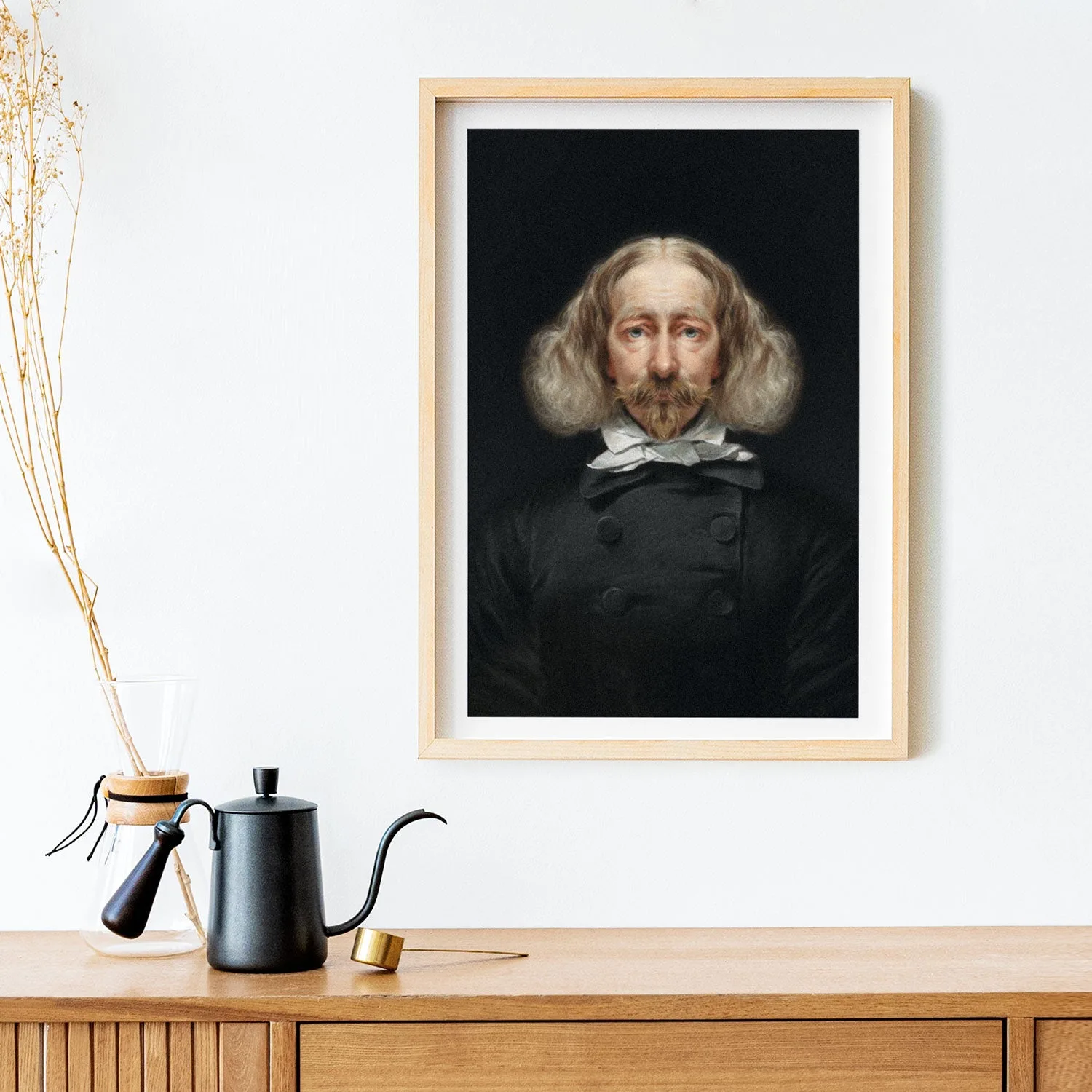
The Self Portrait Art Print
Who this guide is for
Best for
- First-time buyers choosing a single art print for a living room or hallway
- Anyone who wants a practical size and framing plan before ordering
Not for
- Collectors seeking limited-edition or signed prints
- Buyers who need a frame included in the purchase