Reaching for a hot pot handle or pulling a baking dish from the oven demands a reliable barrier between heat and skin. Two popular materials dominate the market: thick artisan felt potholders and flexible silicone potholders. Each has loyal fans, but which one actually keeps you safer in the kitchen?
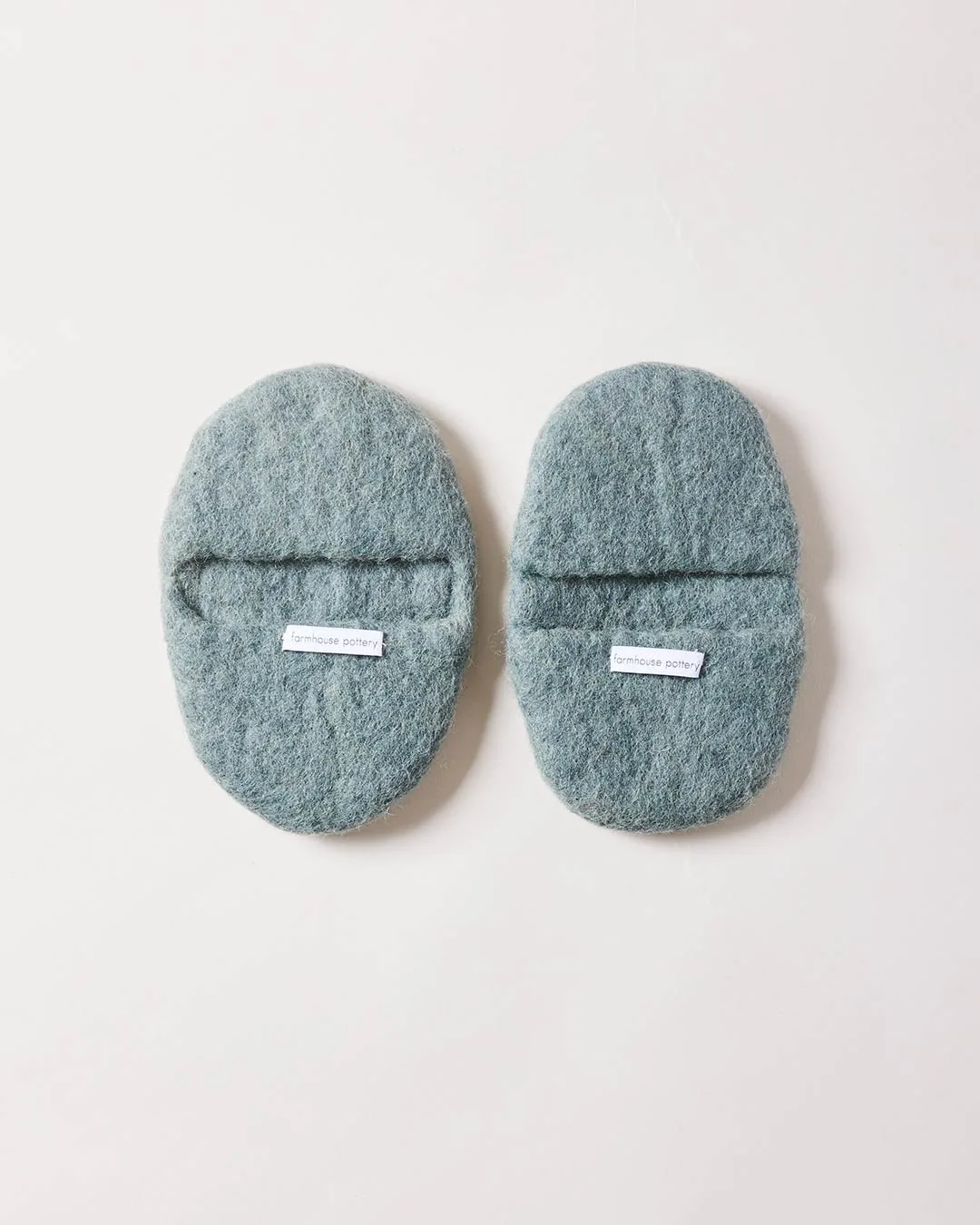
artisan felt potholders
In this potholder comparison, we'll break down heat resistance, grip, durability, and real-world handling. Whether you're a home cook or a serious baker, understanding the tradeoffs will help you choose the right heat resistant potholders for your kitchen routine.
Heat Resistance: How Each Material Handles High Temperatures
Silicone potholders are often rated to withstand temperatures up to 450°F or even 500°F, making them technically suitable for most oven tasks. However, the way they transfer heat matters. Thin silicone pads can let intense heat seep through quickly, especially when gripping a heavy cast-iron skillet. Thicker silicone versions improve insulation but can become uncomfortably hot to hold for more than a few seconds.
Artisan felt potholders, like those made from compressed wool felt, offer a different kind of protection. Wool is naturally flame-resistant and traps air within its fibers, creating a thick insulating layer. A well-made felt potholder can handle temperatures well above 400°F without transferring heat to your hand. The tradeoff is that felt can scorch if pressed directly against a red-hot surface, though this is rare in normal use.
- For brief contact with hot pans (under 10 seconds), both materials work. For sustained holding of heavy, hot cookware, thicker felt provides more comfortable insulation.
Grip and Handling: Which Stays Put When You Need It Most?
Silicone potholders excel in grip. The rubbery texture clings to smooth glass, ceramic, and metal surfaces, reducing the chance of a pot slipping. This is especially useful when moving a full Dutch oven or a slippery roasting pan. The downside is that silicone can feel too grippy on certain handles, making it hard to adjust your hold quickly.
Felt potholders offer a softer, more forgiving grip. They don't stick to surfaces, so you can reposition your hands easily. The natural texture of wool felt also provides decent friction against most cookware handles. However, if your hands are greasy or wet, felt can become slick. For this reason, many cooks prefer felt for dry tasks like pulling out hot baking sheets and silicone for wet or oily jobs.
- Keep a pair of Artisan Felt Potholders near the oven for dry, hot jobs, and a silicone backup for tasks involving oil or water.
Durability and Long-Term Safety
Silicone potholders are nearly indestructible in normal use. They resist stains, don't absorb liquids, and can be tossed in the dishwasher. Over time, though, silicone can degrade with repeated exposure to high heat, becoming brittle or sticky. Cheap silicone may also contain fillers that affect heat resistance, so quality matters.
Artisan felt potholders wear differently. Wool felt is naturally durable and can last for years if kept dry. It won't melt or become brittle, but it can accumulate grease and food particles if not cared for. Occasional spot cleaning or gentle hand washing keeps them fresh. Felt also won't scratch delicate surfaces like ceramic bakeware or enameled cast iron, which is a real advantage over silicone's abrasive edge.
- Check the label: 100% wool felt offers the best heat resistance and longevity. Blended felt may perform less reliably.
Which One Should You Choose?
There's no single winner in the felt potholders vs silicone debate because safety depends on your cooking style. If you regularly handle heavy, wet, or greasy pots, silicone's superior grip and easy cleanup make it a smart choice. For bakers who pull out hot stoneware or ceramic dishes, artisan felt potholders provide better insulation and won't scratch your prized bakeware.
Many well-stocked kitchens keep both. A pair of Artisan Felt Potholders handles the dry, high-heat jobs, while a silicone backup covers slippery situations. If you only want one set, consider what you cook most. For everyday roasting, sautéing, and baking, thick felt potholders offer a safer, more comfortable grip for the majority of tasks.
- Test your potholders by holding a hot pan for 10 seconds. If you feel heat through the material, it's time to upgrade to thicker felt or higher-quality silicone.
Both artisan felt potholders and silicone potholders have their place in a safe kitchen. Felt wins on insulation and surface protection, while silicone leads in grip and cleanability. By matching the material to the task, you can protect your hands and your cookware without compromise.