Artisan felt trivets, like the Artisan Felt Pom Pom Trivet - Natural & Moss, add warmth and texture to your table while protecting surfaces from hot dishes. But because felt is a natural material, it needs a little extra attention to stay looking its best. Heat and moisture are the two main things that can cause wear, so knowing how to handle both will keep your trivet functional and beautiful for years.
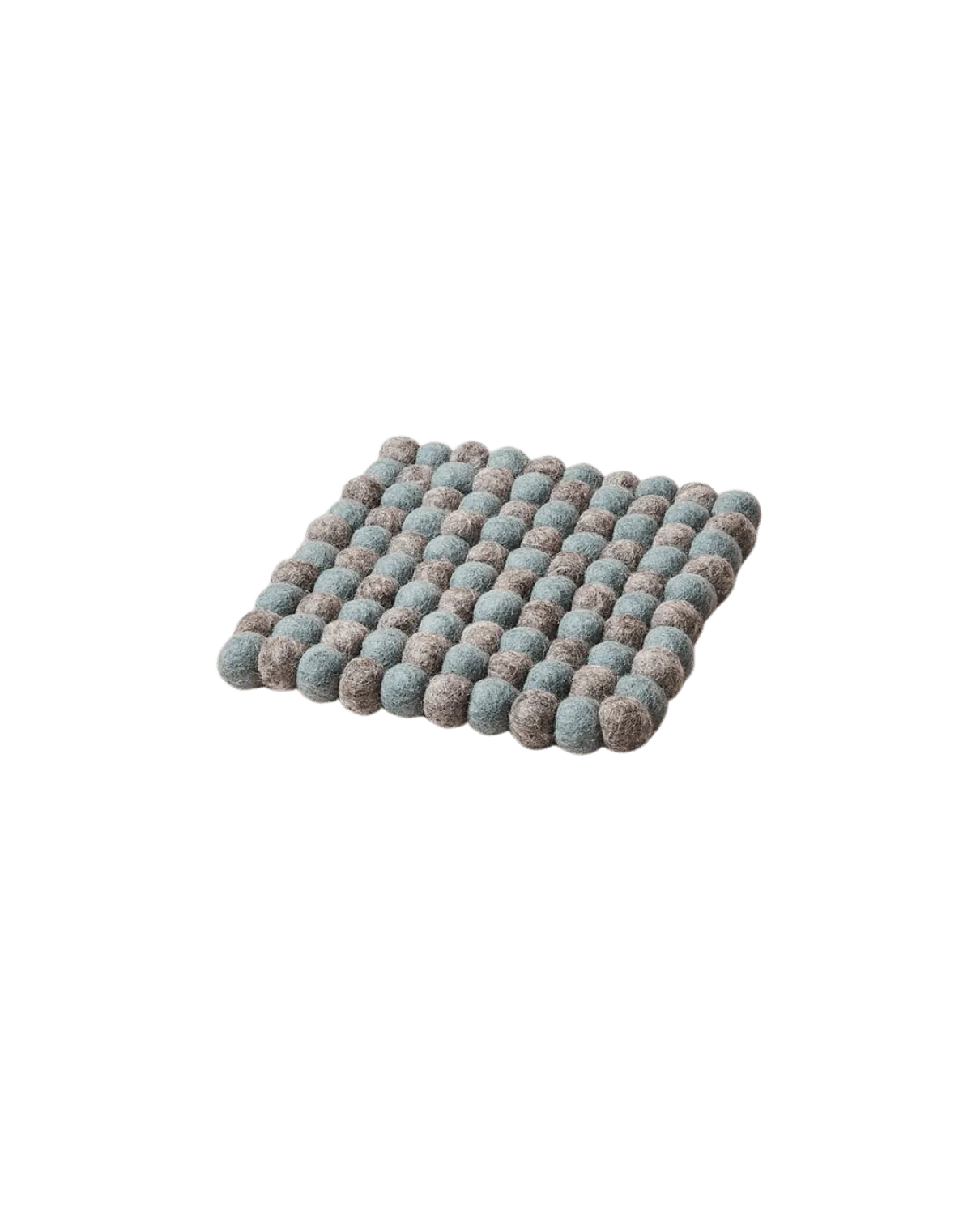
Artisan Felt Pom Pom Trivet
Whether you use your trivet daily or only for special meals, a few simple habits can prevent scorch marks, water rings, and flattening of the fibers. Here’s a straightforward guide to felt trivet care that covers heat protection, moisture damage prevention, and easy cleaning steps.
Understanding Heat Limits of Felt Trivets
Felt is a dense, heat-resistant material, but it’s not indestructible. Most artisan felt trivets can handle the heat from a hot casserole dish or a teapot without issue. However, direct contact with extremely high heat sources—like a stovetop burner or a broiler pan straight from the oven—can cause scorching or even melting if the felt is blended with synthetic fibers. Always check the product details for your specific trivet, but as a rule, keep it away from open flames and surfaces above 250°F (120°C).
For everyday use, place your trivet on a dry, stable surface before setting down hot cookware. Avoid sliding pots or pans across the felt, as friction can generate extra heat and wear down the fibers. If you’re serving a multi-course meal, consider rotating the trivet’s position occasionally so the same spot isn’t repeatedly exposed to the hottest dishes.
- Always let pans cool for a minute before placing them on felt to reduce heat stress.
Preventing Moisture Damage
Moisture is the biggest enemy of felt trivets. Spills, condensation from cold drinks, or steam from hot pots can seep into the fibers and cause staining, warping, or even mildew. To protect your trivet, always wipe up spills immediately with a clean, dry cloth. If a liquid does soak in, blot—don’t rub—to lift as much moisture as possible without pushing it deeper.
For extra protection, avoid using your felt trivet as a coaster for cold glasses or sweaty bottles. Instead, pair it with a separate coaster or a small plate. The Artisan Felt Pom Pom Trivet - Natural & Moss is especially prone to showing water marks because of its light natural color, so keeping it dry is key. If your trivet does get damp, let it air dry completely away from direct sunlight or heat sources before storing.
- Never put a wet trivet in a drawer or stack it with other textiles—it needs airflow to dry evenly.
Cleaning Your Felt Trivet
For routine maintenance, a gentle shake or a light vacuum with a brush attachment removes dust and crumbs. For spots or light stains, use a barely damp cloth with a drop of mild soap and dab the area gently. Avoid soaking the felt—too much water can cause shrinkage or loss of shape. After spot cleaning, blot with a dry towel and let the trivet air dry flat.
Deep cleaning is rarely needed, but if your trivet picks up a stubborn stain from oil or sauce, try sprinkling a little cornstarch or baking soda on the spot. Let it sit for 15 minutes to absorb the grease, then brush it off. For the Artisan Felt Pom Pom Trivet - Natural & Moss, the pom poms may collect lint or crumbs; a quick pass with a lint roller keeps them tidy without damaging the felt.
- Never machine wash or dry a felt trivet—the agitation and heat will ruin the fibers and shape.
Storing and Extending the Life of Your Trivet
When not in use, store your felt trivet flat or rolled loosely in a dry, cool place. Avoid folding it, as creases can become permanent over time. If you have multiple trivets, separate them with a sheet of acid-free tissue paper to prevent color transfer or fiber matting. Felt is naturally durable, but it can attract dust and moths if left in a damp basement or attic, so keep it in a well-ventilated area.
Rotating between a couple of trivets—like alternating the Artisan Felt Pom Pom Trivet - Natural & Moss with a simpler felt mat—reduces wear on any single piece. With proper felt trivet care, your artisan piece will continue to protect your table and add a cozy, handmade touch to your dining setup for many seasons.
- If your trivet loses its shape, a gentle steam from a handheld steamer (held 6 inches away) can help relax the fibers.
Caring for an artisan felt trivet doesn’t have to be complicated. By managing heat exposure, blotting spills quickly, and cleaning gently, you’ll keep your trivet looking fresh and performing well. A little routine attention goes a long way toward preserving the texture and color that make felt such a special tabletop accessory.