Quick answer
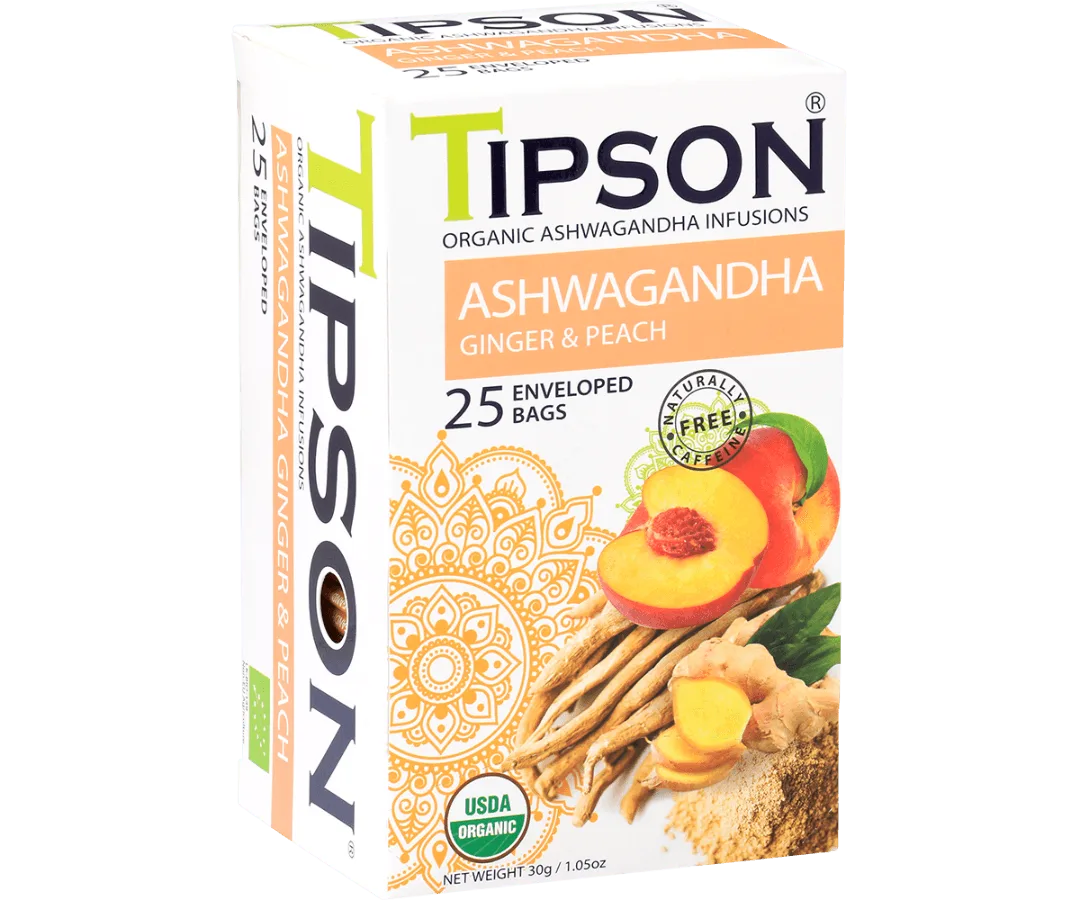
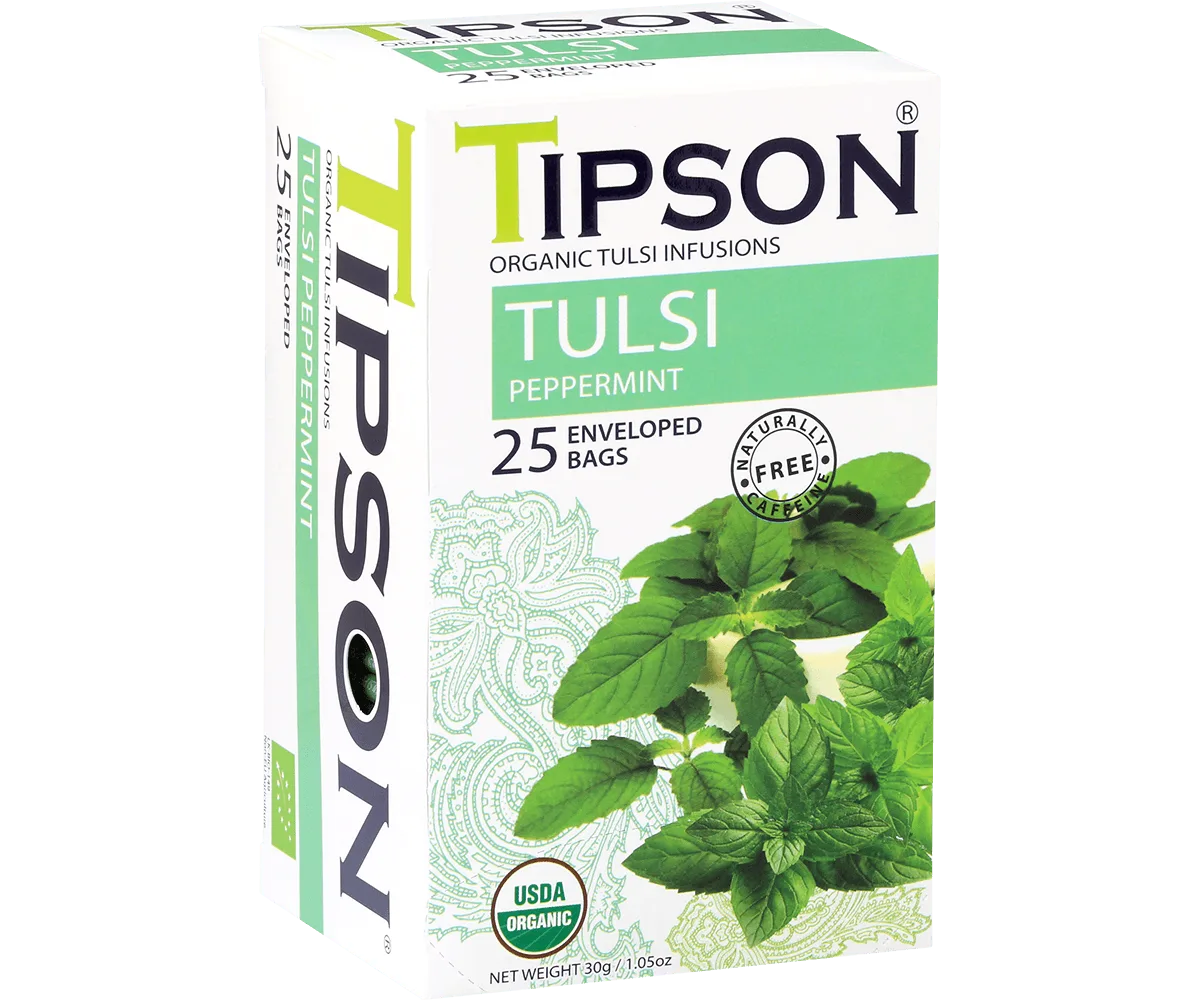
Choose ashwagandha tea if you want a caffeine-free adaptogenic blend with a gentle, earthy base and a hint of fruit, like Tipson’s Organic Ashwagandha With Ginger & Peach. Choose tulsi tea if you prefer a lighter, minty-herbal cup that feels refreshing and calming, such as Tipson’s Organic Tulsi With Peppermint. Both are caffeine-free and support relaxation, but they differ in flavor and herbal focus.
Flavor and aroma: what each cup actually tastes like
Ashwagandha tea typically has an earthy, slightly bitter base that can be softened by blending with ginger and peach. Tipson’s Organic Ashwagandha With Ginger & Peach balances that rooty character with warm ginger and a fruity note. Tulsi tea, especially when paired with peppermint, tastes brighter and more herbaceous—think sweet basil meets mint, with a cooling finish. If you dislike earthy flavors, tulsi peppermint is usually the easier sip.
Adaptogenic vs. nervine: how the herbs work differently
Ashwagandha is classified as an adaptogen, meaning it may help the body manage stress and restore balance over time. Tulsi is often called a nervine or anti-stress herb, traditionally used to calm frayed nerves and support mental clarity. Neither is a sedative, but tulsi’s effect is often felt more immediately as a soothing ritual, while ashwagandha’s benefits are cumulative with regular use. For beginners, tulsi is a gentler introduction to calming herbal teas.
Caffeine-free and gluten-free: what the labels confirm
Both Tipson blends are caffeine-free and gluten-free, making them suitable for evening routines or anyone avoiding stimulants. The ashwagandha blend contains zero additives according to the catalog description, and the tulsi blend is similarly pure. If you need a tea that won’t interfere with sleep, either works, but tulsi’s lighter body may be preferable right before bed.
Ginger and peach vs. peppermint: flavor pairings that change the experience
Tipson’s Organic Ashwagandha With Ginger & Peach combines the adaptogen with warming ginger and sweet peach, creating a rounded, comforting cup. In contrast, Organic Tulsi With Peppermint goes for a cooling, refreshing profile. Your choice may come down to whether you want a cozy, slightly sweet tea or a crisp, minty one. Both are organic and come in enveloped tea bags for convenience.
Trade-offs to weigh
- Flavor intensity: Ashwagandha blends can taste earthy; tulsi peppermint is lighter and minty. If you prefer mild, refreshing teas, tulsi is the safer bet.
- Time to effect: Tulsi may feel calming sooner; ashwagandha works gradually with consistent use. For occasional stress, tulsi; for ongoing balance, ashwagandha.
- Ritual fit: Ashwagandha ginger peach feels cozy and grounding; tulsi peppermint is crisp and uplifting. Match the tea to your mood or time of day.
Product facts
- Organic Ashwagandha With Ginger & Peach - 25 Enveloped Tea Bags: Caffeine-free, gluten-free, zero additives, organic adaptogenic ingredients. Safe for evening use and suitable for gluten-sensitive drinkers; no unwanted extras.
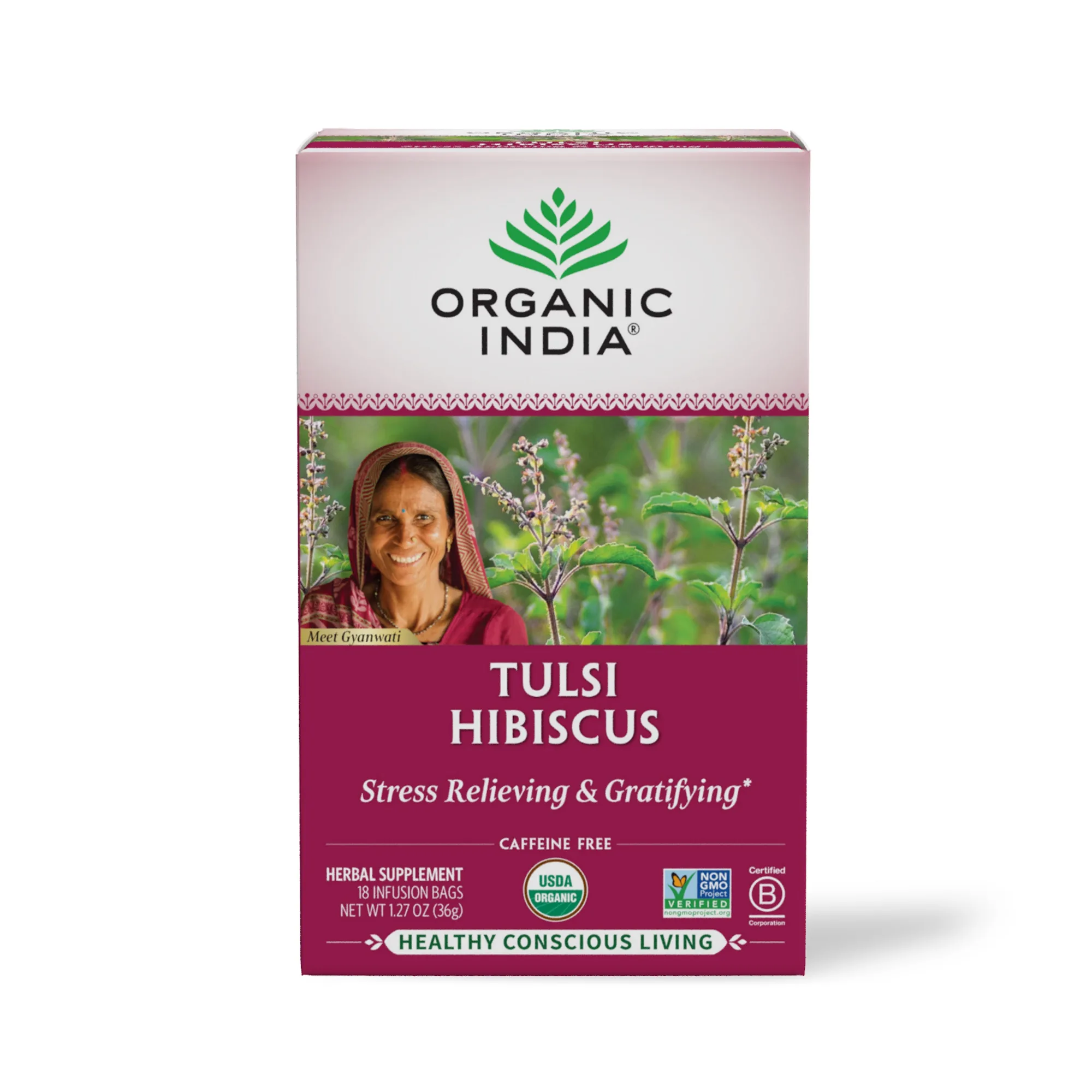
- Organic Tulsi With Peppermint - 25 Enveloped Tea Bags: Tulsi known as 'Queen of Herbs' and 'Holy Basil'; natural anti-stress remedy. Traditionally used for calming nerves, making it a go-to for immediate stress relief.
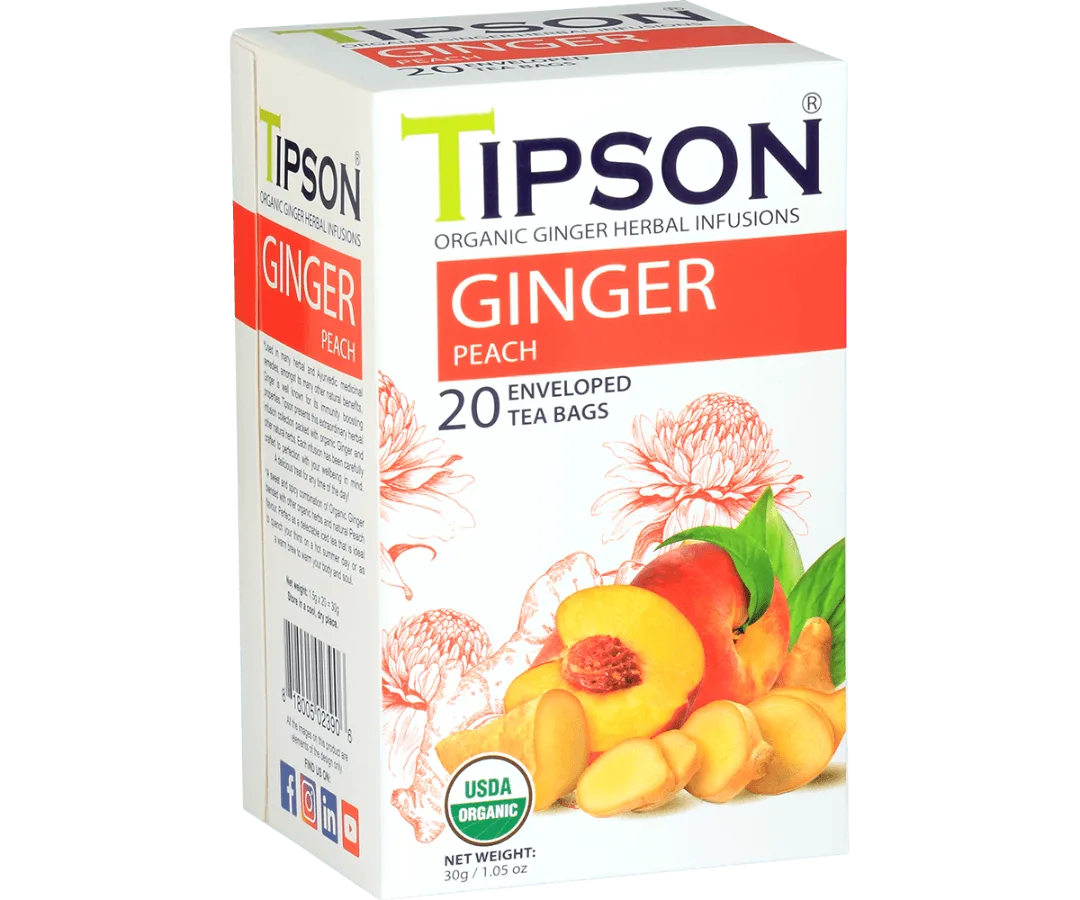
- Organic Ginger - Ginger Peach - 20 Enveloped Tea Bags: Organic Ginger - Ginger Peach blend with immunity-boosting properties. Adds a warming, spicy-sweet option if you want ginger’s benefits without ashwagandha.
Which calming blend is right for you?
Best for
- Those seeking a caffeine-free adaptogen tea for daily stress support
- Evening routines where a grounding, slightly sweet cup is desired
- Beginners who want a gentle introduction to ashwagandha
Not for
- People who dislike earthy or root-based flavors
- Those wanting an immediate, minty-fresh sensation
- Anyone looking for a strong fruity tea without herbal notes