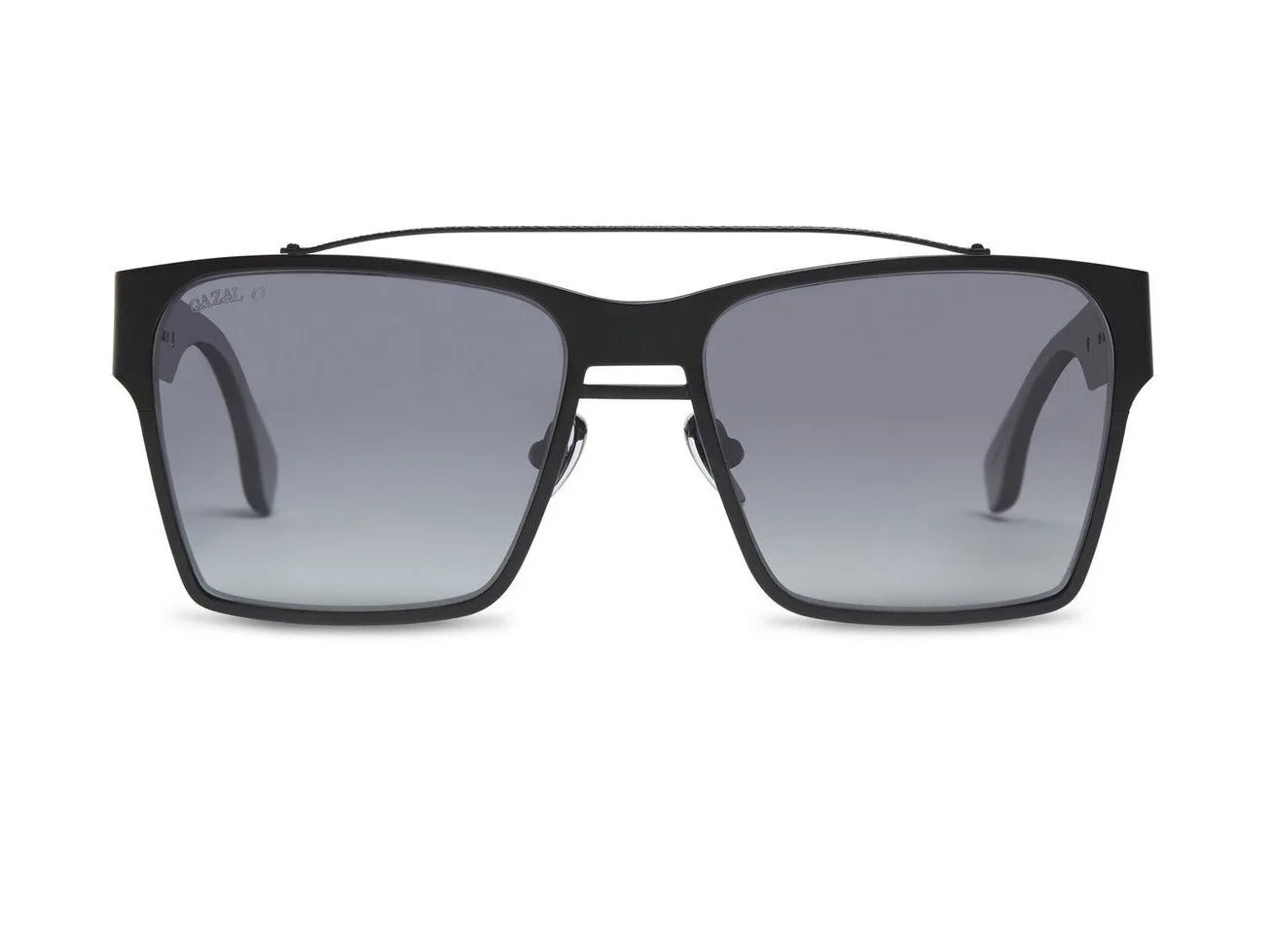
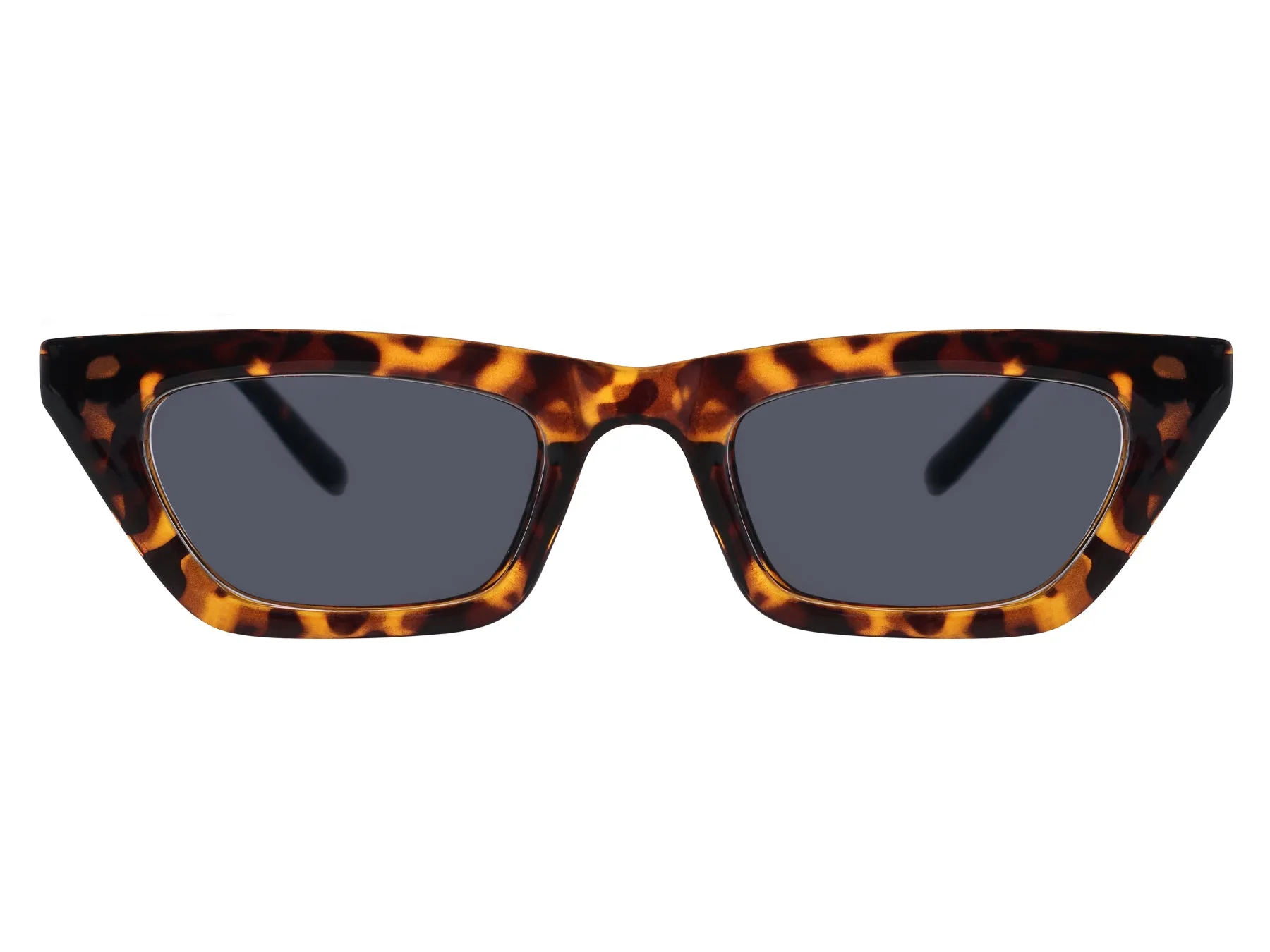
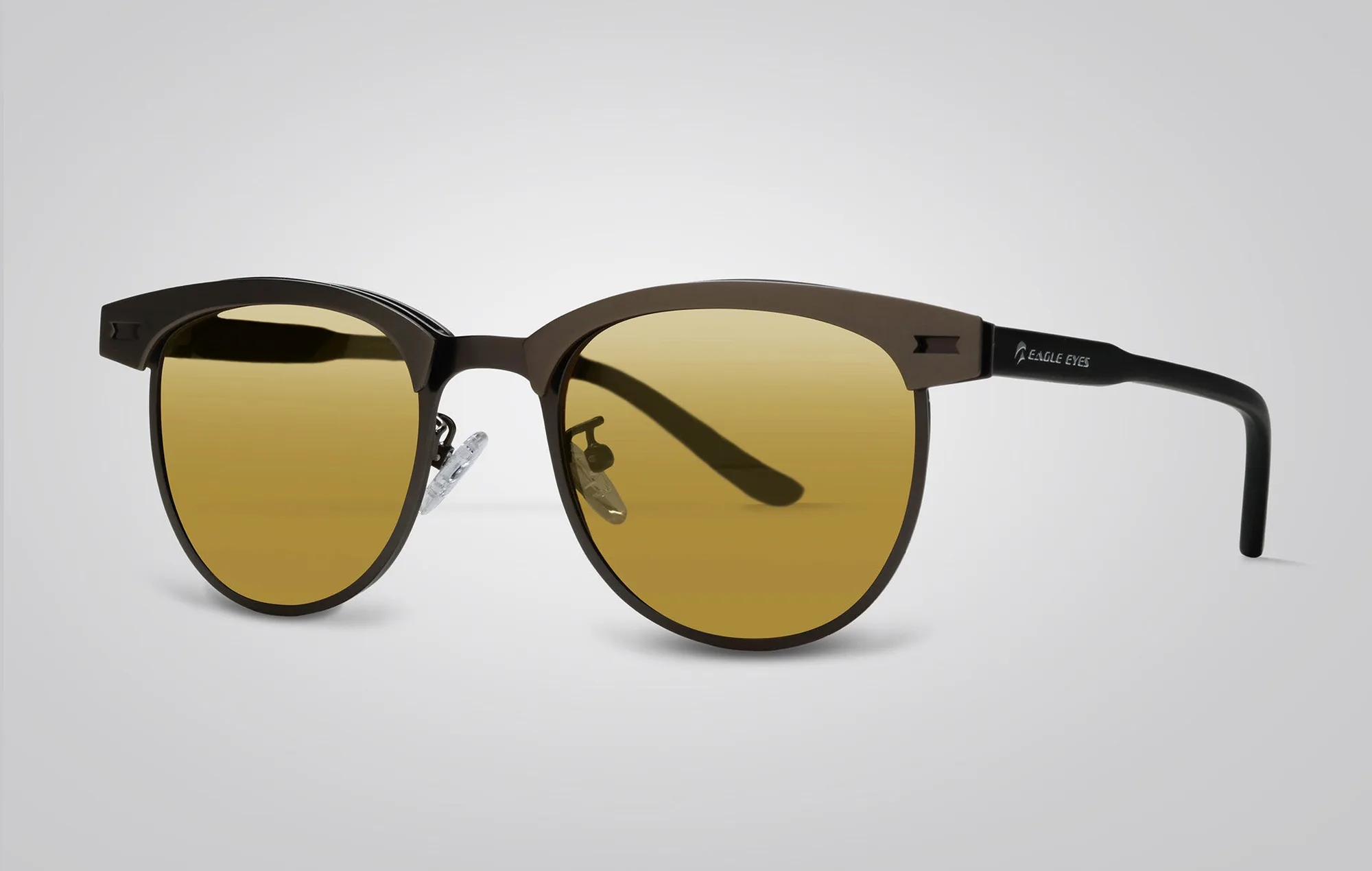
Two Asian Fit Frames, Two Different Approaches
Choosing Asian fit sunglasses comes down to more than a label. The 'Onipa'a Asian Fit and the Hiapo Asian Fit both target faces that need a higher bridge or a more secure nose fit, but they do it with different frame shapes, lens materials, and proportions. Here is how the supplied specifications line up so you can decide which one matches your face and your daily use.
Both frames are listed as Large face size, so the real difference lies in the numbers and the lens technology rather than a broad size category.
'Onipa'a vs Hiapo: Frame Measurements Side by Side
These measurements are the clearest guide to how each frame will sit. Eye size, bridge, and vertical size affect coverage and comfort, while temple length affects how the arms reach your ears.
- Eye Size (A): 'Onipa'a: 61.0mm; Hiapo: 56.0mm. The 'Onipa'a has wider lenses, which generally means more horizontal coverage.
- Bridge Size (DBL): 'Onipa'a: 15mm; Hiapo: 16mm. The Hiapo leaves slightly more space at the bridge, while the 'Onipa'a sits a little closer.
- Vertical Size (B): 'Onipa'a: 48.0mm; Hiapo: 38.0mm. The 'Onipa'a offers noticeably deeper lens coverage; the Hiapo is a shallower, more rectangular shape.
- Temple Length: 'Onipa'a: 140mm; Hiapo: 145mm. The Hiapo's longer temples may suit a larger head or a preference for arms that extend further.
- Base Curve: 'Onipa'a: 6; Hiapo: 4. A higher base curve wraps more around the face, while a lower curve is flatter.
Lens and Frame Details That Affect Daily Wear
-
‘Onipa‘a Asian Fit: Polarized SuperThin Glass lenses with PolarizedPlus2 technology; frame has rubber nose pads and rubber temples with a signature slash and wavy pattern. Glass lenses and rubber contact points can influence weight and grip, which matters if you wear sunglasses for long stretches outdoors.
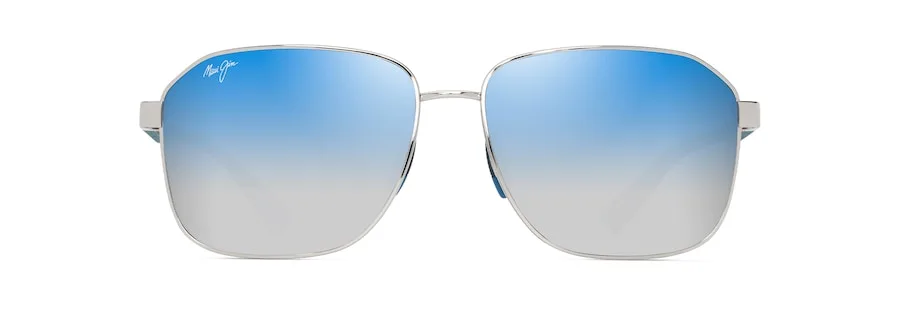
‘Onipa‘a Asian Fit
-
Hiapo Asian Fit: MauiPure lenses with PolarizedPlus2 technology; bridge has a built-up nose pad area for the comfort of Asian demographics. The built-up nose pad area is a direct fit feature for lower bridges, and MauiPure is a different lens material from the 'Onipa'a's glass.
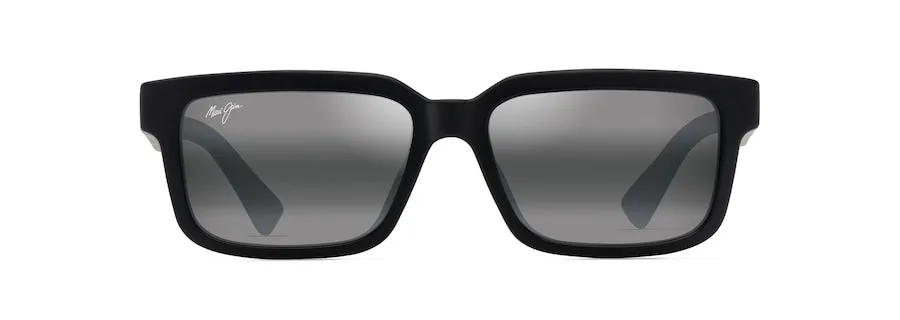
Hiapo Asian Fit
Which Frame Shape Suits Your Face
The 'Onipa'a is described as an easy-to-wear construction with a modern appeal, and its 61.0mm eye size and 48.0mm vertical size give it a larger, deeper profile. That can work well if you want generous coverage and a frame that reads as substantial on a large face.
The Hiapo is decisively rectangular and contemporary, with a 56.0mm eye size and 38.0mm vertical size. Its shallower lens shape may suit you better if you prefer a more streamlined look or if very deep lenses tend to press against your cheeks. The built-up nose pad area is the key Asian fit feature called out in the supplied details.
Color Options Available
Both frames offer several colorways, but the palettes differ. Choose based on the look you want rather than fit, since color does not change the measurements.
- 'Onipa'a Asian Fit: Shiny Silver with Dark Blue; Shiny Gold with Green; Matte Gunmetal with Black.
- Hiapo Asian Fit: Matte Black; Matte White; Matte Dark Havana; Matte Burgundy.
What the Supplied Information Does Not Confirm
The catalog records do not include frame weight, lens width at the bridge, or specific guidance on which face shapes each frame flatters. They also do not list care instructions or compatibility with prescription lenses. If any of those details are essential to your decision, treat them as open questions rather than assuming a feature is present or absent.
For fit, the measurements above are the most reliable evidence available. Use them to compare against a pair of sunglasses you already own and find comfortable.
A Practical Way to Decide
If you want a larger, deeper lens with a wrapped base curve and glass optics, the 'Onipa'a Asian Fit is the closer match. If you prefer a rectangular shape, a built-up nose pad area, and a slightly longer temple, the Hiapo Asian Fit makes more sense. Both are listed as Large face size, so the deciding factors are the eye size, vertical depth, and lens material rather than an overall size label.