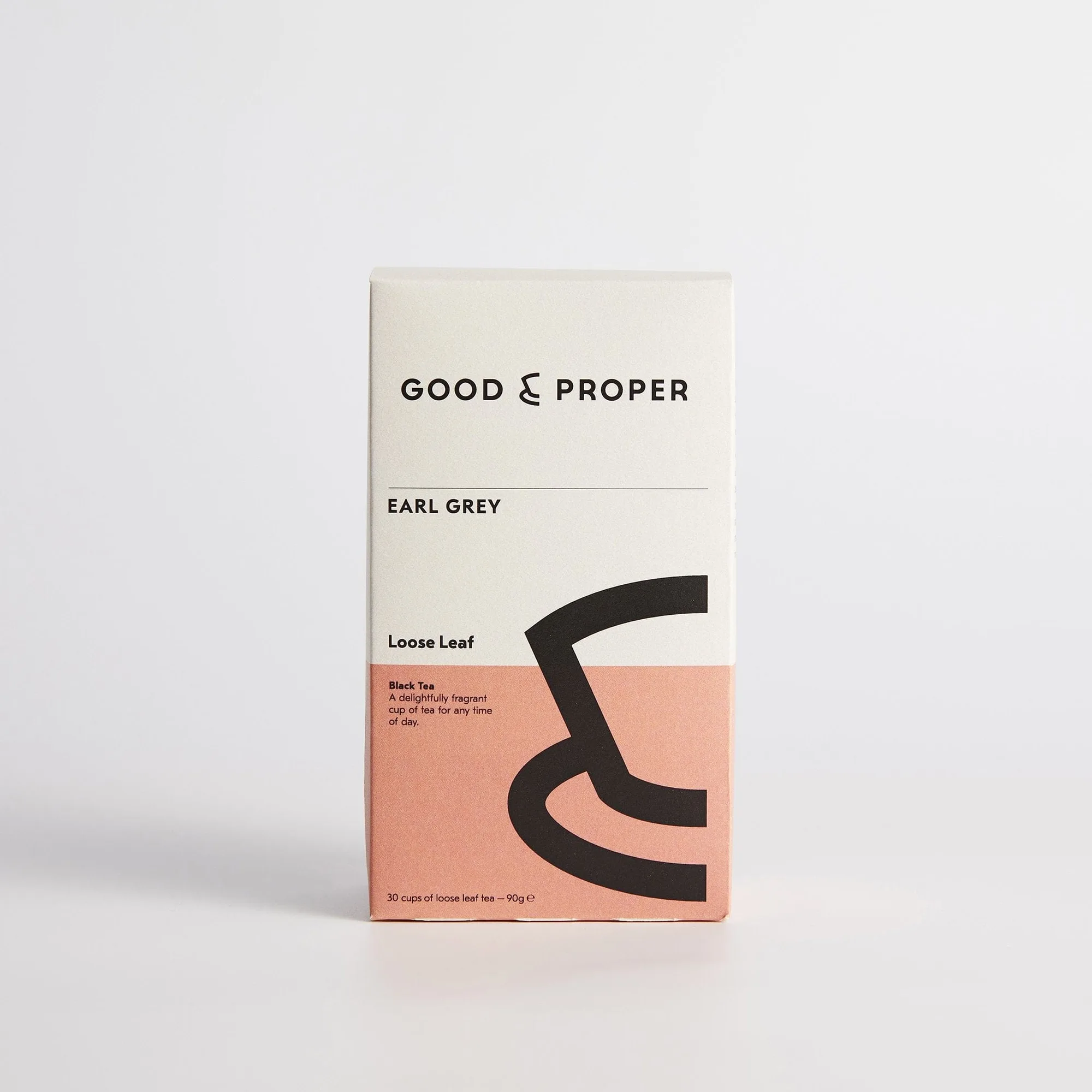
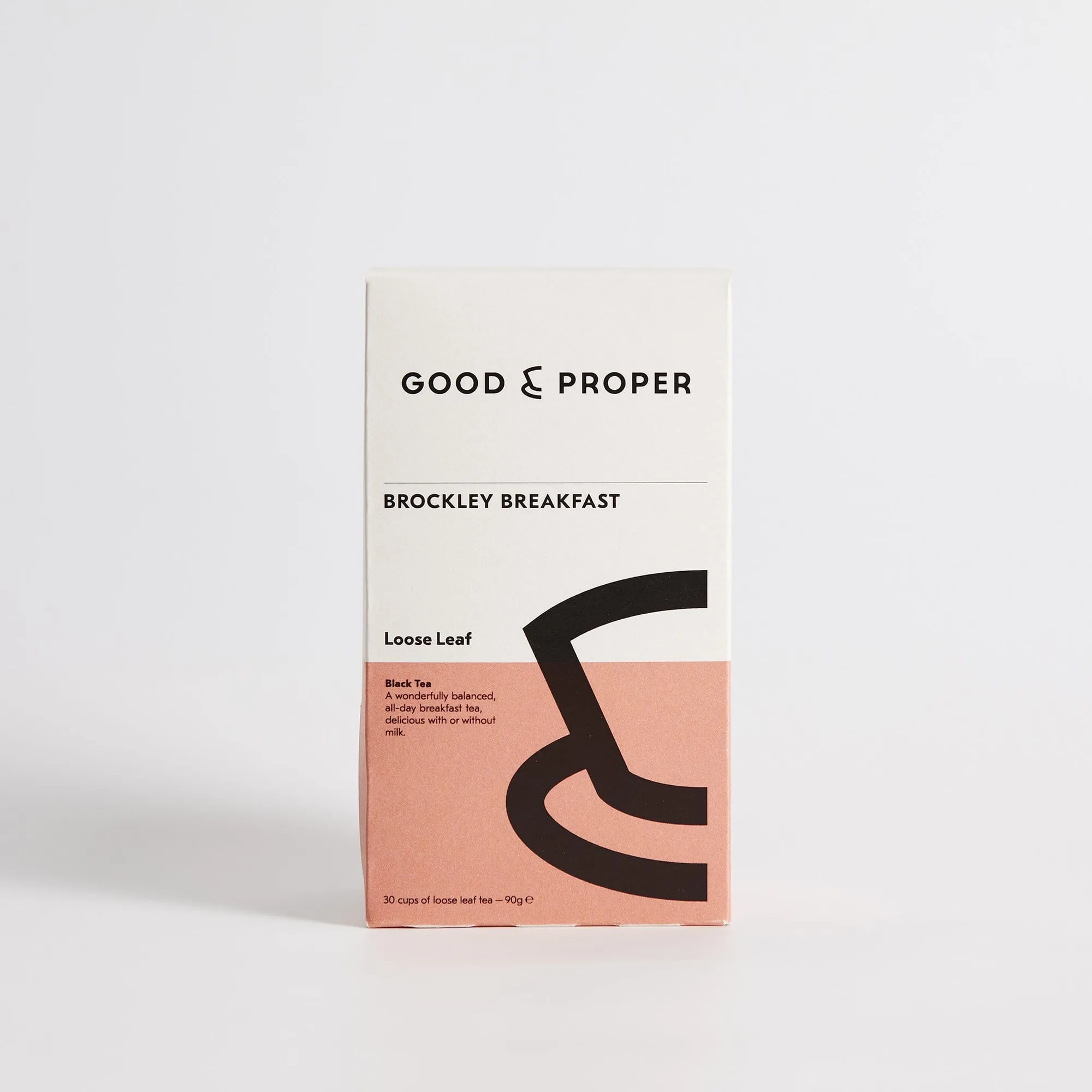
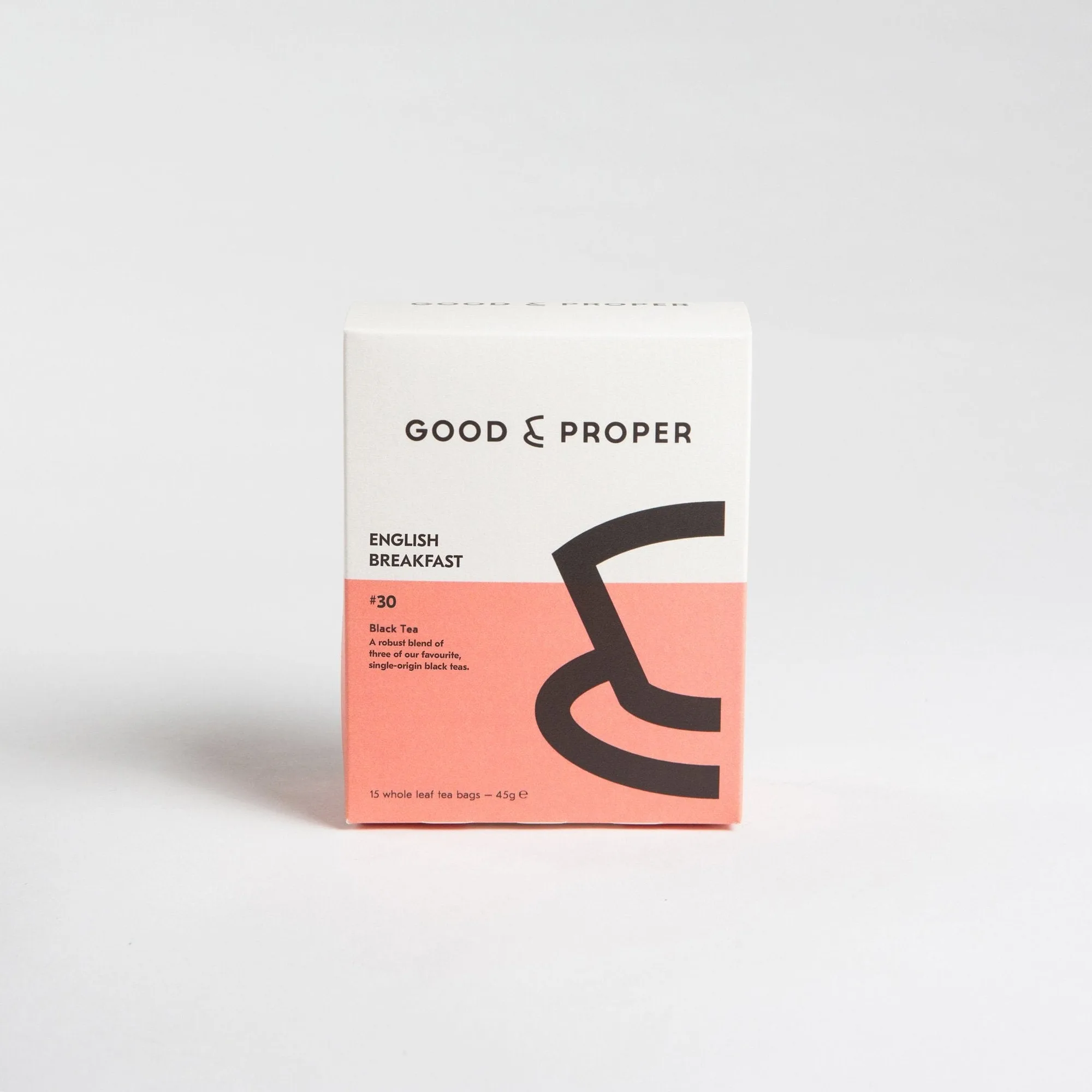
If you're a fan of strong, full-bodied black teas, Assam tea is likely already on your radar. Grown in the lush, low-lying region of Assam in northeastern India, this tea is famous for its rich, malty flavor and deep amber color. It's the backbone of many classic breakfast blends and a favorite among those who crave a bold, invigorating cup.
In this deep dive, we'll explore what makes Assam tea so special—from its unique growing conditions and harvesting methods to its flavor profile and health benefits. Whether you're a seasoned tea drinker or just starting your loose leaf journey, understanding Assam tea will elevate your appreciation for one of the world's most beloved black teas.
What Is Assam Tea? A Brief Origin Story
Assam tea comes from the Camellia sinensis var. assamica plant, a variety native to the Assam region. Unlike the smaller-leafed Chinese tea plant (Camellia sinensis sinensis), the Assamica plant thrives in the tropical climate of the Brahmaputra Valley, where heavy rainfall, rich alluvial soil, and warm temperatures create ideal conditions for growth. The result is a tea with larger, darker leaves and a naturally bolder flavor.
The tea industry in Assam took off in the 19th century under British colonial rule, and today the region produces about half of India's tea. Most Assam tea is harvested in two main flushes: the 'first flush' (spring) yields a lighter, more floral cup, while the 'second flush' (summer) produces the classic malty, robust character that Assam is famous for. This second flush is particularly prized by black tea enthusiasts.
- Assam tea is known for its brisk, strong, and malty taste, often with notes of honey, caramel, or dark fruit.
- It's commonly used in breakfast blends like English Breakfast and Irish Breakfast for its caffeine kick and full body.
- The tea is typically processed as CTC (crush, tear, curl) for tea bags, but high-quality orthodox Assam loose leaf offers a more nuanced experience.
Flavor Profile: What Does Assam Tea Taste Like?
A well-made Assam tea is instantly recognizable: it's bold, malty, and slightly astringent, with a deep reddish-brown liquor. The flavor can range from sweet and smooth to brisk and tangy, depending on the harvest and processing. Many tea lovers describe Assam as having a 'comforting' warmth, making it an ideal morning or afternoon pick-me-up.
For a classic example of high-quality Assam, try the Ceylon - Loose Leaf from Good & Proper Tea. Although Ceylon is technically from Sri Lanka, it shares a similar bold character and is often compared to Assam for its brisk, bright flavor. If you're looking for a pure Assam experience, explore their selection of single-origin black teas—each one tells the story of its terroir.
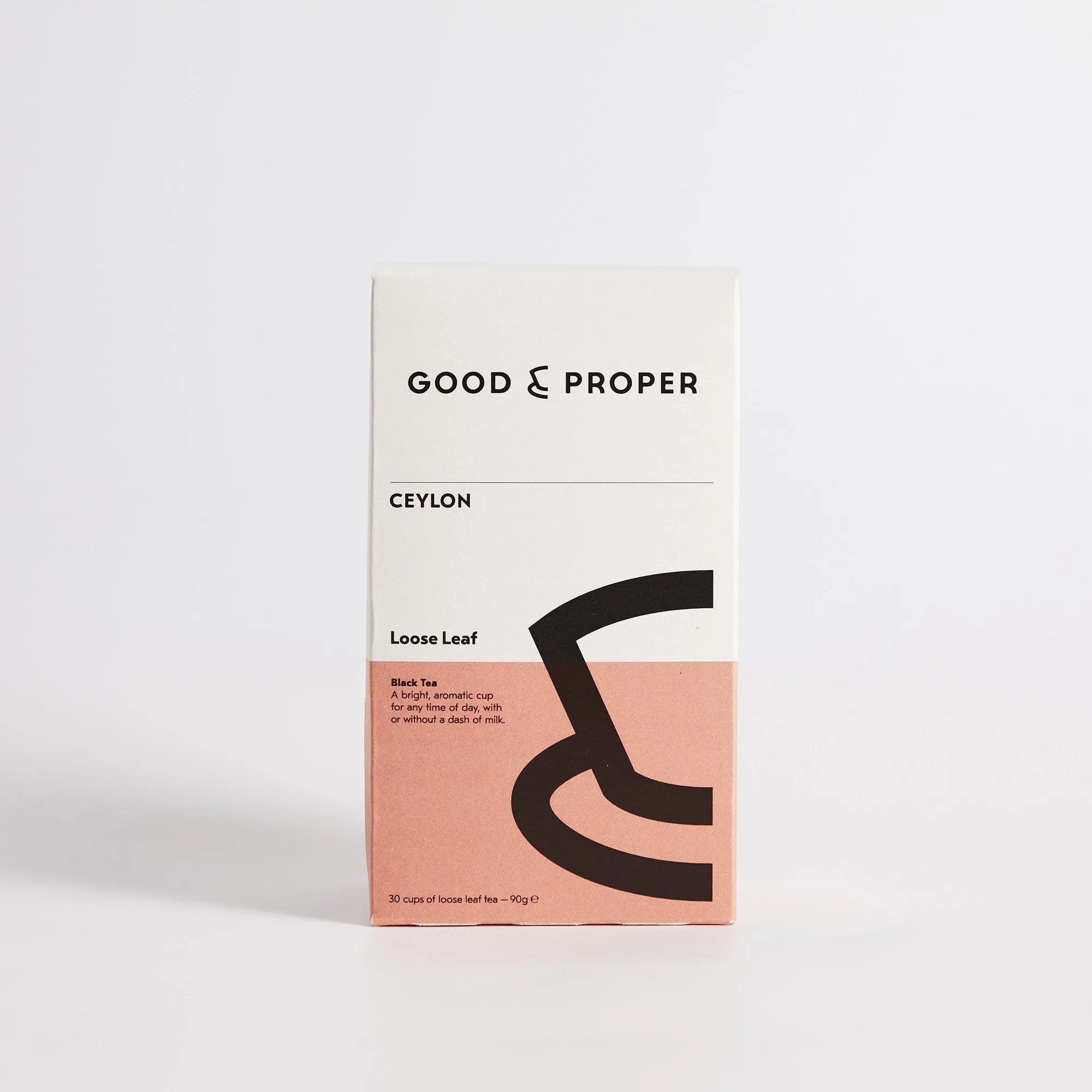
Ceylon - Loose Leaf
- Look for descriptors like 'malty', 'biscuity', 'caramel', 'dried fruit', and 'spice' in tasting notes.
- Assam pairs beautifully with milk and sugar, but also shines when brewed plain for a more direct flavor.
- The second flush Assam is often considered the gold standard for bold tea lovers.
How to Brew the Perfect Cup of Assam Tea
Brewing Assam tea correctly is essential to unlock its full potential. Because of its robust nature, Assam can handle hotter water and longer steeping times than more delicate teas. Start with fresh, filtered water brought to a rolling boil (100°C / 212°F). Use about one teaspoon of loose leaf tea per 8 oz cup, and steep for 3 to 5 minutes depending on your desired strength.
For a truly authentic experience, consider using a teaware set that retains heat well, such as a ceramic teapot or a porcelain gaiwan. If you're new to loose leaf, the Starter Pack from Good & Proper Tea is an excellent way to begin—it includes a selection of teas and a simple infuser to help you master the basics. Once you've found your perfect brew, Assam tea can be enjoyed black, with a splash of milk, or even as an iced tea.
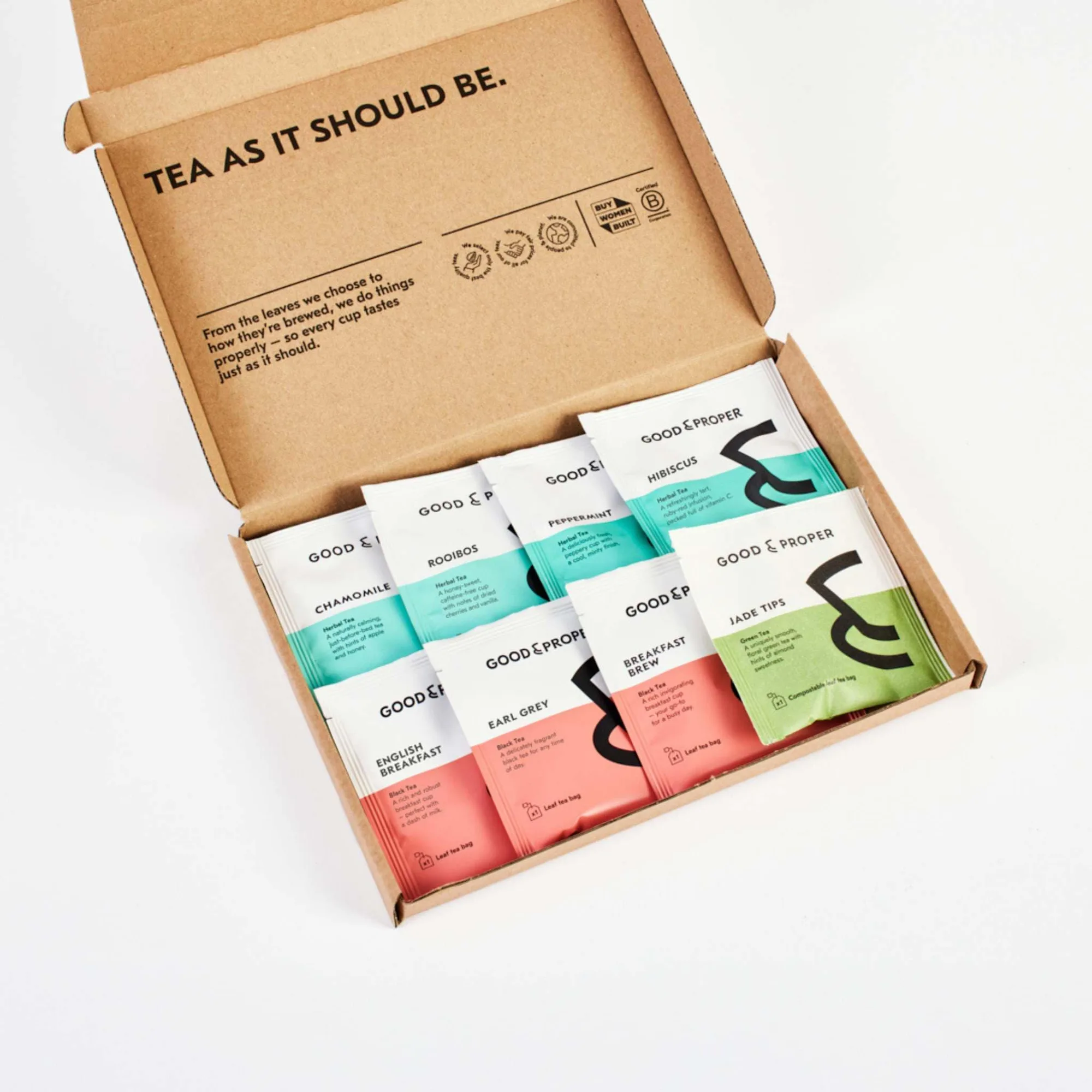
Starter Pack
- Use 1 tsp of loose leaf Assam per cup, or adjust to taste.
- Boil water to 100°C and steep for 3-5 minutes.
- For a stronger cup, increase the leaf quantity rather than steeping longer (which can cause bitterness).
- Assam also makes a fantastic base for chai—just add spices, milk, and sweetener.
Health Benefits of Assam Tea
Like other black teas, Assam is rich in antioxidants called polyphenols, particularly theaflavins and thearubigins, which are formed during oxidation. These compounds are linked to numerous health benefits, including improved heart health, better digestion, and reduced inflammation. Assam tea also contains caffeine (about 50-90 mg per cup), providing a gentle energy boost without the jitters often associated with coffee.
Additionally, the moderate astringency in Assam tea can support oral health by reducing bacteria in the mouth. For those looking to reduce their caffeine intake, Assam can be brewed for a shorter time or blended with herbal teas. As with any caffeinated beverage, moderation is key—but a daily cup of quality Assam tea can be a delightful and healthful ritual.
- Rich in antioxidants that combat oxidative stress.
- May support cardiovascular health by improving cholesterol levels.
- Contains L-theanine, which promotes calm focus alongside caffeine.
- Can aid digestion when consumed after meals.
Assam Tea vs. Other Black Teas: What Sets It Apart?
While Assam tea is often grouped with other Indian black teas like Darjeeling and Nilgiri, it has a distinct personality. Darjeeling is lighter, more floral, and often called the 'champagne of teas,' while Assam is robust, malty, and full-bodied. Nilgiri teas from southern India are smoother and more aromatic, making them excellent for iced tea. Assam's boldness makes it the go-to choice for those who want a strong, satisfying cup.
If you enjoy Assam's intensity, you might also appreciate Yunnan - Loose Leaf from China, which offers a similar malty profile with notes of chocolate and spice. For a completely different experience, explore the GUEST TEA Kangra Valley Oolong - Loose Leaf, which bridges the gap between black and green tea with its floral, fruity character. Each tea region brings something unique to the table, but Assam remains a classic for a reason.
- Assam: bold, malty, strong—ideal for breakfast blends.
- Darjeeling: light, floral, muscatel—best enjoyed plain.
- Ceylon: brisk, citrusy, versatile—great for iced tea.
- Yunnan: earthy, peppery, with chocolate notes—a Chinese alternative.
Where to Buy Quality Assam Tea Online
When purchasing Assam tea, quality matters. Look for whole-leaf orthodox grades rather than CTC (crush, tear, curl) for a more complex flavor. Reputable sellers like Good & Proper Tea offer carefully sourced single-origin teas that highlight the best of each region. Their selection includes both classic and rare black teas, ensuring you can find the perfect Assam for your palate.
For those who want to explore beyond Assam, the Four Seasons - Loose Leaf is a Taiwanese oolong that offers a completely different taste journey—floral, creamy, and complex. But if you're committed to the bold path, start with a high-quality Assam loose leaf and experiment with brewing techniques. Your taste buds will thank you.
- Look for 'orthodox' or 'whole leaf' Assam for superior flavor.
- Check harvest dates—second flush (summer) is ideal for bold tea lovers.
- Read reviews to find a vendor with consistent quality and ethical sourcing.
Assam tea is a true powerhouse in the world of black teas, offering a bold, malty flavor that has captivated drinkers for centuries. Whether you enjoy it as a morning wake-up call, a midday pick-me-up, or a comforting evening brew, there's no denying its appeal. Ready to experience the best of Assam? Explore the selection at Good & Proper Tea and find your new favorite bold tea today.