Black tea is a beloved staple for many, offering a robust and invigorating experience. Among the vast array of black teas, Assam and Earl Grey stand out as two of the most popular choices, each with a distinct character. Whether you're a seasoned tea drinker or just beginning your journey, understanding the differences between these two can help you make an informed choice for your next cup.
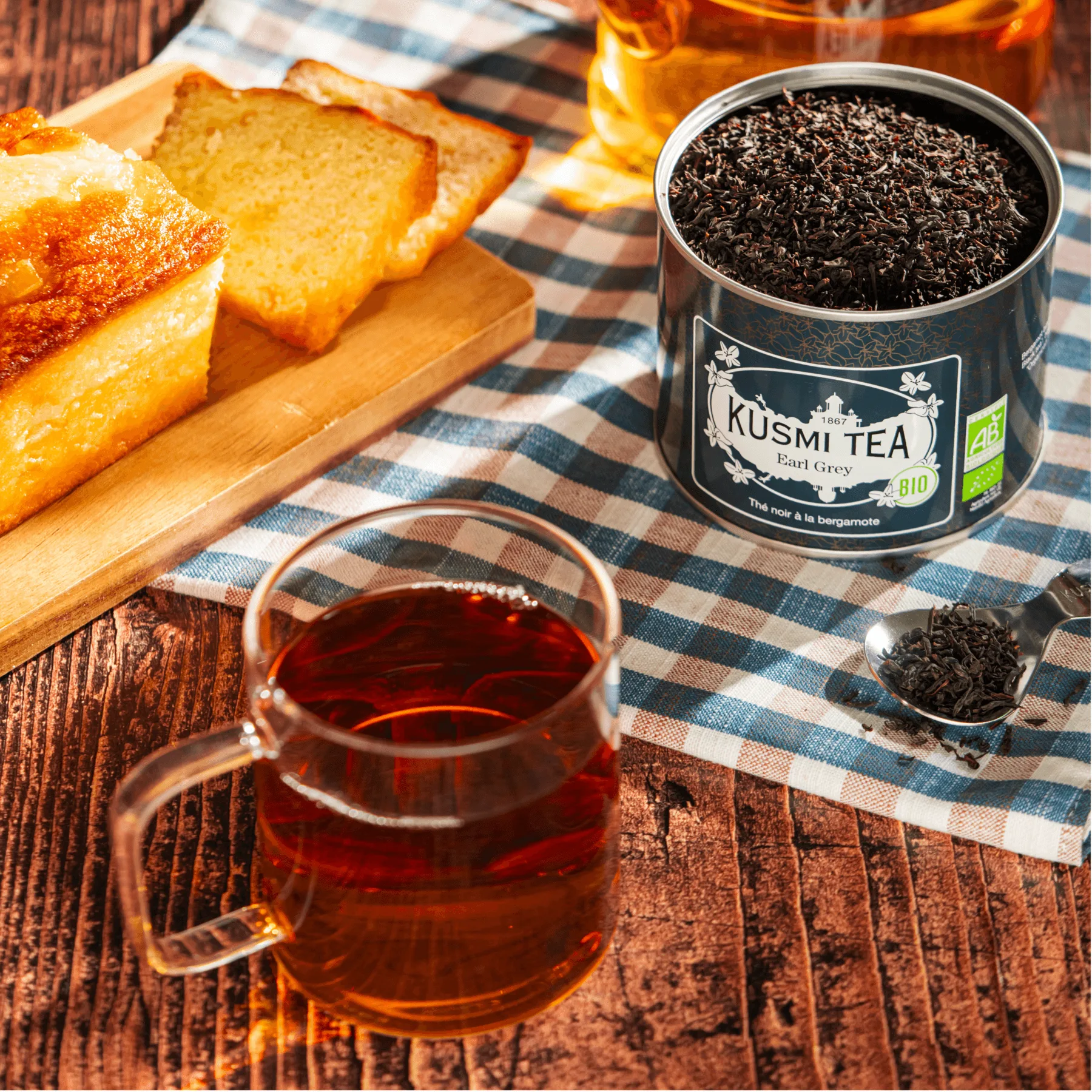
Earl Grey
In this comparison, we'll delve into the origins, flavor profiles, caffeine content, and brewing methods of Assam and Earl Grey. We'll also explore how they fit into different occasions, from a hearty breakfast to a refined afternoon tea. By the end, you'll know exactly which tea to reach for based on your mood and preferences.
Origins and Production
Assam tea originates from the Assam region in northeastern India, one of the largest tea-producing areas in the world. This region is known for its low altitude, rich alluvial soil, and high humidity, which contribute to the tea's distinctive malty and robust flavor. Assam tea is typically harvested from the Camellia sinensis assamica plant, which thrives in the tropical climate and produces large, dark leaves.
Earl Grey, on the other hand, is not a single-origin tea but a flavored black tea. Traditionally, it is made from a base of black tea (often a blend from various origins) that is scented or infused with oil from the bergamot orange, a citrus fruit native to Italy. The result is a tea with a distinctive floral and citrusy aroma that sets it apart from unflavored black teas.
- Assam: single-origin, malty, strong.
- Earl Grey: flavored, citrusy, aromatic.
Flavor Profile: Malty vs Citrusy
The flavor of Assam tea is bold and full-bodied, with a pronounced maltiness that is often described as rich and slightly sweet. It has a deep amber color and a robust taste that can stand up well to milk and sugar. Assam's strength makes it a popular choice for breakfast teas, as it provides a strong start to the day.
Earl Grey offers a completely different experience. The bergamot oil imparts a bright, citrusy flavor that is both refreshing and aromatic. The underlying black tea provides a smooth and slightly astringent base, but the bergamot is the star, giving Earl Grey a distinctive and elegant taste. It is often enjoyed without milk to fully appreciate the citrus notes, though some prefer a splash of milk to soften the acidity.
- Assam: malty, strong, great with milk.
- Earl Grey: citrusy, floral, best without milk.
Caffeine Content: Which Packs More Punch?
When it comes to caffeine, both Assam and Earl Grey are black teas, so they contain similar amounts of caffeine. However, the exact level can vary depending on the specific blend and brewing method. On average, an 8-ounce cup of black tea contains about 40-70 milligrams of caffeine. Assam, being a robust tea, often falls on the higher end of this range, making it a great choice for a morning pick-me-up.
Earl Grey, depending on the base tea used, may have slightly less caffeine, but it's still a caffeinated beverage. If you're looking for a tea to keep you alert, both will do the job. For those who are sensitive to caffeine, consider brewing with a shorter steeping time or choosing a decaffeinated version.
- Assam: higher caffeine, ideal for mornings.
- Earl Grey: moderate caffeine, good for afternoon.
Brewing the Perfect Cup
To get the best out of Assam tea, use water that is just off the boil (around 200-212°F) and steep for 3-5 minutes. This allows the full flavor to develop. Assam is robust enough to be enjoyed with milk and a bit of sugar, which is how it's traditionally served in many parts of India and the UK.
Earl Grey should be brewed with slightly cooler water (around 200°F) and steeped for 2-3 minutes to avoid bitterness. The delicate bergamot flavor can become overpowering if over-steeped. Enjoy it plain or with a slice of lemon, which complements the citrus notes beautifully.
- Assam: 200-212°F, 3-5 min, add milk.
- Earl Grey: 200°F, 2-3 min, add lemon.
Choosing Between Assam and Earl Grey
Your choice ultimately depends on your taste preferences and the occasion. If you crave a bold, malty tea that pairs well with a hearty breakfast or a midday snack, Assam is the way to go. Its strength and depth make it a satisfying choice for those who enjoy a full-bodied cup.
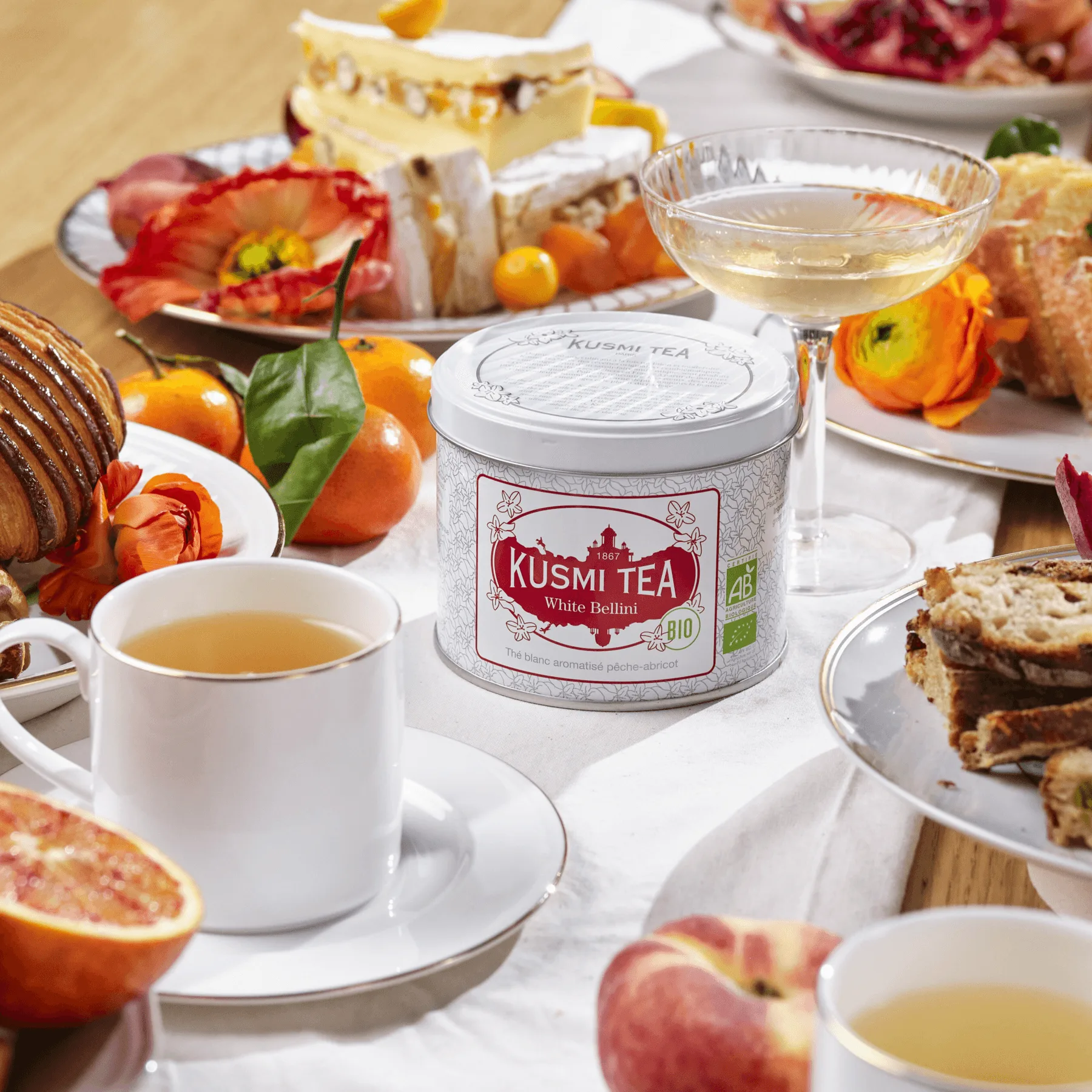
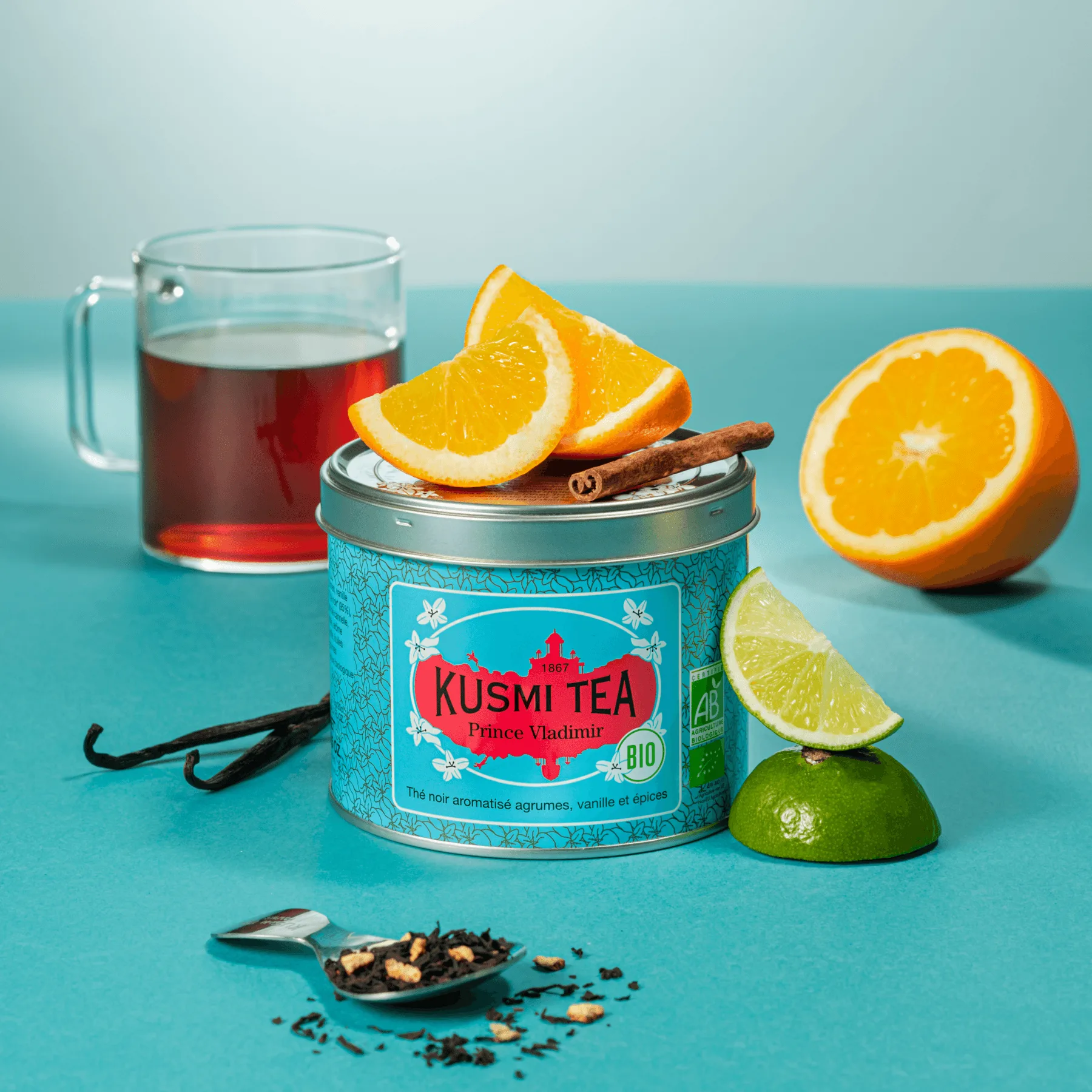
If you prefer a lighter, more aromatic tea that you can sip on its own, Earl Grey is a classic option. Its sophisticated flavor makes it a popular choice for afternoon tea or when you want a fragrant and refreshing break. For a twist, consider trying Kusmi Tea's White Bellini, which offers a fruity and sparkling variation on traditional tea, or explore their range of black tea blends to find your perfect match.
- Assam: for bold, strong, and malty.
- Earl Grey: for aromatic, citrusy, and delicate.
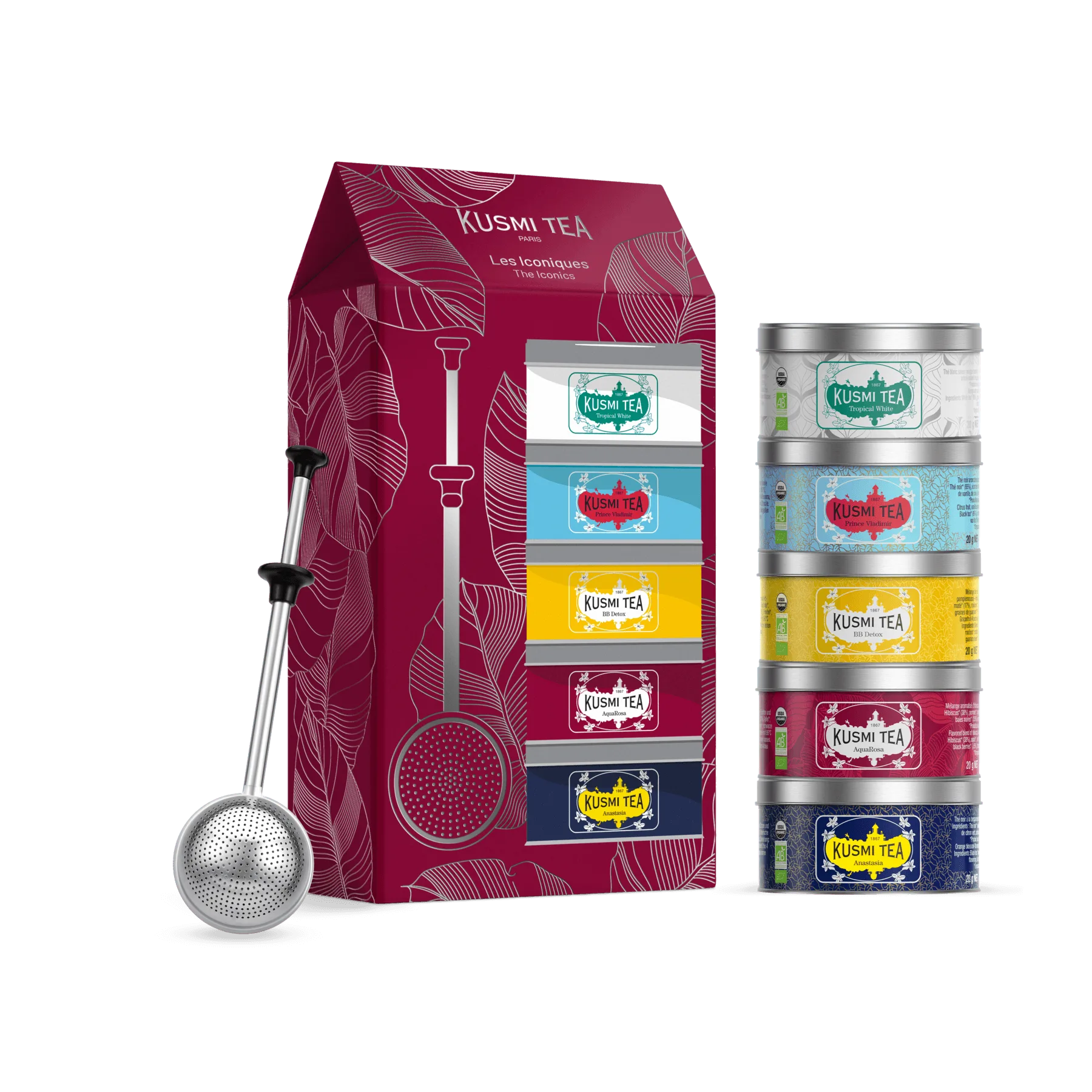
In summary, both Assam and Earl Grey are excellent black teas, each with its own unique appeal. Whether you prefer the robust maltiness of Assam or the citrusy elegance of Earl Grey, there's a perfect cup waiting for you. Explore Kusmi Tea's collection to discover high-quality black teas and blends that cater to every taste.