Quick answer
The Atari Gamestation Pro is a plug-in home console built around Atari's arcade and console heritage, so setup is mostly a matter of connecting it to a TV and powering it on. If you want a handheld instead, the Ms.PAC-MAN Micro Player Pro and PAC-MAN Nano Player Pro are smaller, self-contained options. The right pick depends on whether you want a shared living-room experience or a pocket-sized one.
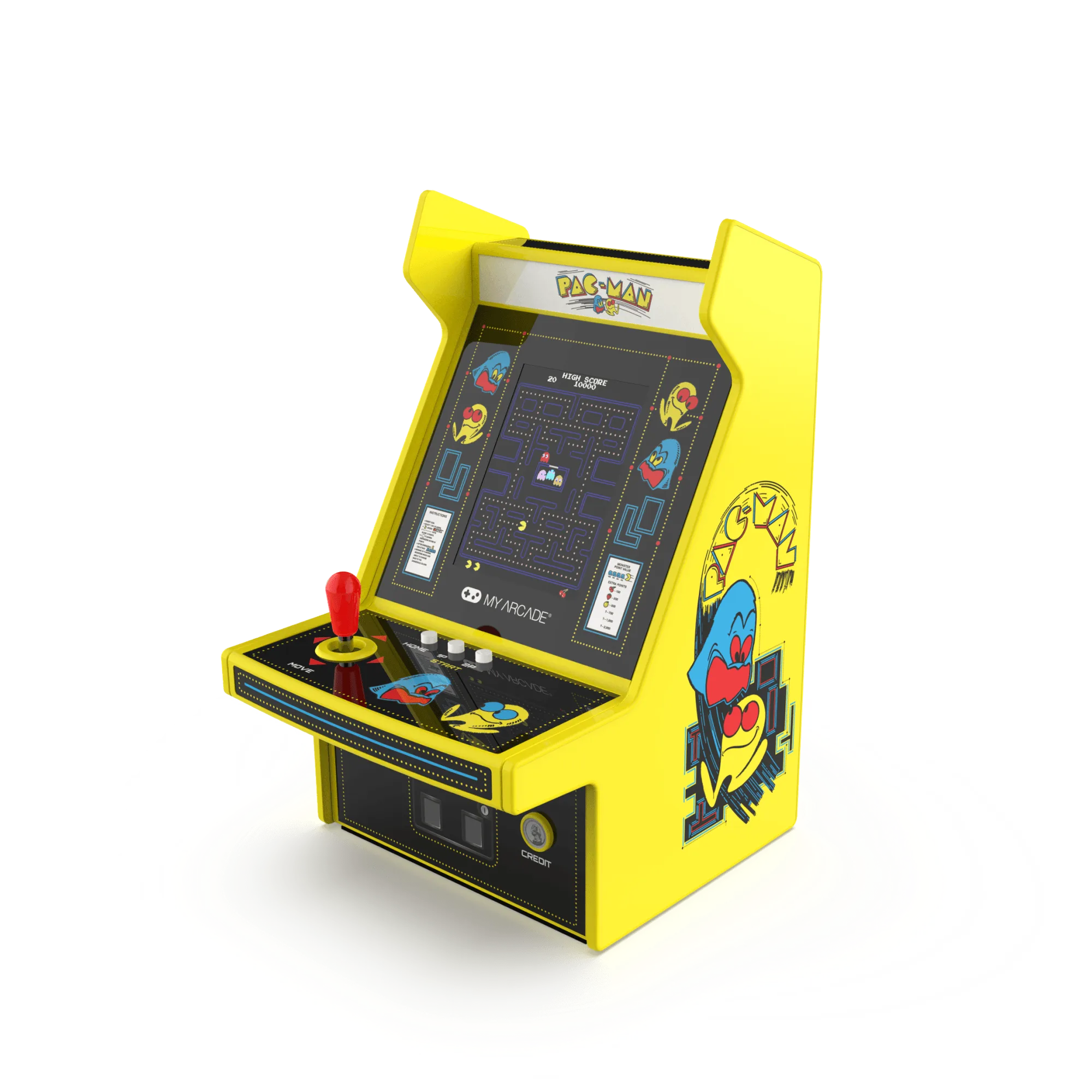
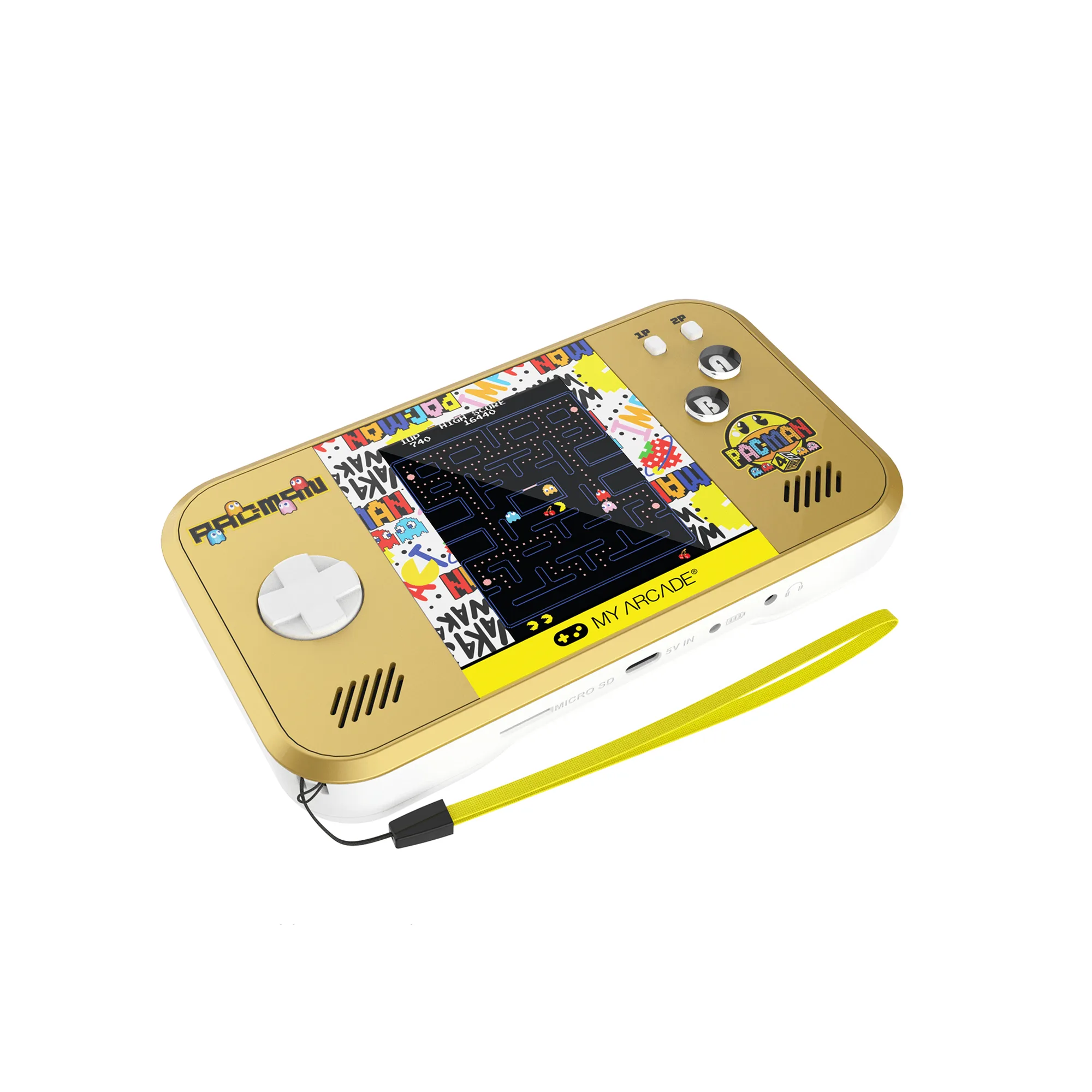
PAC-MAN Micro Player Pro
What is the Atari Gamestation Pro?
It is a home retro console from Atari, the company founded in 1972 and responsible for iconic titles such as PONG, Breakout, and Asteroids. That history matters because the Gamestation Pro is positioned as a way to play those classics on a modern TV rather than on a tiny built-in screen. It is not a handheld, and it is not a general-purpose modern console.
How do I set up the Gamestation Pro?
Setup follows the same pattern as most plug-in retro consoles: connect the console to your TV, connect power, then turn it on and follow the on-screen prompts. Because the supplied catalog does not list port types, cable lengths, or whether a power adapter is included, check the box contents before you buy so you are not missing an adapter or cable on day one. If you are replacing a handheld setup, keep your handheld charged separately so you can compare the two experiences side by side.
What controllers work with the Gamestation Pro?
The Gamestation Pro is designed around its own controller setup rather than the handheld controls you would find on a Micro or Nano Player. The supplied catalog does not specify controller count, wireless range, or compatibility with third-party pads, so treat those as open questions and confirm with the seller if they matter to you. For two-player games, plan your seating and cable or wireless arrangement before you commit to a spot in the room.
What games are included?
Atari's catalog spans arcade hits and home-console titles, and the Gamestation Pro is built around that library. The exact game list is not included in the supplied product data, so the honest answer is that you should verify the current lineup before buying rather than assuming a specific title is present. If one particular game is the reason you are buying, confirm it first; if you want a broad sampler of Atari history, the console is aimed at exactly that.
Gamestation Pro or a handheld?
Choose the Gamestation Pro if you want a shared screen, a living-room setup, and Atari's broader library. Choose a handheld like the Ms.PAC-MAN Micro Player Pro or PAC-MAN Nano Player Pro if you want something self-contained, portable, and focused on a single arcade classic. The two formats solve different problems, so owning both is reasonable if you play at home and on the go.
Gamestation Pro quick FAQ
Do I need a TV?
Yes. The Gamestation Pro is a home console, so it needs a display. Handhelds like the PAC-MAN Nano Player Pro have their own built-in screens. Confirm you have a free TV input before buying.
Is it portable?
No. It is designed for a fixed setup. If portability is the priority, a Micro or Nano Player is the better format. Pick the format first, then the game library.
Can I check the game list before buying?
Yes, and you should. The supplied catalog does not include the full lineup, so verify the titles you care about with the seller. Buy for the games you can confirm, not the ones you assume.
Product facts
- Atari Gamestation Pro: Atari was founded in 1972 and is responsible for iconic games including PONG, Breakout, and Asteroids. Explains why the Gamestation Pro leans on arcade history rather than modern blockbuster titles.
- Ms.PAC-MAN Micro Player Pro: Ms.PAC-MAN launched in arcade form in 1982 and remains a gamer favorite. A single-game handheld is a focused alternative when you want one classic rather than a broad library.
- PAC-MAN Nano Player Pro: PAC-MAN has sold over 400 million copies worldwide and is easy to learn but difficult to master. Makes the Nano Player Pro a low-risk pick for quick sessions and first-time retro players.