Quick Answer
If you want a reference-grade DSD recording that works on any equipment, Audiophile Masters Volume III is a strong choice—its pure DSD capture preserves the natural detail and spatial cues that make high-fidelity listening worthwhile.
Why Pure DSD Matters for Recording Quality
Pure DSD recording captures the music in a single high-resolution bitstream, which many listeners find more faithful to the original analog signal than PCM. On Audiophile Masters Volume III, the pure DSD mastering means you're hearing the recording as the engineers intended, without the extra conversion steps that can smooth over transients or add digital artifacts.
The practical result is a sense of immediacy: cymbals have a natural shimmer, vocals carry breath and texture, and the soundstage feels more three-dimensional. If your system is resolving enough, you'll notice the difference, but even on modest gear, the purity of the source can shine through.
Trade-Offs to Consider
Because this is a compilation of audiophile-grade tracks, you're getting a curated selection rather than a full album by one artist. That's a plus if you want a varied reference disc, but a drawback if you're looking for a complete musical statement.
Also, while the disc is playable on any equipment, to fully appreciate the pure DSD quality you'll want a DAC or player that handles DSD natively. On gear that converts DSD to PCM internally, you may still hear excellent sound, but you won't be hearing the pure DSD stream.
How to Evaluate This Album on Your System
When you first play Audiophile Masters Volume III, listen for three things: the clarity of individual instruments, the realism of the soundstage, and the natural decay of notes. A high-quality recording should let you pick out each instrument even in dense passages, and the space around the musicians should feel tangible.
Compare it with a familiar album you know well. If the audiophile recording reveals details you haven't noticed before—like a subtle backing vocal or the resonance of a guitar body—that's a sign the source quality is doing its job. If it sounds harsh or fatiguing, the issue may be your system's balance rather than the disc itself.
Decision Rules for Choosing Audiophile Masters Volume III
- If you want a reference disc for evaluating your system: Choose Audiophile Masters Volume III. Its pure DSD capture provides a consistent, high-quality source that reveals how well your DAC, amp, and speakers reproduce detail and space. Use the same track across different gear to compare resolution and tonality.
- If you're new to high-fidelity listening: This compilation is a good starting point because it's playable on any equipment and showcases what good recording quality sounds like. You don't need a DSD-capable DAC to enjoy it, though you'll hear more with one. Start with a track you know well and listen for new details.
- If you're looking for a complete album by one artist: This is a compilation, not a single-artist album. If you want a cohesive musical narrative, look for a full-length release instead. But if you want variety and a broad demonstration of recording quality, this disc delivers. Consider whether you prefer curated variety or a full album experience.
The Recording at a Glance
-
Audiophile Masters Volume III: The third in our series of Audiophile Masters, this is one reference disc that is a must-have for any audiophile wishing to experience amazing sound, perfectly captured in pure DSD and playable on any equipment. It means you get a reference-quality recording that doesn't lock you into a specific playback system, so you can use it to evaluate your current setup or enjoy it on any player.
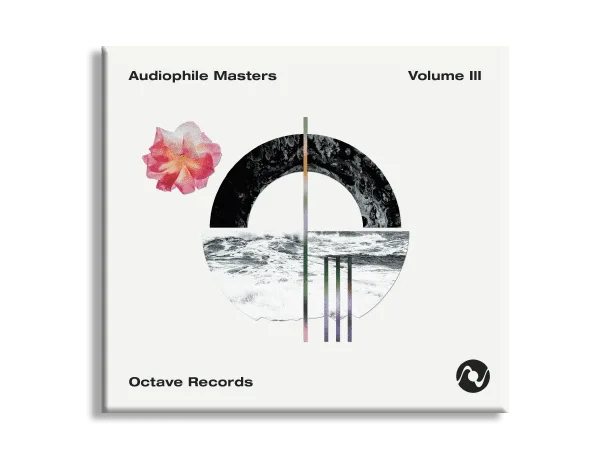
Audiophile Masters Volume III
Is This Disc Right for You?
Best for
- Audiophiles who want a reference-quality DSD recording to test or demonstrate their system
- Listeners who enjoy curated compilations that showcase different artists and recording styles
Not for
- Those seeking a complete album by a single artist with a continuous musical theme
- Listeners who prefer MP3 or streaming convenience and don't care about source quality