Quick answer
Choose Audiophile Masters if your main goal is evaluating or demonstrating your system with pristine, reference-grade recordings. Choose Jazz Classics if you want musically rich jazz performances that still reveal system detail but prioritize enjoyment over technical demonstration. Many listeners end up owning both because they serve different listening moods and purposes.
PS Audio's Octave Records label has built two distinct series that audiophiles often weigh against each other: Audiophile Masters and Jazz Classics. Both are recorded with high-end audio in mind, but they differ in intent, musical content, and how you will actually use them in your listening room.
This comparison looks at what each series offers based on the catalog facts available, so you can decide which one fits your system, your music taste, and the way you listen.
What Audiophile Masters Is Designed For
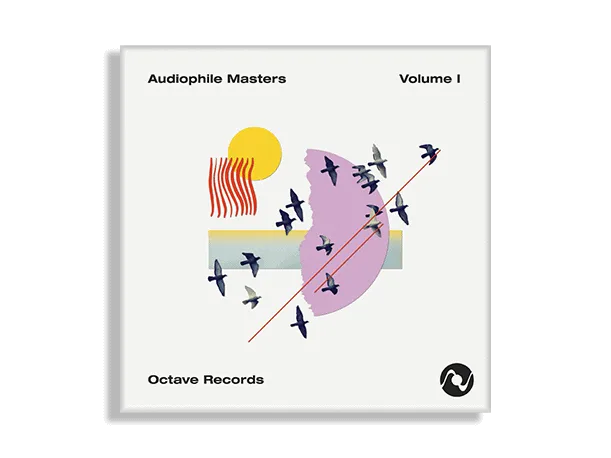
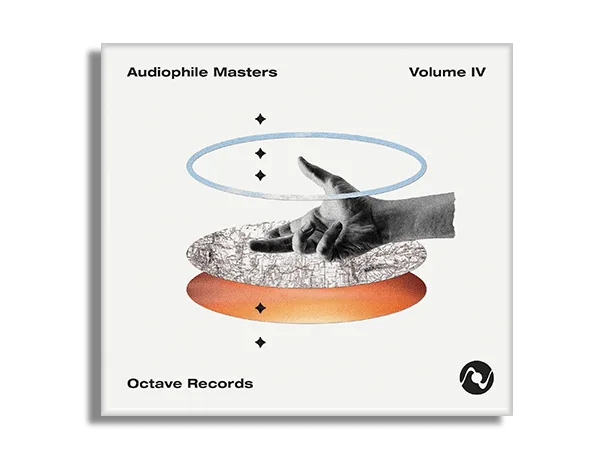
Audiophile Masters is a series built explicitly for evaluating and showcasing high-end audio systems. Volume I was recorded exclusively on the multitrack Sonoma DSD platform and mastered by Gus Skinas, a process aimed at capturing maximum detail and dynamic range. Volume IV continues that mission, described as a reference disc for experiencing amazing sound captured in pure DSD and playable on any equipment.
If your goal is to hear what your system can do—resolution, imaging, bass control, and tonal accuracy—this series gives you a consistent, purpose-built tool. The trade-off is that the music is selected to serve the recording rather than a specific genre or artist identity, so it functions more as a system reference than as a casual listening album.
- Use Audiophile Masters when you are comparing components, cables, or room treatments and need repeatable, high-quality source material.
What Jazz Classics Offers
Jazz Classics takes a different approach. The series, well-loved by Octave Records listeners, explores specific decades of jazz through arrangements by label artists. The 1940s edition features Tom Amend reworking standards like Take the A Train, Stella by Starlight, and A String of Pearls with a blend of modern and classic sensibilities.

decades
This is music first, with recording quality that still supports critical listening. The trade-off is that the performances are interpretations, not reference tracks designed to stress-test a system. You get emotional engagement and historical context, but you may not get the same consistent, clinical evaluation material that Audiophile Masters provides.
- Choose Jazz Classics when you want to enjoy the music while still hearing the detail and dynamics your system can deliver.
Recording Approach and Format Flexibility
Both series are available in multiple formats, which matters if your system is built around a specific playback chain. Audiophile Masters Volume I and Volume IV both offer a choice of format, so you can match the release to your DAC, disc player, or file-based setup. Jazz Classics: 1940s also lets you choose your format.
The key difference is in the mastering intent. Audiophile Masters is explicitly positioned as a reference disc, with Volume IV noted as captured in pure DSD. Jazz Classics is presented as a musical journey, with the recording quality serving the performance rather than the other way around. Neither approach is better—they answer different questions.
- Check which formats your system handles best before ordering; both series give you options at checkout.
How to Decide Based on Your Listening Habits
If you frequently host listening sessions, review gear, or want a known-good reference to confirm your system is performing at its best, Audiophile Masters is the more practical choice. It removes variables and gives you a consistent benchmark across volumes.
If your listening is more about discovery, mood, and musical exploration, Jazz Classics will likely get more play time. The 1940s edition in particular offers recognizable standards reimagined in a way that rewards both casual and critical listening. The honest trade-off is that you may eventually want both: one for evaluation, one for enjoyment.
- Start with the series that matches your primary listening goal, then add the other if you find yourself wanting the missing piece.
Trade-offs at a glance
- Audiophile Masters: system evaluation vs. musical identity: Audiophile Masters is designed as a reference tool, with Volume I recorded on Sonoma DSD and Volume IV captured in pure DSD. The trade-off is that the music serves the recording, so it may feel less like a specific artist statement. Pick this if repeatable, high-resolution evaluation material is your priority.
- Jazz Classics: musical richness vs. clinical consistency: Jazz Classics: 1940s offers Tom Amend's arrangements of familiar standards, blending modern and classic jazz. The trade-off is that it is not positioned as a dedicated test disc, so it may not provide the same consistent benchmark across volumes. Pick this if you want engaging performances that still reveal system detail.
- Format choice: flexibility vs. decision fatigue: Both series let you choose your format at checkout, which is helpful if your system is built around a specific playback method. The trade-off is that you need to know which format suits your setup before ordering. Confirm your preferred format before purchase to avoid a mismatch.
Product facts
- Audiophile Masters Volume I: Recorded exclusively on the multitrack Sonoma DSD and mastered by Gus Skinas, with something for every music lover who wants to stretch the sonic limits of their system. This is a purpose-built reference recording, making it a strong first choice for system evaluation and demonstration.
- Audiophile Masters Volume IV: The fourth in the series, described as a reference disc for experiencing amazing sound, perfectly captured in pure DSD and playable on any equipment. If you want the latest reference material in the series, this volume delivers the same evaluation-focused intent with pure DSD capture.
- Jazz Classics: 1940s: Part of the well-loved Jazz Classics series, featuring Tom Amend's arrangements of 1940s standards like Take the A Train, Stella by Starlight, and A String of Pearls, blending modern and classic approaches. This is a musically driven release that still benefits from high-quality recording, ideal for listeners who prioritize performance and repertoire over technical demonstration.
Which one fits your system?
Best for
- Listeners who regularly evaluate gear, cables, or room treatments and need a consistent reference recording.
- Audiophiles who want to demonstrate their system's resolution and dynamics with purpose-built material.
- Anyone building a small library of high-quality test tracks across multiple volumes.
Not for
- Listeners who primarily want albums built around a specific artist, genre, or era and will rarely use them for system evaluation.
- Those who prefer jazz standards and historical repertoire over reference-oriented compilations.
Both Audiophile Masters and Jazz Classics earn a place in a high-end audio collection, but they answer different needs. If your priority is evaluating and showcasing your system, start with Audiophile Masters. If you want music that moves you while still revealing what your system can do, Jazz Classics: 1940s is the more natural fit. Many listeners eventually own both, using each for its intended purpose.