When it comes to securing gear, connecting ropes, or attaching equipment, few tools are as versatile and essential as the carabiner. Among the various types available, the auto-lock carabiner stands out for its enhanced safety and ease of use. Whether you're a climber, a tactical operator, or someone who simply wants reliable gear, understanding how to choose the right auto-lock carabiner is crucial. This guide will walk you through the key features, types, and considerations to ensure you make an informed purchase.
Auto-lock carabiners are designed to automatically lock the gate when closed, preventing accidental opening. This feature is invaluable in high-stakes situations where safety is paramount. With a wide range of options on the market, from lightweight aluminum to heavy-duty steel, finding the perfect one can be overwhelming. We'll break down everything you need to know, from locking mechanisms to materials, so you can confidently select a carabiner that meets your specific needs.
Understanding Auto-Lock Mechanisms
The primary function of an auto-lock carabiner is to secure the gate automatically after closing. There are several types of auto-lock mechanisms, each with its own advantages. The most common is the twist-lock, where you twist the sleeve to unlock and release. Another type is the magnetic lock, which uses magnets to keep the gate closed until you apply pressure. There's also the screw-lock, which requires manual twisting to lock and unlock, but it's not truly automatic.
When choosing an auto-lock carabiner, consider the mechanism that best suits your application. For quick and frequent use, a twist-lock or magnetic lock is ideal. For heavy-duty applications where accidental opening is a concern, a screw-lock may be more secure, but it requires more effort. Understanding these differences will help you select a carabiner that balances safety and convenience.
- Twist-lock: Quick and easy one-handed operation.
- Magnetic lock: Smooth and fast, but may be less secure in dusty environments.
- Screw-lock: Maximum security but slower to use.
Material and Strength Considerations
Carabiners are typically made from aluminum or steel. Aluminum is lightweight and corrosion-resistant, making it a popular choice for climbing and tactical use. Steel, on the other hand, is heavier but offers superior strength and durability, ideal for industrial or rescue applications. The strength of a carabiner is measured in kilonewtons (kN), with major axis strength typically ranging from 20 to 30 kN for most models.
Consider the environment where you'll use the carabiner. If you're in a marine or humid environment, aluminum with a corrosion-resistant coating is a smart choice. For heavy loads or rescue operations, steel provides peace of mind. Always check the load ratings and certifications to ensure the carabiner meets industry standards for your intended use.
- Aluminum: Lightweight, corrosion-resistant, ideal for climbing and tactical.
- Steel: Heavier, stronger, best for industrial and rescue.
- Check load ratings in kN and look for certifications like UIAA or CE.
Shape and Gate Type
Carabiners come in various shapes, including oval, D-shaped, and asymmetric D. The shape affects how the carabiner handles loads and its ease of use. D-shaped carabiners are the most common because they offer high strength-to-weight ratios and efficient loading. Oval carabiners are symmetrical and great for racking gear, while asymmetric Ds are designed for specific uses like belaying.
Gate types also matter. Auto-lock carabiners have either a solid gate or a wire gate. Wire gates are lighter and reduce gate flutter, making them popular among climbers. Solid gates are more durable and easier to handle with gloves. Your choice depends on your preference and the conditions you'll face.
- D-shaped: Best all-rounder, high strength.
- Oval: Symmetrical, good for gear organization.
- Wire gate: Lightweight, reduces gate flutter.
- Solid gate: Durable, easier with gloves.
Intended Use: Tactical, Climbing, or Everyday
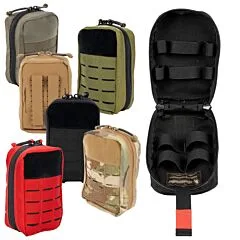
Your intended use is the most critical factor in choosing an auto-lock carabiner. For tactical applications, such as securing gear or attaching equipment to a vest, you need a carabiner that is rugged, reliable, and easy to operate under pressure. Products like the https://narescuer.com/products/tactical-operator-response-kit-tork-lcl-bag-only-380880Tactical Operator Response Kit (TORK LCL) - Bag Only often include carabiners designed for quick access and secure attachment.
For climbing, weight and smooth operation are key. Look for lightweight aluminum carabiners with wire gates and auto-lock mechanisms that can be operated with one hand. For everyday carry, a versatile carabiner that can handle keys, water bottles, or gear loops is ideal. Consider the size and shape that fits comfortably in your hand and attaches easily to your gear.
- Tactical: Durable, easy to use with gloves, high strength.
- Climbing: Lightweight, wire gate, smooth auto-lock.
- Everyday: Versatile, compact, and stylish.
Top Picks and Recommendations
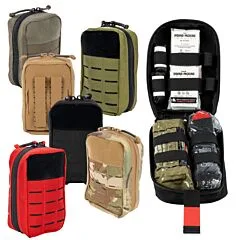
While we don't endorse specific brands, we can point you to reliable options available in our store. For tactical users, the Tactical Operator Response Kit (TORK LCL) - Bag Only includes a high-quality auto-lock carabiner that integrates seamlessly with your gear. If you're building a medical kit, the Module Kits for Trauma First Aid Kits (TFAK) - Class A/B often come with carabiners for secure attachment.
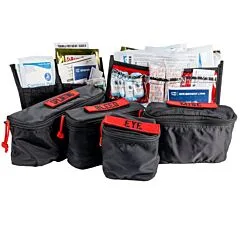
Module Kits for Trauma First Aid Kits (TFAK) - Class A/B
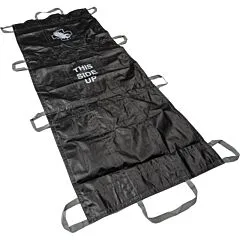
For those who need a carabiner for rescue or emergency situations, the NAR ELITE Litter - Responder includes carabiners that are tested for high-stress environments. Always ensure that the carabiner you choose meets the specific requirements of your activity, and don't hesitate to invest in a reputable product that prioritizes safety.
- Consider carabiners from trusted brands with certifications.
- Check compatibility with your existing gear.
- Read reviews and product specifications carefully.
Choosing the right auto-lock carabiner doesn't have to be complicated. By understanding the mechanisms, materials, shapes, and intended use, you can find a carabiner that offers both safety and convenience. Whether you're a tactical professional, a climber, or someone who values dependable gear, the right auto-lock carabiner is a worthwhile investment. Explore our selection today and equip yourself with the best.