When you're in the field, the gear you carry can mean the difference between a successful mission and a dangerous situation. Among the most underrated yet critical pieces of equipment is the humble carabiner. But not all carabiners are created equal. Auto-lock carabiners offer a level of security and convenience that manual locking mechanisms simply can't match, making them a favorite among tactical professionals and outdoor enthusiasts alike.
This guide dives deep into auto-lock carabiner safety, exploring how they work, why they're ideal for tactical use, and how to maintain them for peak performance. Whether you're securing gear to a pack, setting up a rope system, or carrying medical equipment like the SRO Individual Response Kit, understanding your carabiner is essential.
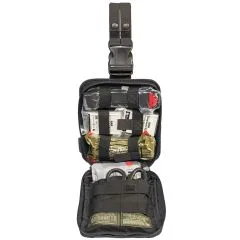
SRO Individual Response Kit
Understanding the Auto-Lock Mechanism
Auto-lock carabiners feature a spring-loaded sleeve that automatically returns to the locked position when released. This design eliminates the need to manually twist the sleeve, reducing the risk of user error. The locking mechanism is crucial for preventing accidental gate opening, which can lead to dropped equipment or, worse, injury.
Compared to manual locking carabiners, which require deliberate twisting to lock, auto-lock versions offer quicker and more reliable operation, especially when you're wearing gloves or working in high-stress situations. The mechanism is simple: pull the sleeve, clip the gate, and release. The sleeve snaps back, securing the gate. This 'auto' feature ensures that even if you forget to lock it, the carabiner does it for you.
- Always verify the carabiner is fully locked before loading it.
- Practice with your carabiner until the motion becomes second nature.
Why Auto-Lock Carabiners Excel in Tactical Environments
Tactical operations demand reliability. Auto-lock carabiners are designed to perform under pressure. Their one-handed operation is a game-changer when you're carrying gear, holding a weapon, or attending to a casualty. For instance, when you're attaching a medical pack like the Medic Trauma Pack (Bag Only) to your vest or a litter, an auto-lock carabiner can be clipped and secured with a single hand, allowing you to keep your other hand free for critical tasks.
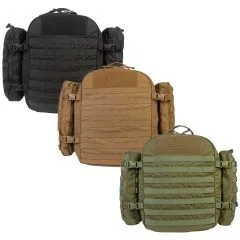
Medic Trauma Pack (Bag Only)
Additionally, auto-lock carabiners are less prone to cross-loading, a common failure mode where the gate is forced open by lateral pressure. The robust sleeve design provides a more secure connection, which is vital when you're moving rapidly or navigating rough terrain. Whether you're securing a rescue litter or attaching a hydration bladder, the auto-lock mechanism adds an extra layer of safety.
- Use auto-lock carabiners for critical connections, such as securing medical kits or rescue equipment.
- Inspect your carabiner before each mission to ensure the locking mechanism is free of debris.
Auto-Lock vs. Manual Lock: Which Is Right for You?
The choice between auto-lock and manual lock carabiners often comes down to personal preference and specific use cases. Manual lock carabiners are simpler and less expensive, but they require a conscious effort to lock, which can be forgotten in high-stress scenarios. Auto-lock carabiners, on the other hand, provide peace of mind by automatically securing the gate, but they can be slightly heavier and more complex.
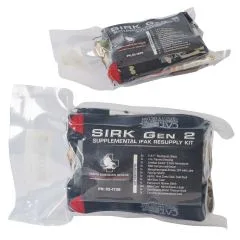
For tactical applications, the auto-lock's fail-safe design is often worth the extra weight. When you're carrying a trauma kit like the Supplemental IFAK ReSupply Kits - Gen 2, you don't want to worry about whether your carabiner is locked. The auto-lock ensures that your gear stays attached, even if you're distracted by the chaos around you. However, for static applications where weight is a concern, a manual lock might suffice.
Consider your environment: if you're climbing or rappelling, auto-lock is non-negotiable. If you're just securing a keychain, a manual lock is fine. For tactical professionals, the auto-lock is the gold standard.
- Evaluate the load and criticality of the connection when choosing between auto-lock and manual.
- Test both types in your specific use case to see which feels more intuitive.
Essential Safety Tips for Using Auto-Lock Carabiners
Even with an auto-lock mechanism, proper usage is key to safety. Always inspect your carabiner before and after each use. Look for cracks, deformation, or any signs of wear. Ensure the sleeve moves freely and that the gate snaps closed with a clear 'click.' If you notice any issues, replace the carabiner immediately.
When attaching a carabiner, make sure the load is applied along the major axis, not the minor axis. This reduces the risk of the carabiner breaking under stress. Avoid side-loading, which can cause the gate to open. Additionally, never use a carabiner for purposes it wasn't designed for, such as towing or as a climbing anchor unless rated for such use.
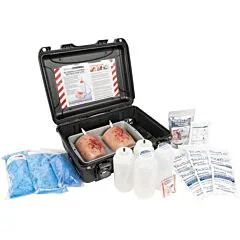
In tactical scenarios, you might be using carabiners to secure medical equipment like the TrueClot® Bleeding Control Kit Simulator (1 GSW - 1 LACERATION). Ensure that the carabiner is properly attached to a sturdy point, and consider using a secondary retention system for critical items.
- Perform a visual and tactile inspection before each use.
- Avoid overloading the carabiner beyond its rated capacity.
- Keep carabiners away from chemicals and extreme heat.
Maintenance and Care for Longevity
Proper maintenance extends the life of your auto-lock carabiner and ensures it functions reliably. After each use, wipe down the carabiner with a clean, dry cloth to remove dirt and moisture. If the carabiner gets wet, dry it thoroughly to prevent corrosion. Avoid using lubricants on the locking mechanism, as they can attract dirt and cause the sleeve to stick.
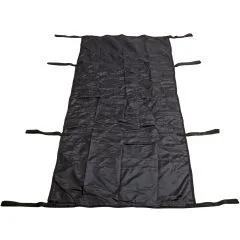
Store carabiners in a cool, dry place, away from direct sunlight. Periodically check the spring tension and gate action. If you notice any stiffness or grinding, it's time to retire the carabiner. For tactical users, it's wise to have spare carabiners on hand, especially when carrying critical gear like the R.E.E.L. Non-Rigid Litter (Rapid Expeditionary Evacuation Litter), which may require quick attachment and detachment.
Remember, a carabiner is a safety device. Taking care of it is taking care of yourself and your team.
- Clean your carabiner after exposure to sand, mud, or saltwater.
- Replace any carabiner that has been subjected to a significant fall or impact.
Auto-lock carabiners are a vital tool for anyone who takes safety seriously in tactical environments. By understanding their mechanism, practicing proper usage, and maintaining them diligently, you can ensure that your gear stays secure when it matters most. Whether you're securing a medical kit or a rescue litter, investing in a quality auto-lock carabiner is a decision you won't regret.