Two different starting points
The Axion and Cascara sit at different ends of the same decision: how much of the audio chain you want to solve in one purchase. The Axion is a USB-C earphone with a built-in DAC and in-line microphone, so it plugs directly into a compatible digital source. The Cascara is a full-range dynamic-driver IEM aimed at listeners who want an immersive, emotional presentation and already have a source and cable setup in mind.
That difference matters more than any single specification. If you want one cable, one connection, and no separate adapter, the Axion is the simpler path. If you are building a system around an existing player or dongle and want the earphone itself to carry the sound character, the Cascara is the more natural fit.
Axion: plug-and-play USB-C HiFi
-
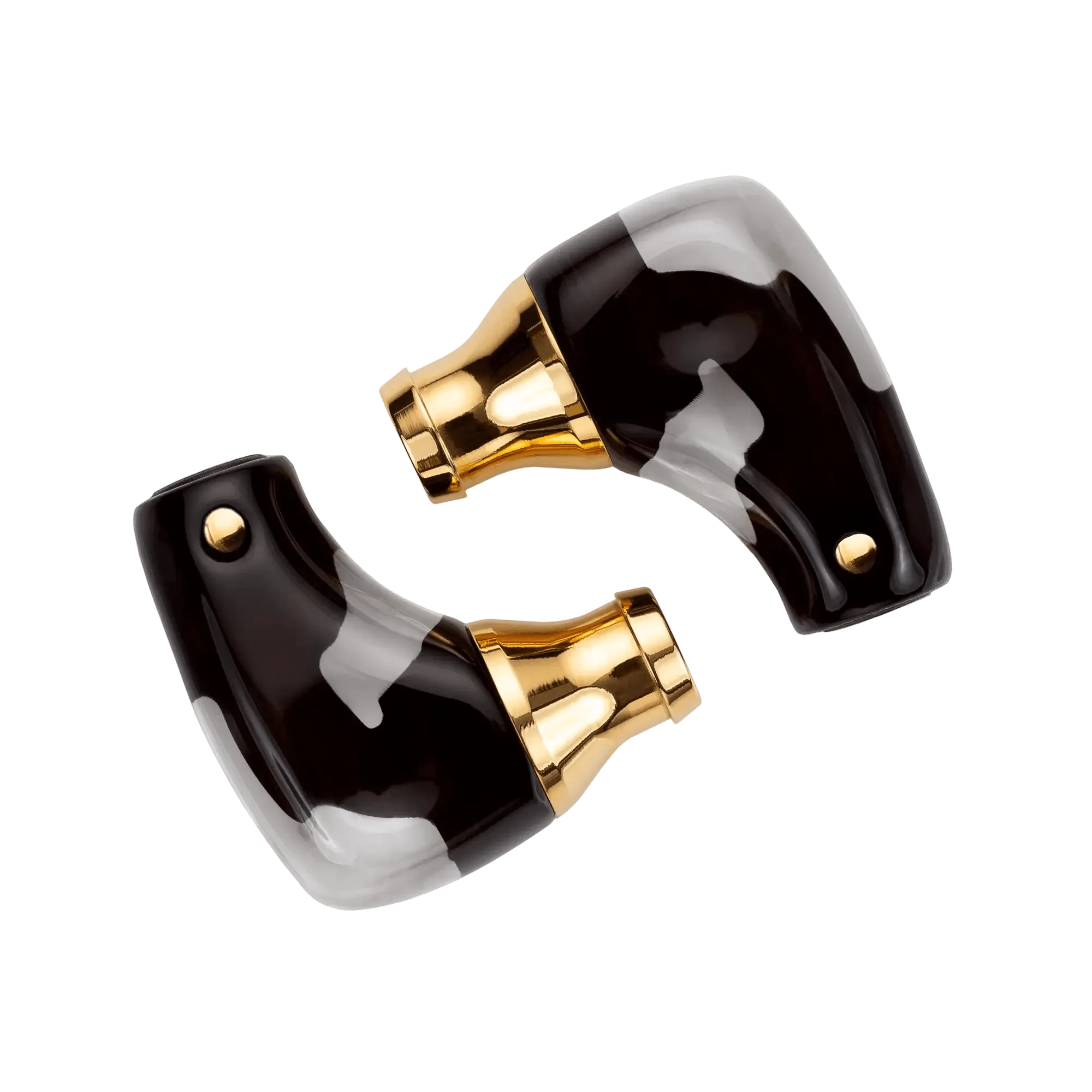
Axion: USB-C connectivity with a built-in high-performance DAC chip and in-line microphone with button controls This is the core of the Axion's appeal: one cable handles playback, calls, and media control without a separate DAC or adapter.
Axion
-
Axion: Full-range Silicon Dynamic Driver (SDD) in a compact, ergonomic form factor The compact housing and full-range driver suggest an everyday carry option, though the supplied record does not list ear-tip sizes or fit measurements.
-
Axion: 32 bit/384 kHz specification and 1 vrms output These are the only confirmed digital and output figures in the record; treat them as the stated capabilities of the built-in DAC rather than a guarantee of source compatibility.
Cascara: full-range dynamic for immersive listening
-
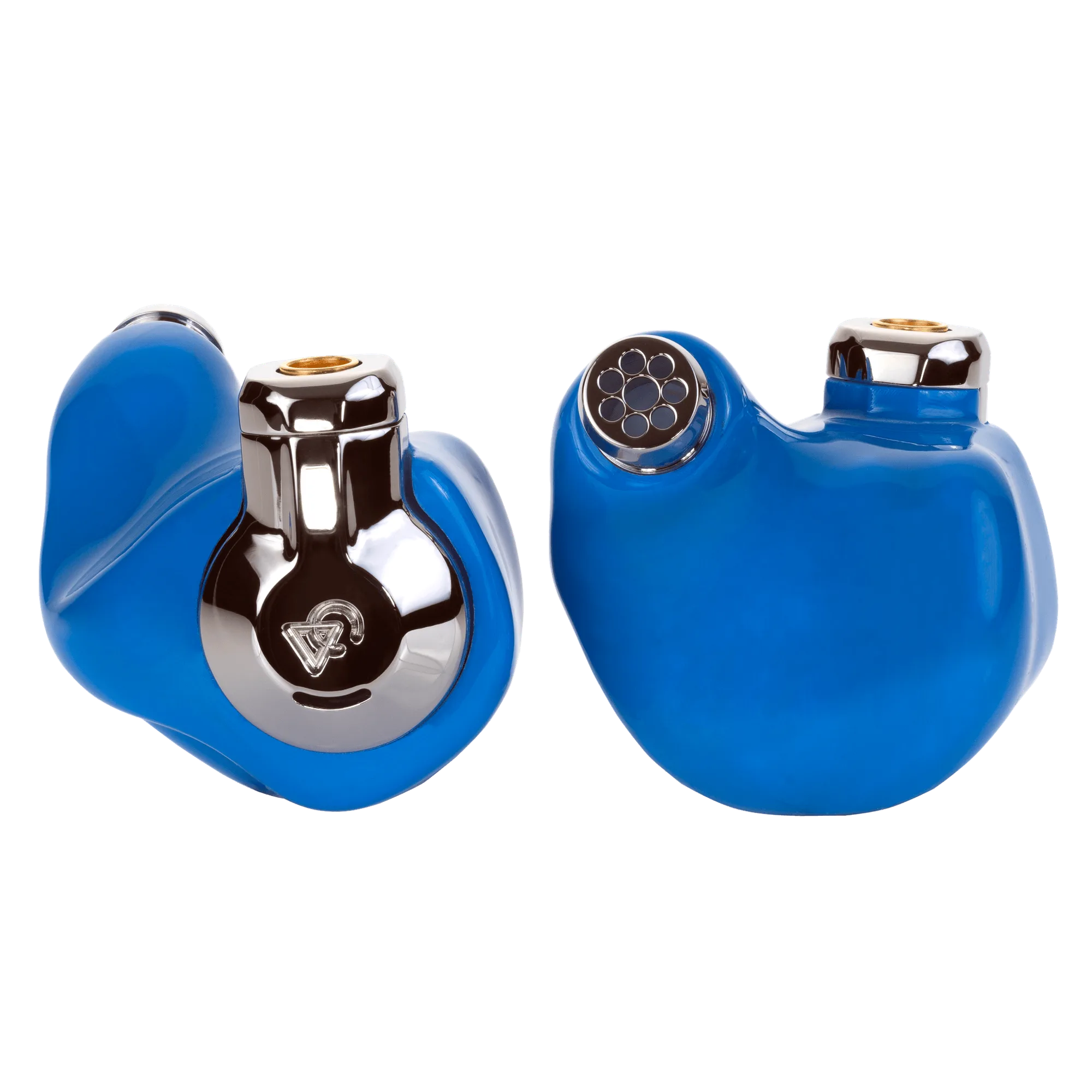
Cascara: Full-range dynamic driver tuned for acoustic intricacies and live performance energy The Cascara's pitch is sound character rather than connectivity, so it suits listeners who prioritize the earphone's presentation over built-in source features.
Cascara
-
Cascara: Available in Black Color is the only variant evidence supplied; the record does not confirm cable termination, included accessories, or tip sizes.
Axion vs Cascara at a glance
- Connection: Axion: USB-C cable with built-in DAC. Cascara: the supplied record does not specify cable or termination, so check before buying.
- Microphone and controls: Axion: in-line microphone with button controls for calls and media. Cascara: not confirmed by the supplied information.
- Driver: Axion: full-range Silicon Dynamic Driver (SDD). Cascara: full-range dynamic driver.
- Intended use: Axion: plug-and-play portable everyday HiFi. Cascara: immersive listening for audiophiles and live music enthusiasts.
- Confirmed specs: Axion: 32 bit/384 kHz, 1 vrms, Gold PVD stainless accents, transparent acrylic housing. Cascara: no additional specifications supplied.
What the records do not tell you
Neither product record supplies ear-tip sizes, nozzle dimensions, or fit measurements. The Axion record describes a compact, ergonomic form factor, but that is not a substitute for trying the earphone with tips that suit your ears. The Cascara record does not confirm a cable, termination, or whether it includes a microphone.
The Axion's USB-C connection also does not guarantee interoperability with every phone, tablet, or computer. The record states USB-C connectivity and a built-in DAC, but it does not list supported operating systems, required power, or whether every USB-C port will work. Check your device's USB-C audio support before relying on the Axion as your only headset.
How to choose based on your habits
- You take calls and watch video on a laptop or phone: The Axion's in-line microphone and button controls make it the more practical single-cable choice, provided your device supports USB-C audio.
- You already own a dedicated player or dongle DAC: The Cascara lets you keep that source and choose the earphone for its full-range dynamic presentation; confirm the cable and termination separately.
- You want the smallest possible everyday carry: The Axion's compact housing and integrated cable reduce the number of parts you carry, though the record does not give exact dimensions.
- You are buying your first audiophile IEM: The Axion is the lower-risk first step because it includes the DAC and cable; the Cascara makes more sense once you know you want to build around a separate source.
A practical buying sequence
Start by checking the source you will actually use. If it has a USB-C port that supports audio and you want calls and media buttons, the Axion covers the whole chain. If you already have a player or dongle and prefer to choose your own cable, look at the Cascara and confirm its termination and included accessories with the store before ordering.
Then consider fit. Neither record gives tip sizes, so plan to experiment with the tips you have or ask what is included. Finally, treat the price difference as a signal about scope: the Axion bundles the DAC and cable, while the Cascara's cost is concentrated in the earphone itself. Neither approach is better in the abstract; they simply solve different parts of the setup.