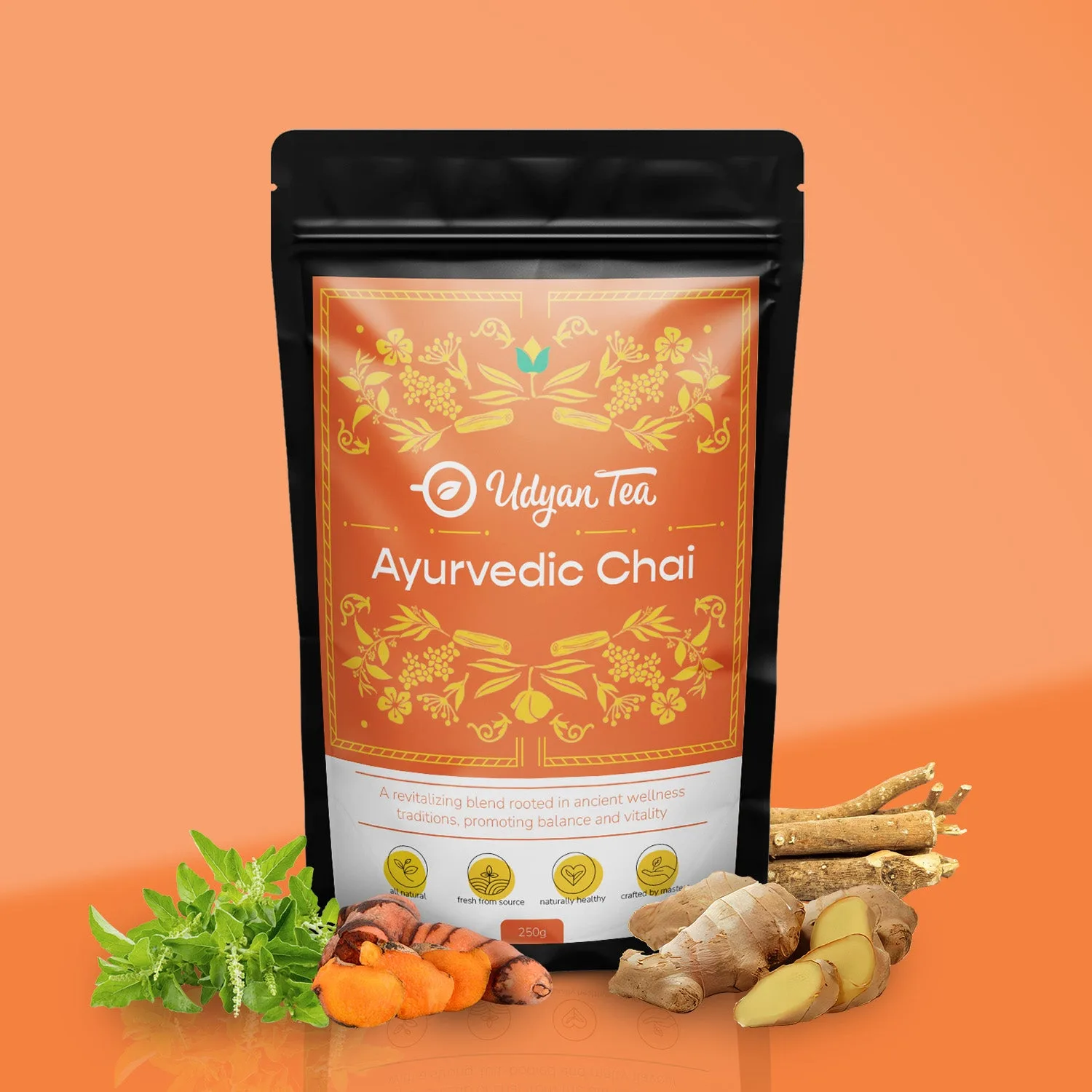
Quick answer
Choose Ayurvedic CTC Chai if you want a herb-forward blend built around traditional wellness herbs; choose Elaichi CTC Chai if you want the familiar, aromatic lift of cardamom over a bold malty base. Both are CTC black teas designed for milk, so the real decision is flavor direction, not brewing difficulty.
Flavor direction: herbal complexity vs cardamom clarity
The two blends start from the same bold CTC black tea base, but they pull in opposite directions. Ayurvedic CTC Chai weaves traditional herbs into the tea, so expect a more layered, herbaceous cup that changes as you sip. Elaichi CTC Chai keeps the focus on cardamom: the strong, malty base is complemented by aromatic cardamom, giving you a cleaner, more predictable spice note.
If you like chai where the spice blend is the point, Ayurvedic is the more interesting cup. If you want cardamom to be the unmistakable star, Elaichi delivers that without guesswork.
Milk and brewing: both are built for a milky cup
Both products are CTC black teas, the type traditionally brewed strong and finished with milk. Neither product listing specifies a leaf grade, steeping time, or water temperature, so start with your usual CTC chai method and adjust to taste rather than expecting a printed regimen. A dash of milk is explicitly suggested for Ayurvedic CTC Chai; Elaichi CTC Chai is described as capturing classic Indian chai, which is typically a milk-based preparation.
Because the catalog does not list caffeine content or herb quantities, treat any wellness expectation as a flavor preference rather than a measured benefit. If you need precise dosing or caffeine information, ask the store before buying.
The trade-off you are actually making
Ayurvedic CTC Chai trades the single-note clarity of cardamom for a broader herbal profile. That is rewarding if you enjoy discovering layers in your chai, but it can feel less predictable if you want the same familiar cup every morning. Elaichi CTC Chai trades novelty for consistency: cardamom and malt are a well-known pairing, so it is easier to serve to guests or to drink daily without recalibrating your taste.
Price is not a differentiator here: both are listed at USD 199.50 with a comparison price of USD 399.00, and both offer a Size option. Your decision comes down to which flavor direction you will actually finish.
Decision rules for your next chai purchase
- You want cardamom to lead: Pick Elaichi CTC Chai. Its cardamom note sits clearly over the malty CTC base, so the cup tastes like classic cardamom chai rather than a multi-herb blend. If you already add cardamom to your chai, this blend saves you the extra step.
- You want a herb-forward cup: Pick Ayurvedic CTC Chai. The traditional herbs make the flavor more layered and less cardamom-centric, which suits drinkers who want something beyond standard spiced chai. Try a small size first if you are unsure about herbal intensity.
- You serve mixed company: Elaichi CTC Chai is the safer crowd-pleaser because cardamom and malt are a familiar pairing. Ayurvedic CTC Chai is better for a household that already enjoys herbal teas and wants variety. Buying both in the smallest size lets you compare before committing to a larger pack.
Product facts at a glance
-
Ayurvedic CTC Chai: Blends CTC black tea with traditional herbs for a wellness-oriented cup. Choose this if you want a chai where herbs, not just spice, shape the flavor.
-
Elaichi CTC Chai: Pairs a strong, malty CTC base with aromatic cardamom. Choose this if you want a cardamom-forward chai that is easy to recognize and repeat.
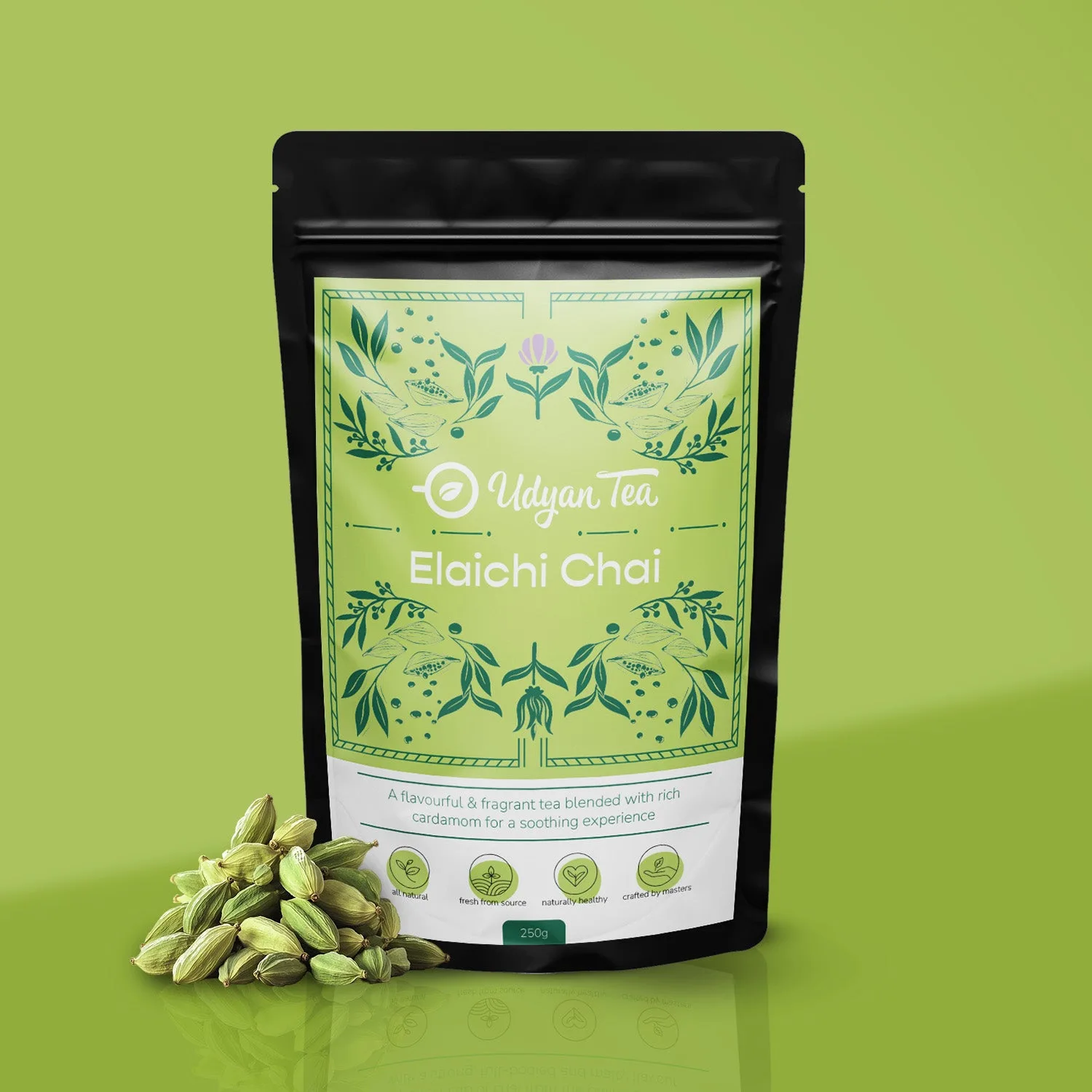
Elaichi CTC Chai
Who should choose which
Best for
- Drinkers who want a cardamom-forward everyday chai (Elaichi CTC Chai)
- Anyone curious about a traditional-herb CTC blend for variety (Ayurvedic CTC Chai)
- Milk-based chai routines, since both are CTC black teas
Not for
- People who need measured herb doses or caffeine data, which the listings do not provide
- Drinkers who dislike cardamom and want a plain CTC chai
- Anyone expecting a green or oolong tea experience