If you struggle with persistent redness, flushing, or the telltale bumps of rosacea, you know how frustrating it can be to find a skincare ingredient that actually helps without causing further irritation. Many popular active ingredients are too harsh for sensitive, redness-prone skin, leaving you feeling stuck between wanting results and avoiding flare-ups.
Enter azelaic acid—a gentle yet powerful multitasker that has become a go-to for dermatologists and skincare enthusiasts alike. Unlike stronger acids that exfoliate aggressively, azelaic acid works to calm inflammation, even out skin tone, and reduce the redness associated with rosacea. In this guide, we'll explore exactly how azelaic acid works, who should use it, and how to incorporate it into your routine for the best results.
What Is Azelaic Acid and How Does It Help Rosacea?
Azelaic acid is a naturally occurring dicarboxylic acid found in grains like barley, wheat, and rye. In skincare, it is prized for its ability to address multiple skin concerns at once—especially redness, inflammation, and uneven texture. For those with rosacea, azelaic acid is a game-changer because it targets the root causes of the condition: it reduces inflammation, calms the overactive immune response that leads to flushing, and helps normalize the skin's barrier function.
One of the key ways azelaic acid helps rosacea is by inhibiting the production of reactive oxygen species (free radicals) that contribute to redness and swelling. It also has antimicrobial properties, which can help control the Demodex mites and bacteria that are sometimes linked to rosacea flare-ups. Additionally, azelaic acid gently exfoliates the skin and helps fade post-inflammatory hyperpigmentation, making it an excellent choice for those dealing with both redness and lingering dark spots.
- Reduces inflammation and redness associated with rosacea
- Helps normalize skin barrier function
- Antimicrobial properties target bacteria and mites
- Gentle exfoliation improves skin texture and tone
Who Should Use Azelaic Acid?
Azelaic acid is suitable for a wide range of skin types, but it is especially beneficial for those with sensitive, redness-prone, or rosacea-affected skin. Unlike stronger acids such as glycolic or salicylic acid, azelaic acid is much gentler and less likely to cause stinging or irritation, making it a top choice for reactive skin. It is also safe for use during pregnancy and breastfeeding, which is an added bonus for many.
If you have combination or oily skin, azelaic acid can also help manage breakouts by reducing inflammation and preventing clogged pores. For those with darker skin tones, it is a fantastic option for fading hyperpigmentation without the risk of hypopigmentation that some stronger ingredients can cause. However, if you have very dry or compromised skin, it is always a good idea to start with a lower concentration and patch test first.
- Ideal for sensitive, redness-prone, and rosacea-prone skin
- Safe for pregnancy and breastfeeding
- Helps with both acne and hyperpigmentation
- Gentle enough for daily use
How to Incorporate Azelaic Acid into Your Skincare Routine
To get the most out of azelaic acid, consistency is key. Start by using it once a day, preferably in the evening, after cleansing and before moisturizing. If your skin tolerates it well, you can gradually increase to twice daily (morning and night). Always apply azelaic acid to clean, dry skin and follow up with a gentle, hydrating moisturizer to support your skin barrier.
When layering with other active ingredients, azelaic acid plays well with most. It can be used alongside niacinamide, hyaluronic acid, and even vitamin C (in separate routines). However, avoid using it at the same time as strong exfoliants like AHAs or BHAs to prevent over-sensitizing the skin. Sunscreen is non-negotiable when using any active ingredient, and azelaic acid is no exception—always finish your morning routine with broad-spectrum SPF 30 or higher.
- Start with once-daily use, then increase to twice daily if tolerated
- Apply to clean, dry skin before moisturizer
- Pair with niacinamide or hyaluronic acid for extra calming
- Always use sunscreen during the day
What to Look for in an Azelaic Acid Product
When shopping for an azelaic acid product, look for a concentration between 10% and 20% for over-the-counter options. Lower concentrations (10%) are great for beginners or those with very sensitive skin, while higher concentrations (15–20%) offer more potent results for stubborn redness or hyperpigmentation. The formulation also matters—choose products that are free from common irritants like fragrance, alcohol, and essential oils.
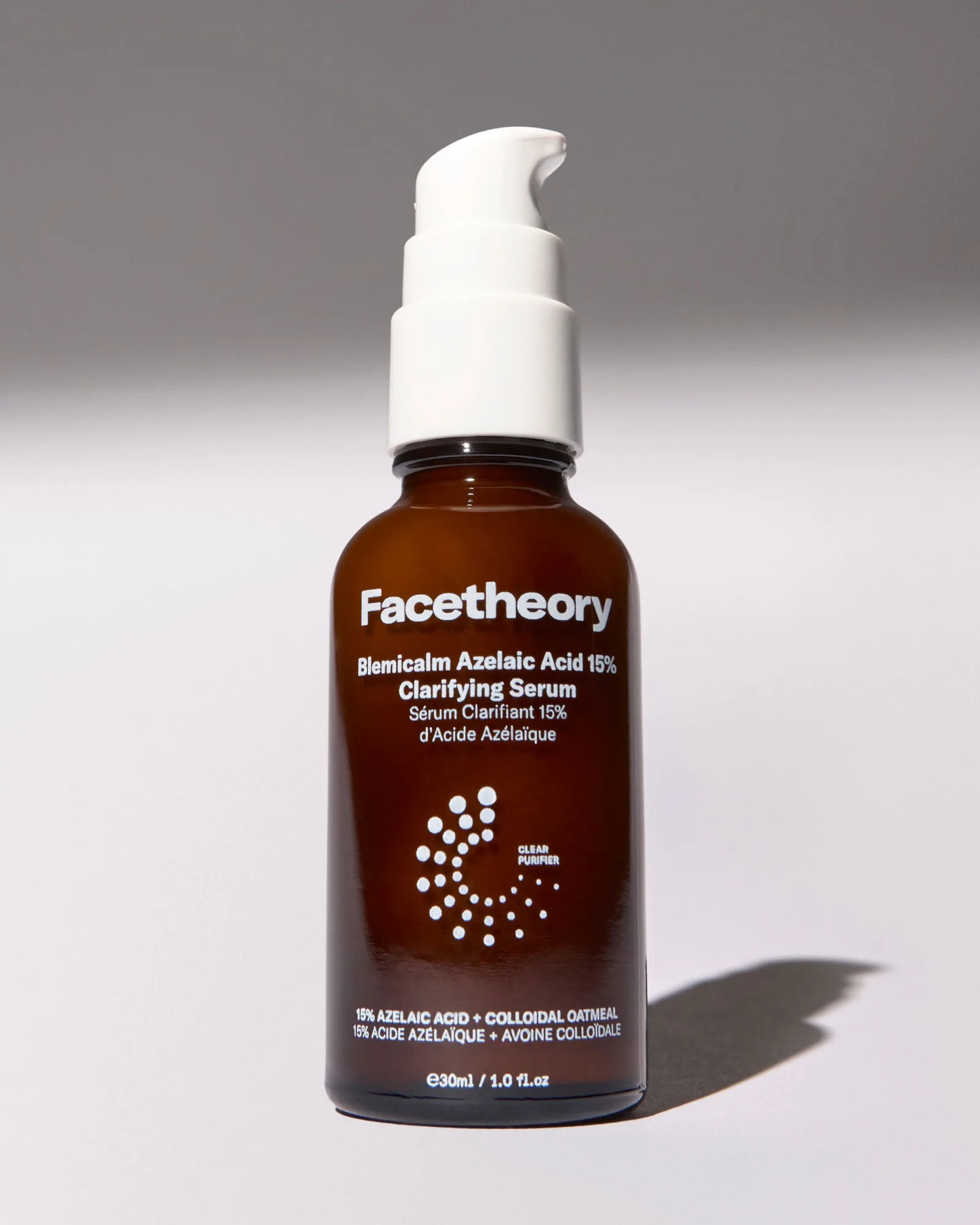
One standout product is the Blemicalm BHA 2% Clarifying Toner, which combines azelaic acid with salicylic acid to target both redness and breakouts. For those who prefer a serum format, look for a dedicated azelaic acid serum that can be layered easily. And if you are new to azelaic acid, start with a lower concentration and patch test to ensure your skin responds well.
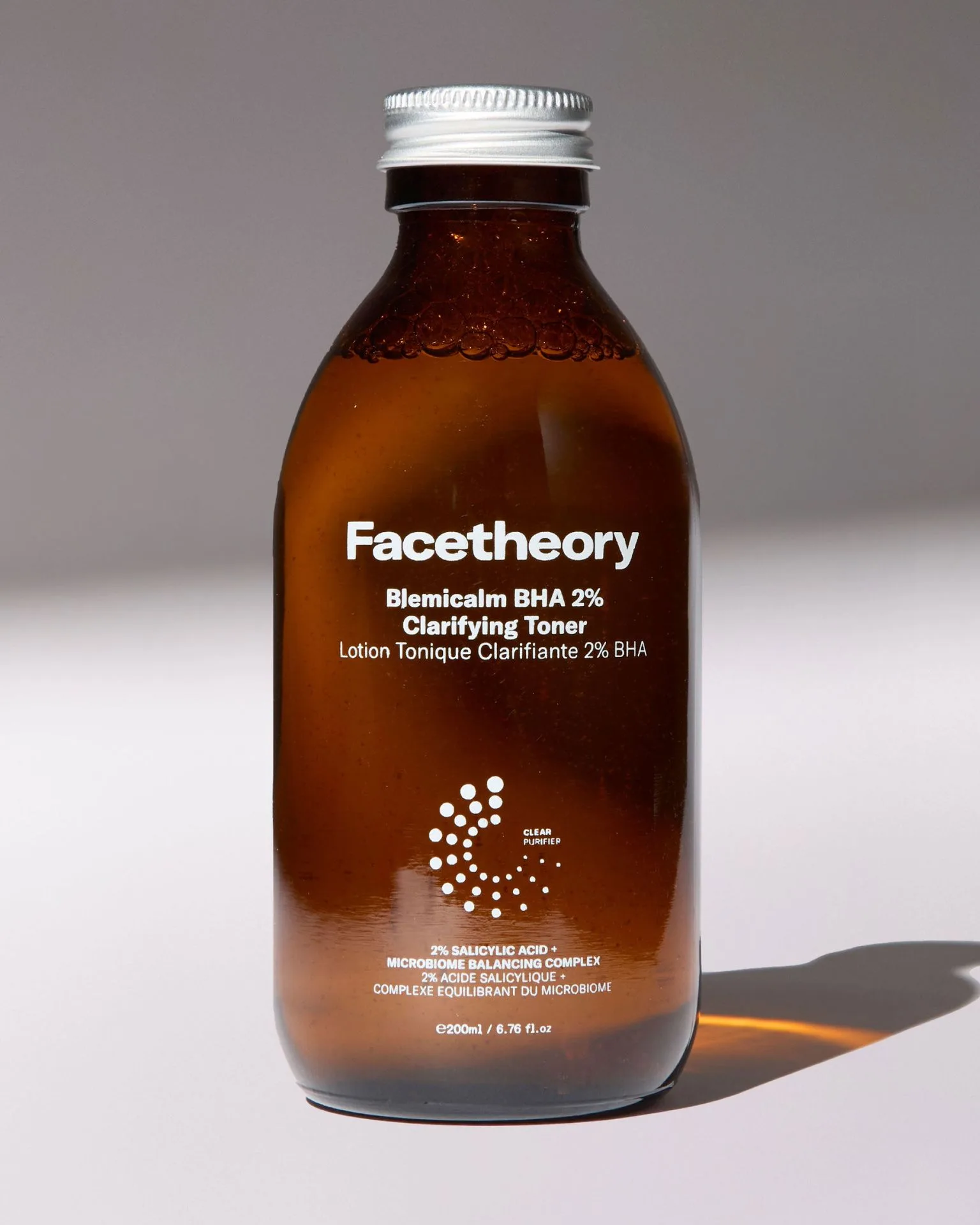
Blemicalm BHA 2% Clarifying Toner
- Look for 10–20% azelaic acid concentration
- Avoid products with fragrance, alcohol, or essential oils
- Consider combination formulas with BHA for acne-prone skin
- Patch test before full application
Azelaic Acid vs. Other Redness Treatments
Azelaic acid is not the only ingredient that can help with redness, but it stands out for its unique combination of benefits. Niacinamide is another excellent calming ingredient that strengthens the skin barrier and reduces inflammation, but it does not exfoliate or address hyperpigmentation as effectively as azelaic acid. Centella asiatica (cica) is a soothing botanical that reduces redness but lacks the antimicrobial and exfoliating properties of azelaic acid.
For those with rosacea, prescription treatments like metronidazole or ivermectin are often recommended, but azelaic acid is a powerful over-the-counter alternative that can be used alongside or in place of these medications. It is also much gentler than retinoids, which can exacerbate redness and irritation in sensitive skin. Ultimately, azelaic acid offers a well-rounded approach that tackles redness, inflammation, texture, and pigmentation all at once.
- Azelaic acid exfoliates and fades pigmentation, unlike niacinamide
- Gentler than retinoids for redness-prone skin
- Can complement prescription rosacea treatments
- Multitasking ingredient for a streamlined routine
Real Results: What to Expect When Using Azelaic Acid
Patience is important when using azelaic acid for rosacea and redness. Most users notice a visible reduction in redness and inflammation within 4 to 8 weeks of consistent use. The skin may feel smoother and look more even-toned as the ingredient gently exfoliates and calms irritation. For hyperpigmentation, results can take a bit longer—typically 8 to 12 weeks—but the gradual fading is worth the wait.
Some people experience a mild tingling or itching sensation when first applying azelaic acid, but this usually subsides within a few minutes. If irritation persists, reduce usage to every other day or switch to a lower concentration. It is also important to note that azelaic acid is not a quick fix—it works best as part of a consistent, long-term skincare routine that includes gentle cleansing, hydration, and sun protection.
- Noticeable reduction in redness within 4–8 weeks
- Hyperpigmentation fades over 8–12 weeks
- Mild tingling is normal and temporary
- Consistency and sun protection are key
If you are ready to take control of rosacea and redness, azelaic acid is a gentle yet effective ingredient that can make a real difference. Start with a well-formulated product like the Blemicalm BHA 2% Clarifying Toner to combine azelaic acid's calming power with BHA's pore-clearing benefits. With consistent use and the right routine, you can achieve calmer, more even-toned skin that feels as good as it looks.