Navigating the world of acne treatments can feel overwhelming, especially when you're faced with ingredients like azelaic acid and salicylic acid. Both are celebrated for their ability to clear breakouts, reduce inflammation, and improve skin texture, but they work in very different ways. If you've ever wondered which one is truly best for your acne-prone skin, you're not alone.
In this guide, we'll break down the key differences between azelaic acid and salicylic acid, explore their unique benefits, and help you decide which ingredient—or combination—deserves a spot in your routine. Whether you're dealing with occasional pimples or persistent congestion, understanding these acids is your first step toward clearer, calmer skin.
What Is Azelaic Acid?
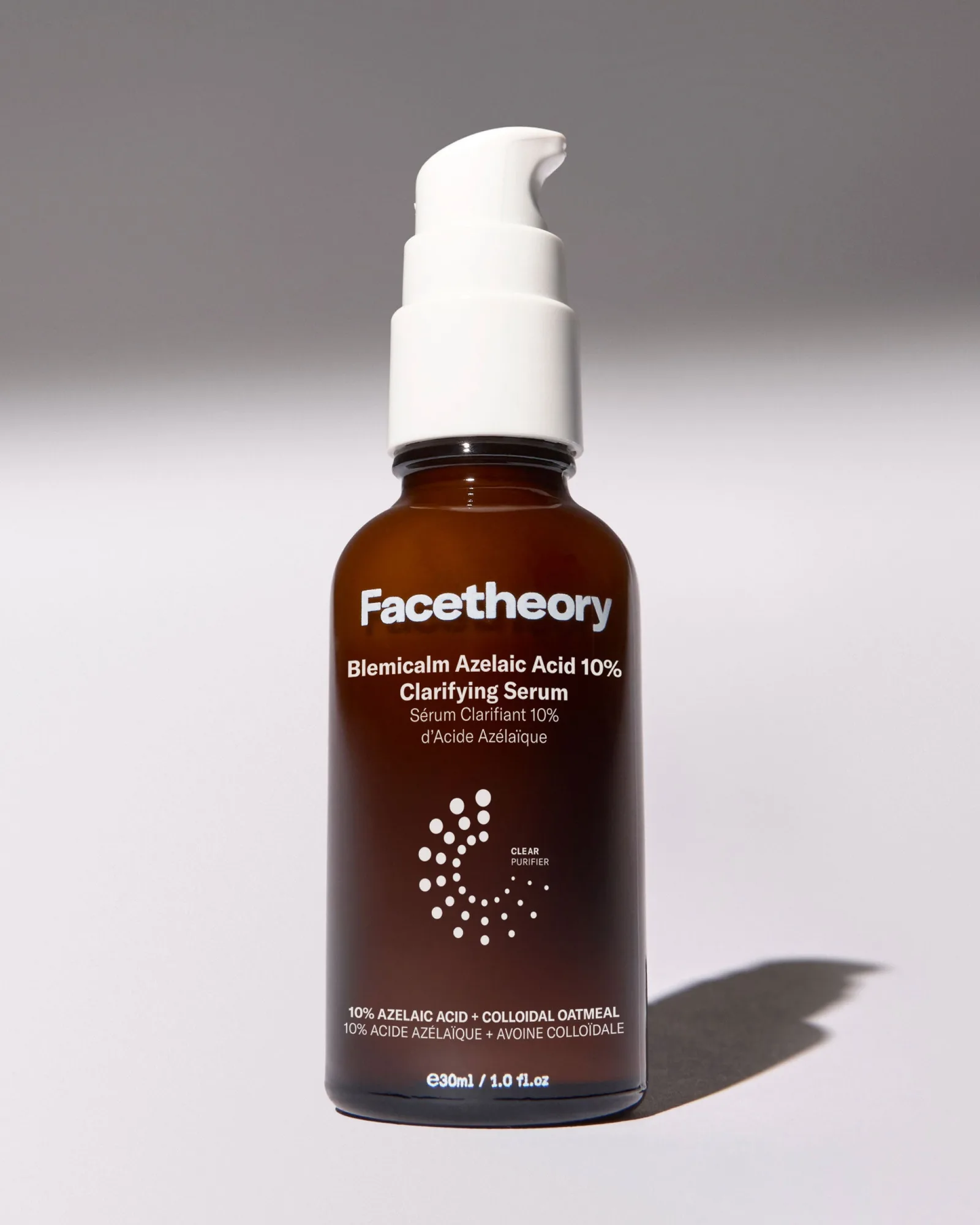
Azelaic acid is a naturally occurring dicarboxylic acid found in grains like wheat, barley, and rye. In skincare, it's prized for its gentle yet effective ability to combat acne, reduce redness, and even out skin tone. Unlike some harsh acne fighters, azelaic acid is well-tolerated by sensitive skin types and can be used long-term without causing irritation or dryness.
This multitasking ingredient works by killing acne-causing bacteria, reducing inflammation, and helping to unclog pores by normalizing skin cell turnover. It's also a powerful ally against post-inflammatory hyperpigmentation (PIH), making it ideal for those who struggle with dark spots left behind after breakouts. Azelaic acid is often found in serums and creams designed for blemish-prone or rosacea-prone skin.
- Reduces both acne and redness simultaneously
- Helps fade dark spots and hyperpigmentation
- Gentle enough for daily use, even on sensitive skin
What Is Salicylic Acid?
Salicylic acid is a beta hydroxy acid (BHA) derived from willow bark. It is oil-soluble, meaning it can penetrate deep into the pores to dissolve excess sebum and dead skin cells that cause blackheads and whiteheads. This makes it one of the most effective ingredients for treating comedonal acne and preventing future clogged pores.
Salicylic acid also has anti-inflammatory properties, which help calm swollen, red pimples. However, because it exfoliates the skin's surface and inside the pores, it can sometimes cause dryness or peeling, especially if used in high concentrations or too frequently. For best results, it's often used in cleansers, toners, or serums formulated for oily and combination skin types.
- Penetrates deep into pores to clear blockages
- Excellent for blackheads and whiteheads
- May cause dryness; start with lower concentrations
Azelaic Acid vs Salicylic Acid: Key Differences
The primary difference between azelaic acid and salicylic acid lies in their mechanism of action and skin type suitability. Azelaic acid is more of a gentle multitasker that fights bacteria, reduces inflammation, and fades marks, making it ideal for sensitive, redness-prone, or rosacea-affected skin. Salicylic acid, on the other hand, is a potent exfoliant that targets pore congestion and is best for oily, non-sensitive skin types.
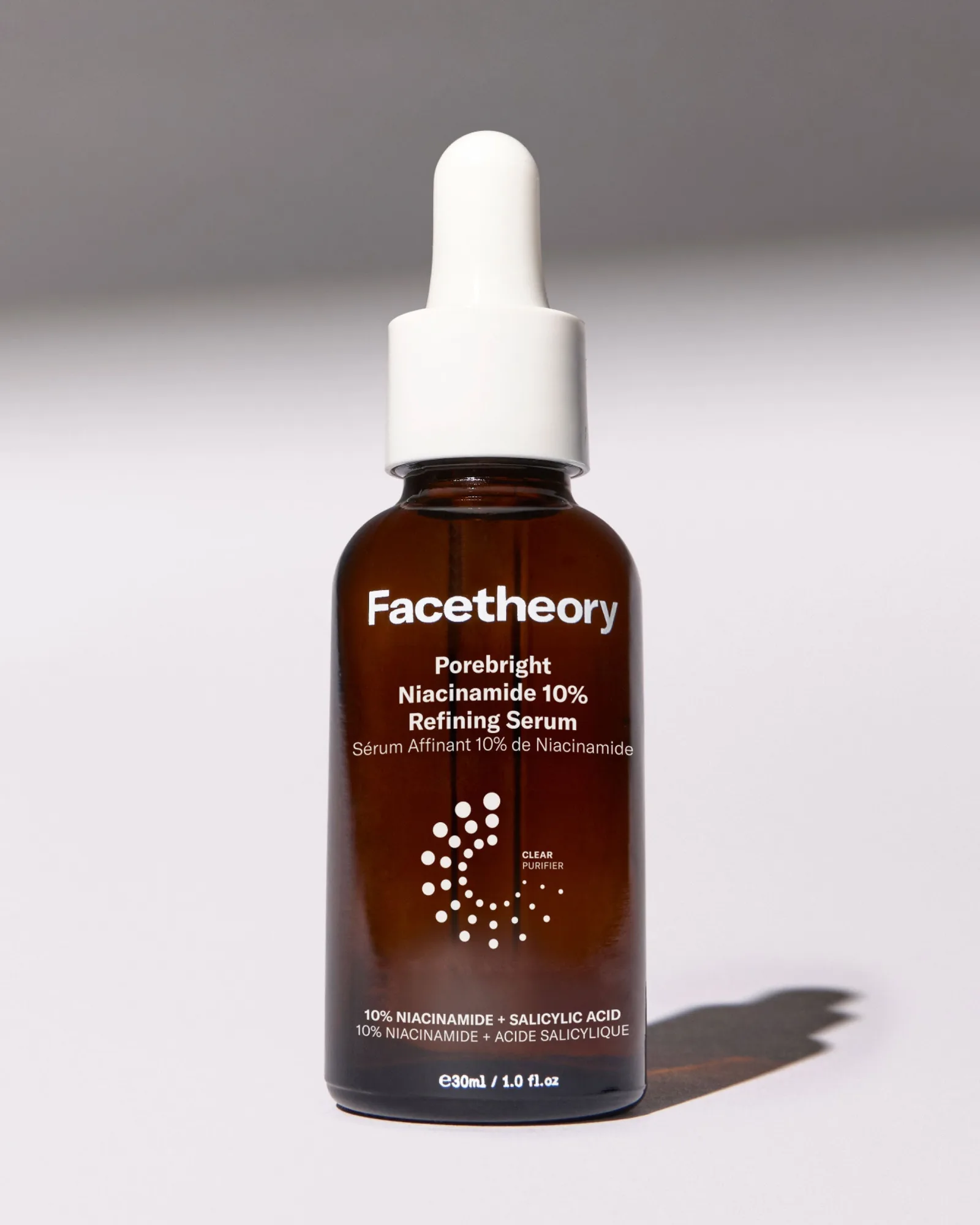
When it comes to acne severity, salicylic acid is often preferred for mild to moderate comedonal acne, while azelaic acid shines for inflammatory acne with pustules and papules. Both can be used together in a skincare routine—azelaic acid in the morning and salicylic acid at night, for example—but always introduce them slowly to avoid irritation. For a targeted approach, consider a clarifying serum that combines gentle exfoliation with soothing benefits.
- Azelaic acid: anti-bacterial, anti-inflammatory, brightening
- Salicylic acid: exfoliating, pore-clearing, oil-controlling
- Can be layered if skin tolerates both
How to Choose the Right Ingredient for Your Acne
Your choice between azelaic acid and salicylic acid should depend on your primary skin concerns. If you're dealing with inflamed, red pimples and post-acne marks, azelaic acid is your best bet. It's also a fantastic option if you have sensitive skin that reacts poorly to stronger exfoliants. Products like the Resurfa AHA & BHA Exfoliating Serum can provide a balanced approach by combining gentle chemical exfoliation with soothing ingredients.
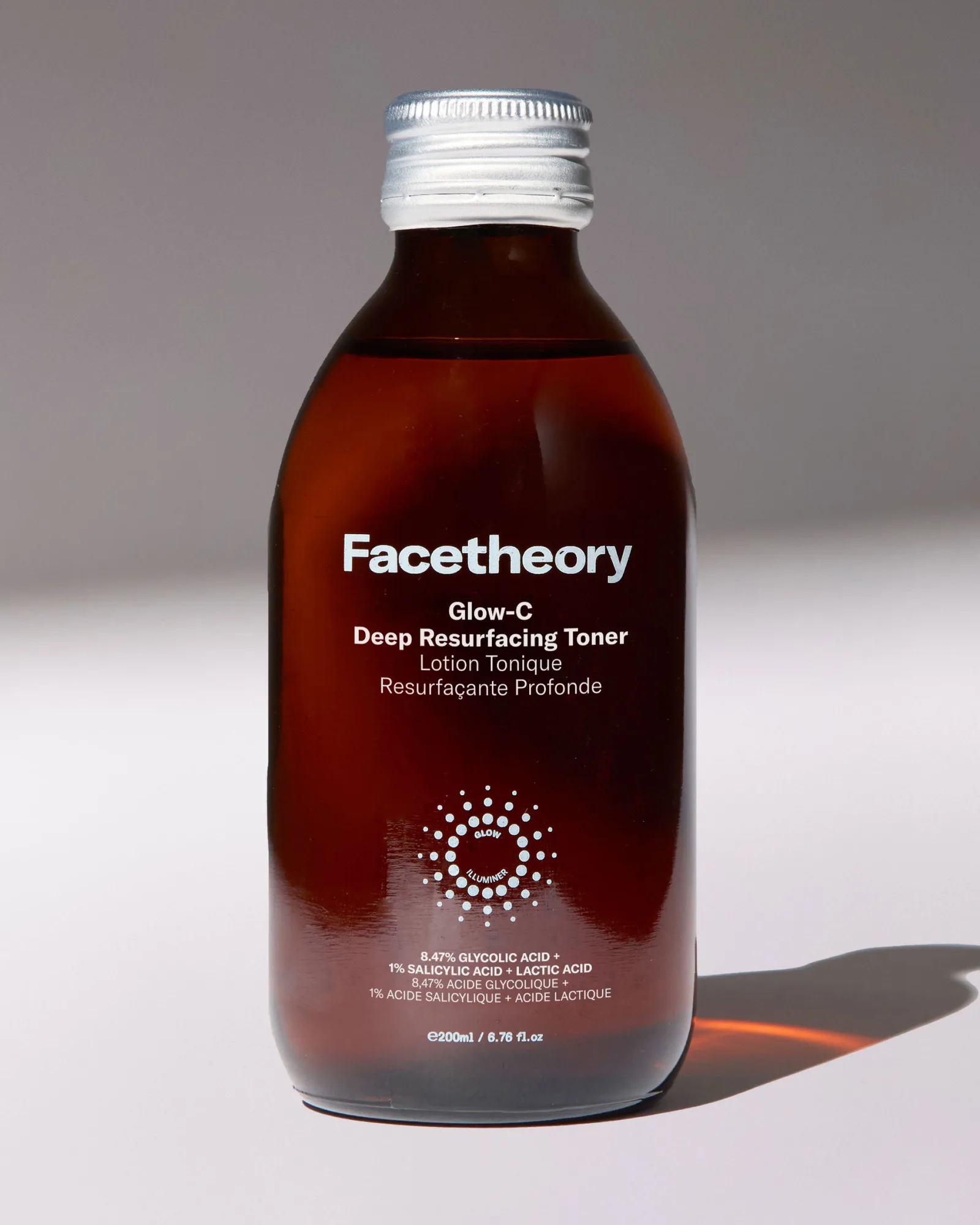
On the other hand, if blackheads and whiteheads are your main issue, salicylic acid is more effective at keeping pores clear. A dedicated salicylic acid toner or cleanser can make a noticeable difference. For those who want both benefits, consider using a gentle salicylic acid product in the evening and an azelaic acid serum in the morning to address congestion and inflammation simultaneously.
- For inflamed acne + dark spots: choose azelaic acid
- For blackheads + oily skin: choose salicylic acid
- For combination concerns: try both at different times of day
How to Incorporate These Acids Into Your Routine
Start by introducing one acid at a time to see how your skin reacts. For azelaic acid, apply a pea-sized amount after cleansing and before moisturizing, both morning and night if tolerated. For salicylic acid, use a leave-on product like a toner or serum 2-3 times per week initially, then gradually increase to daily use if no irritation occurs.
Always follow up with a broad-spectrum sunscreen during the day, as both acids can increase sun sensitivity. If you're new to active ingredients, patch test first and consider using a hydrating moisturizer to support your skin barrier. The key is consistency without over-exfoliation—listen to your skin and adjust frequency as needed.
- Apply azelaic acid to clean, dry skin
- Use salicylic acid at night to avoid sun sensitivity
- Always moisturize and wear SPF
Ultimately, both azelaic acid and salicylic acid are powerful tools for acne-prone skin, but the best choice depends on your unique skin type and concerns. For a gentle yet effective option that tackles inflammation and hyperpigmentation, azelaic acid is a standout. If deep pore cleansing and oil control are your priorities, salicylic acid wins. Whichever you choose, start slow and be patient—clear skin is a journey, not a race.