Quick answer
For most babies, plain lukewarm water and a small amount of fragrance-free, dye-free cleanser two to three times a week is enough. Daily bathing is not required and can dry out newborn skin. Add specialty items like bath bombs, soaks, or bum creams only after you have patch-tested them and confirmed the ingredient list is short and free of harsh surfactants, synthetic fragrance, and strong essential oils.
How often should a baby actually be bathed?
Two to three times a week is the standard for newborns and young infants. Between baths, spot-clean the face, neck folds, hands, and diaper area with a warm damp cloth. Once your baby is crawling and eating solids, you can move to a daily bath if it helps with mess and routine, but keep the water lukewarm, cap it at about 10 minutes, and moisturize within three minutes of lifting them out. If your baby has eczema or very dry skin, ask your pediatrician before increasing frequency.
Which ingredients should you avoid in baby bath products?
Scan the label for three things: synthetic fragrance or parfum, strong essential oils used at high concentration (peppermint, eucalyptus, clove, cinnamon), and harsh foaming agents. Fragrance is the most common cause of contact irritation in young skin, and essential oils that feel pleasant to adults can sting or sensitize a baby's thinner skin barrier. Sulfate-heavy cleansers can strip natural oils and leave skin tight. Preservatives are necessary in any water-based product, so do not avoid them outright; instead, choose products with a short, transparent ingredient list from a brand you can contact with questions.
Are bath bombs safe for babies?
Most bath bombs are designed for adult skin and are not appropriate for infants. The fizzing action, concentrated fragrance, and high essential oil load can irritate a baby's skin and, in the case of strong menthol or eucalyptus blends, cause discomfort near the eyes. If you want to use a bath bomb, wait until your child is older and can sit upright and follow simple instructions, then break off a small piece, dissolve it fully in a separate basin of water, and patch-test on the inner arm 24 hours before the bath. Never let a child hold or play with an undissolved bath bomb, and do not use one in a baby tub where the water will be swallowed or splashed into eyes.
What does a baby bath routine look like step by step?
Set everything within arm's reach before you undress your baby: a hooded towel, a clean diaper, a gentle cleanser, a soft washcloth, and a fragrance-free moisturizer. Fill the tub with two to three inches of lukewarm water (test with your wrist or elbow, not your hand). Wash the face and head first with plain water, then use a small amount of cleanser on the body. Rinse thoroughly, lift your baby out, pat dry rather than rub, and moisturize while the skin is still slightly damp. Keep the room warm and the whole process under 10 minutes to reduce crying and heat loss.
When should you call a pediatrician about a bath product reaction?
Call if you see spreading redness, hives, swelling, blisters, or weeping skin after a bath, or if your baby seems uncomfortable for more than a few minutes after drying off. Mild pinkness that fades within 30 minutes is usually just warmth from the water, not a reaction. If a product gets into the eyes, rinse with clean lukewarm water for several minutes and call your pediatrician if redness or crying continues. Stop using the product immediately and note the ingredient list so you can share it with your doctor. For diaper-area irritation, a soothing cream with calendula and clove can help calm soreness, but check with your pediatrician if the rash is bright red, raised, or has satellite spots, which can indicate a yeast infection.
Baby bath FAQ quick reference
How often should I bathe my baby?
Two to three times a week for newborns and infants; daily once crawling and eating solids if it helps your routine. More frequent bathing can dry out young skin, so moisturize after every bath.
Can I use a bath bomb in my baby's bath?
No. Bath bombs are formulated for adult skin and often contain concentrated fragrance and essential oils that can irritate a baby's skin and eyes. Wait until your child is older and can sit upright, then patch-test a small piece first.
What should I look for on a gentle baby soap label?
A short ingredient list, no synthetic fragrance or parfum, no harsh sulfates, and no high-concentration essential oils like peppermint or eucalyptus. If you cannot identify most of the ingredients, choose a simpler product.
When should I stop using a product?
Stop immediately if you see spreading redness, hives, swelling, or blisters, and call your pediatrician if symptoms do not fade quickly. Keep the ingredient list so you can share it with your doctor.
Product facts parents can use
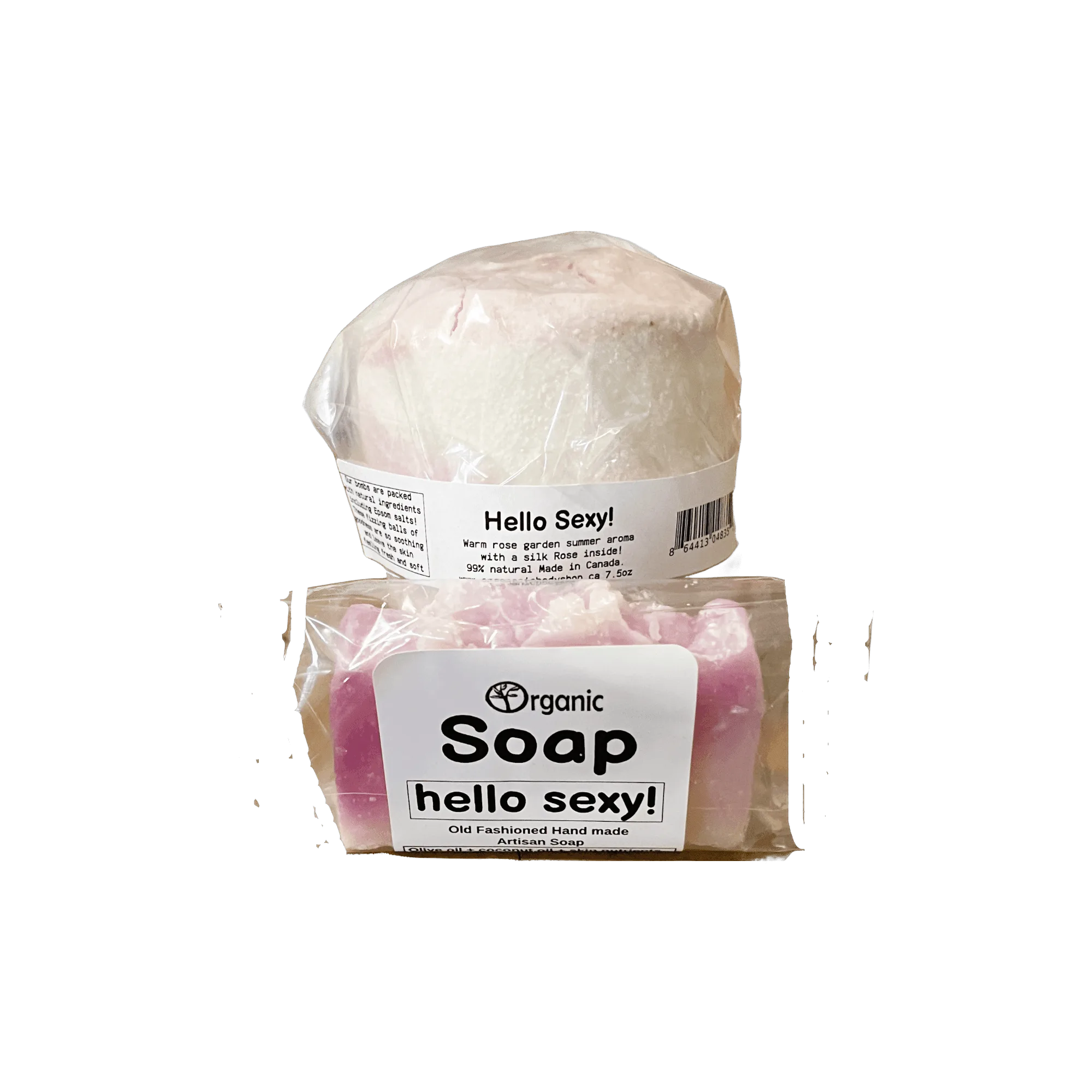
- hello sexy! Bath Gift 2pc. Rose spice aroma.: Hello Sexy! Bath Gift 2pc. Rose spice aroma includes a natural soap bar and a bath bomb with a silk rose inside, made with a blend of essential oils. This is an adult-oriented gift set, not a baby product. The rose and spice aroma and the bath bomb format mean it should be kept for grown-up baths, not used in a baby's tub.
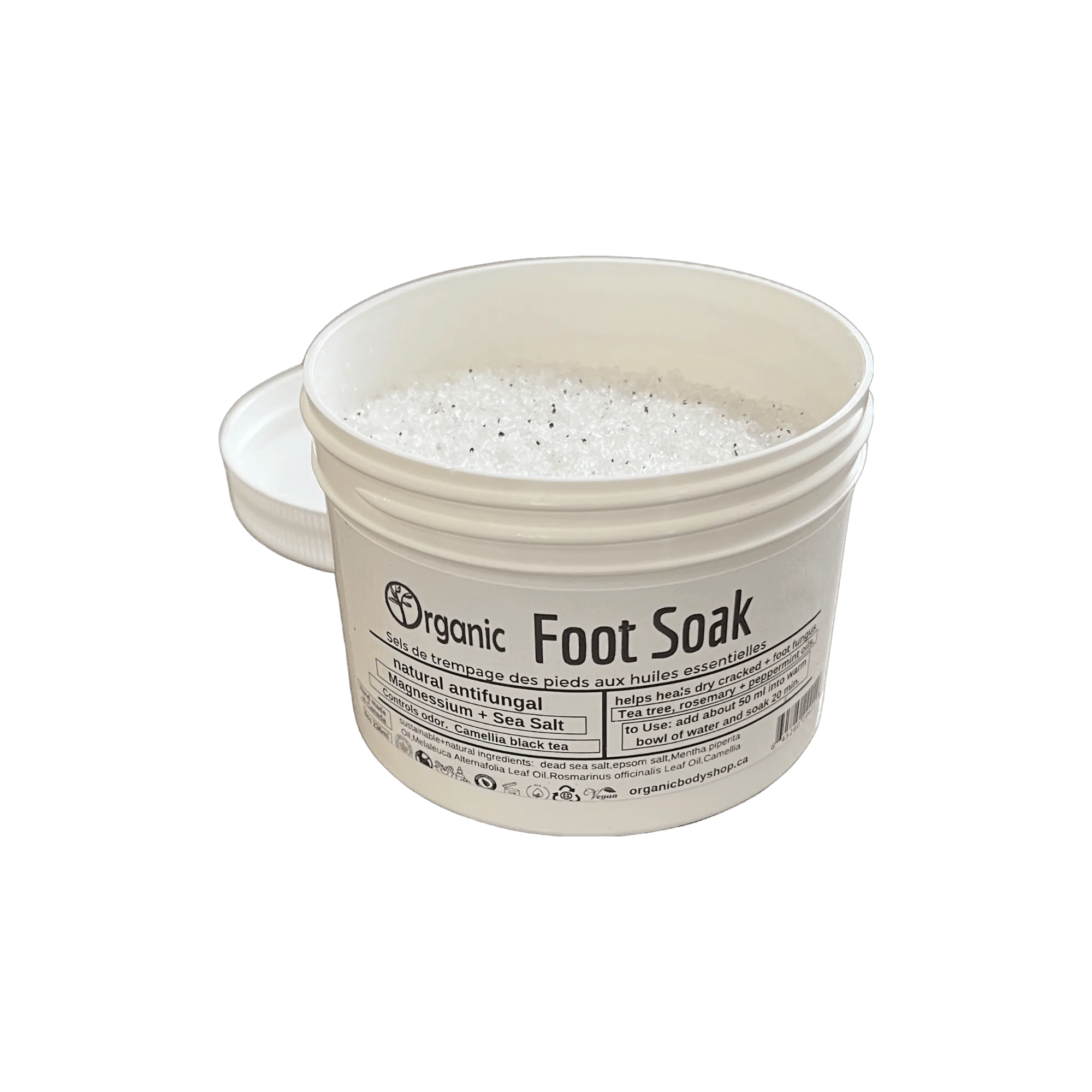
- Foot Soak. Natural Salts. Antifungal oils. 8oz: Foot Soak. Natural Salts. Antifungal oils. 8oz contains natural minty essential oils, natural salts, and black tea, with antifungal, antimicrobial, and antibacterial properties. Magnesium and Dead Sea salts are listed for soothing and anti-inflammatory benefits. This is formulated for feet, not infant skin. The minty essential oils and salt concentration are too strong for a baby's bath, but it can help a parent's own post-bath recovery.
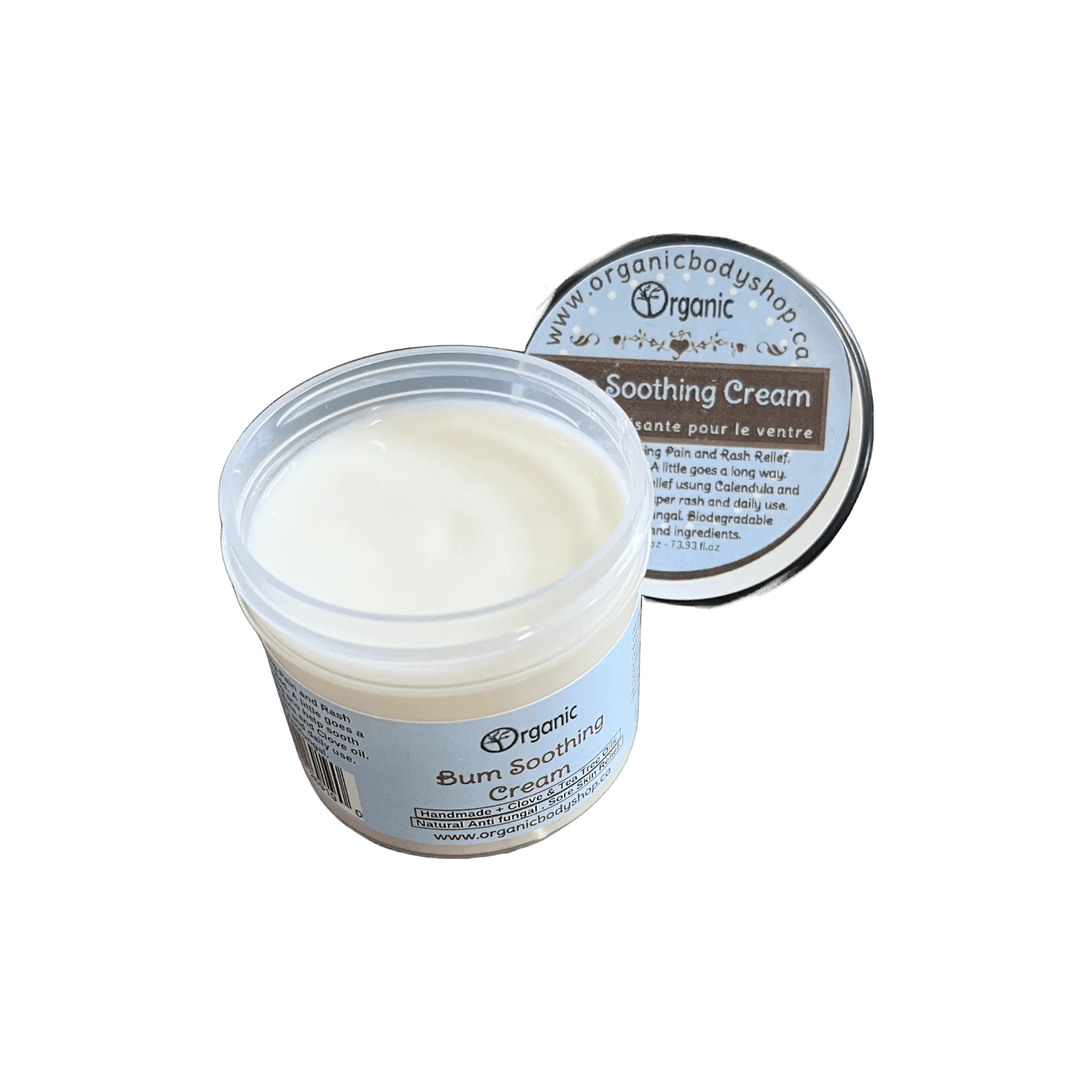
- Bum Cream. Soothing Clove+Calendula: Bum Cream. Soothing Clove+Calendula is a fast-absorbing cream with calendula oil for its natural anti-fungal properties and clove essential oil to ease soreness, in a fresh linen and bergamot aroma. This cream is designed for the diaper area and soothing sore skin. Patch-test on a small area of the thigh first, and avoid use on broken skin unless your pediatrician approves.