Quick answer
Choose a carrier by matching three things: your baby's current weight and development, how long you'll wear it at a time, and whether you need it to pack flat for travel. For newborns, prioritize a snug, adjustable seat and clear airway visibility. For toddlers, prioritize a structured waistband and higher weight limit. Buy the carrier that fits the caregiver who will use it most, not the one with the most features.
Start with weight limits and developmental stage
Every carrier has a weight range, and that range should be the first filter you apply. A carrier rated from 7 to 25 pounds will not comfortably support a 30-pound toddler, and a toddler carrier will swallow a newborn. Check the lower limit too: some carriers require a minimum weight or height before a newborn can use them safely. If your baby is under the minimum, choose a newborn-specific option or wait until they meet the threshold.
Development matters as much as weight. Newborns need a carrier that supports a rounded back and keeps the chin off the chest. Older babies who can hold their head up can use a wider range of positions, including back carries in some soft structured carriers. If you plan to use one carrier from birth through toddlerhood, look for an adjustable seat panel that narrows for newborns and widens as your child grows.
Baby carrier types explained
Wraps are long pieces of fabric you tie around your body. They distribute weight well and fit a wide range of body types, but they take practice to tie and can be warm in summer. Ring slings are a single piece of fabric threaded through two rings; they're quick for short carries and easy to nurse in, but they put more weight on one shoulder. Soft structured carriers (SSCs) have buckles, a waistband, and shoulder straps. They're the most intuitive for most parents and often offer the best weight distribution for longer wear. Meh dai carriers combine a waistband with tying straps, landing between a wrap and an SSC in both feel and learning curve.
For travel, packability is the tiebreaker. Wraps and ring slings fold flat and take almost no space. Many SSCs fold into their own pocket or stuff sack. Structured hiking carriers with metal frames are bulky and usually not allowed as carry-on, so they're better for local walks than flights.
How to check fit before you buy
Fit is personal, and a carrier that works for one caregiver may not work for another. If you can, try before you buy or choose a retailer with a return policy that allows you to test the carrier with your baby. When you put it on, tighten the waistband first so it sits at your natural waist or slightly above your hips. Then adjust the shoulder straps so the carrier feels snug against your body, not loose enough for your baby to slump.
Check three things in a mirror: the baby's face should be visible and kissable, the airway should be clear with no fabric covering the nose or mouth, and the knees should be higher than the bottom in a seated position. If the seat panel is too wide, your newborn's legs may dangle straight down instead of tucking up. If it's too narrow, an older baby may feel unsupported. Many carriers include adjustable seat widths or infant inserts to solve this.
Baby carrier safety basics you should not skip
The most important safety rules are simple: keep the airway clear, keep the chin off the chest, and keep the baby's face visible at all times. Avoid wearing a carrier while cooking, exercising, or doing anything that could cause you to fall or spill something hot. Never use a carrier as a substitute for a car seat or a safe sleep surface. If you're using a carrier with a newborn, check that their head is supported and that they aren't slumping into a chin-to-chest position, which can restrict breathing.
Weight limits are safety limits, not suggestions. If your baby exceeds the carrier's upper weight limit, switch to a carrier rated for their size. Also check the carrier's instructions for washing and inspection. Worn buckles, frayed straps, or stretched fabric can fail, so inspect your carrier regularly and retire it if you see damage.
Travel carriers: what to look for
For travel, prioritize a carrier that packs small, dries quickly, and has a waistband that won't dig in during long walks through airports. A carrier with a built-in stuff sack or a flat-folding design is easier to stash in a diaper bag or under a stroller. If you'll be going through security, choose a carrier you can take off and put on without help, since you may need to remove it while holding your baby.
Think about your destination too. In hot climates, look for breathable mesh panels or lightweight fabric. In cold weather, a carrier that fits over your coat or has a cover option can keep both of you warm. If you're traveling with a toddler who wants to walk part of the time, a carrier that folds into a small package lets you carry it just in case without committing to wearing it all day.
Decision rules for choosing a baby carrier
- If your baby is under 15 pounds: Choose a carrier with a minimum weight at or below your baby's weight and a seat that narrows for a newborn. Wraps, ring slings, and adjustable SSCs with infant inserts are common options. Check the lower weight limit before you buy; not all carriers are newborn-ready.
- If you'll wear the carrier for more than an hour at a time: Prioritize a structured waistband and padded shoulder straps. Soft structured carriers and meh dais generally distribute weight better than ring slings for long carries. A supportive waistband is the single biggest comfort factor for longer wear.
- If you're traveling by plane: Choose a carrier that packs flat or into its own pocket and can be removed without help. Avoid framed hiking carriers for air travel. Packability and one-person removal matter more than extra features when you're in transit.
- If two caregivers will share the carrier: Look for a carrier with a wide range of waist and shoulder adjustments, or plan to buy a second carrier sized for the other person. A carrier that fits one adult well may not fit another; test the adjustments before committing.
Products to consider for sleep and travel routines
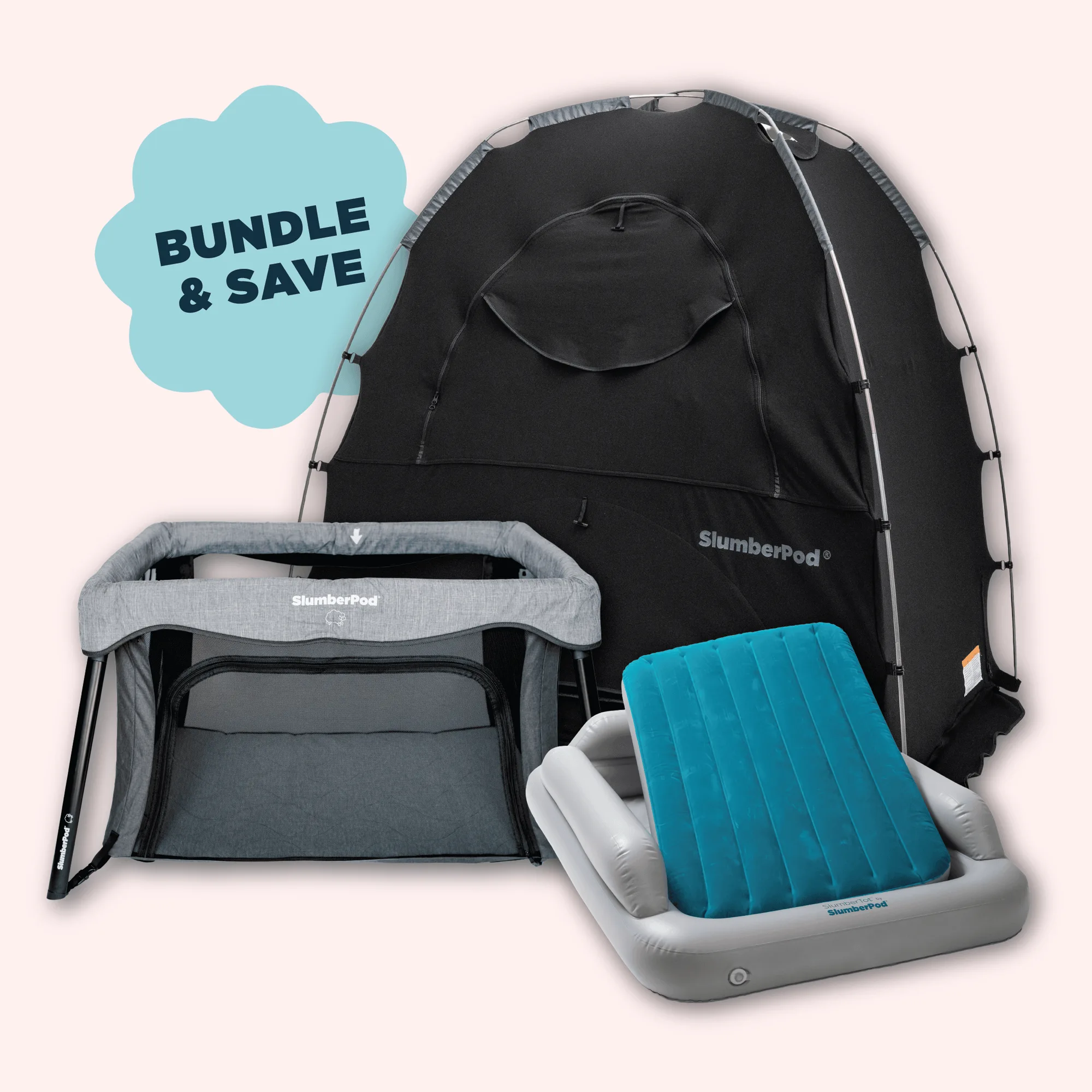
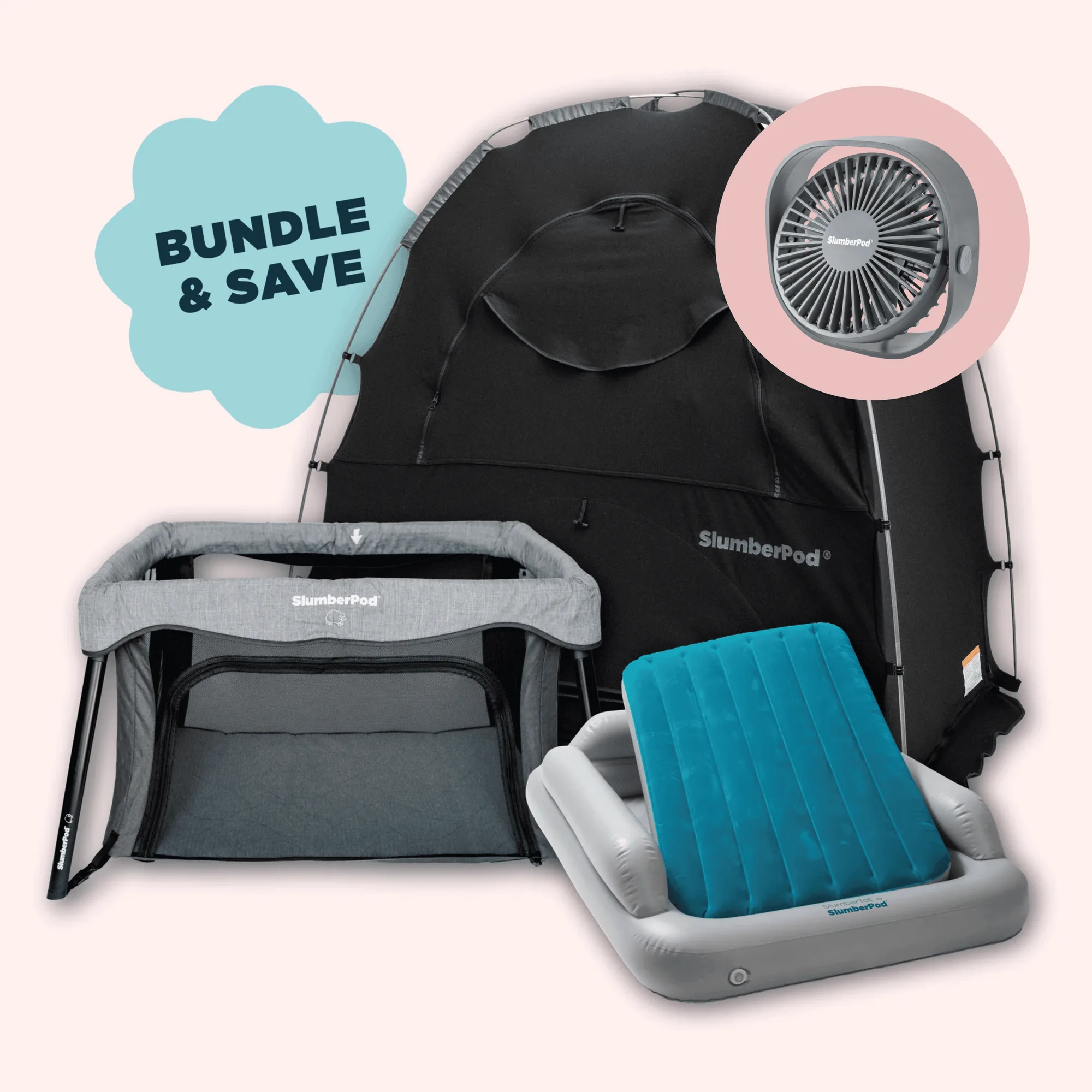
- Perfect Pair Bundle: Perfect Pair Bundle includes SlumberPod (Black), SlumberTot, and more, combining a dark private sleep space with an inflatable toddler bed sized to fit inside SlumberPod. If your travel routine involves room sharing and a toddler who has outgrown a playard, this bundle gives you a familiar sleep setup that packs together.
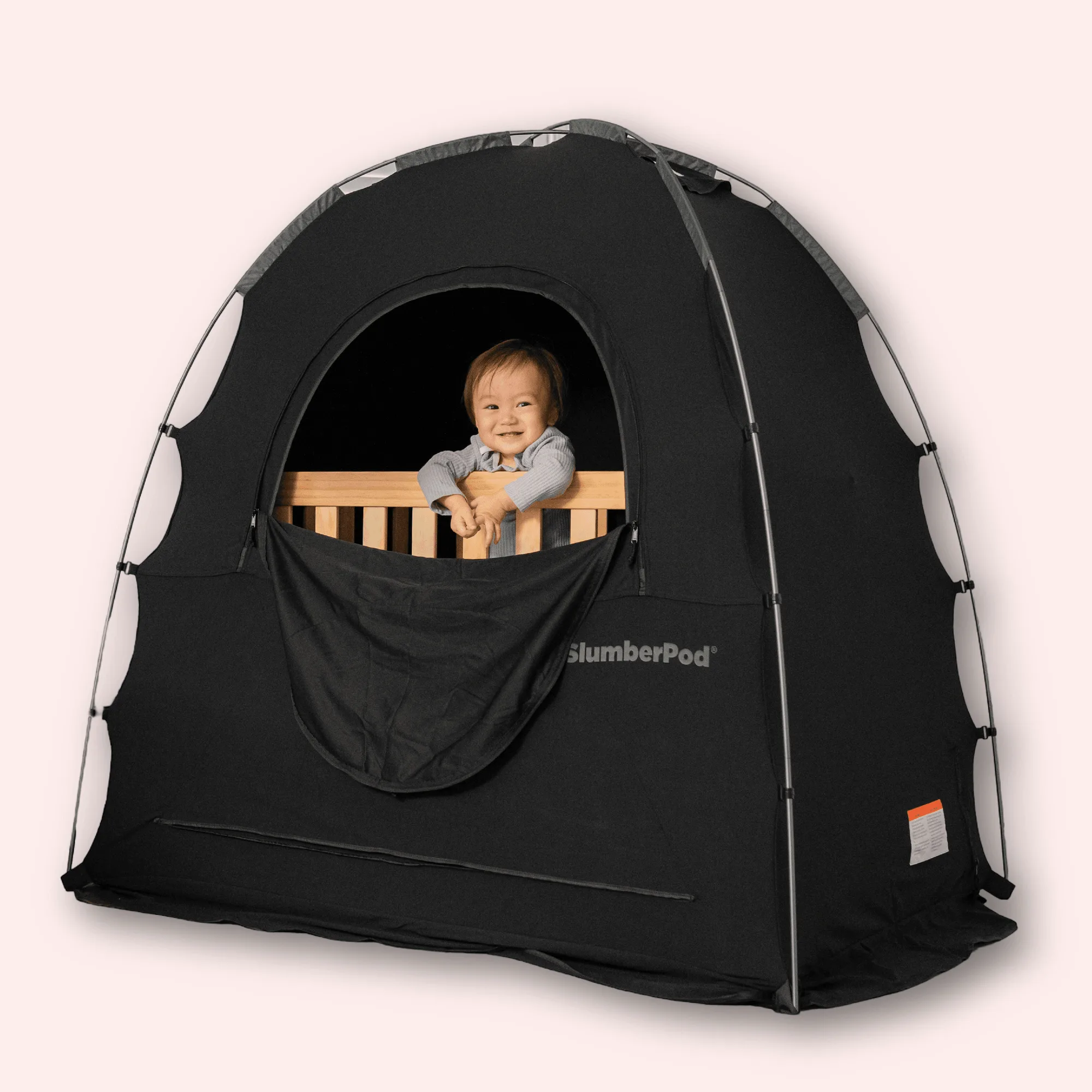
SlumberPod
- Little Lights Mini Bird Lamp: Little Lights Mini Bird Lamp is handmade from 100% natural pinewood and comes with a remote featuring a dimmer. A dimmable, portable night light can help maintain a consistent bedtime routine in an unfamiliar room without waking other sleepers.
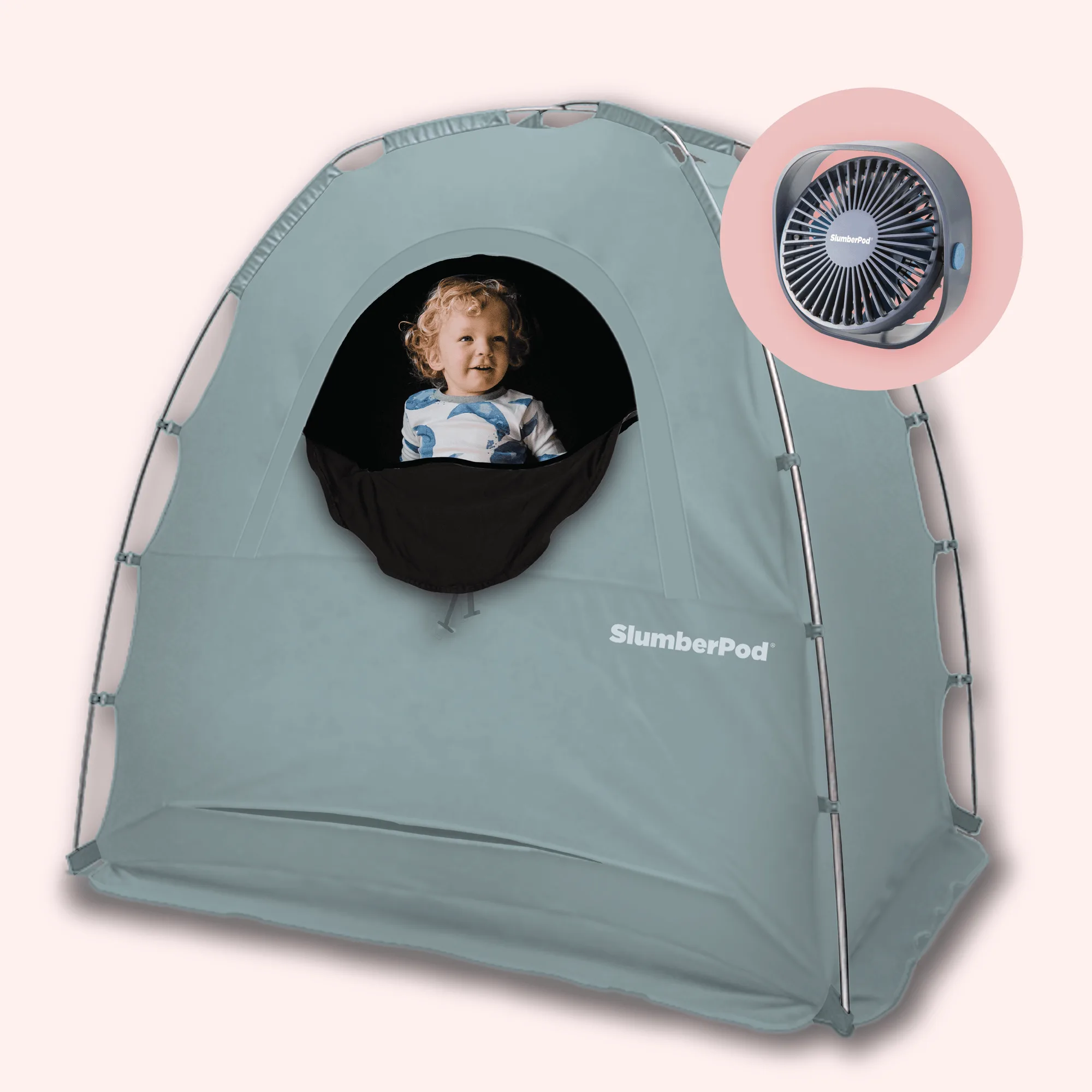
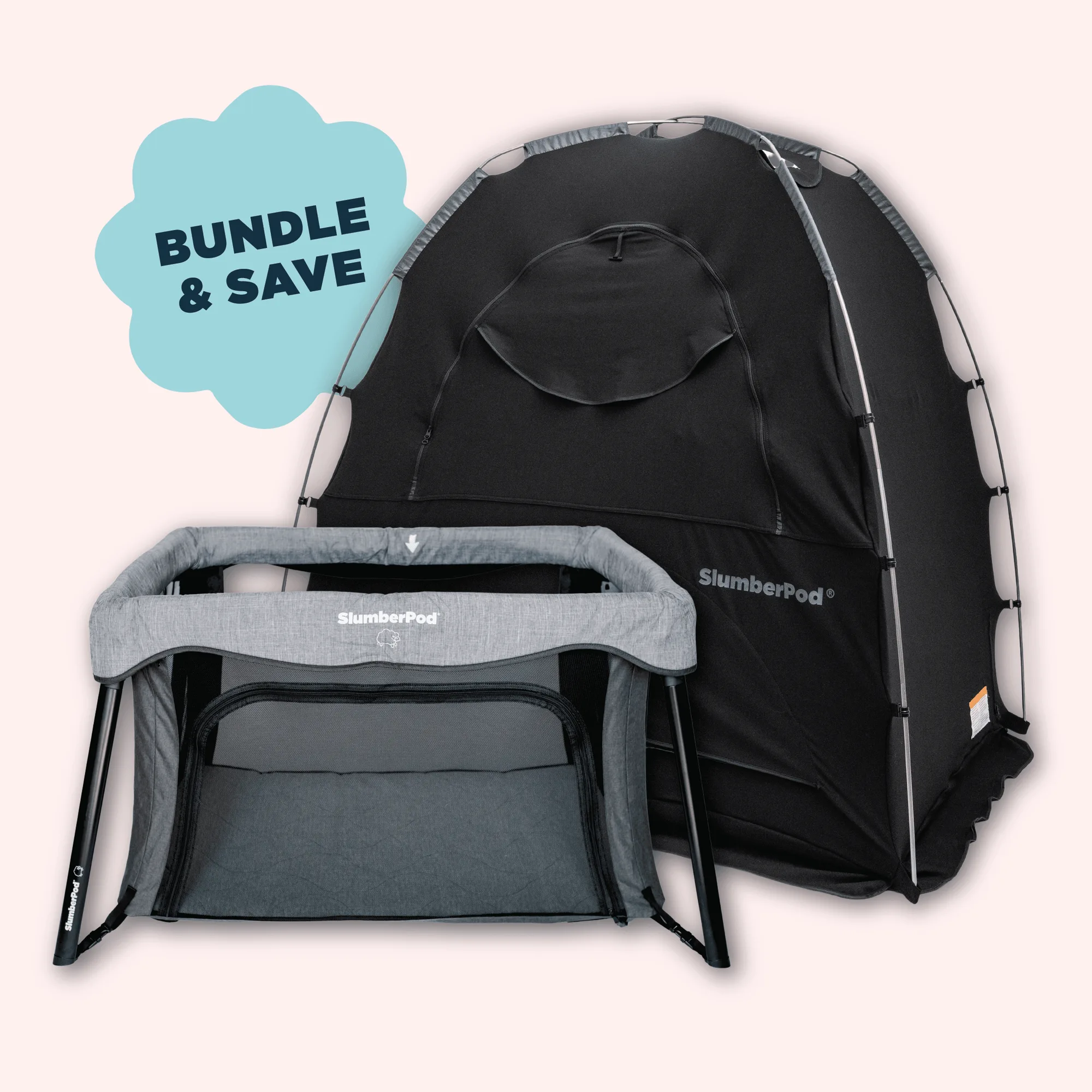
- Baby Dreams Bundle: Baby Dreams Bundle brings together SlumberPod essentials in one package to support a familiar sleep setup during travel or room sharing. Useful if you want a single purchase that covers the core SlumberPod sleep environment rather than buying pieces separately.
Who this guide is for
Best for
- Parents expecting or newly caring for a baby who want one carrier that can adapt as the baby grows
- Travelers who need a carrier that packs small and is easy to remove at security
- Caregivers who share wearing duties and need clear fit checks
Not for
- Parents looking for a framed hiking carrier for rugged trails, which has different priorities than daily or travel use
- Anyone who needs a carrier for a baby outside the weight range of the models they are considering; choose a size-specific option instead