Quick Answer
Dry patches on your baby's skin are usually caused by environmental factors like cold weather, low humidity, or over-bathing, but they can also signal eczema or other skin conditions. Start by adjusting your baby's bathing and moisturizing routine, using a gentle, fragrance-free moisturizer like Tubby Todd Dream Cream, and consult a pediatrician if the patches persist or worsen.
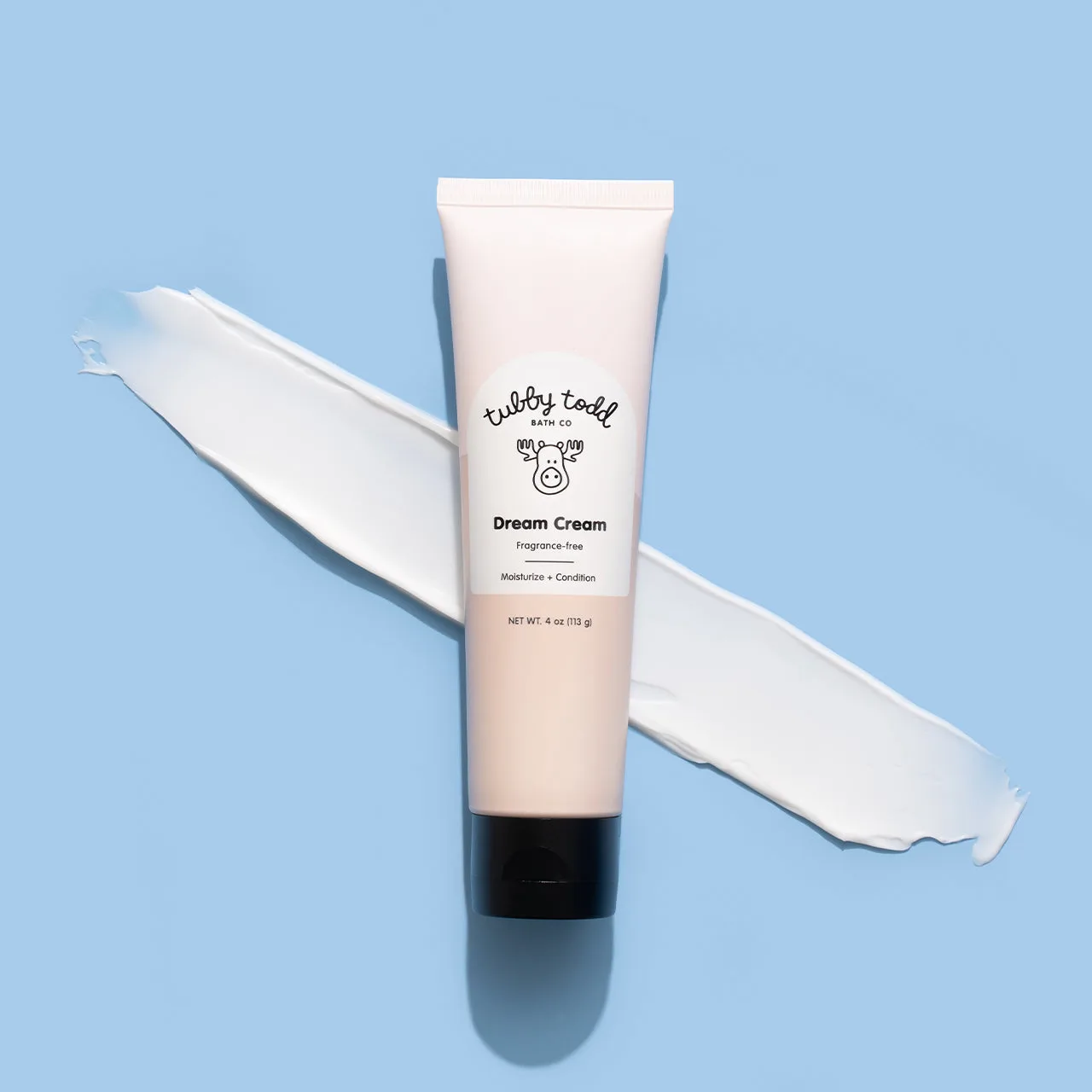
Dream Cream
Noticing rough, flaky patches on your baby's delicate skin can be concerning, but you're not alone. Dry patches are a common issue in infancy, and most of the time they're easily managed with a few simple changes to your care routine.
Understanding what's causing those dry patches is the first step to treating them effectively. In this guide, we'll walk you through the most common culprits, from everyday dryness to eczema, and share natural, gentle solutions to help your baby's skin feel soft and comfortable again.
Common Causes of Dry Patches on Baby Skin
Baby skin is thinner and more sensitive than adult skin, making it more prone to moisture loss. One of the most frequent triggers is environmental: cold, dry air, indoor heating, or low humidity can strip moisture from the skin's surface. Similarly, hot baths or harsh soaps can remove natural oils, leaving skin dry and flaky.
Another common cause is eczema, a condition that often appears as dry, red, itchy patches on the cheeks, elbows, or knees. Eczema can be triggered by irritants like certain fabrics, fragrances, or even food allergies. While it's not always preventable, it's highly manageable with the right skincare routine. In some cases, dry patches might be due to a fungal infection or other skin condition, so it's important to monitor symptoms and seek medical advice if they don't improve.
- Keep baths short (5-10 minutes) in lukewarm water to avoid stripping natural oils.
- Apply moisturizer immediately after bathing to lock in hydration.
- Dress your baby in soft, breathable fabrics like cotton to minimize irritation.
Natural Remedies to Soothe and Prevent Dry Patches
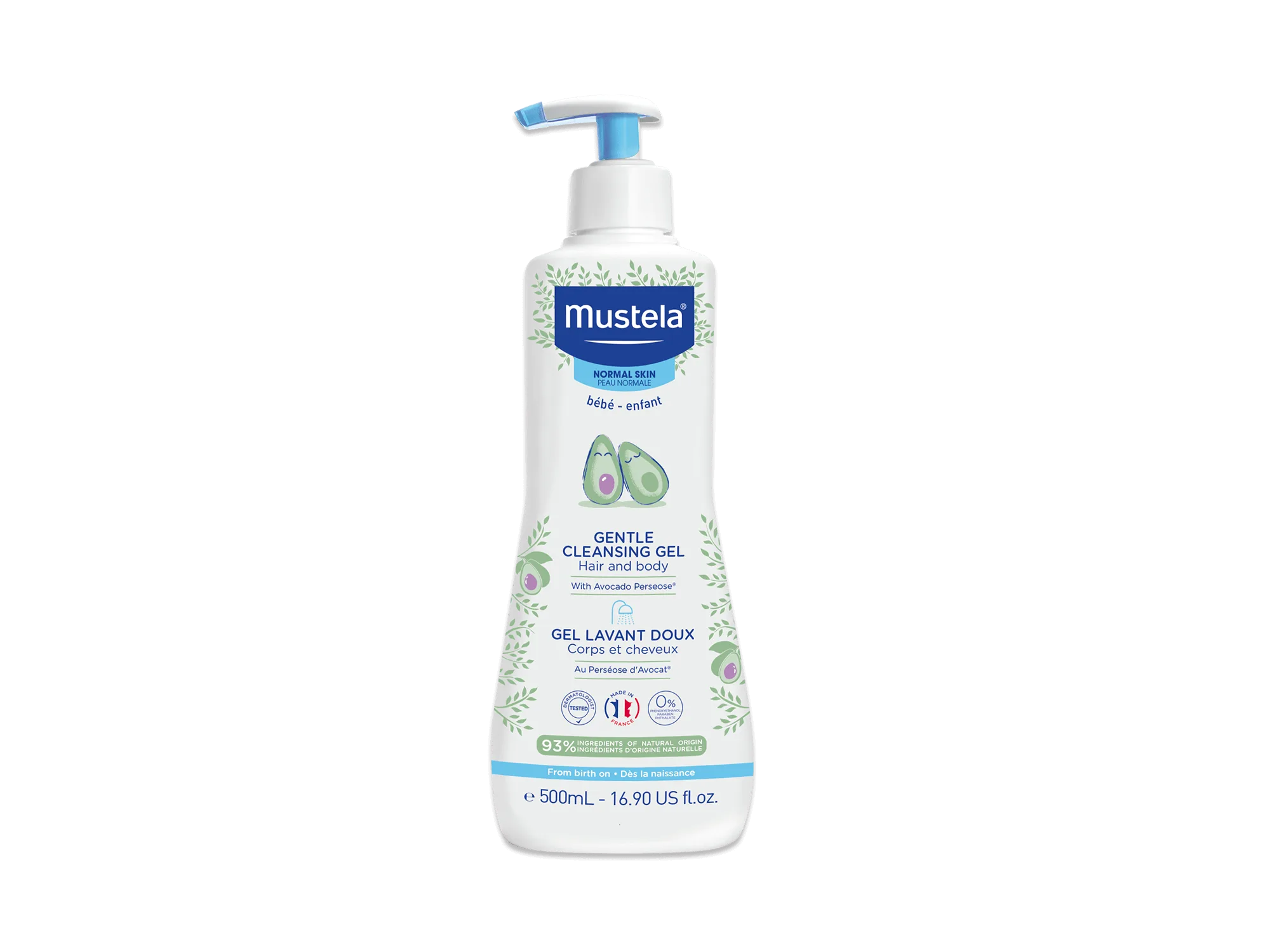
When it comes to treating dry patches, natural and gentle approaches work best for baby's sensitive skin. Start by simplifying your baby's skincare routine: use a mild, fragrance-free cleanser and avoid over-washing. After bath time, gently pat the skin dry and apply a rich moisturizer while the skin is still slightly damp to trap moisture.
For persistent dry patches, consider using a thicker ointment or cream that provides a protective barrier. Ingredients like shea butter, calendula, and coconut oil are known for their soothing and hydrating properties. Also, keep your baby's environment comfortable by using a humidifier in dry climates or during winter months. If you're nursing, some moms find that adjusting their own diet can help if the baby has food sensitivities, but always consult your pediatrician before making changes.
- Use a humidifier in your baby's room to add moisture to the air.
- Avoid products with fragrances, dyes, or alcohol that can irritate sensitive skin.
- Dress your baby in layers to prevent overheating, which can worsen eczema.
When to See a Doctor
While dry patches are usually harmless, there are times when you should seek professional advice. If the patches are severely itchy, cracked, oozing, or bleeding, or if they don't improve with regular moisturizing within a week, it's time to consult your pediatrician. These could be signs of a more serious condition like eczema that requires prescription treatment or an infection.
Also, watch for signs of discomfort in your baby, such as excessive fussiness or trouble sleeping, which might indicate that the dryness is causing significant irritation. Your doctor can provide a proper diagnosis and recommend safe, effective treatments tailored to your baby's needs.
Diagnosis Guide: Dry Patches on Baby Skin
- Symptom: Dry, flaky patches without redness or itching: Likely due to environmental dryness or over-bathing. Increase moisturizing frequency and use a humidifier. If patches improve within 3-5 days, continue routine.
- Symptom: Dry patches with redness and itching: May indicate eczema. Use a fragrance-free moisturizer like Dream Cream, and avoid potential irritants such as scented products or wool fabrics. If no improvement in a week, consult a pediatrician.
- Symptom: Patches that are cracked, oozing, or bleeding: This could signal an infection or severe eczema. Do not attempt home treatment; seek medical advice promptly. Stop self-treatment and see a doctor immediately.
Product Facts
- Dream Cream: A rich, intensive cream that works wonders to hydrate and condition dry skin. Packed with natural extracts and plant-based ingredients with a light, soothing scent of shea butter, citrus and mint. Safe for sensitive skin and great for the whole fam! This is an ideal daily moisturizer for dry patches, as it provides deep hydration without harsh chemicals, making it safe for your baby's delicate skin.
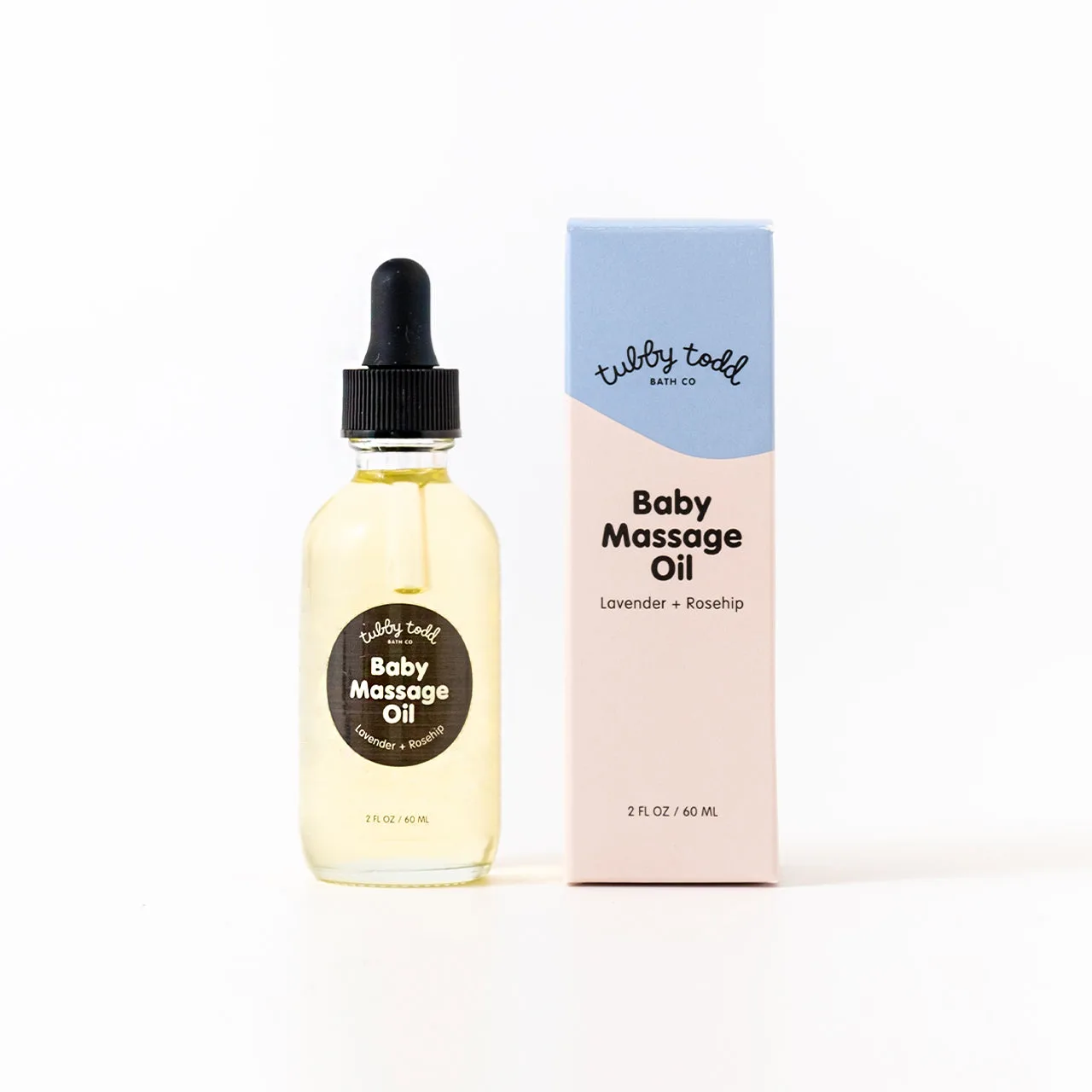
- Baby Massage Oil: Start by gently massaging oil in a circular motion from head to toe focusing on any dry areas. Massage Oil works wonders as part of a great bathtime or bedtime ritual. Apply morning to night, as needed. Massaging this oil onto dry patches can help soothe and moisturize, while also promoting relaxation and bonding during your baby's routine.
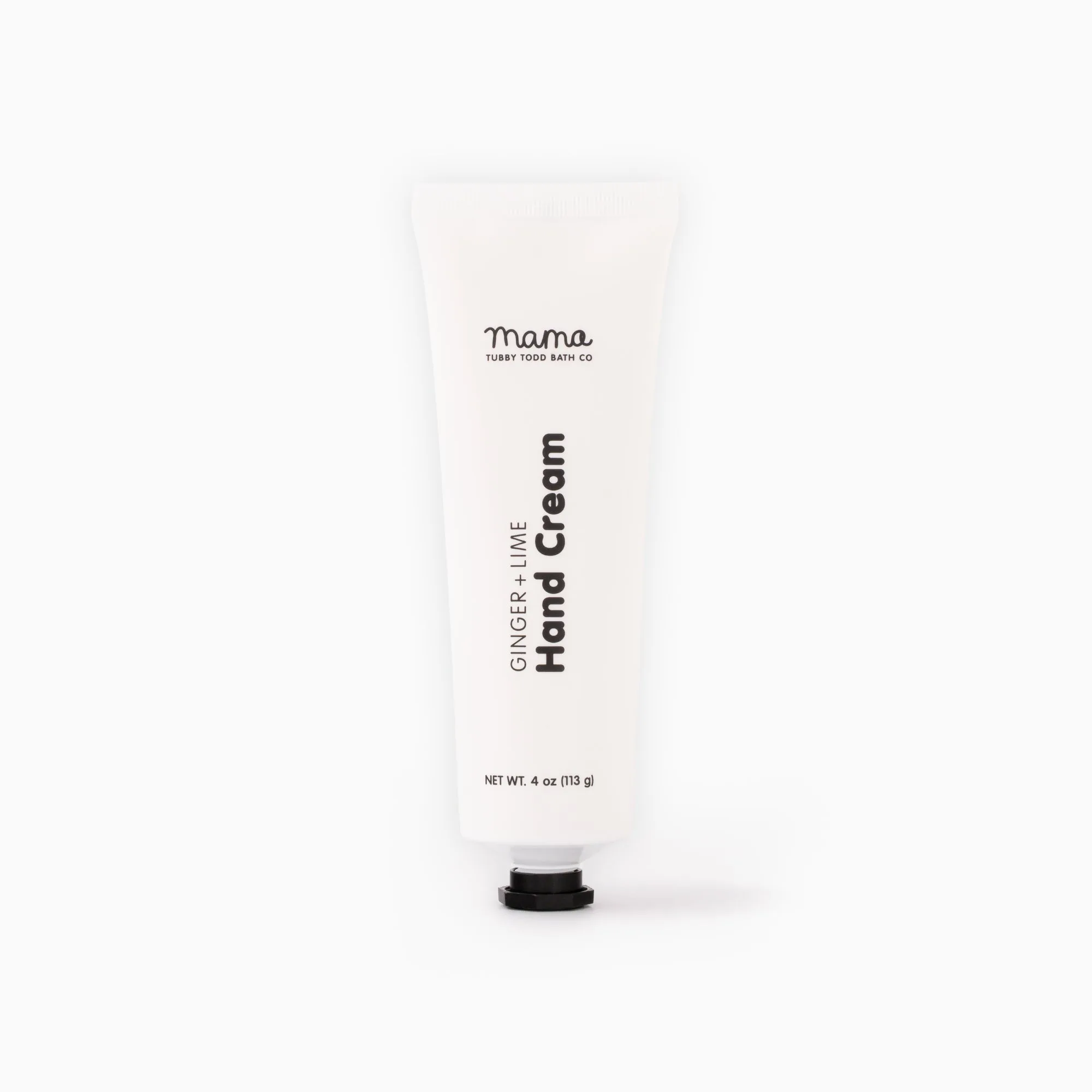
- Hand Cream: This thick, luxurious, deeply moisturizing cream renews dry or sensitive mama hands and smells like warm ginger and bright lime. A small, dime-sized drop rehydrates skin, keeping hands soft and smooth through every stage of motherhood. While caring for your baby, your own hands can get dry too. This cream keeps your skin comfortable so you can focus on your little one.
Dry patches on your baby's skin are often a temporary issue that can be managed with gentle care and the right moisturizing routine. By understanding the causes and using natural, effective products like Tubby Todd's Dream Cream, you can help your baby's skin stay soft and healthy. Remember, if you're ever concerned, don't hesitate to reach out to your pediatrician for guidance.