Quick answer
Choose a play gym with an adjustable or removable arch so it works for newborns on their back and older babies during tummy time and sitting play. A wooden baby play gym with a simple frame and hanging toys is the most adaptable for long-term use, while a padded play mat suits floor-focused play. If you want one purchase that lasts from birth to sitting, prioritize adjustability, safe materials, and a mat that can be used separately.
Play gym vs play mat: what actually changes for your baby
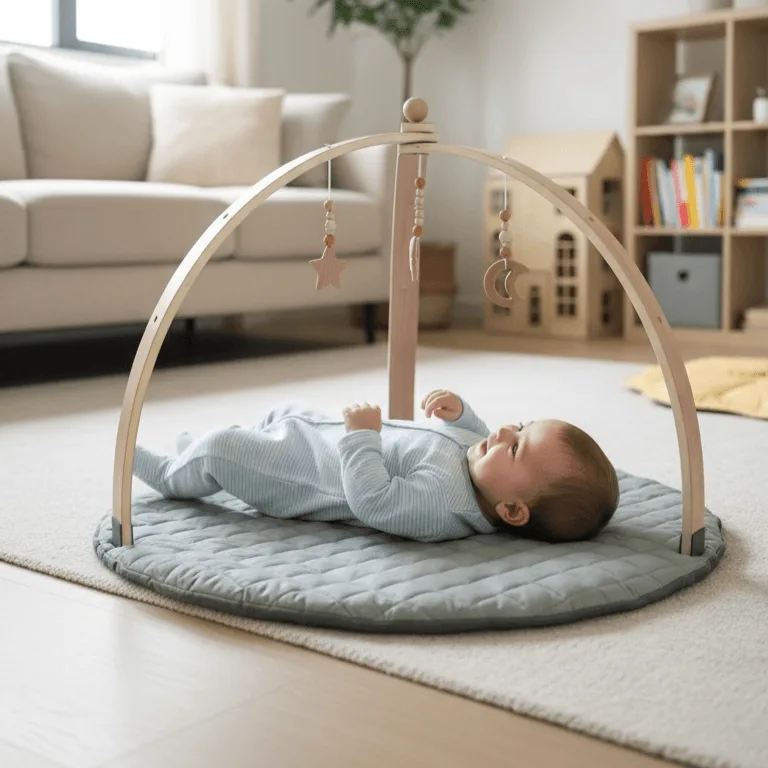
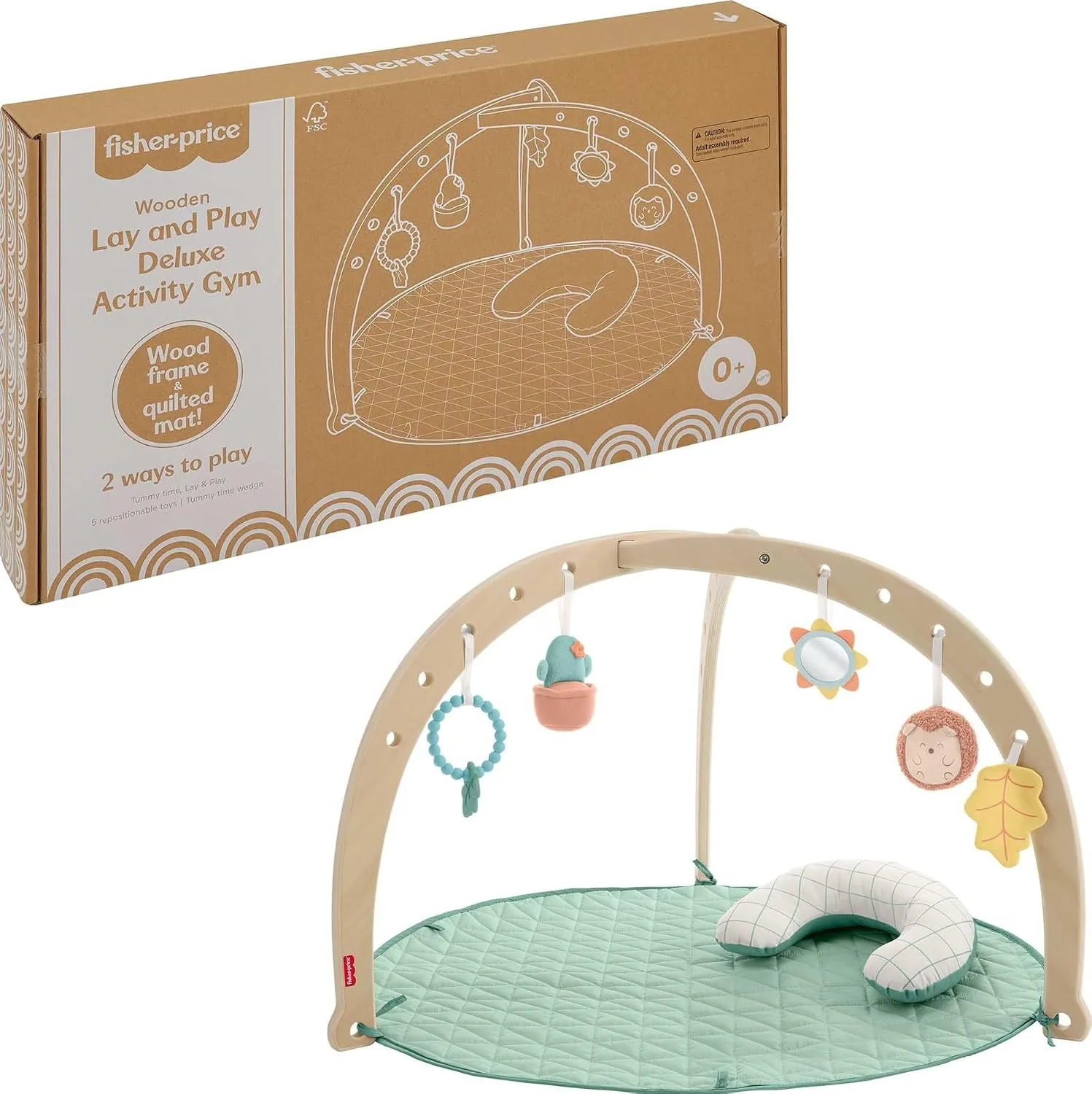
A play gym adds an overhead structure with hanging toys, which gives a newborn something to track and reach for while lying on their back. A play mat is simply the padded surface; it supports tummy time and floor play but does not suspend toys. Many play gyms include a mat, so the real question is whether you want the arch to be removable. If it is, the mat can stay in use long after your baby outgrows the hanging toys.
- Play gym: overhead toys encourage visual tracking and reaching.
- Play mat: a safe, washable surface for tummy time and older floor play.
- Best of both: a gym with a detachable arch and a mat that works alone.
How a play gym supports development (without overclaiming)
During the first months, a play gym gives your baby a reason to turn their head, focus on a moving object, and swipe at toys. These are early steps toward hand-eye coordination and cause-and-effect learning. As your baby starts rolling and sitting, the same gym can be used with the arch raised or removed so they can practice reaching, grasping, and eventually pulling up. No single toy guarantees a developmental outcome, but a gym that adapts to each stage keeps offering the right level of challenge.
Wooden baby play gym vs fabric activity gym
Wooden frames are stable, easy to wipe clean, and often have a minimalist look that fits a living room. They tend to be heavier and less portable, and the hanging toys may need to be purchased separately. Fabric activity gyms are usually lighter, foldable, and come with a padded mat, which makes them convenient for travel or small spaces. They can be harder to clean thoroughly and may not feel as sturdy once your baby pulls on the arch. Choose wood if the gym will stay in one spot and you want a piece that looks intentional; choose fabric if you need to move it between rooms or pack it away.
Safety and material checks before you buy
Check that the frame has no sharp edges or pinch points, and that the arch locks securely if it is adjustable. Hanging toys should attach with closed loops or clips, not loose strings, and cords should be short enough that they cannot wrap around a baby's neck. If the gym includes a mat, look for a surface you can wipe or machine wash, because spit-up and diaper leaks happen. For any product that does not list a material or age range, treat that as a missing detail and ask the brand before buying.
- No sharp edges or exposed screws on the frame.
- Toys attach with closed loops, not loose ribbon.
- Mat is wipeable or machine washable.
Matching the gym to your space and storage
Measure the floor area where the gym will live. A large wooden frame can dominate a small apartment, while a compact fabric gym may slide on hard floors unless it has grip pads. If you plan to store the gym between uses, check whether the arch folds flat or detaches. Also think about the height of the hanging toys: a newborn needs them within about 8–12 inches of their chest to focus on them, but an older baby sitting up needs them higher or removed so they do not hit their head.
Decision rules for choosing a play gym
- If your baby is under 4 months: Prioritize a gym with a low, stable arch and toys that hang within 8–12 inches of the chest. A play gym for newborns should let you adjust or remove the arch as they grow. Choose adjustable over fixed.
- If you have limited floor space: Measure the footprint and pick a gym that folds flat or has a detachable arch. A wooden baby play gym may be too bulky if it cannot be stored upright. Foldability beats style if space is tight.
- If you want one purchase to last: Look for a gym where the mat can be used alone and the arch height can change. This covers tummy time, sitting play, and early standing. Detachable arch is the key feature.
- If you plan to travel or move rooms: A fabric activity gym with a carry handle or compact fold is easier to transport than a solid wood frame. Check the weight before buying. Portability favors fabric, not wood.
Products that support play gym routines
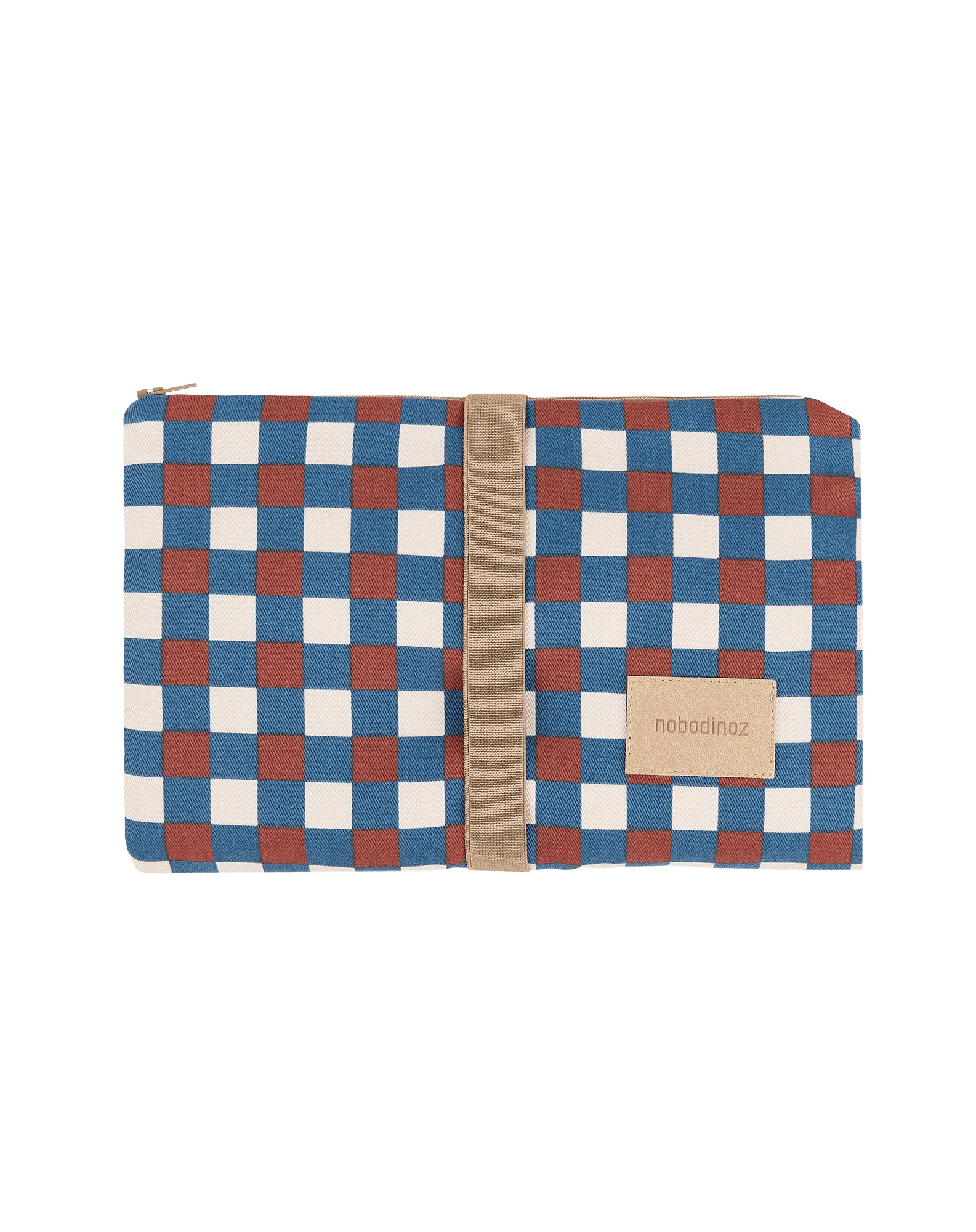
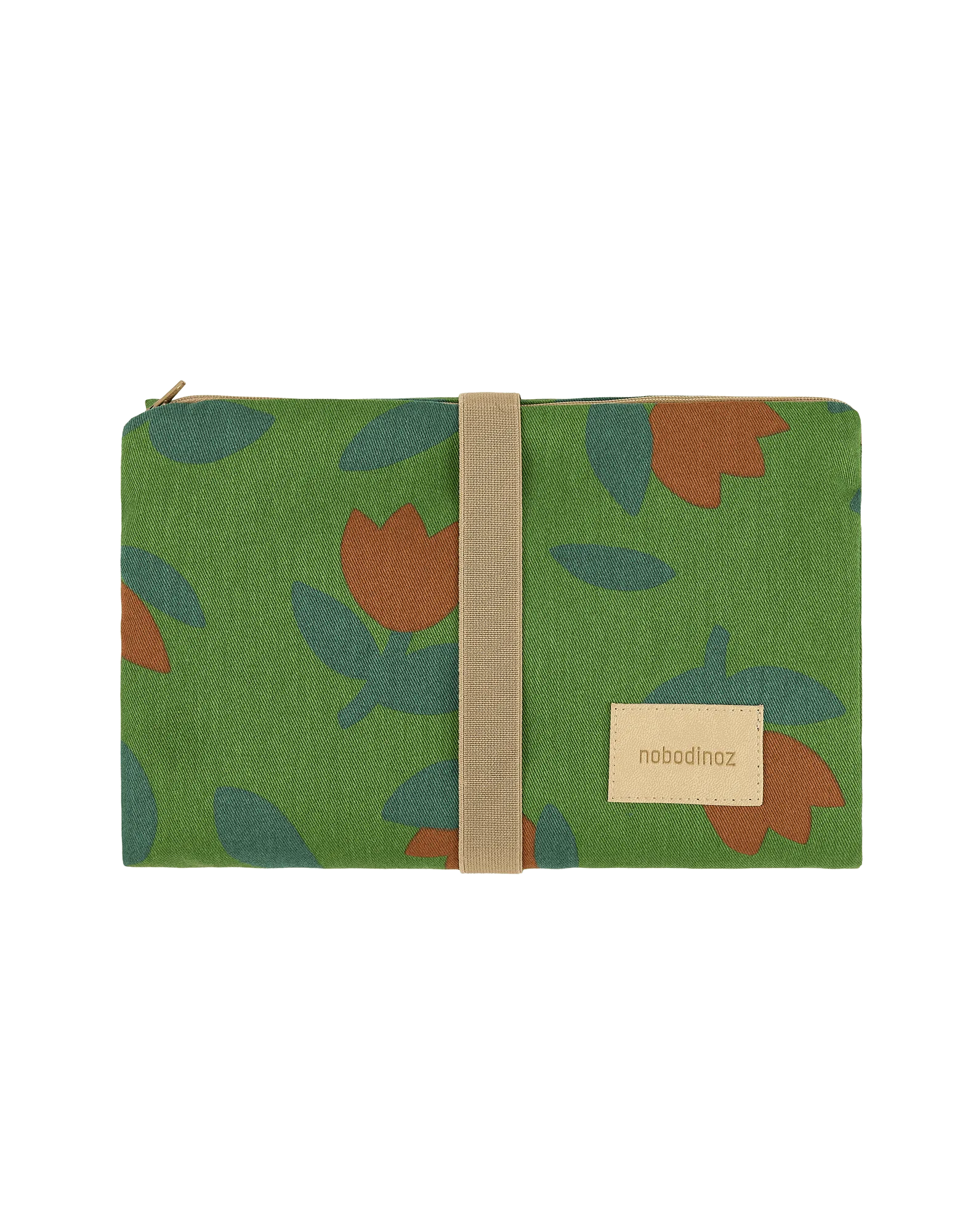
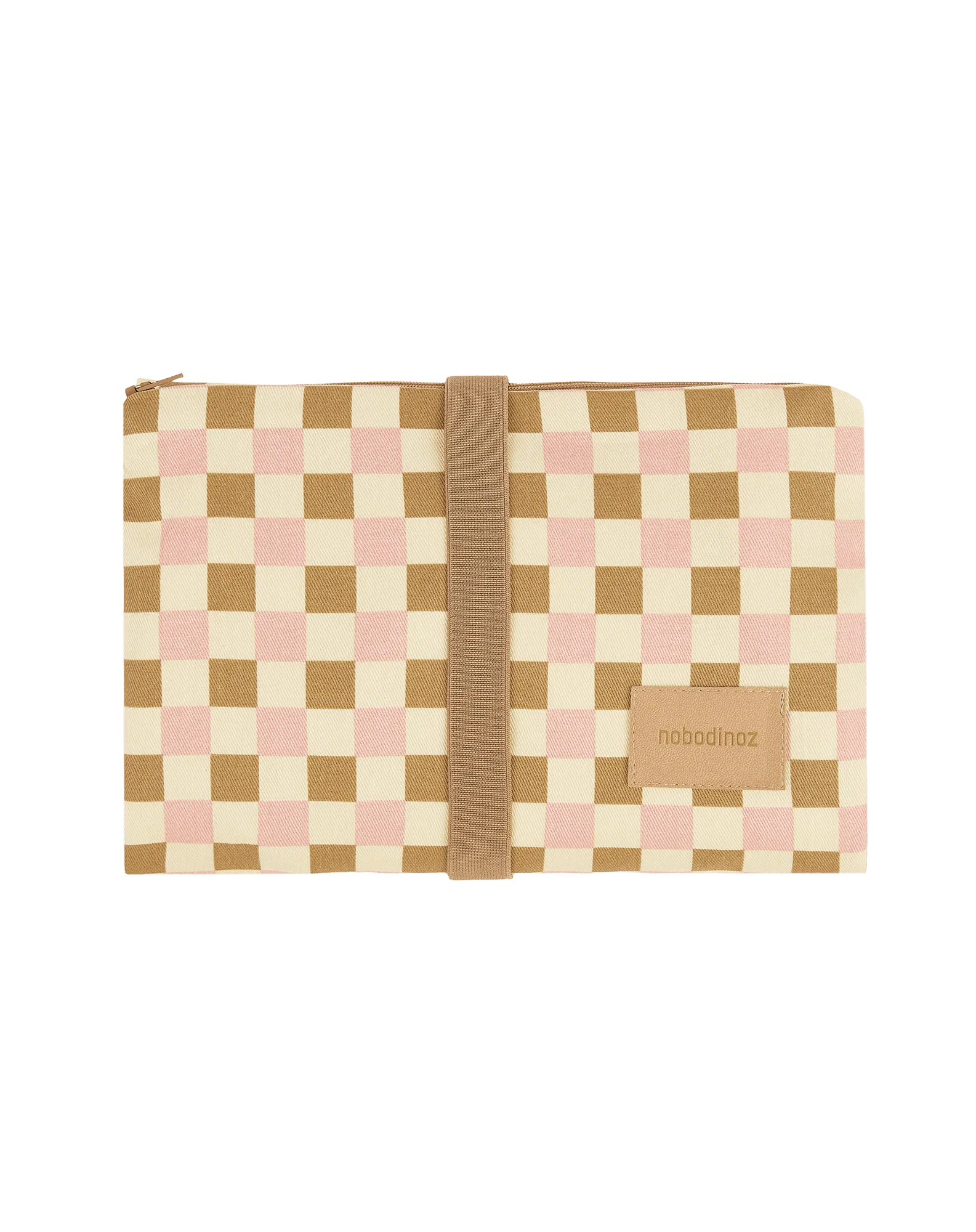
- Waterproof changing pad Hyde Park: https://nobodinozecv.com/products/waterproof-changing-pad-hyde-park-blue-red-mosaic-6a5bb0feabaab7e8b70cee10-1538179https://nobodinozecv.com/products/waterproof-changing-pad-hyde-park-yellow-pink-mosaic-1d60122f7fd8f71a8f01c014-1538180https://nobodinozecv.com/products/waterproof-changing-pad-hyde-park-green-tulips-9eefe7410b5148831ccd473b-1538184https://nobodinozecv.com/products/waterproof-changing-pad-hyde-park-forest-green-diamonds-7e47abb64e91b0e6c02bb268-1538185Waterproof changing pad Hyde Park is a foldable changing mat with a waterproof lining and a waterproof pocket for essentials, accessible when opened or closed. A waterproof, foldable mat keeps diaper changes quick and hygienic, and the pocket means you can grab wipes or a fresh diaper without opening the whole mat.
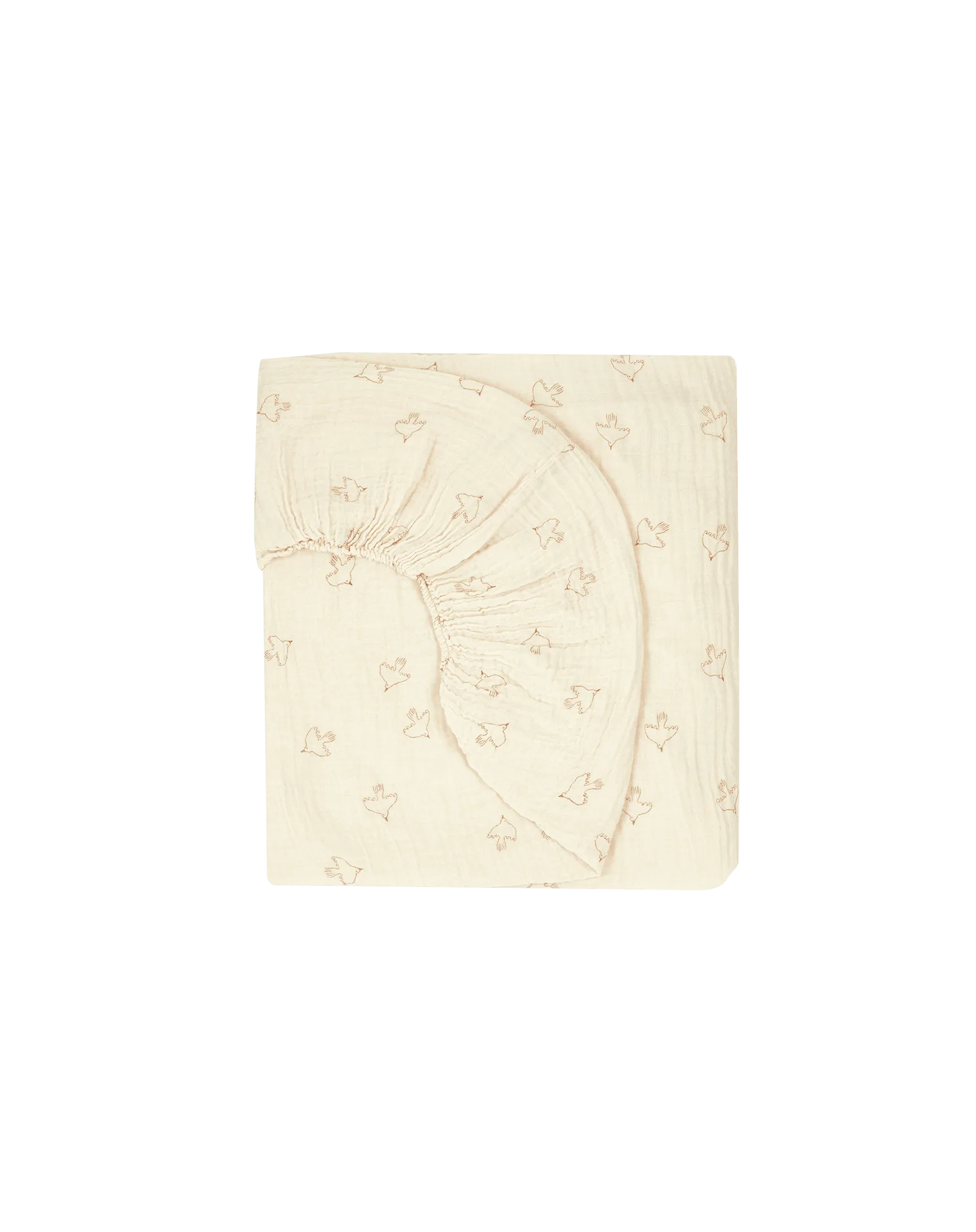
- Changing mat cover in washed cotton Wabi-Sabi: Changing mat cover in washed cotton Wabi-Sabi combines washed honeycomb texture with extra-soft organic cotton double gauze. If you use a changing mat cover, the double gauze surface is gentle on a baby's skin and the texture adds grip, which helps during wriggly changes.
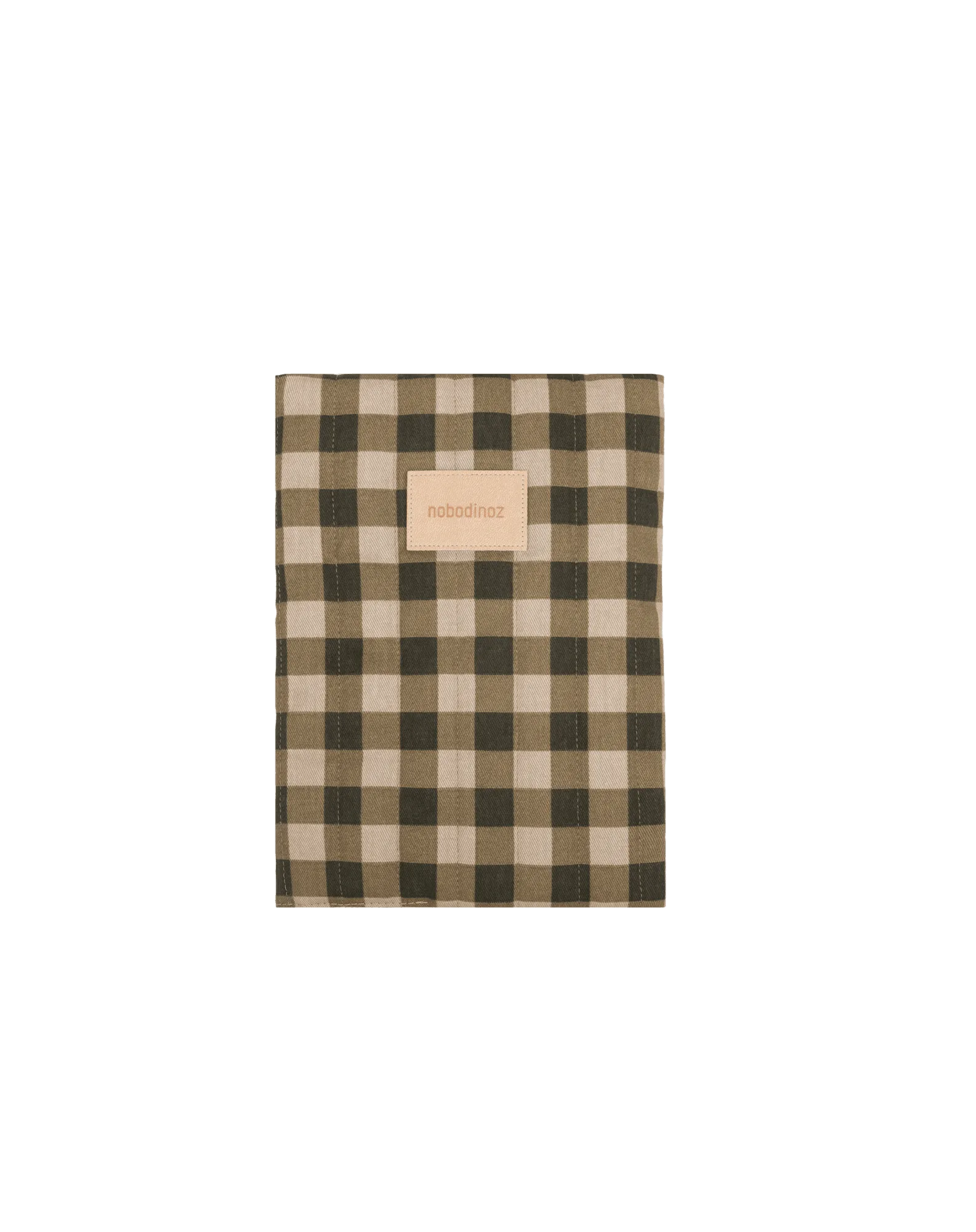
- Health booklet A5 Hyde Park: Health booklet A5 Hyde Park is designed to keep a child's important documents together and protected, and is suggested as a birth gift. A dedicated booklet cover keeps vaccination records and health notes from getting lost, which is useful when you are already managing a play gym and daily baby gear.
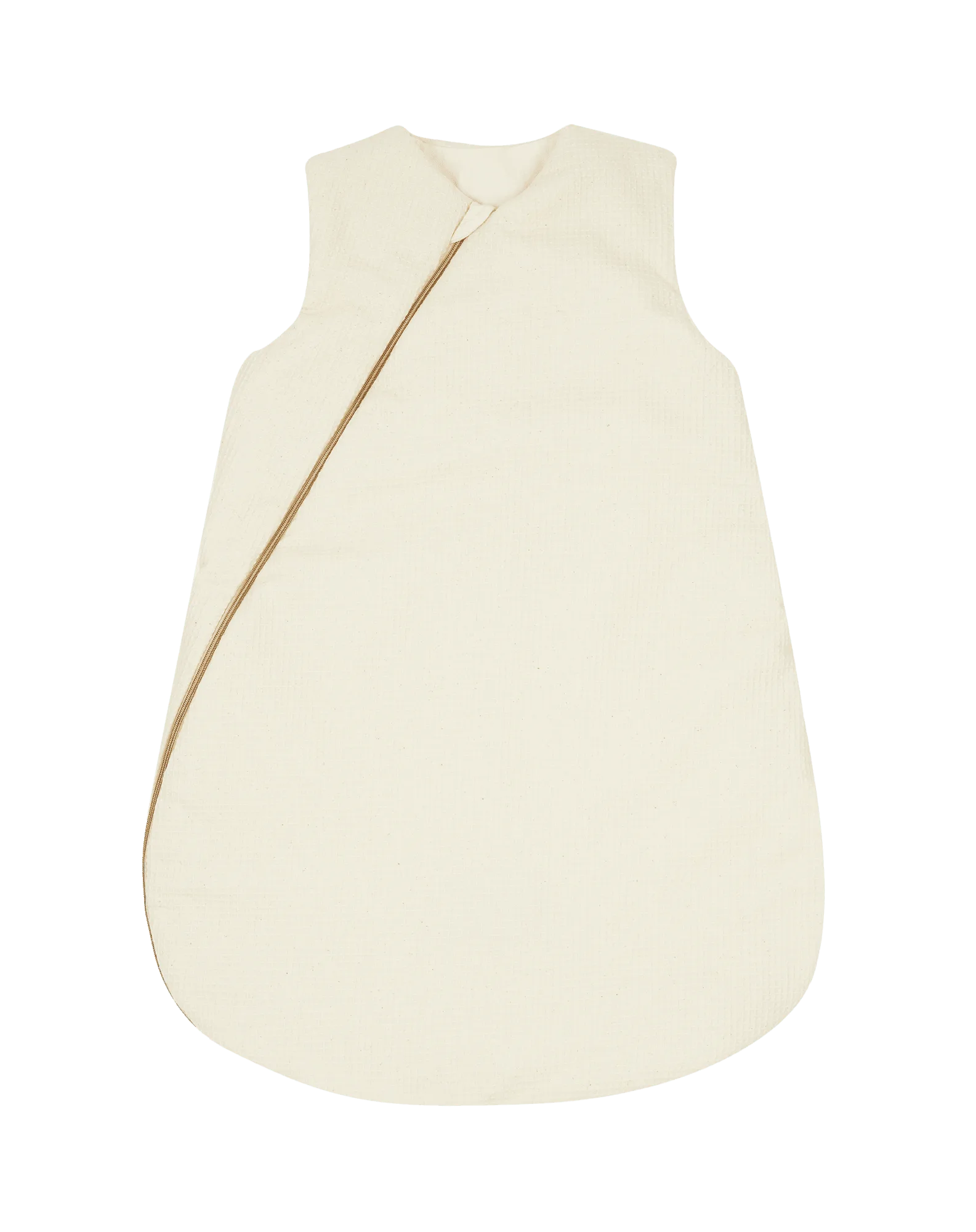
- Mid warm sleeping bag 6-18 M Cocoon HC Opera: Mid warm sleeping bag 6-18 M Cocoon HC Opera is made of organic cotton with an extra-soft organic cotton jersey lining, and has a zip fastening with a self-locking system, a protective strip, and a full opening. A sleeping bag with a secure zip and protective strip reduces night-time disturbance, so your baby is more likely to be rested for daytime play gym sessions.
Is a growing play gym right for you?
Best for
- Parents who want one play gym that works from newborn tummy time through sitting and standing.
- Caregivers who need a stable, easy-to-clean setup in a living room or nursery.
- Families who value a design that fits a timeless home interior.
Not for
- Parents who only need a simple padded mat for floor play and do not want an overhead frame.
- Those with very limited storage who cannot accommodate a fixed wooden frame.
- Anyone looking for a battery-powered or electronic activity center, which is a different product category.