Bringing a newborn home is a joyful experience, but it also comes with a heavy responsibility—especially when it comes to sleep. As a new parent, you've likely heard warnings about SIDS (Sudden Infant Death Syndrome) and the importance of safe sleep practices. Understanding the latest guidelines from pediatricians and safety experts can help you create a secure sleep environment that reduces risks and gives you peace of mind.
In this guide, we'll walk through the most important baby sleep safety tips, from crib setup and bedding choices to room temperature and sleep positioning. We'll also highlight some products from our store that support safe sleep, such as organic crib sheets and sensory toys designed for supervised awake time.
The ABCs of Safe Sleep: Alone, Back, Crib
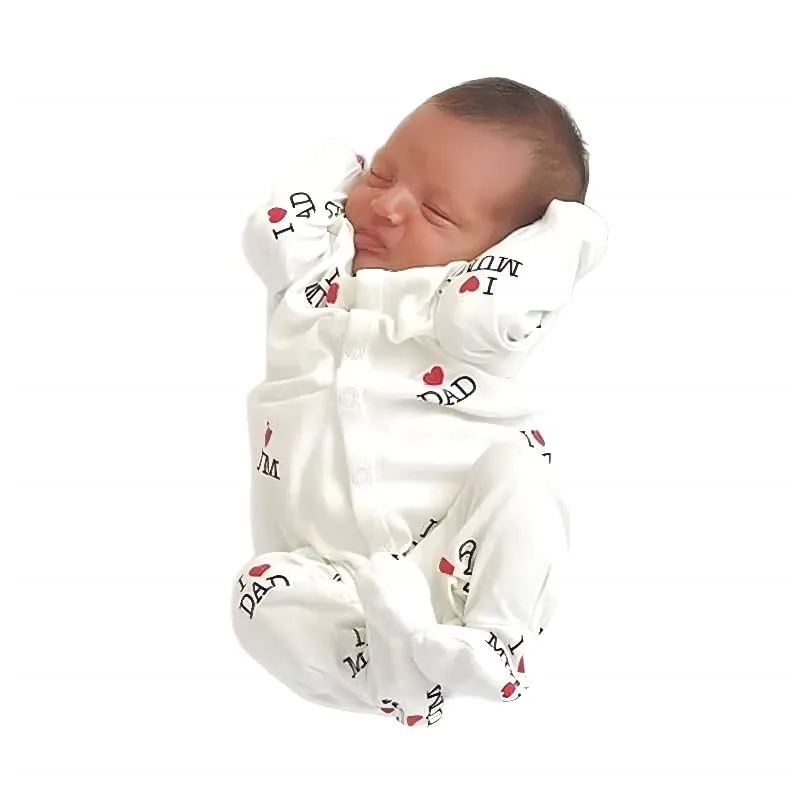
The American Academy of Pediatrics (AAP) recommends the ABCs of safe sleep: Alone, Back, Crib. This means your baby should sleep alone in their own sleep space, on their back, and in a crib or bassinet that meets current safety standards. Room-sharing (keeping the crib in your bedroom) is encouraged for the first six months, but bed-sharing is not recommended due to suffocation risks.
Always place your baby on their back for every sleep—naps and nighttime. This position significantly reduces the risk of SIDS. Avoid using sleep positioners, wedges, or rolled blankets to prop your baby, as these can obstruct breathing. A firm, flat mattress with a fitted sheet is all that's needed.
- Place baby on back for every sleep session.
- Use a firm mattress with a tight-fitting sheet.
- Keep soft objects, pillows, and loose bedding out of the crib.
Choosing the Right Crib and Bedding
Your baby's crib should be free of bumpers, blankets, pillows, and stuffed animals. These items can pose suffocation or entrapment hazards. Instead, dress your baby in a wearable blanket or sleep sack to keep them warm without loose covers. The mattress should be firm and fit snugly against the crib sides—no gaps larger than two fingers.
For a comfortable and safe sleep surface, consider organic crib sheets. Our 2-Pack Organic Crib Sheets for Boys, Girls are made from soft, breathable cotton that is gentle on sensitive skin and fits standard crib mattresses perfectly. They are free from harmful chemicals and provide a safe, cozy place for your baby to rest.
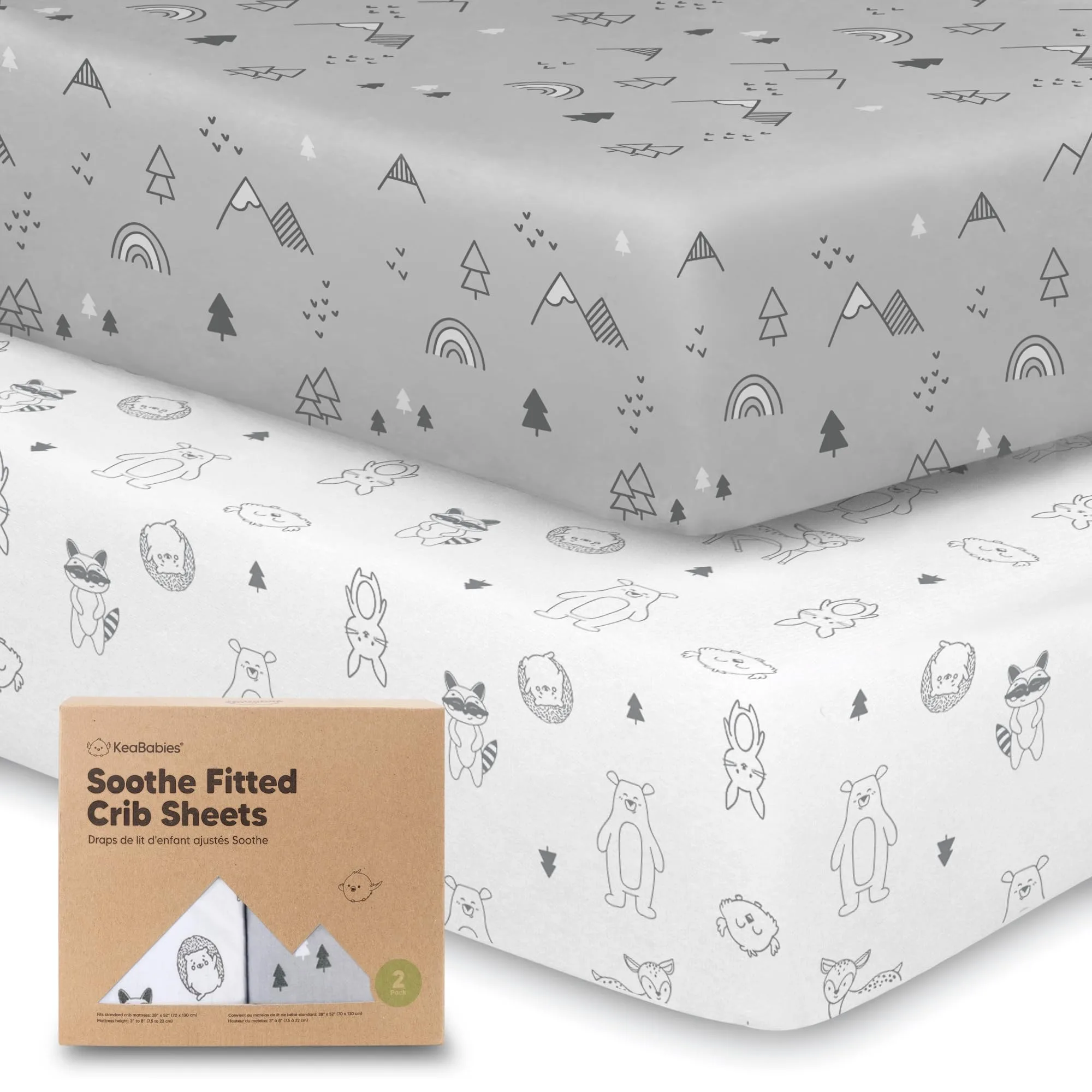
2-Pack Organic Crib Sheets for Boys, Girls
Room Temperature and Overheating Prevention
Overheating is a known risk factor for SIDS. Keep the nursery at a comfortable temperature—ideally between 68-72°F (20-22°C). Dress your baby in one extra layer than what you would wear, and check for signs of overheating like sweating, flushed cheeks, or a hot chest. Avoid using heavy blankets or hats indoors.
A good rule of thumb is to feel your baby's chest or back of the neck. If they feel warm or clammy, remove a layer. Using a sleep sack instead of blankets helps maintain consistent temperature without the risk of covering the face. Always ensure good air circulation in the room, but avoid placing the crib near vents or heaters.
- Keep room temperature between 68-72°F.
- Dress baby in one extra layer than you.
- Check for overheating by feeling the chest or neck.
Safe Sleep Environments for Daytime Naps and Travel
Safe sleep practices apply to all sleep times—not just nighttime. Whether your baby naps in a crib, bassinet, or pack-and-play, the same rules apply: firm mattress, fitted sheet, and nothing else. Avoid letting your baby sleep in car seats, swings, or bouncers for extended periods, as these positions can lead to airway obstruction.
When traveling, bring a portable sleep space that meets safety standards. For on-the-go parents, products like the Evenflo Pivot Xplore All-Terrain Stroller Wagon offer a versatile option for daytime outings, but remember that babies should not sleep unsupervised in strollers or wagons. Always transfer your baby to a flat, safe sleep surface for naps.
The Role of Pacifiers and Tummy Time
Offering a pacifier at sleep time has been shown to reduce the risk of SIDS, even for breastfed babies. If you are breastfeeding, wait until nursing is well-established (about 3-4 weeks) before introducing a pacifier. Don't force it—if your baby refuses, you can try again later. Never attach a pacifier to a string or clip that could wrap around the baby's neck.
Tummy time is essential for your baby's development, but it should always be supervised and done while your baby is awake. This strengthens neck, shoulder, and arm muscles, which helps with rolling and head control—skills that also support safe sleep. Aim for several short sessions each day, starting from birth.
Avoiding Unsafe Sleep Products and Practices
The market is full of products that claim to reduce SIDS risk, but many are not backed by evidence and can actually be dangerous. Avoid crib bumpers, weighted blankets, sleep positioners, and inclined sleepers. Always check that any product you use is certified by the Juvenile Products Manufacturers Association (JPMA) and follows current safety standards.
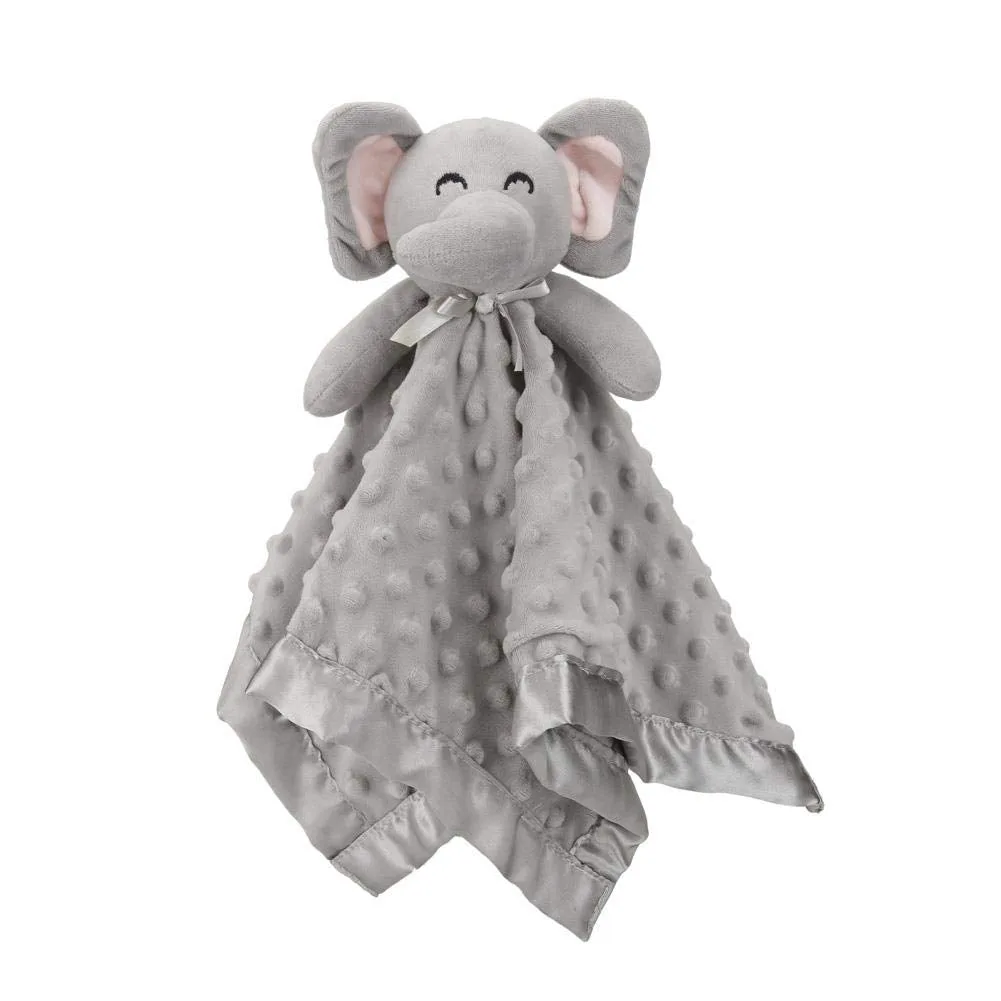
For awake, supervised playtime, sensory toys like the TOHIBEE Baby Montessori Sensory Toys for 0-6 6-12 Months are excellent for stimulating your baby's development without compromising sleep safety. Use these toys during tummy time or interactive play, but remove them from the crib before sleep. Always prioritize a bare crib for safe sleep.
- Avoid crib bumpers, weighted blankets, and sleep positioners.
- Use only JPMA-certified products for sleep.
- Keep all toys and loose items out of the crib.
Creating a safe sleep environment is one of the most important steps you can take to protect your newborn. By following the ABCs of safe sleep, choosing appropriate bedding, and avoiding risky products, you can reduce the risk of SIDS and enjoy more restful nights. For a comfortable and safe sleep surface, explore our 2-Pack Organic Crib Sheets for Boys, Girls, designed with your baby's safety and comfort in mind.