Quick answer
The main difference between a baby sleep set and a toddler sleep set is sizing and fit: baby sleep sets are sized for infants and younger babies, while toddler sleep sets are cut for taller, more mobile toddlers. Switch to a toddler sleep set when your child outgrows the length or width of the baby size, usually when they start standing or walking. Always check the manufacturer's size chart and weight limits before buying, because safe sleep bedding by age depends on a snug fit that stays in place all night.
Sizing and fit: the real difference between baby and toddler sleep sets
Baby sleep sets are designed for infants who stay in one position for most of the night, so they tend to be shorter and narrower. Toddler sleep sets add length and often a bit more room through the torso and legs, which matters once your child starts rolling, crawling, and standing in the crib or bed. A sleep set that is too long can bunch up around the face, and one that is too short can ride up and expose the belly. Use your child's current height and weight, not just their age, to pick the size. If they are between sizes, size up only if the product's size chart allows it; otherwise stay with the smaller size until they clearly outgrow it.
When to switch to a toddler sleep set
The switch is driven by fit, not a birthday. Move to a toddler sleep set when you notice the baby size pulling at the shoulders, leaving marks on the skin, or failing to stay zipped or closed through the night. Many parents also switch when their child starts pulling to stand, because a longer torso and leg length changes how the fabric sits. If your child is still in a crib and not yet climbing, a well-fitting baby size is usually the safer choice. Once they move to a toddler bed or start climbing out, a toddler sleep set sized for that stage is more practical.
Safety features that change with age
Safe sleep bedding by age means different priorities at different stages. For babies, the focus is on a snug fit, no loose fabric near the face, and no extra accessories inside the sleep space. For toddlers, you still want a snug fit, but you also need to consider whether they can unzip or remove the sleep set on their own. Some toddler sleep sets are designed with closures that are harder for little hands to open, while others are intentionally easy for potty-training toddlers to manage. Check the product details for the closure type and decide which trade-off fits your child's stage.
What to look for in a toddler sleep set buying guide
When you shop, start with the size chart and weight range, then look at the fabric and closure. Cotton and bamboo blends breathe well for most climates, while fleece adds warmth for colder rooms. Look for a two-way zipper if you want easier diaper changes or nighttime potty runs, and check whether the feet are covered or open. Open feet can help a walking toddler grip the floor, while covered feet keep toes warm. Finally, read the care instructions: frequent washing is normal, so a sleep set that holds its shape after multiple washes is worth the higher price.
Common sizing mistakes parents make
The most common mistake is buying by age alone. Two children the same age can differ by several inches, so a sleep set that fits one toddler may be too tight or too loose for another. Another mistake is sizing up too early to get more wear out of it; an oversized sleep set can ride up over the mouth and nose, which defeats the purpose. If you are unsure, buy one sleep set in the current size and test it for a few nights before stocking up. Keep the tags on the second one until you know the fit works.
Trade-offs: baby sleep set vs toddler sleep set
- Snug fit vs room to grow: Baby sleep sets prioritize a close, secure fit for infants who stay in one position. Toddler sleep sets add length and width for movement, but a looser fit can bunch if the size is wrong. Choose the size that matches your child's current height and weight, not the size you hope they will grow into.
- Closure security vs independence: Baby sleep sets often use closures that are difficult for a baby to open. Toddler sleep sets may use closures a toddler can manage, which helps with potty training but can also lead to midnight undressing. Decide whether you need tamper-resistant closures or easy-open ones based on your child's stage.
- Cost per stage vs longevity: Buying a baby sleep set and then a toddler sleep set costs more over time than trying to stretch one size. But an ill-fitting sleep set is a safety risk and often gets rejected by the child. Buy one well-fitting sleep set for the current stage, then reassess when you see fit problems.
Product facts
- Organic Mango Sweet Potato Dairy Free Smoothie with Grass Fed Collagen: Organic Mango Sweet Potato Dairy Free Smoothie with Grass Fed Collagen is dairy-free, egg-free, and gluten-free for sensitive diets. A convenient snack option for toddlers with common food sensitivities, useful when you are focused on sleep routines and need quick, safe nutrition.
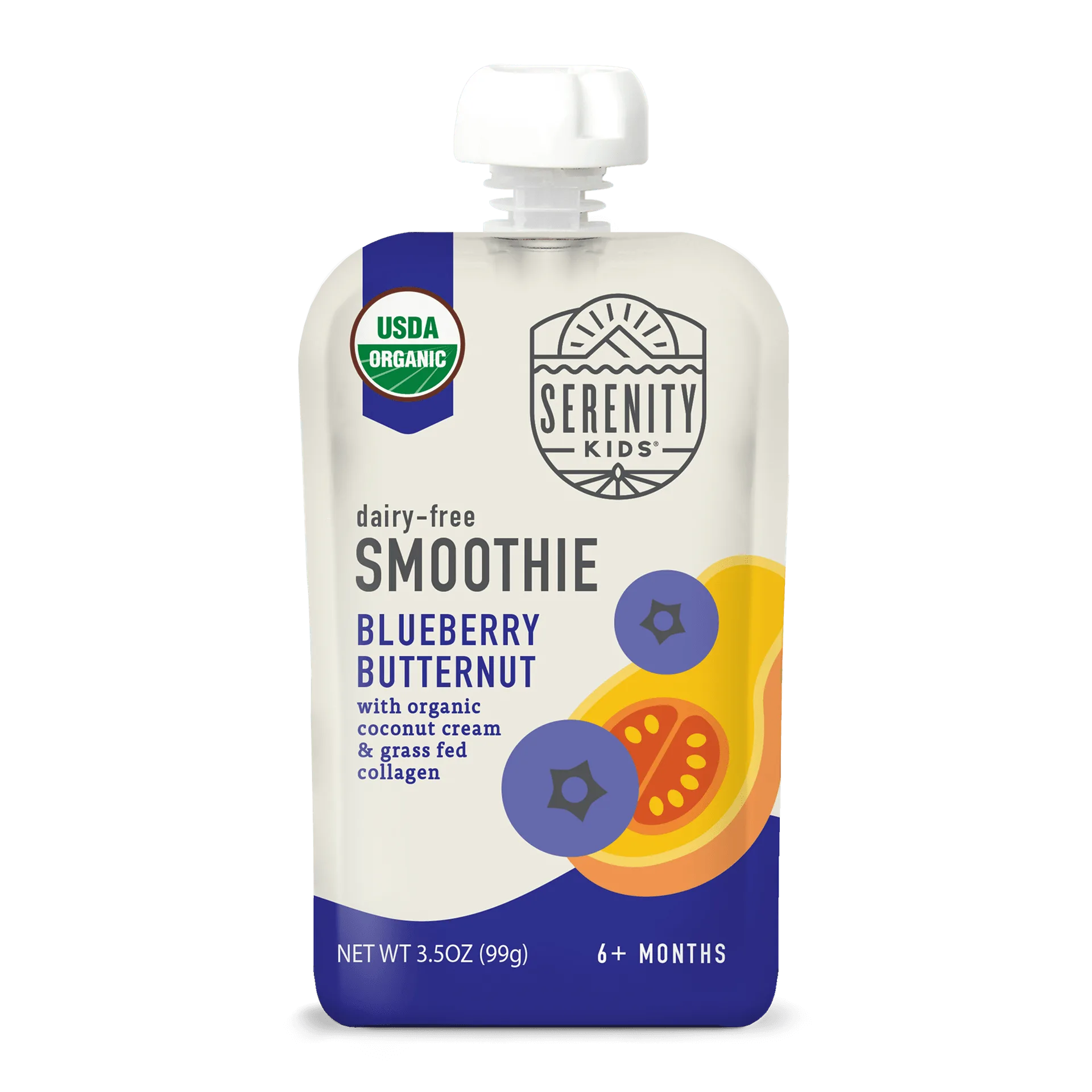
- Organic Blueberry Butternut Dairy Free Smoothie with Grass Fed Collagen: Organic Blueberry Butternut Dairy Free Smoothie with Grass Fed Collagen contains 5g of grass-fed collagen per serving and is dairy-free and egg-free. Provides a protein-containing snack that fits dairy-free and egg-free diets, helpful for keeping energy steady during the transition to a toddler sleep set.
Which sleep set fits your child right now?
Best for
- Babies who are not yet pulling to stand and fit within the baby size chart
- Parents who want a snug, secure fit with no loose fabric near the face
- Toddlers who have outgrown the length or width of the baby size and need more room to move
Not for
- Toddlers who are already walking or climbing and need a longer, more mobile-friendly cut
- Babies who are between sizes and would be safer in the smaller size until they clearly outgrow it
- Children who can easily unzip a sleep set and need a more secure closure for safety