The short answer on what the label actually confirms
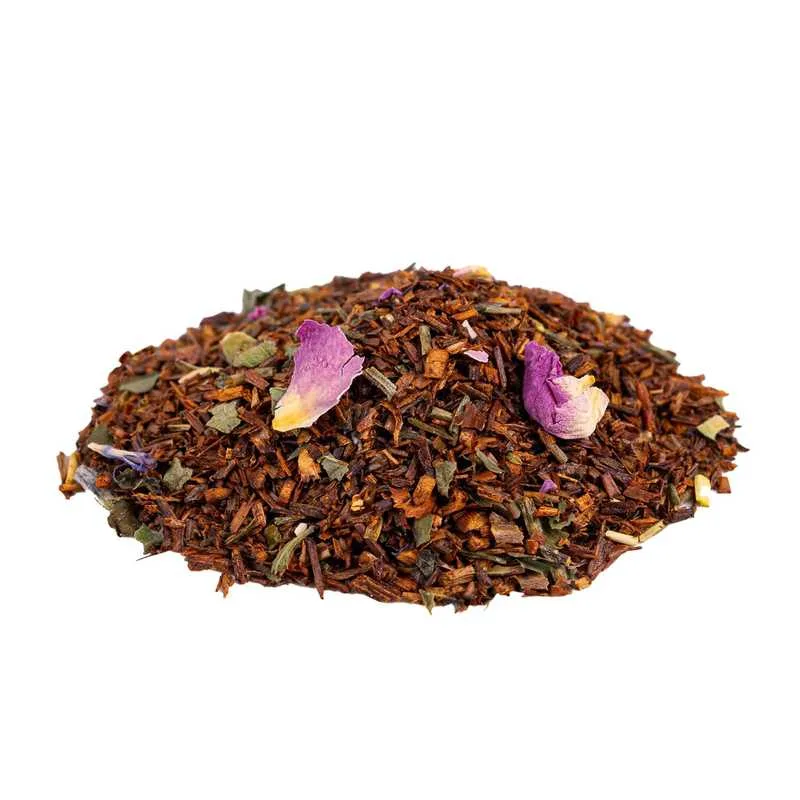
Secrets of Tea Baby Sleep Tea is described as a USDA Certified Organic herbal blend made from time-honored botanicals traditionally valued to support a calm, settled infant at bedtime. The supplied label information confirms it is caffeine-free, contains no artificial ingredients, and is positioned as safe for newborns. It is sold as a 40-serving box.
What the record does not provide is a full botanical ingredient list. The blend is framed by its traditional-use positioning and its organic certification rather than a named plant-by-plant breakdown. If you need to know every herb before giving a tea to an infant, that is a question for the manufacturer or your pediatric provider, not something this page can confirm.
Label facts that shape the ingredient question
-
Baby Sleep Tea – USDA Organic Herbal Blend for Little Ones: USDA Certified Organic, caffeine-free, no artificial ingredients, and described as safe for newborns. These are the concrete claims the label makes. They tell you what the blend is not (caffeinated or artificially flavored) more than they tell you which herbs are inside.
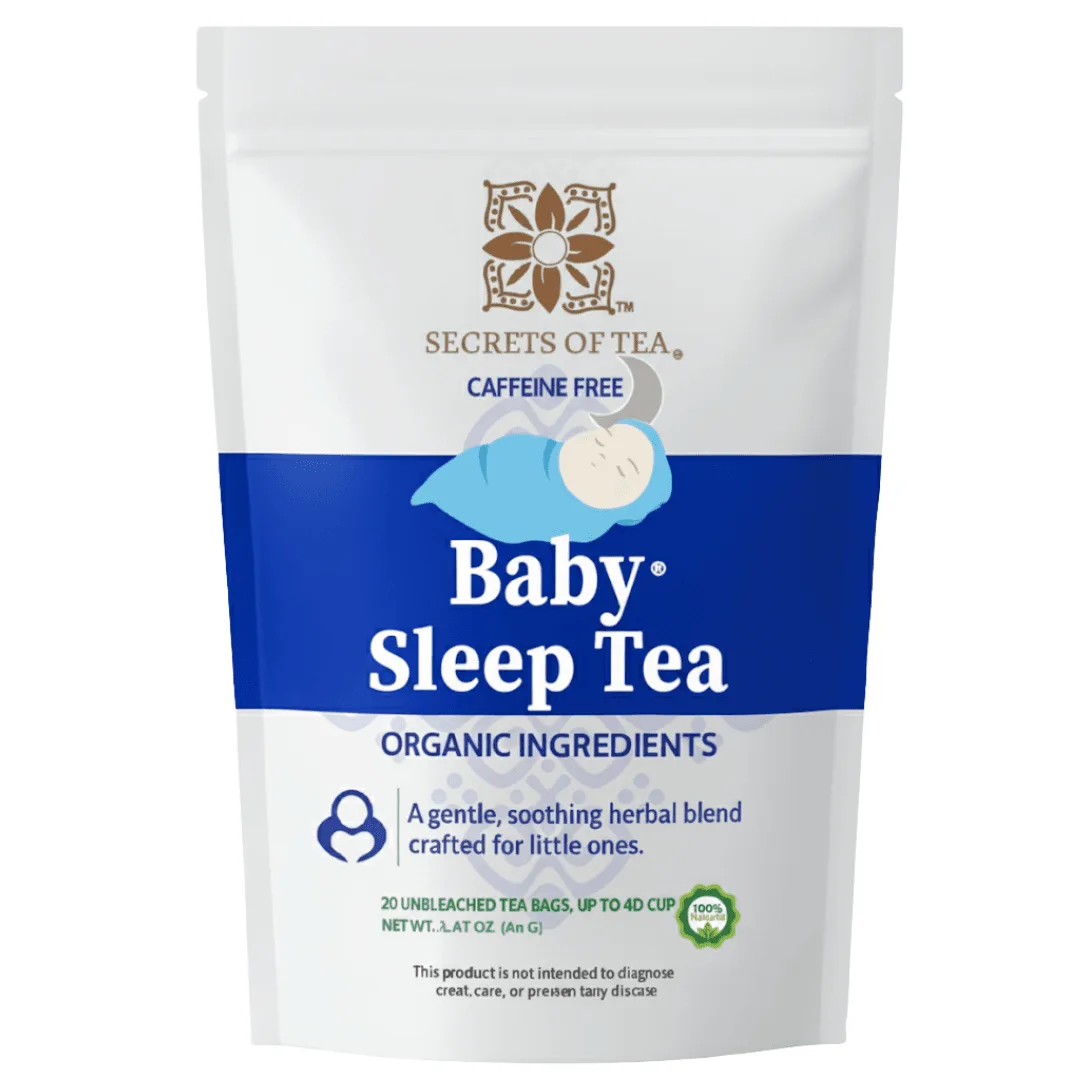
Baby Sleep Tea – USDA Organic Herbal Blend for Little Ones
-
Baby Sleep Tea – USDA Organic Herbal Blend for Little Ones: 40 servings per box. Serving count matters when you are testing whether a bedtime blend fits your routine; it sets a realistic trial window.
Questions parents ask about the blend
What is in baby sleep tea?
The supplied record describes an organic herbal blend of traditional botanicals but does not list individual herbs. It confirms organic certification, caffeine-free status, and no artificial ingredients. For a full ingredient panel, check the box or ask the manufacturer directly.
Is an organic herbal sleep blend for babies automatically safe?
Organic certification speaks to how ingredients are grown and processed, not to whether every baby should drink a tea. The label says safe for newborns, but it also advises consulting a healthcare provider before use, especially when giving the product to a child. Those two statements sit together: the product is positioned for infants, and your provider is still the right person to confirm it fits your baby.
Does baby sleep tea contain caffeine?
No. The label states the blend is caffeine-free, which is one of the clearer ingredient facts available for a bedtime tea.
What is the tea actually meant to do?
It is positioned to help signal to a baby's nervous system that it is time to rest, particularly when a baby is overtired, overstimulated, or struggling to wind down. The label frames this as supporting a calm, settled infant at bedtime, not as treating a sleep disorder.
Will it fix night waking?
The product description mentions overstimulation-related fussiness and nighttime waking, but the label does not promise to eliminate waking. The same record includes a practical note: addressing colic and gas first often directly solves sleep problems. If your baby has colic, the brand suggests starting with Babies Magic Tea or the Babies Magic + Sleep Bundle.
How should I think about baby sleep tea safety?
Treat the label as a starting point, not a green light for every situation. The record advises consulting a healthcare provider before use, especially if you are pregnant, nursing, taking medication, or giving the product to a child. It also carries the standard disclaimer that these statements have not been evaluated by the FDA and that the product is not intended to diagnose, treat, cure, or prevent any disease.
What the ingredient record leaves open
The most honest thing to say about baby sleep tea ingredients is that the supplied information is thin on specifics. You get the category (organic herbal blend), the traditional-use framing, and the absence of caffeine and artificial ingredients. You do not get a named herb list, ratios, or preparation instructions in the record reviewed here.
That gap is a decision limitation, not a reason to guess. If you are comparing bedtime options, use the confirmed facts: 40 servings, organic certification, caffeine-free, and newborn positioning paired with a provider-consultation warning. If you need more, the box or the manufacturer is the place to look before you brew.