Quick Answer
When choosing a baby teether, prioritize food-grade silicone, natural rubber, or untreated wood—materials that are free from BPA, phthalates, and lead. Check for a one-piece design without small parts, and always supervise your baby during use. For newborns, look for soft, easy-to-grip options; for older babies, textured or cooling teethers can provide extra relief.
Why Material Matters for Baby Teethers
Babies explore the world by putting things in their mouths, so the material of a teether directly affects safety and durability. Food-grade silicone is non-toxic, soft yet sturdy, and can be sterilized easily. Natural rubber is another safe option, offering a bit more flexibility and a satisfying chew. Untreated wood is a classic choice, but it must be smooth and free from splinters. Avoid teethers made from PVC, which may contain harmful chemicals, and always check for BPA, phthalates, and lead-free labels.
Safety Features to Look For
A safe teether should be a single, solid piece without any small parts that could become loose and pose a choking hazard. Look for teethers with a handle or grip that fits your baby's hands. Always follow the manufacturer's age recommendations, and inspect the teether regularly for signs of wear or damage. Never attach a teether to a string or cord, as this can be a strangulation risk. Supervise your baby during teething time, especially when they're using a new teether.
How to Choose the Right Teether for Your Baby
Consider your baby's age and teething stage. For newborns and younger babies, a soft, flexible teether that's easy to hold is best. As they grow and get more teeth, a textured or ridged teether can help massage sore gums. Some teethers can be chilled in the refrigerator for extra relief, but never freeze them, as they can become too hard and damage gums. If your baby has allergies, be aware of materials like latex, which is present in some natural rubber products.
Decision Rules for Choosing a Baby Teether
- Material check: Choose food-grade silicone, natural rubber (if no latex allergy), or untreated wood. Avoid PVC and any teether with a 'not for teething' label. Always look for BPA-free, phthalate-free, and lead-free labels.
- Design safety: Pick a one-piece teether with no small parts, and ensure it's too large to fit through a toilet paper roll (a common choking hazard test). Inspect regularly for cracks or loose parts.
- Age and stage fit: For newborns, choose soft and flexible; for older babies, add texture or cooling features. Follow the manufacturer's age recommendations. Match the teether to your baby's current teething needs.
- Cleaning and maintenance: Follow the cleaning instructions—silicone can often be boiled or placed in the dishwasher, wood should be wiped clean. Avoid freezing any teether. Clean after each use to maintain hygiene.
Related Products to Consider
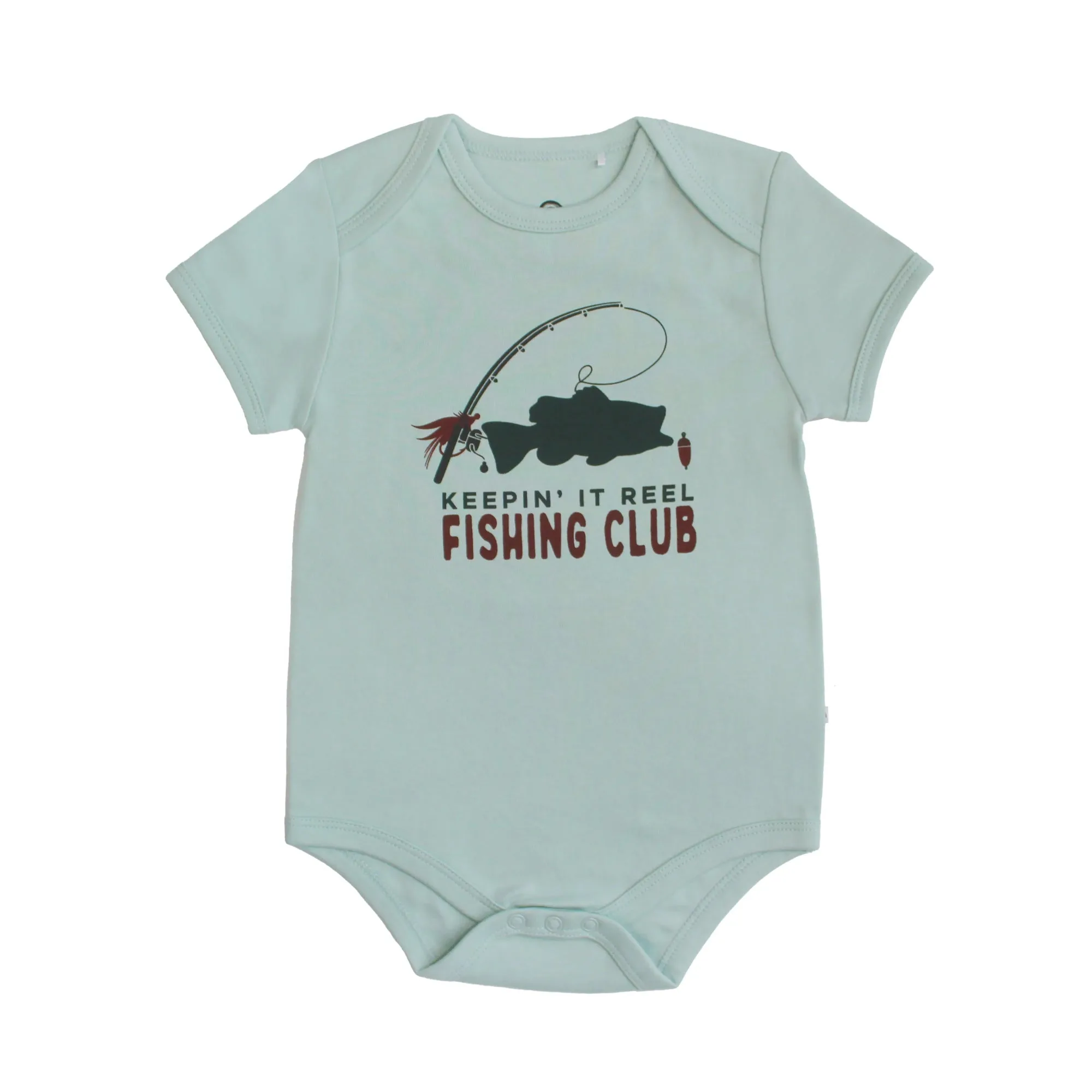
- Keepin’ it Reel Fishing Club Baby Bodysuit: This bodysuit features our Keepin' It Reel Fishing Club graphic, capturing a fresh catch! Each graphic is designed in-house with exclusive artwork you won’t find anywhere else. Made with 100% cotton, soft… While not a teether, this soft cotton bodysuit is a comfortable choice for teething babies who may drool more. Its gentle fabric helps prevent skin irritation, and the exclusive design adds a fun touch to everyday wear.
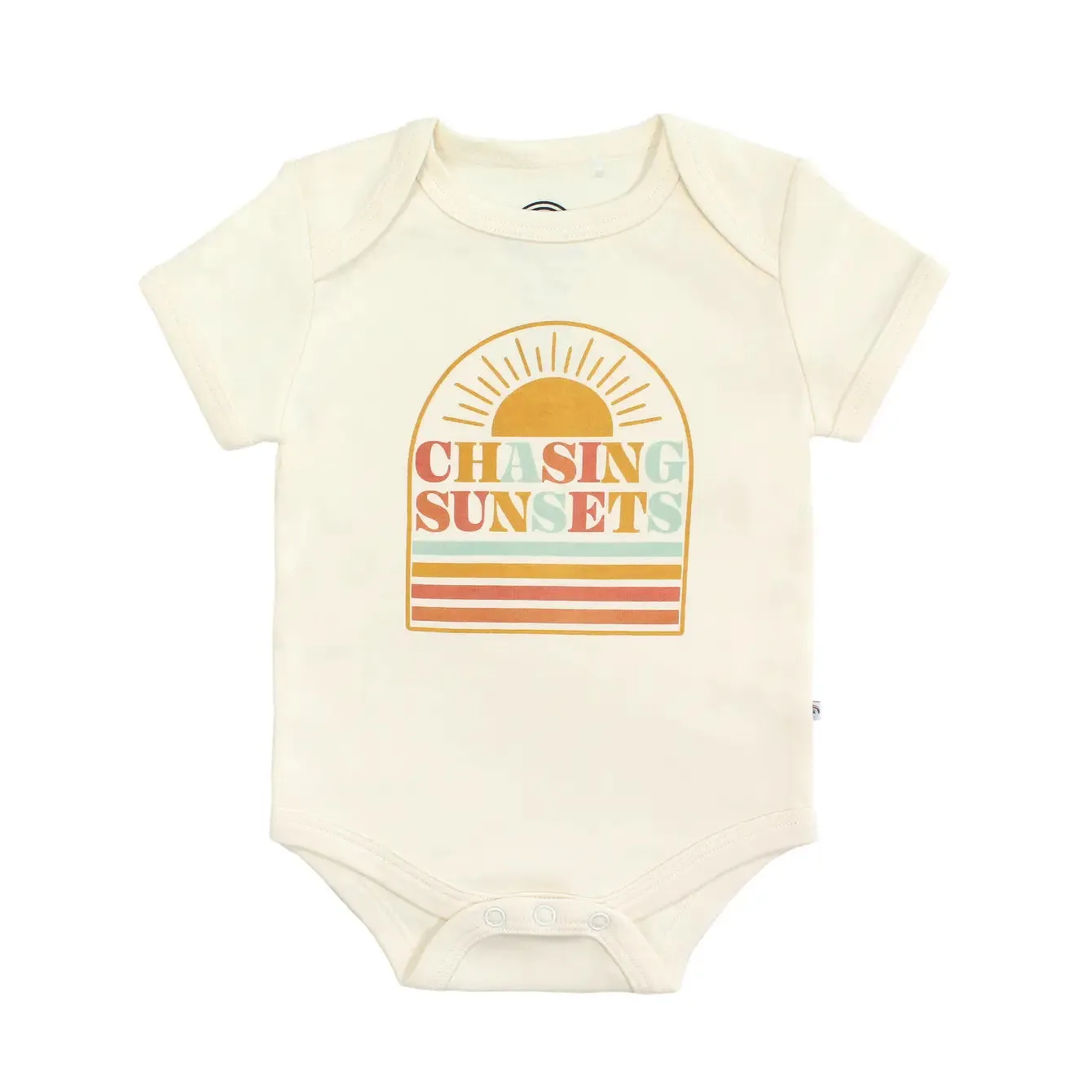
- Chasing Sunsets Cotton Baby Bodysuit: Our new baby bodysuit are perfect for summer days! Designed for play, naps, and everyday adventures, these bodysuits are a warm-weather essential. This bodysuit features our Chasing Sunsets graphic, complete with a glowing sunset design for the ultimate golden-hour vibe. For warm-weather teething days, this cotton bodysuit keeps your baby cool and comfortable. The breathable fabric is gentle on sensitive skin, and the cheerful sunset design makes it a cute addition to your baby's wardrobe.
Who Should Choose What
Best for
- Parents looking for a safe, non-toxic teether for everyday use
- Babies who are actively teething and need relief for sore gums
Not for
- Babies with known latex allergies should avoid natural rubber teethers
- Parents who prefer a teether that can be frozen for extra cooling