Choosing the right utensils for your baby can feel overwhelming. With so many materials on the market—silicone, plastic, and stainless steel—each claiming to be the safest and most convenient, it’s easy to get lost in the options. As a parent, you want utensils that are gentle on gums, easy for little hands to grip, dishwasher safe, and free from harmful chemicals.
In this baby utensils comparison, we’ll break down the pros and cons of silicone, plastic, and stainless steel. We’ll also highlight practical features like suction bowls, bibs, and feeding sets that make mealtime smoother. By the end, you’ll know exactly which material suits your baby’s age and your family’s needs.
Why Material Matters for Baby Utensils
Babies explore the world with their mouths, and utensils are no exception. The material of a baby spoon or toddler fork affects safety, durability, and ease of cleaning. Silicone is soft and non-toxic, plastic is lightweight and affordable, and stainless steel is sturdy and long-lasting. Each has its place in a baby’s feeding journey.
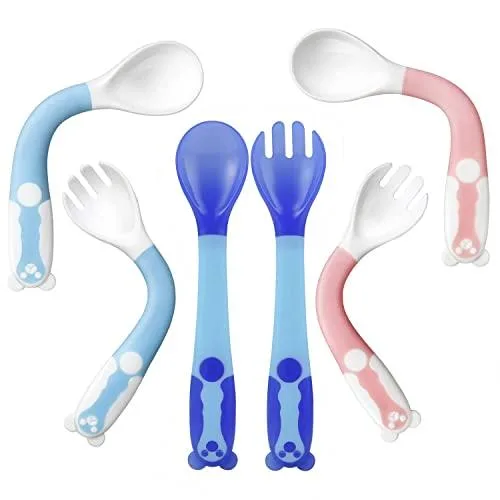
spoon
Understanding the differences helps you avoid common pitfalls like BPA exposure, sharp edges, or utensils that are too heavy for tiny hands. We’ll compare these materials across key categories: safety, grip, cleaning, and longevity.
- Look for BPA-free, phthalate-free, and lead-free certifications regardless of material.
- Consider your baby’s age: soft silicone for teething infants, sturdy stainless steel for older toddlers.
Silicone Utensils: Soft, Safe, and Gentle on Gums
Silicone utensils have become a favorite among parents for good reason. They are soft, flexible, and gentle on sore gums, making them ideal for babies who are just starting solids. High-quality silicone is food-grade, non-toxic, and free from BPA, PVC, and phthalates. It also doesn’t leach chemicals when heated.
Another advantage is heat resistance. Silicone can withstand high temperatures without melting, so you can safely sterilize it. It’s also naturally non-slip, which helps babies grip the handle. Many silicone spoons come in bright colors that attract little ones. For a complete mealtime solution, pair silicone utensils with a https://terracradle.shop/products/feeding-set-120851https://terracradle.shop/products/feeding-set-120896https://terracradle.shop/products/feeding-set-120898Feeding Set that includes a plate, bowl, and cup made from the same safe material.
- Silicone is dishwasher safe and easy to clean – just rinse or toss in the top rack.
- Avoid silicone utensils with a strong chemical smell, which may indicate low quality.
Plastic Utensils: Lightweight and Budget-Friendly
Plastic utensils are widely available and often the most affordable option. They are lightweight, which is great for babies learning to self-feed. Many plastic spoons and forks are designed with ergonomic handles that are easy for small hands to hold. However, not all plastic is created equal.
The main concern with plastic is the potential for harmful chemicals like BPA and phthalates. Always choose utensils labeled BPA-free and made from food-grade materials like polypropylene. Plastic can also scratch over time, creating crevices where bacteria can hide. For this reason, many parents prefer silicone or stainless steel for long-term use. If you choose plastic, replace utensils regularly and avoid using them with hot foods.
- Look for plastic utensils that are dishwasher safe and free from sharp edges.
- Avoid using plastic utensils with acidic foods like tomato sauce, which can cause leaching.
Stainless Steel Utensils: Durable and Long-Lasting
Stainless steel utensils are the most durable option and can last through multiple children. They are non-toxic, rust-resistant, and do not absorb odors or stains. Stainless steel is also easy to clean and can be sterilized in boiling water or the dishwasher.
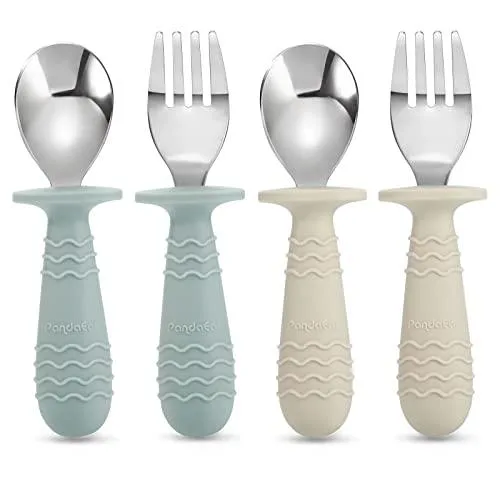
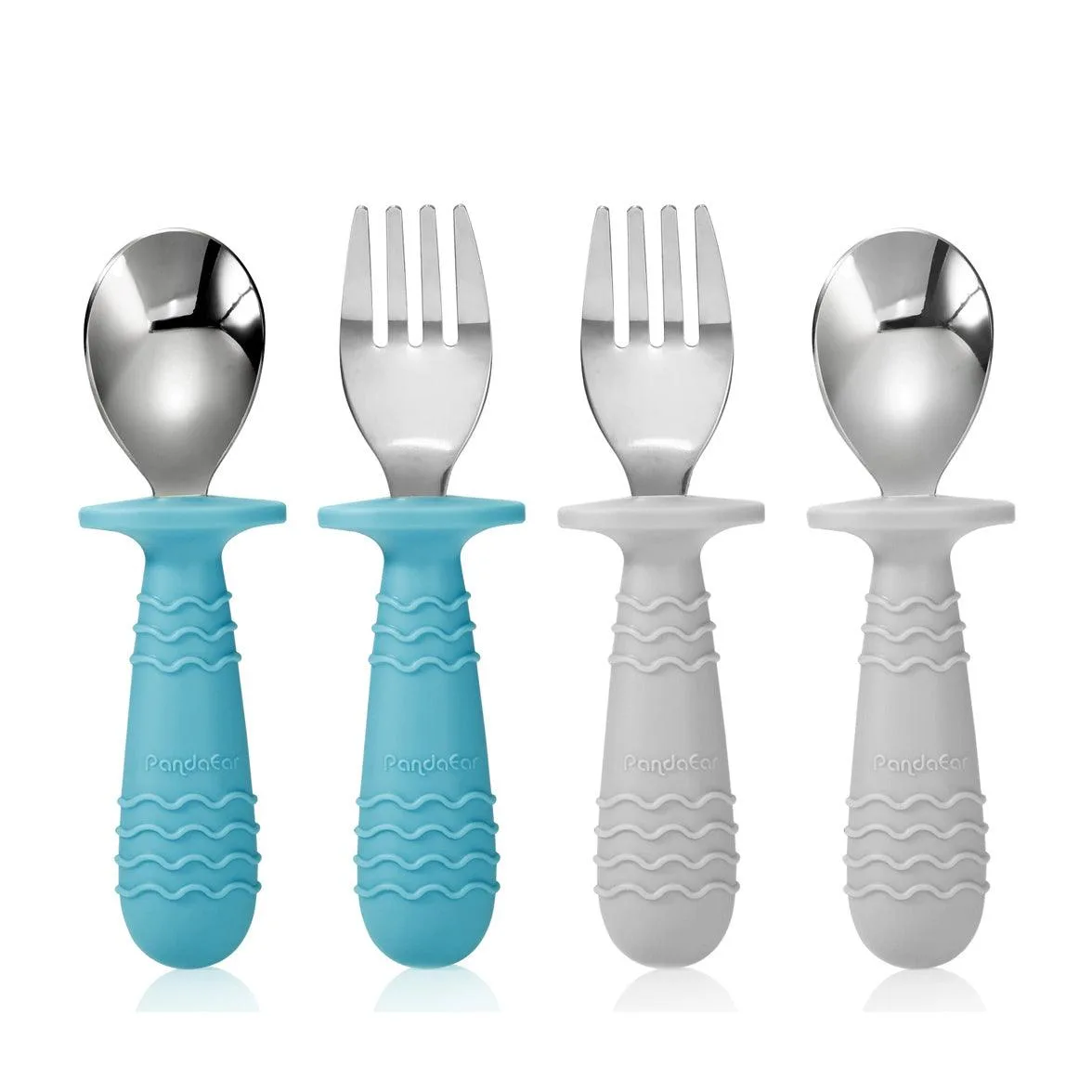
The downside is that stainless steel can be heavy for babies and may feel cold or hard on sensitive gums. Many toddler forks and spoons now feature silicone handles for better grip and comfort. Stainless steel is best suited for older toddlers who have developed a good pincer grasp and are ready for more substantial utensils. For younger babies, start with silicone and transition to stainless steel as they grow.
- Choose utensils with rounded edges to prevent injury.
- Stainless steel is eco-friendly and recyclable, making it a sustainable choice.
Key Features to Look for in Baby Utensils
Beyond material, there are several features that can make mealtime easier. Look for utensils with short, thick handles that are easy for babies to grasp. Some spoons are angled to help guide food into the mouth. Suction-based accessories, like Suction Bowls, prevent spills and keep the bowl in place while your baby learns to scoop.
Another helpful accessory is a Long Sleeve Bib, which protects clothing and catches dropped food. Many parents also appreciate a complete Feeding Set that includes a plate, bowl, cup, and utensils in matching designs. These sets often feature divided plates to keep different foods separate, which can help picky eaters.
- Choose utensils with a shallow spoon bowl to prevent overloading.
- Look for sets that include a storage case for travel or on-the-go feeding.
Silicone vs Plastic vs Stainless Steel: Quick Comparison Table
To help you decide at a glance, here’s a side-by-side comparison of the three materials across important criteria.
Ultimately, the best baby utensils depend on your child’s age, development, and your family’s lifestyle. Silicone is perfect for starting solids, plastic offers a budget-friendly option, and stainless steel provides unmatched durability. For a balanced approach, start with a silicone spoon and fork set, then transition to stainless steel as your toddler grows. Explore our collection of baby feeding essentials, including the Feeding Set, to find the perfect match for your little one.