Quick answer
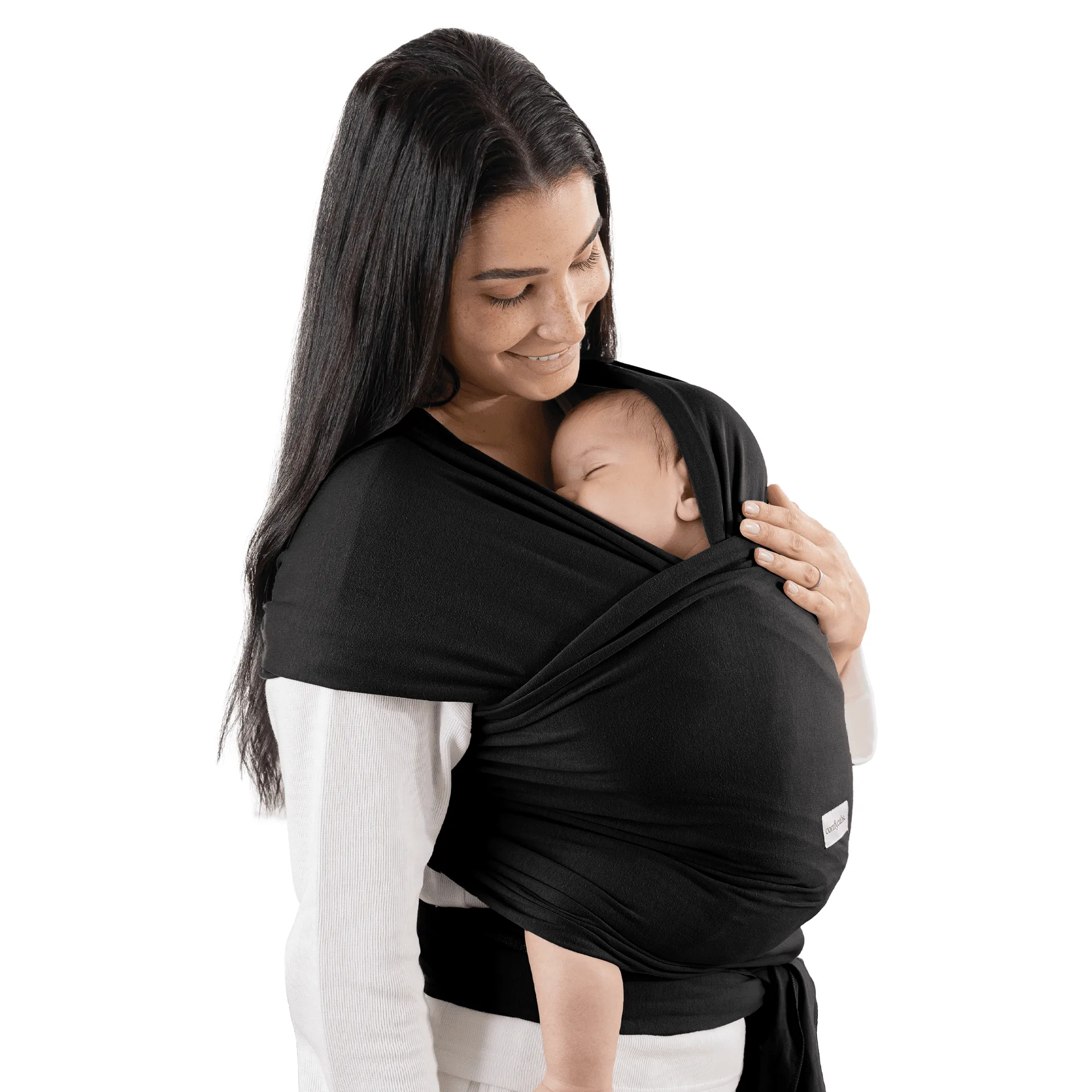
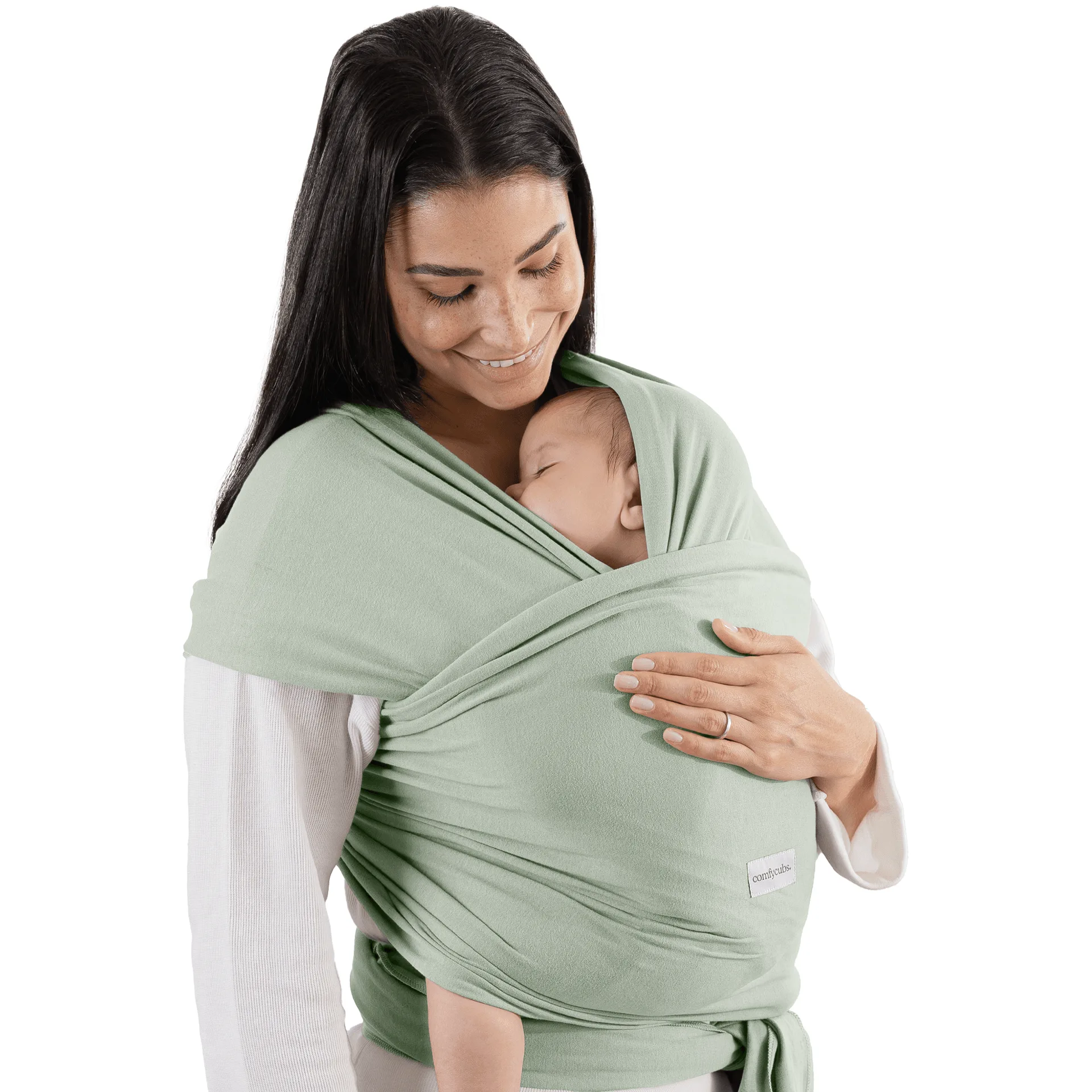
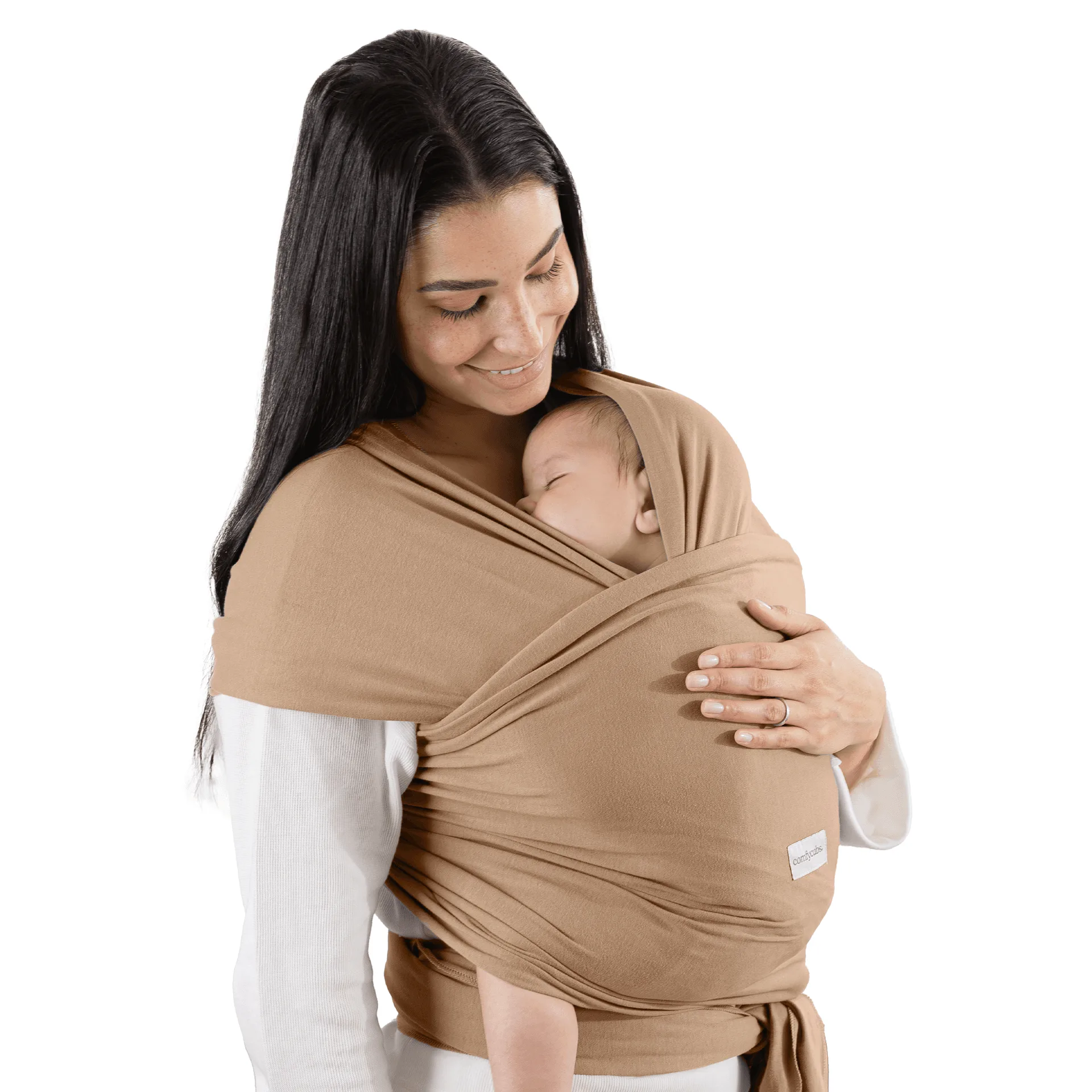
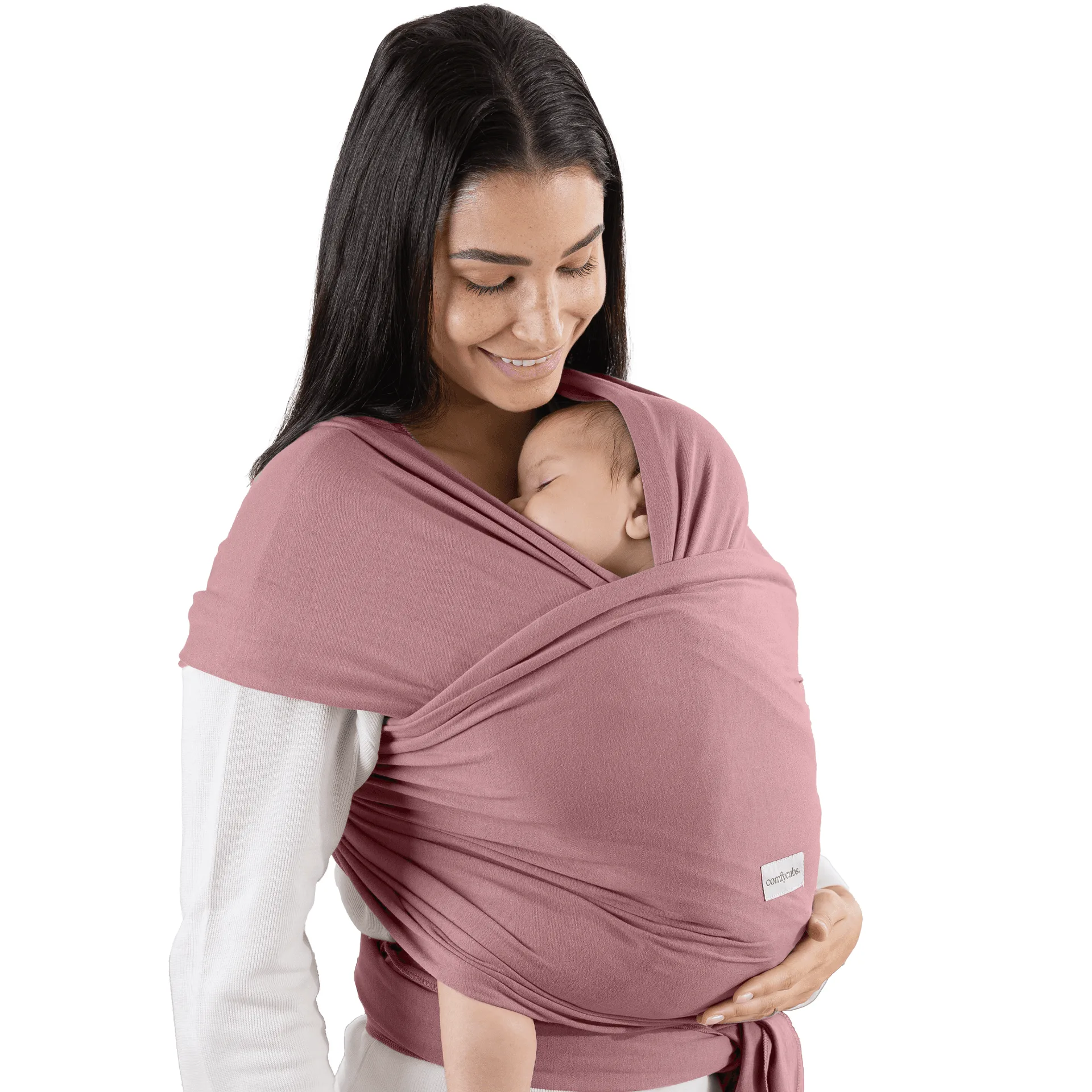
A well-fitting baby wrap should feel snug, like a firm hug, with no slack and no pinching. Your baby should sit high on your chest, close enough to kiss, with their face visible and airway clear. If you can slide more than two fingers under the fabric or the wrap sags, it is too loose.
What to check before you tie
Before tying, put the wrap on over a fitted top and check that the fabric is not twisted. Hold the wrap up to your body and find the center marker. A good starting point is to tie the wrap so the fabric sits high on your chest, not down at your waist. If you are using a stretchy wrap, tie it snugly before you put your baby in; it will loosen slightly as you move. For a woven wrap, you can adjust tension as you go.
How tight should a baby wrap be?
Tight enough that you cannot pinch a fold of fabric, but not so tight that it digs into your shoulders or ribs. When you lean forward, your baby should not shift away from your chest. You should be able to take a deep breath without the wrap restricting your ribcage. If you feel pressure on your neck or lower back, the wrap is likely too tight or unevenly tightened.
Newborn wrap carrier position
For a newborn, the wrap should support the entire spine and head. The baby's head should be turned to the side, with the chin off the chest. Their knees should be higher than their bottom, in an M-shape, and the fabric should support them from knee to knee. The top edge of the wrap should not cover the baby's face. If your baby was born prematurely or has special health needs, ask your pediatrician before using any wrap.
Common fit problems and fixes
If the wrap feels loose after 10 minutes, retie it tighter. If your baby sinks low, the wrap is too stretchy or not tightened enough. If the fabric cuts into your baby's legs, adjust the seat so the fabric goes knee-to-knee, not across the calves. If you feel back pain, try shifting the wrap higher on your shoulders and tightening the strands that cross your back.
Wrap carrier comfort tips for long wears
Alternate which shoulder carries the most weight if your wrap allows. Take breaks every hour, especially in the beginning. Stay hydrated and wear shoes with good support. If you have a partner, have them check your fit from the side and back. A wrap that fits well should feel comfortable for 30–60 minutes at a time; if it hurts, stop and readjust.
Wrap fit FAQ
How do I know if the wrap is too loose?
If you can pinch a fold of fabric or your baby slides down when you lean forward, it is too loose. Retie it tighter and check that the fabric is spread across your back. Snug like a firm hug, no slack.
Can I use a wrap carrier for a newborn?
Yes, if the wrap supports the head and neck and keeps the baby high on your chest. Always ensure the face is visible and the chin is off the chest. Check airway and position every time.
What if my back hurts after wearing?
Back pain often means the wrap is too low or unevenly tightened. Raise the wrap higher on your shoulders and tighten the back strands. Adjust before the pain starts.
Product facts to support your fit
- Baby Wrap Carrier in Mauve: Made from a soft and breathable cotton-spandex blend, designed to fit all baby body types. The stretchy fabric lets you tie a snug fit that adapts to your baby's shape without being rigid.