Quick answer
A useful backcountry hunting gear checklist is built from decisions, not categories. Start with the shelter you will actually sleep in, add the safety gear that matches how far you will be from help, then add support gear only if it earns its weight. For most hunters, that means choosing a four-season shelter platform first, carrying a real first aid kit, and treating trekking poles as a terrain decision rather than a default.
first aid kit
Most hunting equipment planning fails for the same reason: the list is organized by product category instead of by decision. You end up with a tent, a first aid kit, and trekking poles that were each chosen separately and never tested against each other.
This guide gives you decision rules for the three parts of a wilderness hunt preparation list that change the rest of your pack: shelter, safety, and support. Use them to build a backcountry hunt packing list you can defend, not one you copied from a forum.
Start with shelter, because it changes everything else
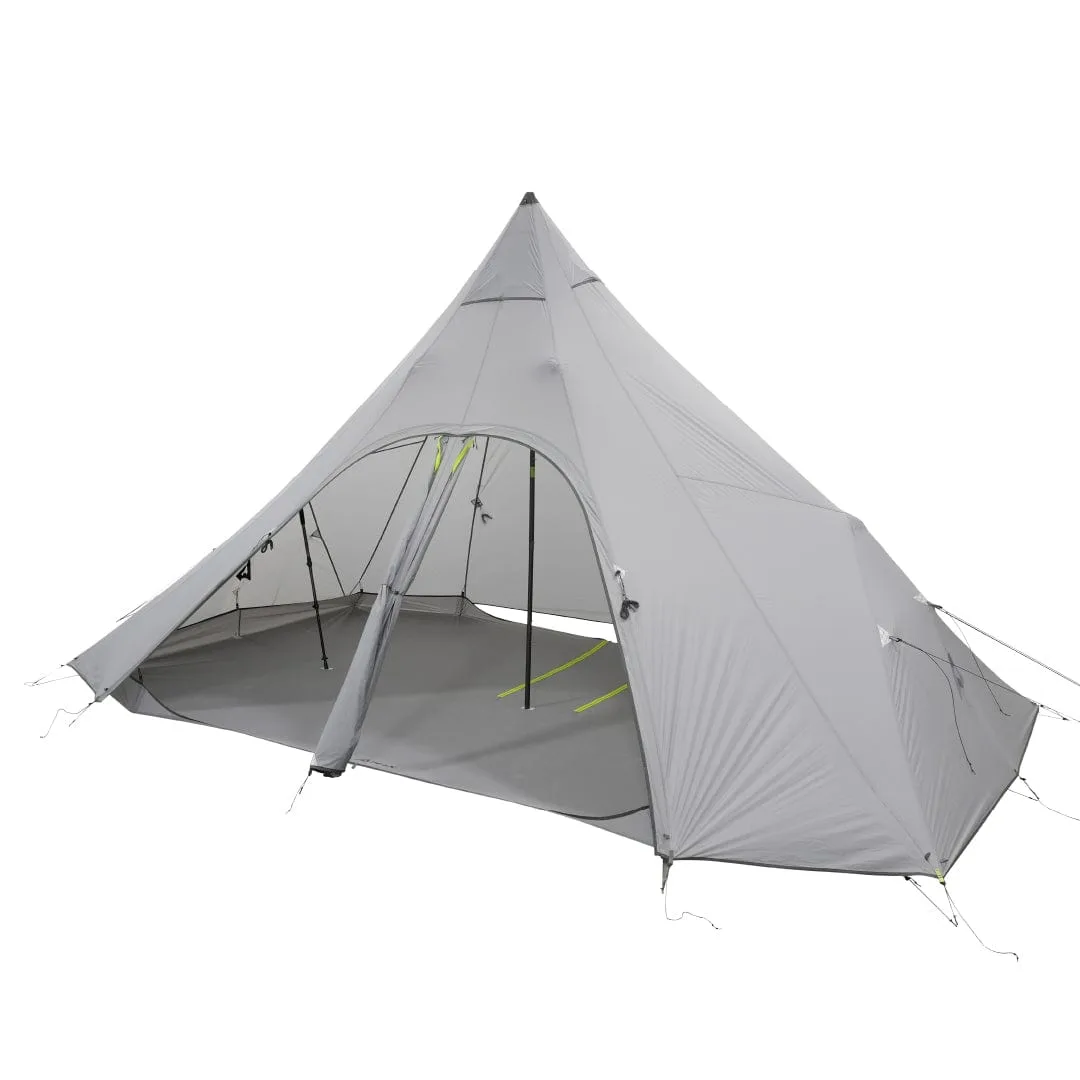
Shelter is the first decision because it sets your weight budget, your sleep quality, and whether you can dry gear during a multi-day storm. A four-season, stove-compatible tipi platform is the most flexible starting point for extended hunts and larger groups, because it can be run with or without a stove and can be sized to the trip rather than the trip sized to it.
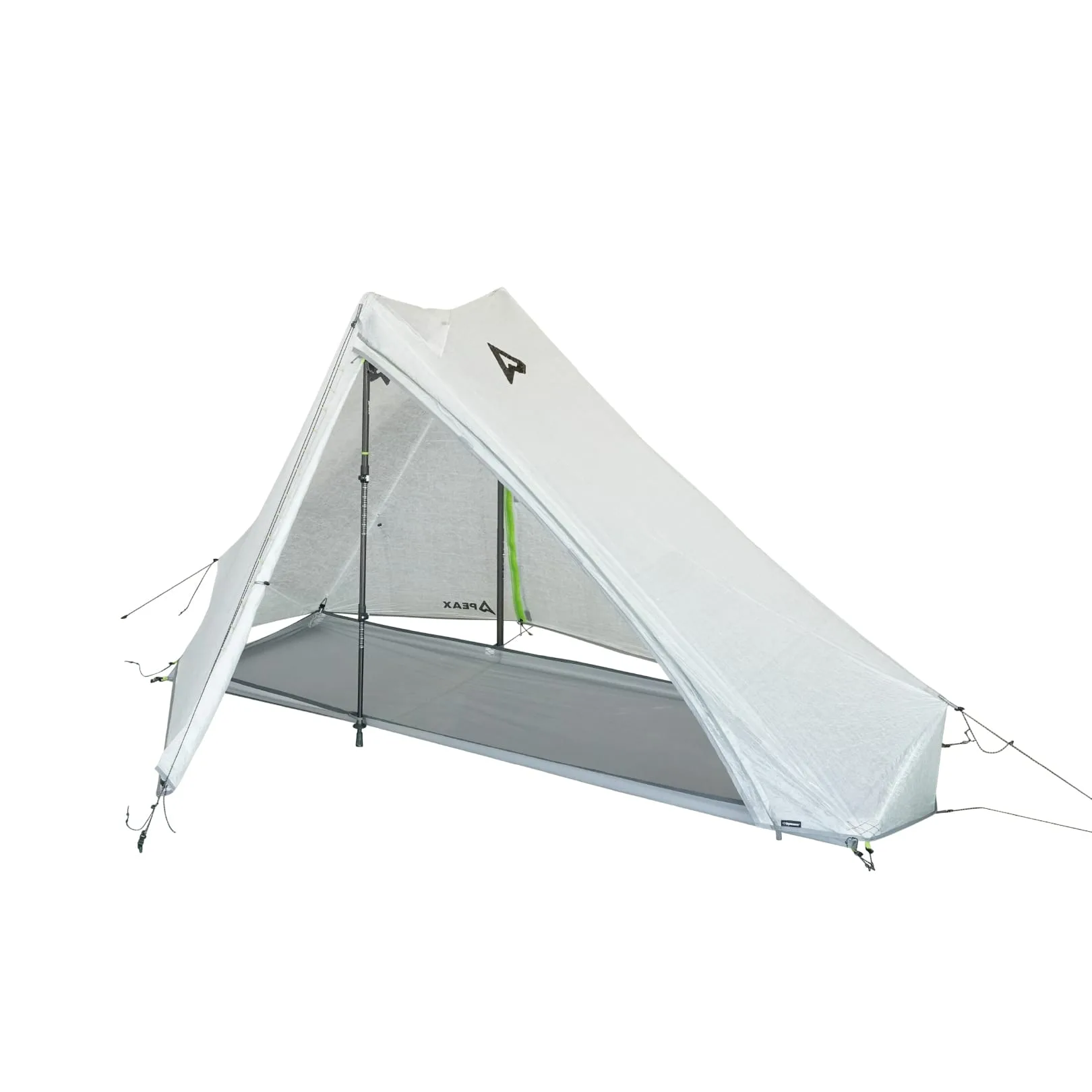
The trade-off is real. Bigger shelters weigh more and take longer to pitch. If you hunt solo and move camp daily, a smaller one-person shelter usually wins. If you hunt from a base camp with two or more people, the larger platform earns its weight back in livability.
- Decide group size and camp style before you compare shelters.
- Treat optional footprints, nests, and pole sets as part of the shelter decision, not afterthoughts.
- If you plan to run a stove, confirm stove compatibility before you buy.
Match safety gear to distance from help
The farther you are from a trailhead, the less a minimal first aid approach makes sense. In remote hunting environments, even minor injuries can become serious problems, and the gear that matters is the gear that lets you stabilize a situation and keep moving or wait safely.
This is the category where a checklist should be strict. A compact, organized kit that you have actually opened and repacked is worth more than a larger kit you have never inventoried. Check expiration dates and restock what you use each season.
- Set a distance threshold, such as more than a few hours from the truck, that triggers a full kit.
- Repack your kit after every trip so you know what is missing.
- Keep the kit in the same place in your pack every time.
Add support gear only when terrain demands it
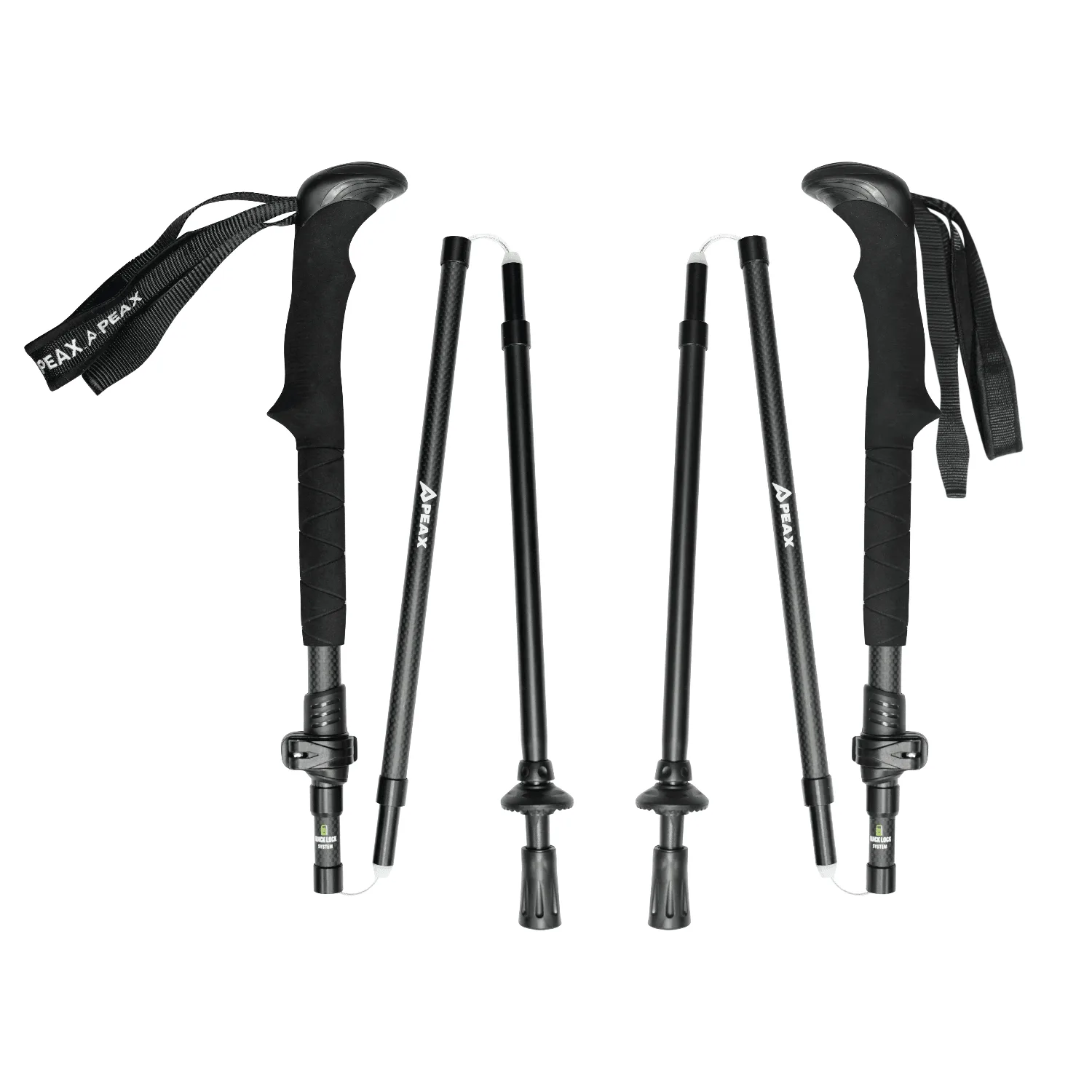
Trekking poles are the clearest example of a support item that should be conditional. Steep climbs, technical descents, and uneven terrain demand reliable support, but not every hunt requires poles in hand all day. Folding collapsible poles make sense for hunters who want lightweight stability when conditions demand it and compact storage when they do not.
The decision rule is simple: if your hunt includes loaded packouts on steep ground or long sidehills, poles earn their place. If your hunt is mostly flat approach and short stalks, they are optional weight.
- Choose folding poles if you need them to disappear into your pack on stalks.
- Choose fixed-length poles if you use them constantly and want fewer failure points.
- Test your pole height with a loaded pack before the season, not during it.
Build the rest of the list around those three decisions
Once shelter, safety, and support are settled, the remaining checklist items are easier to judge. Clothing, cooking, and lighting should all be chosen to fit the shelter and the season you already committed to, not the other way around.
Write your list in the order you will actually use the gear: camp setup, sleep system, cooking, navigation, and emergency. That order exposes gaps that a category-based list hides, such as a stove that does not fit your shelter or a headlamp battery that dies in the cold.
- Lay out every item and pitch your shelter before the season.
- Mark items you did not use on the last trip and question whether they return.
- Keep a written list so you are not rebuilding it from memory each year.
Decision rules for your checklist
- Group size and camp style: Two or more hunters staying in one camp for multiple days should start with a larger, stove-compatible shelter platform. Solo hunters moving daily should start with a one-person shelter. Shelter decision comes first; everything else is sized around it.
- Distance from professional care: If help is hours away, carry a real first aid kit and know what is inside it. If help is close, a minimal kit may be enough, but the threshold should be a deliberate choice. Safety gear scales with distance, not with pack space.
- Terrain and load: Steep climbs, technical descents, and uneven terrain justify trekking poles. Flat approach and short stalks usually do not. Folding poles let you store them when the terrain changes. Poles are a terrain decision, not a default item.
- Optional shelter components: Footprints, nests, and pole sets change weight, setup, and protection. Decide whether you need them before the season, because they are part of the shelter system, not accessories. Buy the shelter as a system, then pack it as one.
- Post-trip audit: After each hunt, mark what you used and what you carried without using. Items that never get used in two seasons should be questioned or replaced. A checklist improves only if you review it.
Product facts that inform these decisions
- SOLITUDE 6 TIPI TENT [SILNYLON]: The PEAX Solitude 6 is a 4 season tent with stove compatibility, built to deliver dependable protection, exceptional livability, and reliable performance in demanding backcountry conditions. If your checklist includes a stove or a multi-day base camp, this platform is designed for that use, and it is offered with optional footprint, nest, and trekking pole options that change how you pack.
- SOLITUDE 1 TENT [DYNEEMA®]: The PEAX Solitude 1 Dyneema® is a 1 person tent designed to maximize interior living space while minimizing pack weight for demanding mountain hunts. Solo hunters who move camp often should weigh this against a larger shelter, because pack weight and interior space trade off directly.
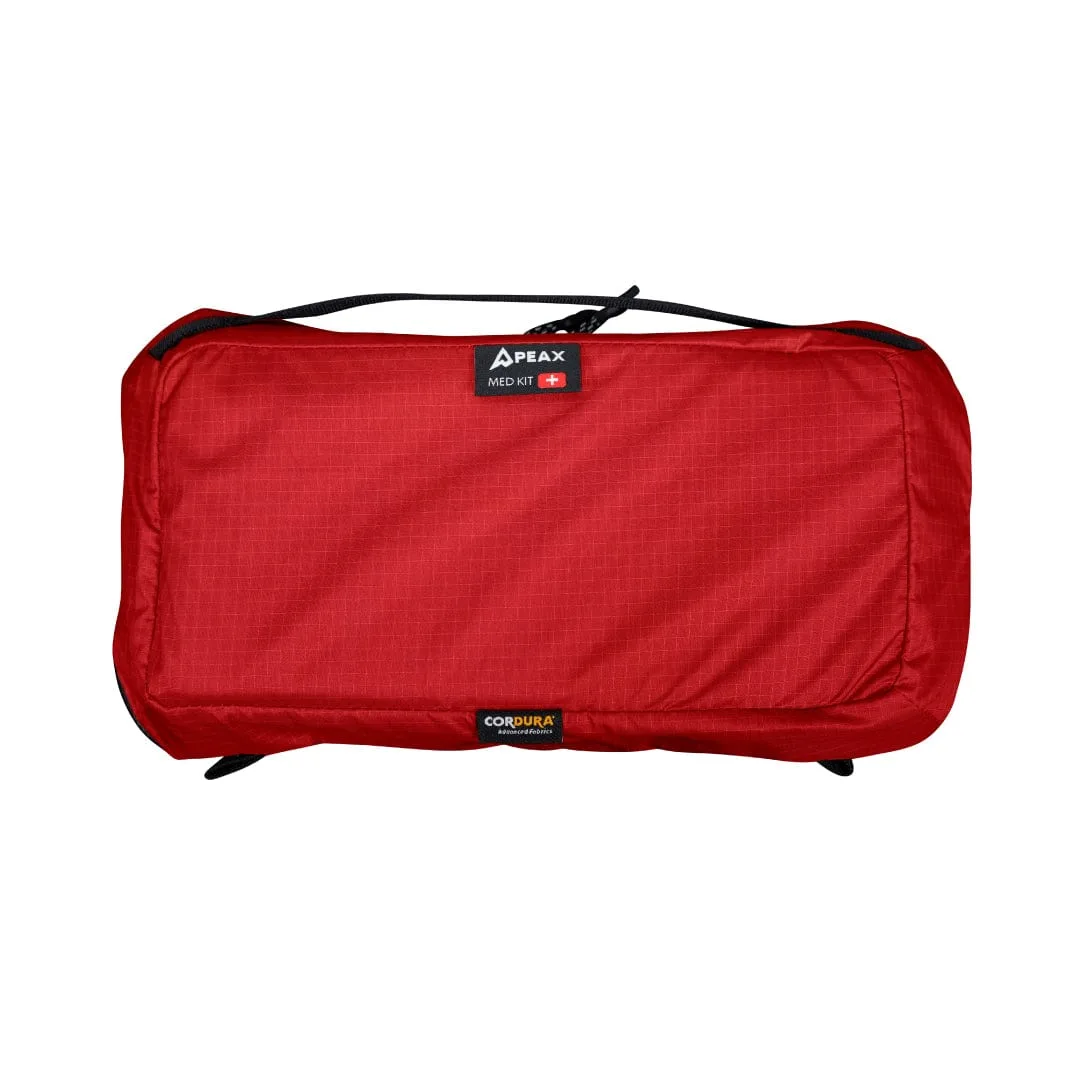
- FIRST AID KIT: The PEAX Hunting First Aid Kit provides critical medical supplies to help hunters manage injuries, stabilize emergencies, and respond with confidence when professional care is hours away. This is the safety item that should be on every version of the checklist, regardless of shelter or terrain choices.
- PEAX BACKCOUNTRY Z TREKKING POLES: The PEAX Backcountry Z are folding collapsible trekking poles built for hunters who need lightweight stability when conditions demand it and compact storage when they don't. If your hunt includes steep, technical terrain but also requires hands-free stalks, folding poles fit that pattern better than fixed-length poles.
Who this approach fits
Best for
- Hunters planning extended backcountry trips where shelter and safety decisions drive the rest of the pack
- Hunters who want a repeatable checklist instead of rebuilding a packing list from scratch each season
- Hunters comparing a larger stove-compatible shelter against a lighter solo shelter
Not for
- Day hunters who never camp and only need a small emergency kit
- Hunters who already have a fixed, tested system and are not changing shelter or terrain
- Anyone looking for a single universal list that ignores group size, season, and distance from help
Build your backcountry hunting gear checklist around shelter, safety, and support decisions, then let the rest of the list follow. Review it after every trip so the list reflects how you actually hunt, not how you planned to.