Quick answer
Choose a miniature storage bag or figure carry case by measuring your largest based model first, then pick a wargaming backpack with adjustable foam trays and at least one hard-sided compartment for tools and spares. If you mostly carry loose infantry, a soft bag with pluck foam works; if you carry cavalry, monsters, or vehicles, prioritize rigid walls and dense foam. Buy the smallest bag that fits your current army plus one tray of growth, and keep your hobby transport gear separate from your gaming accessories so nothing shifts in transit.
Your painted miniatures are only as safe as the bag you carry them in. A wargaming backpack that looks rugged on the outside can still let models grind against each other if the foam layers are too loose or the trays slide when you set the bag down. The goal is not to buy the biggest case you can find; it is to match the bag, foam, and pouches to the shape and number of models you actually transport.
This guide walks through the decisions that matter when you are organising a miniature transport kit: measuring your models, choosing between soft and hard cases, planning foam density, and using small pouches for the bits that always go missing. Along the way we will look at a few Victoria Miniatures products that can help you keep your army organised, including Victorian Ammo Pouches and the Van Diemen's World Devils 10 Woman Squad.
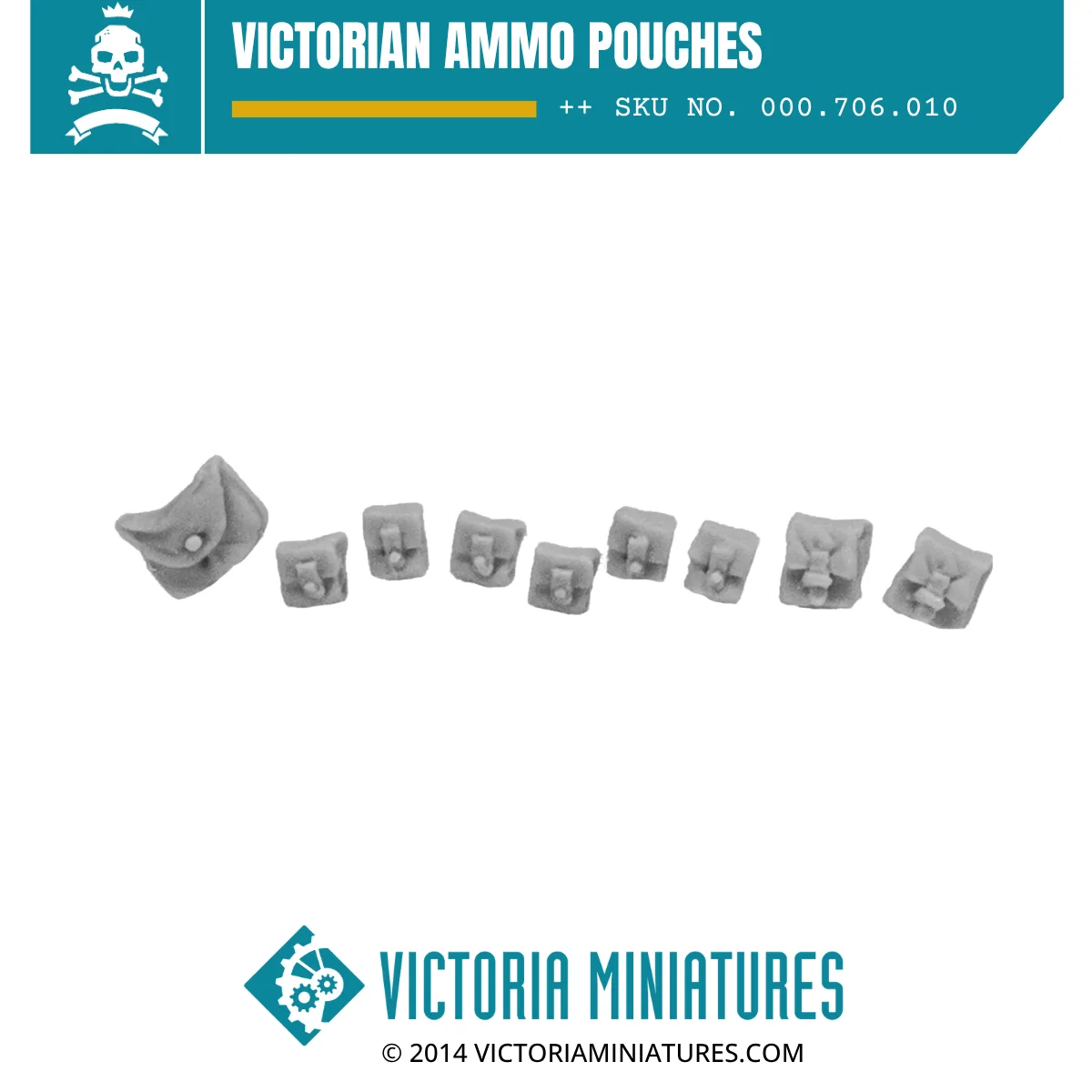
Victorian Ammo Pouches
Measure your models before you buy a bag
Start by measuring the footprint and height of your tallest and widest models, including any banners, bugles, or outstretched arms. A Rough Rider Banners and Bugle set, for example, adds height and width that a standard infantry tray will not accommodate. Write down the largest base size in your collection, then compare that to the internal dimensions of any miniature transport bag you are considering. If the bag does not list internal tray dimensions, treat that as a decision limitation and look for a seller who publishes them.
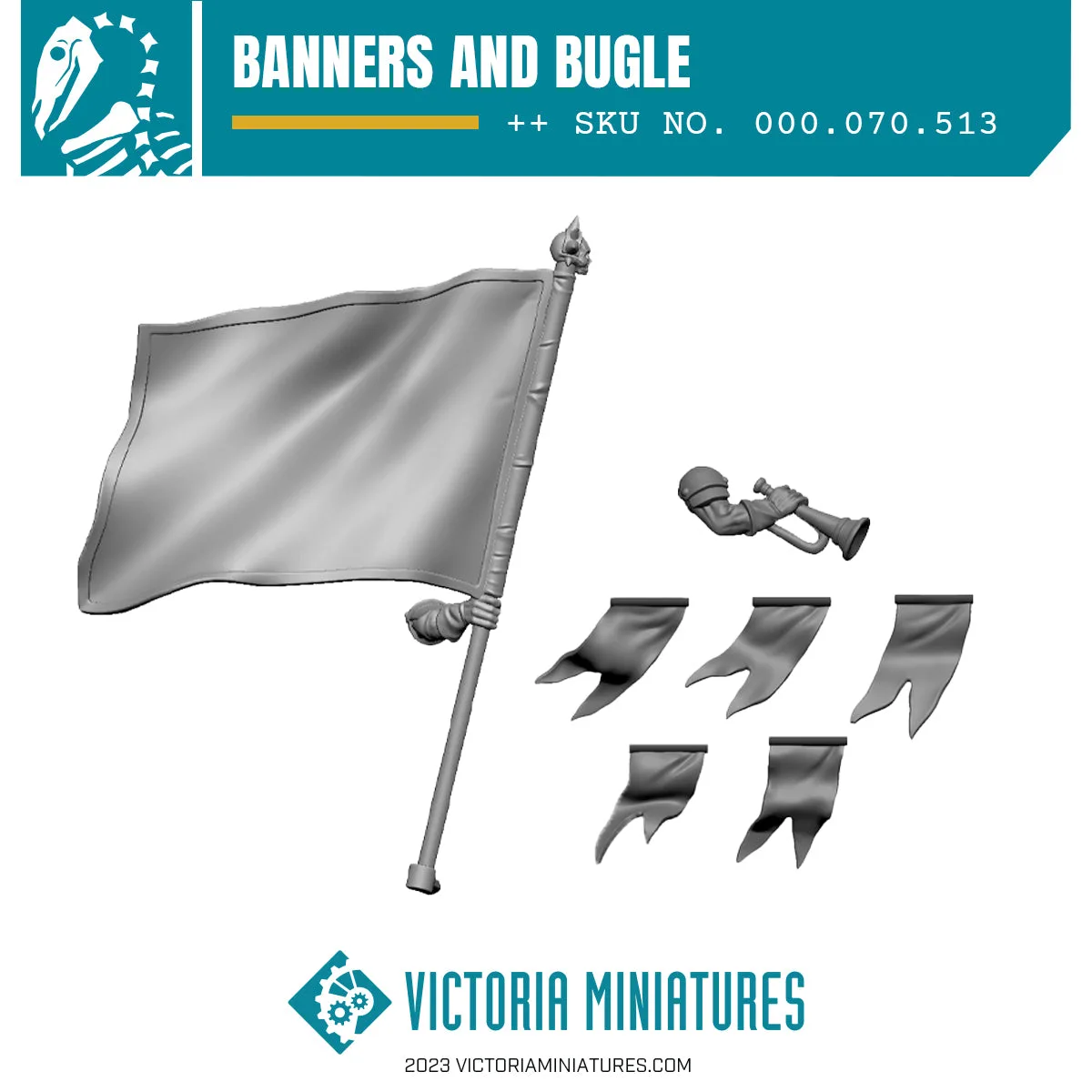
Rough Rider Banners and Bugle
Next, count how many models you typically carry to a game. Ten to twenty infantry models fit comfortably in a single shallow tray, while a full squad of ten plus characters may need two trays or a deeper case. If you are transporting painted miniatures, leave at least a finger-width of foam between the model and the tray wall. That gap absorbs shock when the bag is set down or bumped.
- Measure the base, not just the model height; a 40mm base needs a 40mm cutout.
- Add 5–10mm of clearance around protruding parts like rifles, banners, or backpacks.
- Photograph your tray layout before a game so you can repack the same way.
Soft bags vs. hard cases: pick by transport style
Soft-sided miniature transport bags are lighter and often cheaper, and they compress into car trunks or club shelves. They work well when you carry infantry in dense foam and you control how the bag is handled. Hard cases cost more and weigh more, but they protect against crushing when your gear is stacked in a car or checked on a trip. If you regularly fly or share a crowded club table, a hard case is the safer investment.
The middle ground is a wargaming backpack with a rigid frame and soft outer shell. These usually have multiple compartments, so you can keep figure carry cases in the main section and tools, glue, and spare bases in side pouches. The trade-off is that a framed backpack may not fit inside a standard locker or under a seat. Measure your storage space before you commit.
- Choose soft bags for local club nights and light infantry.
- Choose hard cases for travel, checked luggage, or heavy metal models.
- Choose a framed backpack if you want one bag for models, tools, and rulebooks.
Foam density and tray layout
Foam is the part of the kit that actually protects your paint job. Pluck foam lets you customise cutouts, but it can shed over time and the edges may crumble if you frequently re-pluck. Pre-cut trays are faster and neater but only fit the base sizes they were designed for. For a mixed army, combine a pre-cut infantry tray with one pluck-foam tray for characters and odd shapes.
Density matters more than thickness. A soft foam that compresses too easily lets models touch when the bag is squeezed. A firmer foam holds its shape but can be harder to cut. If you are unsure, test with a single tray before buying a full set. Keep heavy models like resin or metal figures in the bottom tray so they do not crush lighter plastic models above them.
- Use firmer foam for metal and resin; softer foam for light plastic infantry.
- Put heavy models in the lowest tray to keep the bag stable.
- Label each tray with the army or unit name so you can pack quickly.
Pouches and small gear: stop losing the little things
The small items in your hobby transport gear are the ones that disappear: dice, templates, spare heads, and ammo pouches. A dedicated pouch for each category keeps them from migrating into your foam trays. Victorian Ammo Pouches are a practical example of small, organised storage that fits 28mm heroic scale troops and can be used to kit out miniatures or to keep tiny components together in a bits box. At 9 pouches per pack, they are also useful for sorting loose parts before a build session.
For your bag itself, look for at least one zippered internal pocket and one external pocket. Internal pockets keep rulebooks and cards from sliding against foam; external pockets hold water bottles or a phone. Avoid open mesh pockets for anything small, because they tip out when the bag is set down. If your bag has no internal organisation, add a small pencil case or pouch to separate tools from models.
- Use a hard pencil case for clippers, glue, and files so they cannot puncture foam.
- Keep a small pouch for spare bases and heads; label it by army.
- Never store loose metal models in the same pouch as painted figures.
How many models should one bag hold?
A common mistake is buying a bag for the army you own today and then adding a second squad next month. A practical rule is to buy capacity for your current collection plus one tray of growth. If you field a 10-model squad like the Van Diemen's World Devils 10 Woman Squad, that squad plus a character or two fits comfortably in a single large tray. The same bag can hold a second squad if you use a deeper case or a second tray.
If you collect multiple armies, consider one bag per army rather than one giant case. Separate bags are easier to store, cheaper to replace if one wears out, and reduce the risk of cross-army foam damage. For small collections, a single miniature storage bag with two trays is usually enough. For large collections, stackable hard cases with interchangeable trays save shelf space.
- One bag per army prevents foam from being crushed by unrelated models.
- Buy one tray of empty space for growth; more than that wastes money.
- Stackable hard cases are easier to store than one oversized bag.
Decision rules for buying miniature transport gear
- Measure before you buy: Measure your largest base and tallest model, including banners and outstretched arms. Compare those numbers to the internal tray dimensions of any bag you consider. If the seller does not publish internal dimensions, do not guess; ask or choose another bag.
- Match foam to model material: Use firmer foam for metal and resin models, softer foam for light plastic infantry. Put heavy models in the lowest tray so they do not crush lighter models above. A single firm tray for heavy models is worth more than a full set of soft foam.
- Separate tools from models: Keep clippers, glue, and files in a hard pencil case or external pocket, never loose in the foam. Use small pouches for spare heads, bases, and ammo pouches. One puncture from a loose tool can ruin a painted model.
- Buy for growth, not for today: Choose capacity for your current collection plus one tray. One bag per army is easier to store and replace than one oversized case. If you are between two bag sizes, take the smaller one and add a second tray later.
Products that help organise your kit
- Victorian Ammo Pouches: 9 Victorian Ammo Pouches fit 28mm heroic scale troops and are recommended for use with Victoria Miniatures Victorian Torsos. High resolution plastic 3D print. These small pouches are useful for kitting out miniatures and for keeping loose components sorted in a bits box or transport pouch, so tiny parts do not end up loose in your foam.
- Van Diemen's World Devils 10 Woman Squad.: This 3D printed squad is fully modular and designed to be compatible with Victoria Miniatures female troops. It contains 10 female slouch hat heads, 2 heads without hats, 2 spare slouch hats, 5 troop torsos with las carbines, 3 universal specialist torsos, 4 character torsos, 8 character arms, and 10 Bush... A 10-model squad is a useful benchmark when sizing a tray: it tells you how many infantry cutouts you need for one core unit, and the spare heads and arms mean you also need a small pouch for loose components.
Who this kit approach is for
Best for
- Hobbyists who carry painted infantry to club nights and want a lightweight, organised bag.
- Players with multiple small squads who need separate trays and pouches for each unit.
- Anyone who has lost small parts like heads, bases, or ammo pouches in transit.
Not for
- Collectors who only display miniatures at home and never transport them.
- Players who need a single case for a huge, mixed collection of vehicles and monsters; they should look at dedicated hard cases with custom foam.
- Anyone who wants a bag to double as a display case; transport foam is designed for protection, not presentation.
A good miniature transport kit is not about the biggest bag; it is about matching foam, trays, and pouches to the models you actually carry. Measure your largest base, choose foam by material, and keep small gear in labelled pouches so nothing rattles loose. Start with one tray of growth, and add a second bag only when a second army demands it.