When you reach for a baking dish, you might not think much about what it's made of — but the material can make or break your recipe. Glass, ceramic, and metal each conduct heat differently, absorb or reflect heat in unique ways, and interact with ingredients in ways that affect browning, texture, and cooking time. Whether you're baking a gooey lasagna, a crispy casserole, or a delicate custard, choosing the right dish is key.
In this guide, we break down the pros and cons of glass, ceramic, and metal bakeware so you can confidently pick the best dish for every recipe. We'll also share tips on how to adjust temperature and timing based on your bakeware material, and highlight some of our favorite tools from Made In Cookware to help you get started.
Glass Baking Dishes: Even Heating and Easy Monitoring
Glass baking dishes are a classic choice for home bakers. They heat up slowly but retain heat well, which makes them ideal for dishes that need gentle, even cooking. Because glass is transparent, you can easily check the browning on the bottom and sides of your casserole or lasagna without lifting the dish — a real advantage for layered recipes.
However, glass is not the best conductor of heat compared to metal. It takes longer to preheat and can create hot spots if placed directly under a broiler. Also, glass dishes are more prone to thermal shock — if you put a cold glass dish into a hot oven, it can shatter. For best results, always let your glass dish come to room temperature before baking.
- Best for: casseroles, lasagnas, baked pasta dishes, and fruit crisps where even, gentle heat is desired.
- Tip: Reduce oven temperature by 25°F when using glass to prevent over-browning on the bottom.
Ceramic Bakeware: Beautiful Presentation and Steady Heat
Ceramic baking dishes are prized for their aesthetic appeal — they go straight from oven to table with style. Like glass, ceramic heats slowly and holds heat well, making it great for dishes that need long, slow cooking. It also distributes heat evenly, which helps prevent scorching on the bottom.
Ceramic is slightly more porous than glass, so it can absorb moisture and flavors over time. It's also heavier and more fragile. If you drop it, it can chip or crack. But for serving dishes like gratins, cobblers, and individual desserts, ceramic is hard to beat. Just be sure to avoid sudden temperature changes — never put a cold ceramic dish directly into a hot oven.
- Best for: gratins, cobblers, baked dips, and any dish where presentation matters.
- Tip: Soak ceramic dishes in warm soapy water before scrubbing to loosen baked-on food without scratching the glaze.
Metal Bakeware: Fast Heating and Superior Browning
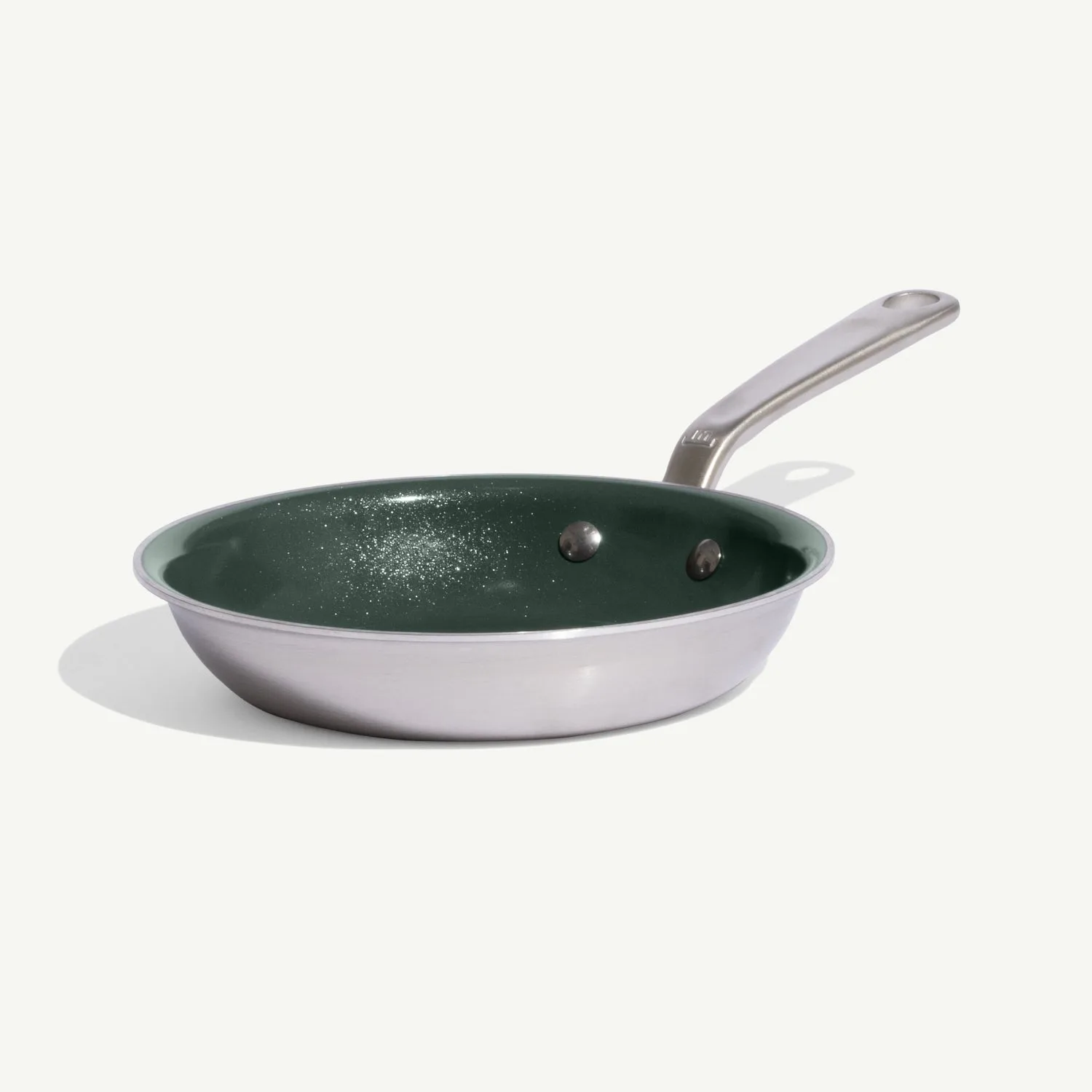
Metal baking pans — whether aluminum, stainless steel, or non-stick — are the go-to for recipes that need quick, high heat and deep browning. Metal conducts heat faster than glass or ceramic, which means your brownies, cookies, and breads will develop a crisp crust and golden bottom in less time. Metal pans are also lightweight, durable, and often more affordable.
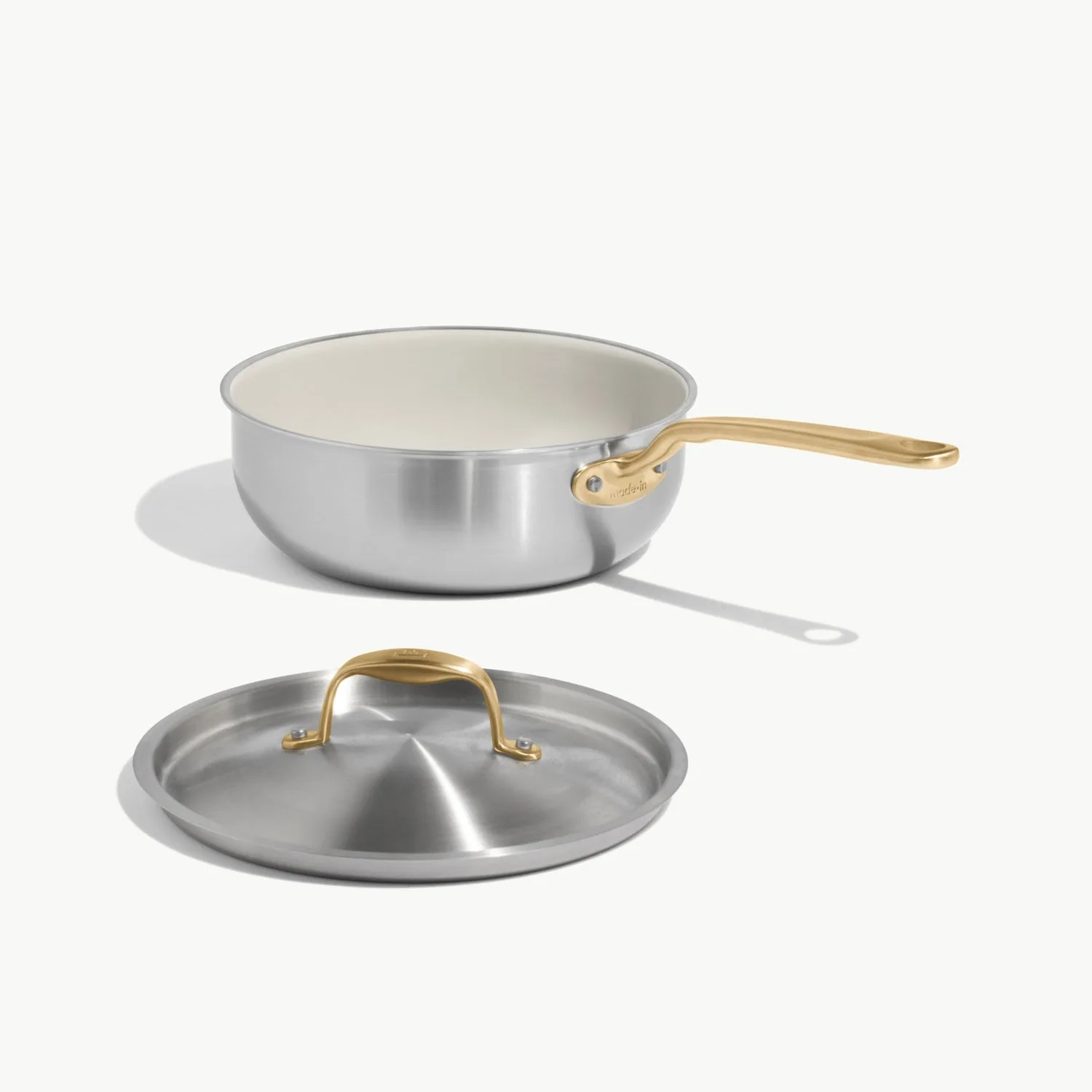
However, metal can cause over-browning if the oven temperature is too high or if the pan is dark-colored (dark pans absorb more heat). For delicate items like cakes or custards, metal may cook the edges too quickly before the center is done. That's why many bakers prefer lighter-colored metal pans or those with a reflective finish for even baking. For casseroles and savory bakes, a high-quality metal dish like our https://kindaero.store/products/entr-e-bowls-97147https://kindaero.store/products/entr-e-bowls-97155Entrée Bowls can provide excellent heat distribution and a beautiful finish.
- Best for: brownies, cookies, breads, roasted vegetables, and any recipe where you want a crispy bottom.
- Tip: If your metal pan is dark, reduce oven temperature by 25°F to prevent burning.
How to Choose the Right Baking Dish for Your Recipe
The best baking dish material depends on what you're cooking. For slow-cooked casseroles and layered dishes where you want to see the bottom, glass is a reliable choice. For show-stopping desserts and sides that go from oven to table, ceramic is unbeatable. For quick bakes that need a crisp crust, metal is your best friend.
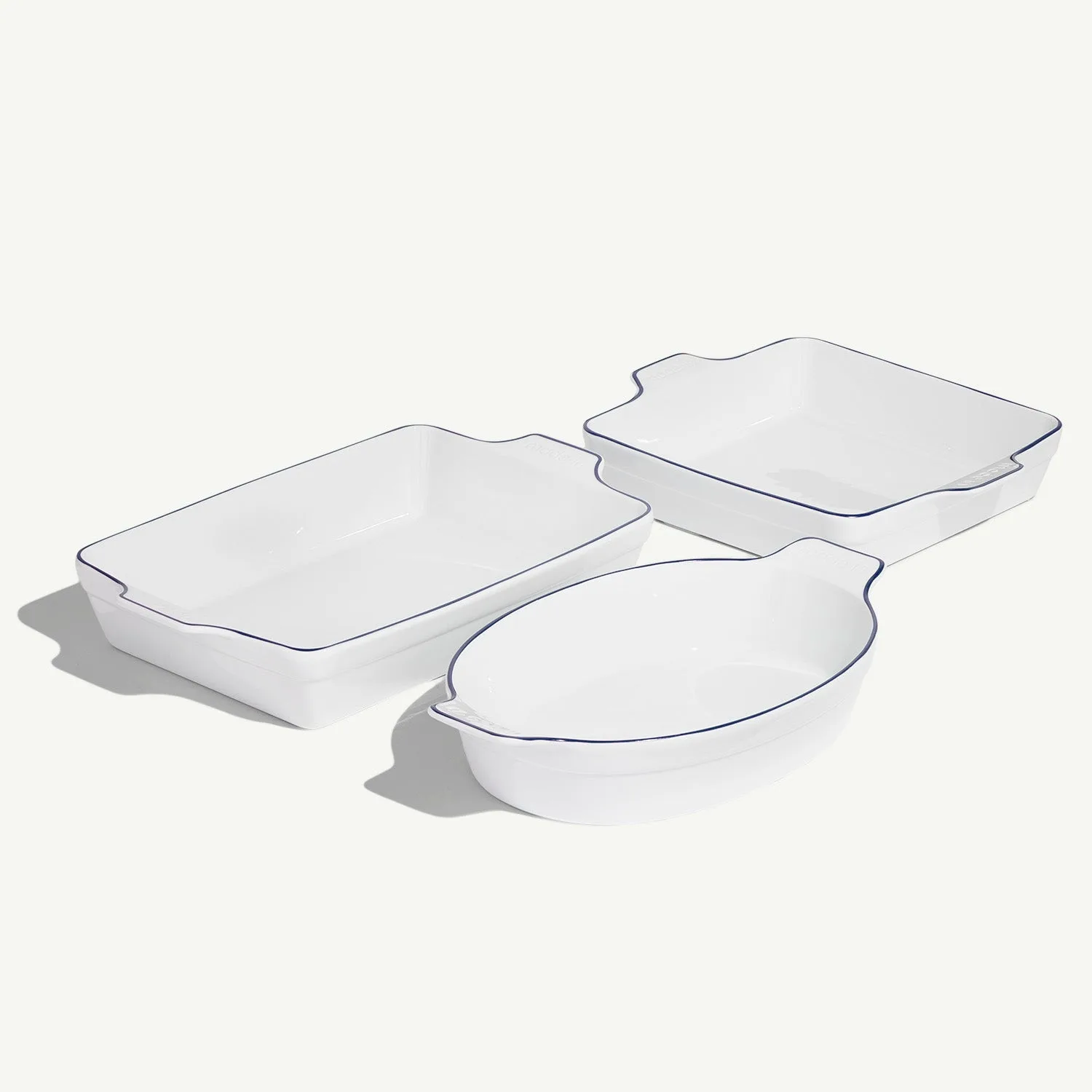
If you're looking for a versatile option that works well for both sweet and savory dishes, consider a high-quality metal bakeware set. Our Bakeware Set includes a variety of sizes and shapes, perfect for everything from sheet cakes to roasted vegetables. And for dishes that need even heat distribution and a beautiful presentation, a https://kindaero.store/products/round-enameled-cast-iron-dutch-oven-97245round enameled cast iron Dutch oven can also double as a baking dish for breads and braises.
- Quick guide: Use glass for even, gentle heat; ceramic for presentation; metal for fast browning.
- Tip: Always check your recipe for recommended bakeware material — some recipes are tested specifically for one type.
Tips for Perfect Baking Results Every Time
No matter which material you choose, a few simple tips can help you achieve consistent results. First, always preheat your oven fully — at least 15 minutes — to ensure even heat distribution. Second, use an oven thermometer to verify the actual temperature, as oven dials can be off by 25°F or more. Third, rotate your dish halfway through baking to compensate for hot spots in your oven.
Finally, don't forget to let your dish cool properly. Glass and ceramic retain heat longer than metal, so your food will continue to cook after you pull it from the oven. Let it rest on a wire rack or trivet for 5–10 minutes before serving to allow the internal temperature to stabilize and the flavors to meld.
- Always use an oven mitt when handling hot bakeware — glass and ceramic can stay hot for a long time.
- For sticky desserts like brownies, line your metal pan with parchment paper for easy removal.
Choosing the right baking dish material can elevate your cooking from good to great. Whether you prefer the transparency of glass, the elegance of ceramic, or the speed of metal, understanding how each material behaves in the oven helps you make smarter choices in the kitchen. For a versatile, high-performance option that handles everything from brownies to casseroles, explore our Bakeware Set — designed to deliver even heat and beautiful results every time you bake.