Quick Answer
If your priority is core stability, balance, and functional strength, choose a balance trainer like the Zelus 23-Inch Balance Trainer. If you want deep stretching, spinal decompression, and flexibility work, a yoga swing is the better fit. Both tools serve different purposes, so your decision depends on whether you need dynamic stability or passive recovery.
When building a home gym, it's easy to get caught up in the latest equipment trends. But two tools often confuse athletes and fitness enthusiasts: the balance trainer and the yoga swing. Both are compact, versatile, and claim to improve your workout, yet they target very different aspects of fitness.
In this comparison, we'll break down the key differences between balance trainers and yoga swings, focusing on their primary benefits, required space, and how they fit into your routine. By the end, you'll know which one deserves a spot in your home gym.
What Is a Balance Trainer and What Does It Do?
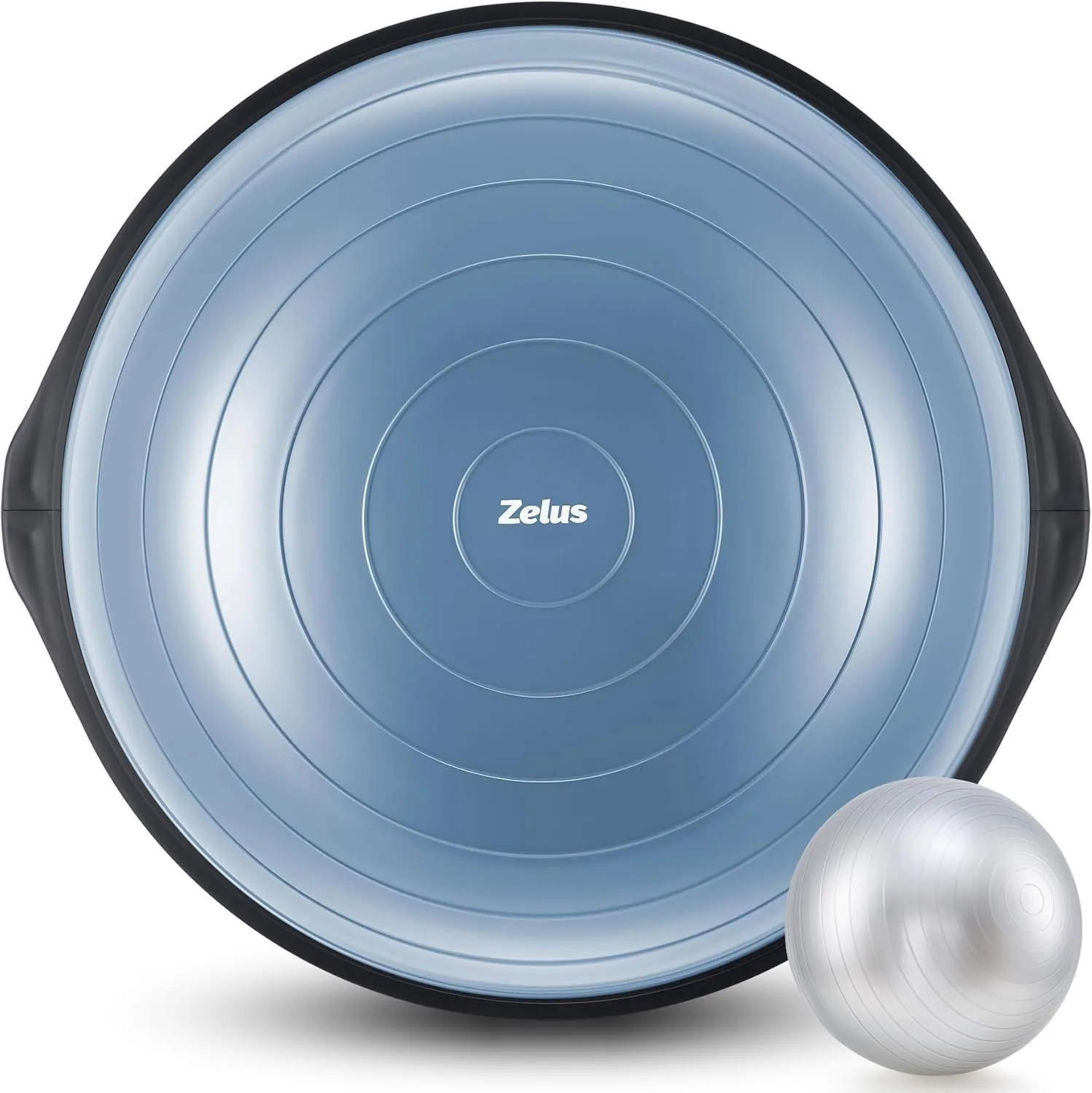
A balance trainer, such as the Zelus 23-Inch Balance Trainer, is a semi-spherical platform that challenges your stability. You stand, sit, kneel, or perform exercises on its unstable surface, forcing your core and smaller stabilizer muscles to engage continuously. This type of training improves balance, coordination, and proprioception, which are vital for athletes and everyday movement.
Balance trainers are commonly used in yoga, Pilates, physical therapy, and strength training. You can perform squats, push-ups, lunges, or use the included resistance bands to add an upper-body challenge. The instability makes even basic exercises more demanding, which can boost calorie burn and functional strength. For gymnasts, a balance trainer helps develop the core control needed for beam routines.
- Use a balance trainer for dynamic exercises that require movement and control, such as balance squats or single-leg stands.
- Start with both feet on the dome and progress to single-leg or unstable-surface push-ups as your balance improves.
What Is a Yoga Swing and What Does It Do?
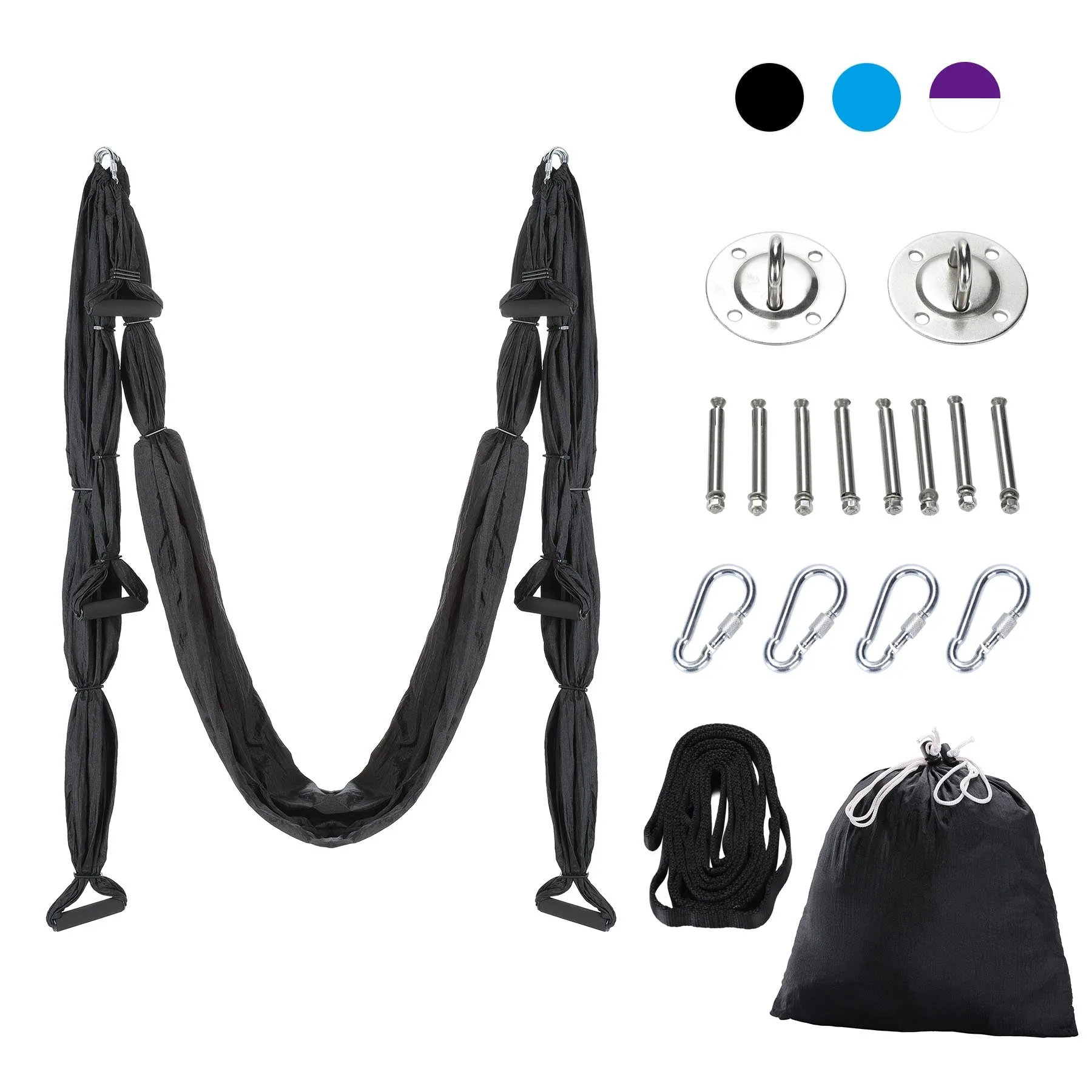
A yoga swing, also known as an aerial yoga hammock, is a fabric sling that supports your body weight during inverted poses and stretches. It allows you to hang upside down, decompress the spine, and perform deep stretches without putting pressure on your joints. Yoga swings are popular for back pain relief, improving flexibility, and relaxation.
Unlike a balance trainer, which emphasizes constant muscle engagement, a yoga swing promotes passive stretching and spinal traction. You can wrap the fabric around your hips for supported backbends, or use it for inversion therapy to relieve compression. This makes it an excellent recovery tool after intense workouts or for those who sit at a desk all day.
- Always learn proper mounting and safety techniques before attempting inversions in a yoga swing.
- Use a yoga swing for gentle decompression and flexibility work on rest days or after strength training.
Key Differences: Stability vs. Stretch
The core difference lies in the type of training stimulus. A balance trainer is an active tool: you must constantly adjust to maintain balance, which builds strength and stability. A yoga swing is more passive: it supports your body, allowing you to relax into stretches and inversions. This means they address different fitness goals.
If you're an athlete looking to improve agility and prevent injuries, a balance trainer is more relevant. If you're dealing with back pain or want to improve flexibility, a yoga swing offers unique benefits. Some advanced users incorporate both into their routine, using a balance trainer for warm-up and strength, and a yoga swing for cool-down and recovery.
Space and Setup Considerations
Both tools require minimal floor space, but their setup differs significantly. A balance trainer is a standalone piece that you can place on any flat floor and use immediately. It's portable and easy to store under a bed or in a closet. The Zelus 23-Inch Balance Trainer is a good example of a compact, ready-to-use option.
A yoga swing, however, needs a sturdy mounting point, such as a ceiling beam, door frame, or freestanding frame. Installation may require drilling or a specialized stand, which adds to the cost and complexity. If you're renting or don't have a suitable structure, a balance trainer is much more convenient. Consider your available space and installation ability before choosing.
Tradeoffs to Consider
- Active vs. Passive Training: Balance trainers require constant muscle engagement, building strength and stability. Yoga swings allow passive stretching and decompression, which is better for recovery and flexibility. Choose based on whether you need to build strength or improve flexibility.
- Setup and Portability: Balance trainers are ready to use anywhere and store easily. Yoga swings require mounting hardware or a stand, which limits where you can use them. If you rent or have limited space, a balance trainer is more practical.
- Skill Level and Learning Curve: Balance trainers have a gradual learning curve; you can start with simple stances and progress. Yoga swings, especially inversions, require proper instruction to avoid injury. Beginners may find balance trainers more approachable, while yoga swings demand guidance.
Product Facts at a Glance
- Black Fitness Balance Trainer: 23-Inch Balance Ball with Resistance Bands: Made from environmentally friendly and non-toxic PVC, the non-slip base & anti-skid texture improve user stability. Wear-resistant ABS base with 6 slip-resistant feet and anti-burst technology guarantee safety during use. This design ensures you can train with confidence, even during intense balance exercises. The non-slip base and anti-burst technology reduce the risk of accidents, making it suitable for beginners and advanced users alike.
- ZELUS Ultra-Thin Ankle Weights | Adjustable 4–10 lb Pair for Home, Gym & Cardio: The Zelus ankle weights include ten 0.4 lb compact sandbags filled with odor-free Z-fit material, offering comfortable, balanced resistance to enhance your daily workout. If you choose a balance trainer for cardio or strength workouts, adding adjustable ankle weights can increase intensity without compromising balance. The comfortable fit and odor-free material make them practical for extended wear during balance exercises.
Which One Fits Your Goals?
Best For
- Athletes and gymnasts who need to improve core stability, balance, and proprioception.
- People who want a versatile, low-cost tool for strength and cardio workouts at home.
- Those with limited space or who prefer equipment that requires no installation.
Not For
- People primarily seeking deep stretches, spinal decompression, or relaxation.
- Users who have a dedicated workout area and are comfortable with installation.
In the balance trainer vs. yoga swing debate, there's no universal winner. A balance trainer is your go-to for active stability training and functional strength, while a yoga swing excels in flexibility and recovery. Assess your primary fitness goals, available space, and willingness to set up equipment. If you're still unsure, consider starting with a balance trainer because it's easier to integrate and requires no installation. You can always add a yoga swing later if you find you need more recovery work.