Quick Answer
Yes, a balcony power plant can be worth it for renters, especially if you want to lower your electric bill without a permanent installation. Plug-and-play systems like the Zendure SolarFlow series are designed for easy setup, but you should check your lease and local regulations first.
SolarFlow
If you rent an apartment, you might think solar power is out of reach. But balcony power plants—also called plug-in solar systems—are changing that. These compact systems let you generate your own electricity by plugging into a standard outlet, making them a realistic option for tenants.
The idea is simple: mount a solar panel on your balcony, connect it to a microinverter and battery, and plug it into a wall socket. You start using solar energy right away. But is it really worth it for renters? Let's look at the key facts.
What Is a Balcony Power Plant?
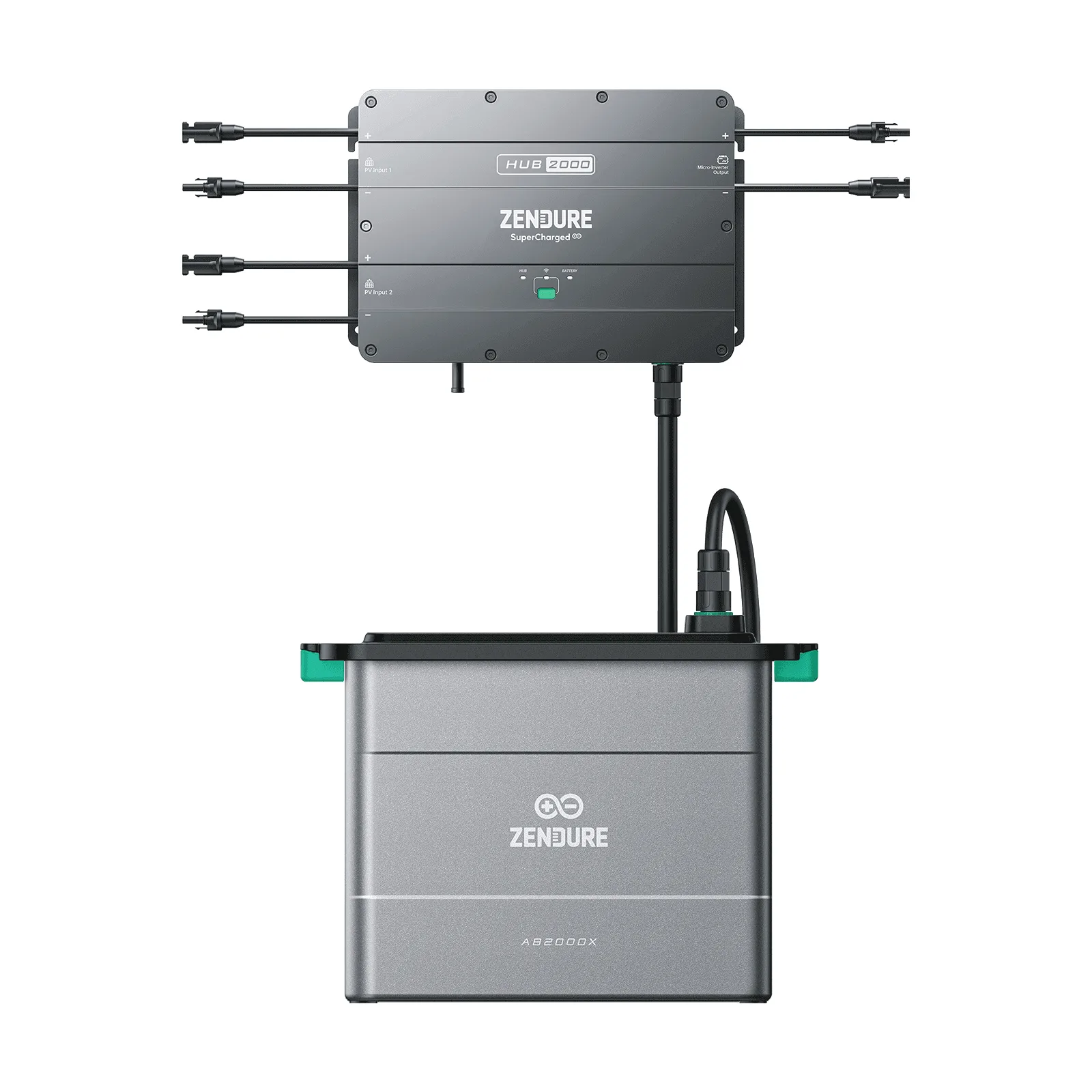
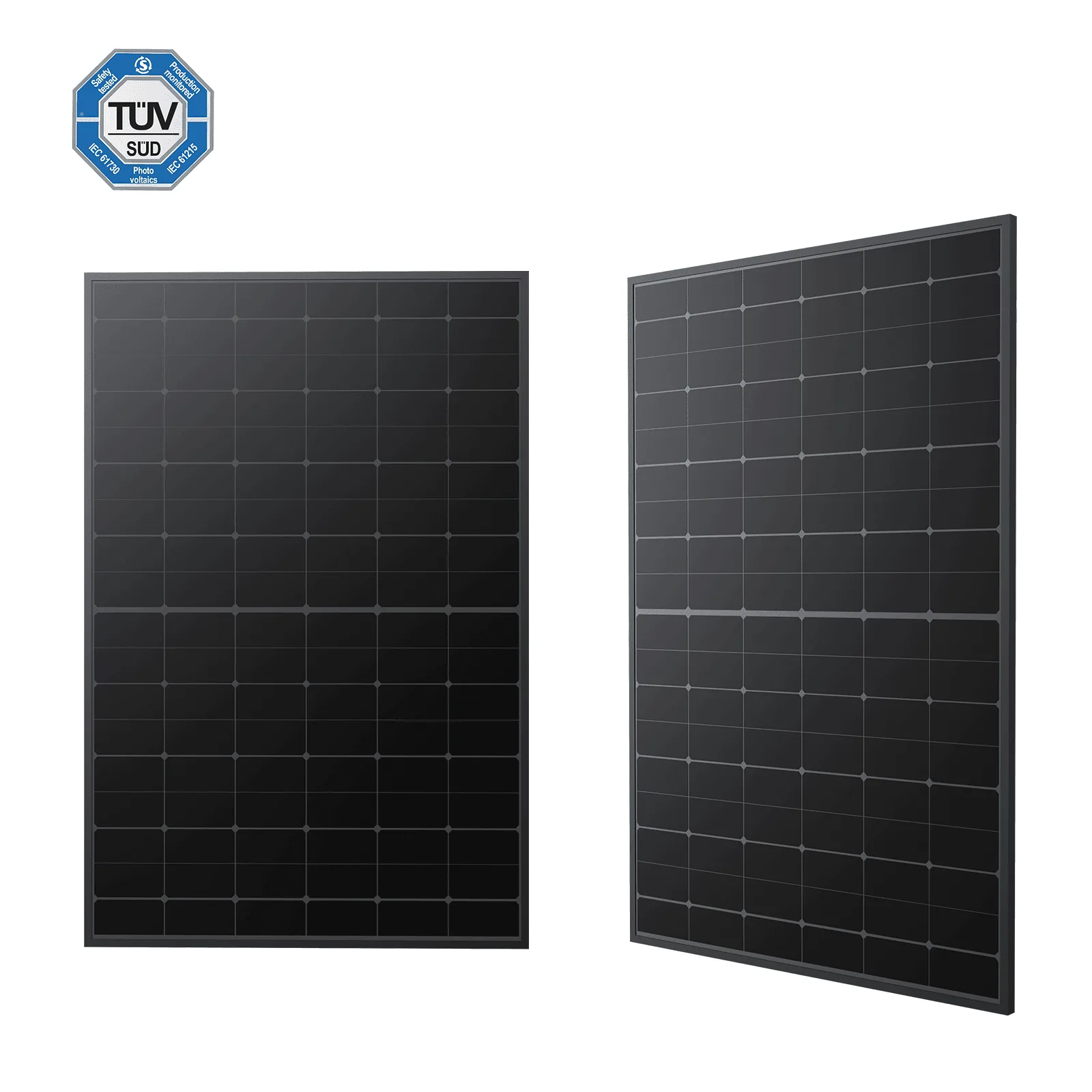
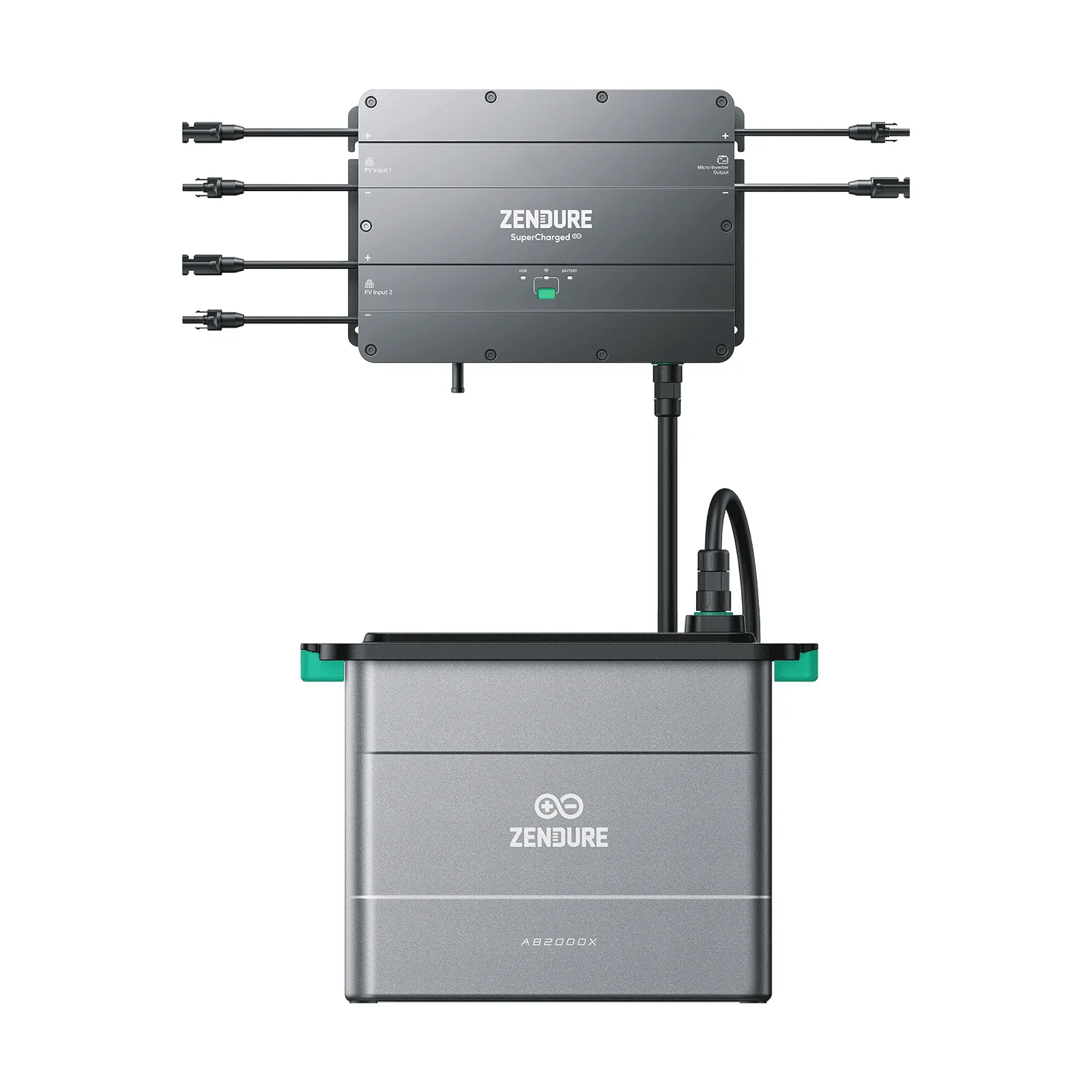
A balcony power plant is a small-scale solar system that you can install on a balcony, terrace, or even a windowsill. It usually includes one or two solar panels, a microinverter, and sometimes a battery for storing excess energy. The system plugs directly into a normal household outlet, so there's no need for a professional electrician or complex wiring.
This plug-and-play design is what makes balcony solar so appealing for renters. You don't need to modify the building or get approval from a landlord for a permanent installation. You can set it up in minutes and take it with you when you move.
- Check your lease for any clauses about balcony modifications or outdoor installations.
- Confirm that your local grid regulations allow plug-in solar systems; some regions require registration or a specific type of meter.
Legal Considerations for Renters
Before you buy, it's important to understand the legal side. In many countries, balcony power plants are allowed, but there may be rules about the maximum output, the type of plug, and whether you need to inform your landlord or utility company. Some regions require a simple registration, while others have restrictions on where you can place the panels.
The good news is that most plug-and-play systems are designed to comply with common regulations. However, rules vary by city and country, so it's your responsibility to check. If you're unsure, ask your landlord or look up local guidelines. Being informed helps you avoid fines or the hassle of having to remove the system.
- Look up your local regulations on plug-in solar systems before purchasing.
- Get written permission from your landlord if required—this can prevent disputes later.
Pros and Cons of Balcony Solar for Tenants
The biggest advantage for renters is the low commitment. You can install a balcony power plant without structural changes, and you can unplug it and move it to your next home. It also lets you offset some of your electricity usage, which can lower your monthly bills, especially if you use energy-hungry appliances during the day.
On the downside, a balcony system has a smaller capacity than a rooftop installation, so it won't cover all your electricity needs. Also, if your balcony is shaded or faces north, you'll generate less power. And while the systems are portable, they can be heavy—so you'll need to consider how you'll transport them when you move.
- Assess your balcony's sun exposure: south-facing, unshaded balconies are best.
- Think about portability: some systems include batteries, which add weight.
How to Maximize Savings with a Balcony Power Plant
To get the most from your system, use it strategically. Solar power is generated during the day, so try to run appliances like washing machines, dishwashers, or dehumidifiers when the sun is shining. If you have a battery, you can store excess energy and use it in the evening, further reducing your reliance on the grid.
The size of your system matters too. A larger capacity means more potential savings, but also a higher upfront cost. Think about your typical electricity usage and how much you can realistically generate with the space you have. This will help you choose a system that fits your needs without overspending.
- Shift high-energy tasks to daylight hours to use solar power directly.
- Consider a battery if you want to use stored energy at night.
Verdicts on Common Claims
- Claim: Balcony power plants are too complicated for renters.: Plug-and-play systems like the SolarFlow 800 Plus are designed for easy setup—just connect the panels, battery, and plug into a wall outlet. No electrician needed. Verdict: Myth. They're simpler than you think.
- Claim: You need your landlord's permission.: In many places, plug-in solar systems are allowed without landlord approval, but it depends on local rules and your lease. Always check first. Verdict: Sometimes true. Always verify your lease and local laws.
- Claim: A balcony system can power your whole apartment.: Balcony systems have a limited capacity. For example, the SolarFlow 2400 Pro offers a 2.4 kWh base capacity, which can cover some appliances but not your entire home. Verdict: False. They're for offsetting, not full coverage.
Balcony Power Plant Products to Consider
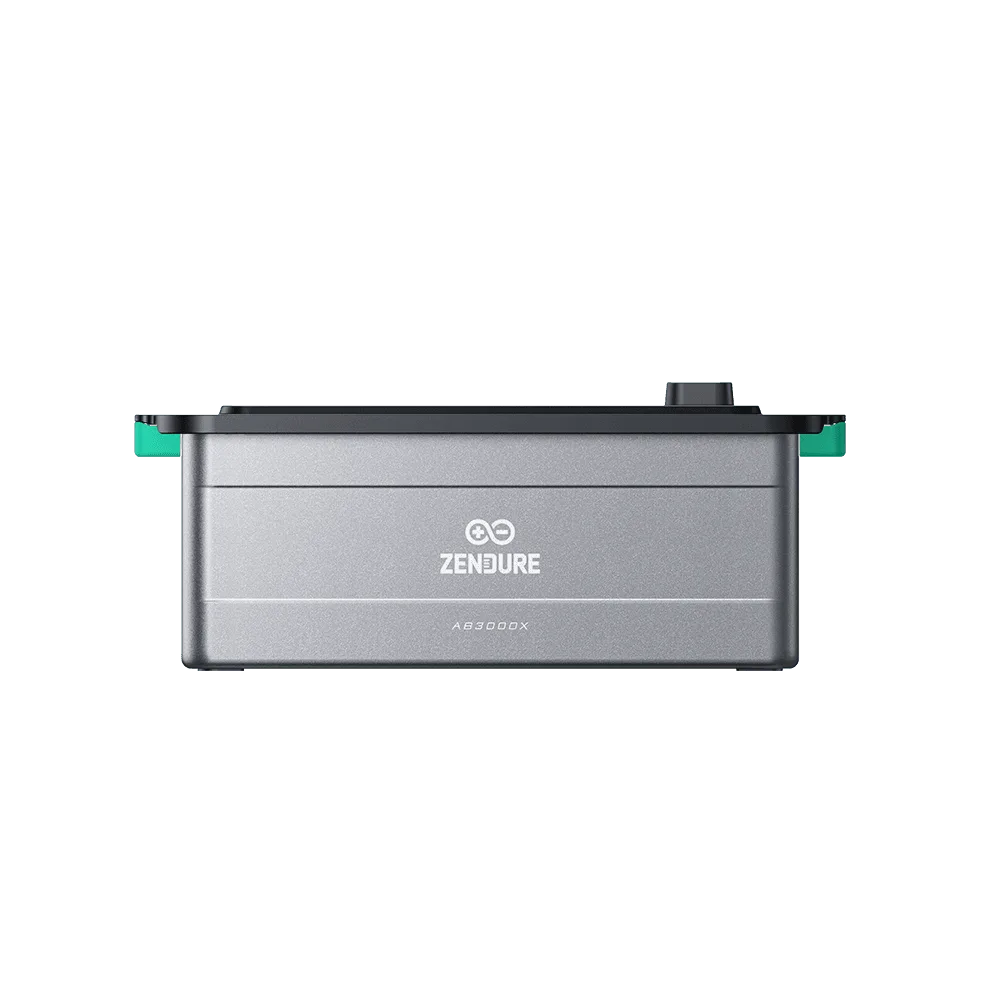
- SolarFlow 800 Plus: The SolarFlow 800 Plus is a plug-and-play solar battery system designed for home energy storage. It pairs with solar panels to store excess energy for later use, helping you reduce reliance on the grid. This system is a good option for renters who want to store solar energy during the day and use it at night, maximizing savings without a permanent installation.
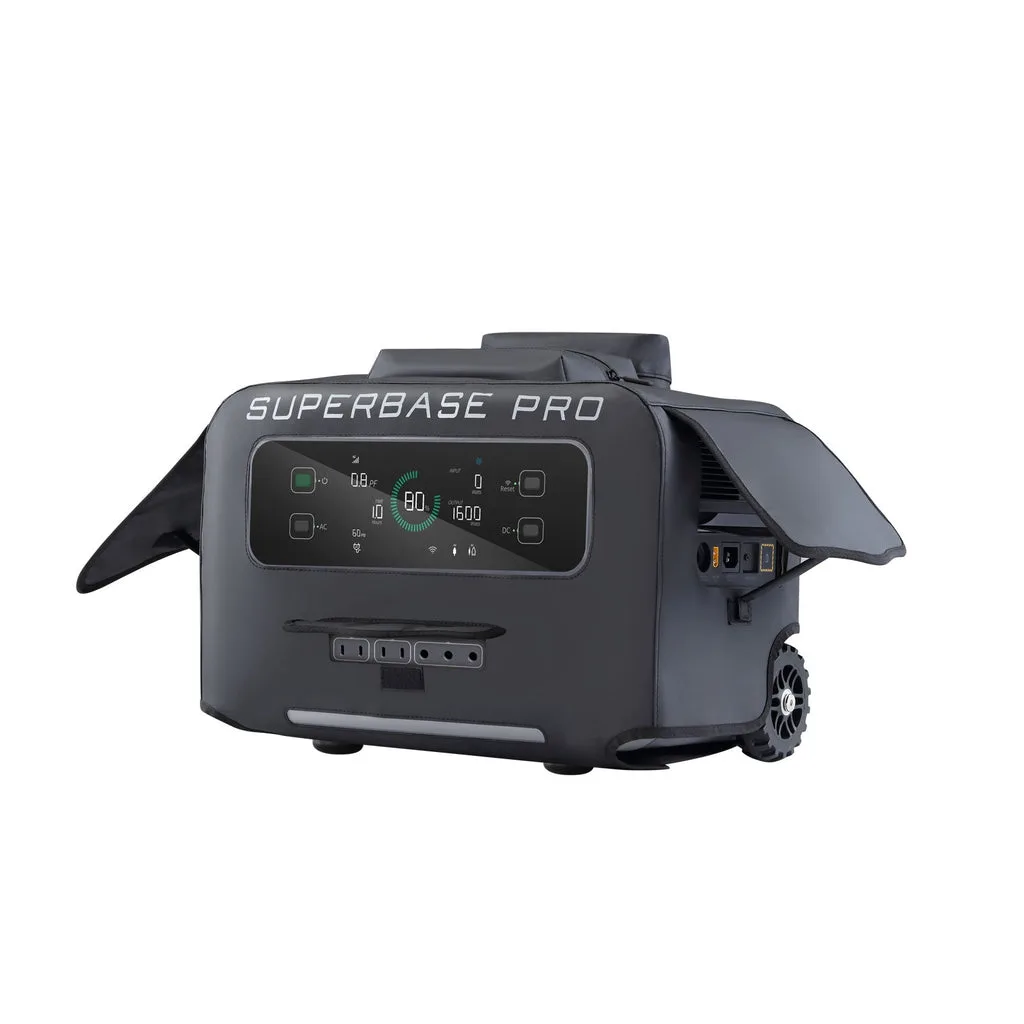
- Zendure SolarFlow 2400 Pro: The Zendure SolarFlow 2400 Pro is a modular solar power system designed for flexible home energy storage. It offers a 2.4 kWh base capacity and can be configured with optional batteries and solar panels to match your needs. If you have a larger energy need, this modular system lets you expand capacity—useful for renters who want a system that can grow with them or move to a bigger home.
- Balcony Easy Solar Bracket: Durable and Weather-Resistant Materials Crafted from highly anti-corrosion 6005-T5 aluminum alloy and robust 304 stainless steel, these brackets are built to last, offering exceptional durability and reliability for outdoor installations. A sturdy bracket is essential for renters because it ensures your panels stay secure on a balcony without drilling or permanent modifications, and it can be easily removed and reinstalled at a new place.
A balcony power plant can be a smart, flexible way for renters to dip into solar energy. Just do your homework on local rules, assess your balcony's sun exposure, and choose a system that matches your needs. With the right setup, you can enjoy lower bills and a smaller carbon footprint—even without owning the roof over your head.