Quick Answer
Bamboo storage is the better choice if you value sustainability, natural aesthetics, and long-term durability, but it costs more and requires more care. Plastic storage wins on affordability, lightweight handling, and moisture resistance, making it ideal for garages, basements, and utility areas. For most living spaces, bamboo offers a premium look and eco-friendly appeal, while plastic remains a practical workhorse for heavy-duty or wet environments.
When organizing your home, the material of your storage units matters more than you might think. Bamboo and plastic are two of the most popular options, each with distinct strengths and trade-offs. Understanding these differences helps you choose storage that not only looks good but also lasts and fits your lifestyle.
In this comparison, we'll look at durability, maintenance, environmental impact, and style. We'll also reference specific products from Seville Classics to illustrate how each material performs in real-world storage solutions.
Durability and Longevity
Bamboo is a hardwood that, when properly constructed, offers impressive strength and resistance to warping. It's naturally moisture-resistant to a degree, but it can be damaged by prolonged exposure to water or extreme humidity. Plastic, on the other hand, is virtually waterproof and won't rot, rust, or corrode, making it a top choice for damp or outdoor areas.
For heavy-duty storage, plastic bins are often more impact-resistant and can handle rough handling without cracking. However, bamboo furniture, like a bamboo storage bench, can support substantial weight when built with solid construction. The trade-off is that bamboo may show scratches or water stains over time, while plastic can become brittle in very cold temperatures.
- If you need storage in a garage or basement with high humidity, plastic is more forgiving.
- For living spaces where you want a natural, warm look, bamboo provides a sturdier, more elegant feel.
Eco-Friendliness and Sustainability
Bamboo is a highly renewable resource that grows quickly without needing pesticides, making it a standout for eco-friendly storage. Many bamboo products are also biodegradable at the end of their life, reducing landfill waste. In contrast, most plastic storage is made from petroleum-based materials and can take centuries to decompose, though some bins now use recycled content.
If you're aiming for a greener home, bamboo storage benefits include a lower carbon footprint and a natural aesthetic that complements sustainable living. Plastic storage can still be a responsible choice if you opt for products made with post-consumer recycled materials, but the overall environmental impact is higher than bamboo.
- Look for bamboo products that are certified sustainable or made from reclaimed bamboo.
- Check plastic bins for recycled content labels to reduce your eco-footprint.
Style and Versatility
Bamboo storage brings a warm, organic look that blends well with various interior styles, from modern to rustic. It can be used as a decorative piece in living rooms, bedrooms, or entryways. Plastic storage, while available in many colors, often looks more utilitarian and is best hidden in closets or garages.
That said, plastic bins are incredibly versatile in terms of shapes and sizes, making them ideal for stacking and maximizing vertical space. Bamboo shelves and cabinets, on the other hand, offer a more permanent, furniture-like appearance that can enhance the overall design of a room.
- Use bamboo storage in visible areas to add warmth and style.
- Reserve plastic bins for out-of-sight organization where function trumps form.
Key Trade-offs
- Eco-Friendliness: Bamboo is renewable and biodegradable, while plastic is petroleum-based and long-lasting in landfills. If sustainability is your priority, bamboo wins. Choose bamboo for a greener footprint.
- Moisture Resistance: Plastic is waterproof and won't warp, making it ideal for damp areas. Bamboo can be damaged by excessive moisture unless sealed. Pick plastic for basements and garages.
- Aesthetics: Bamboo offers a natural, upscale look that enhances living spaces. Plastic is more utilitarian and often hidden away. Opt for bamboo in visible areas.
Product Comparison
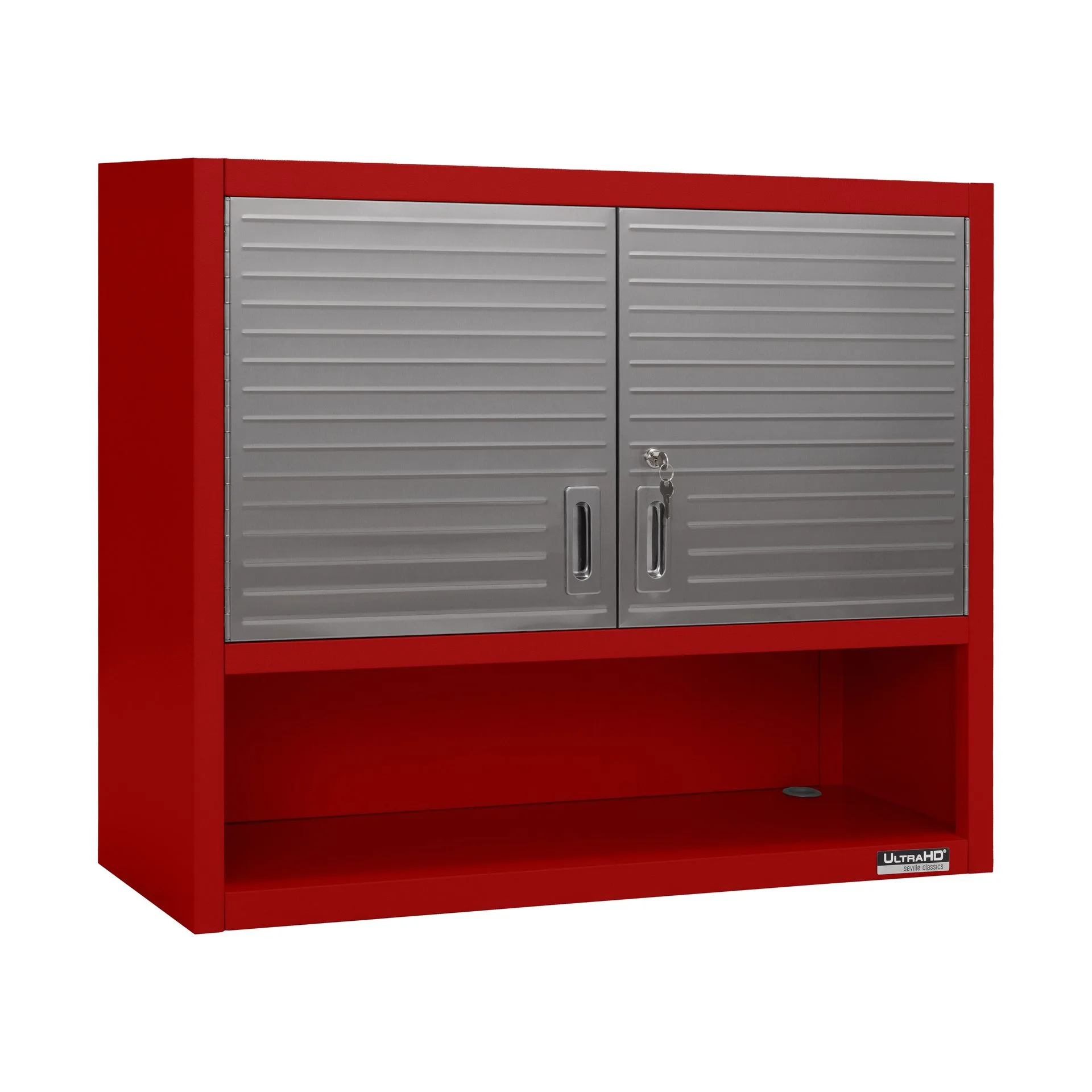
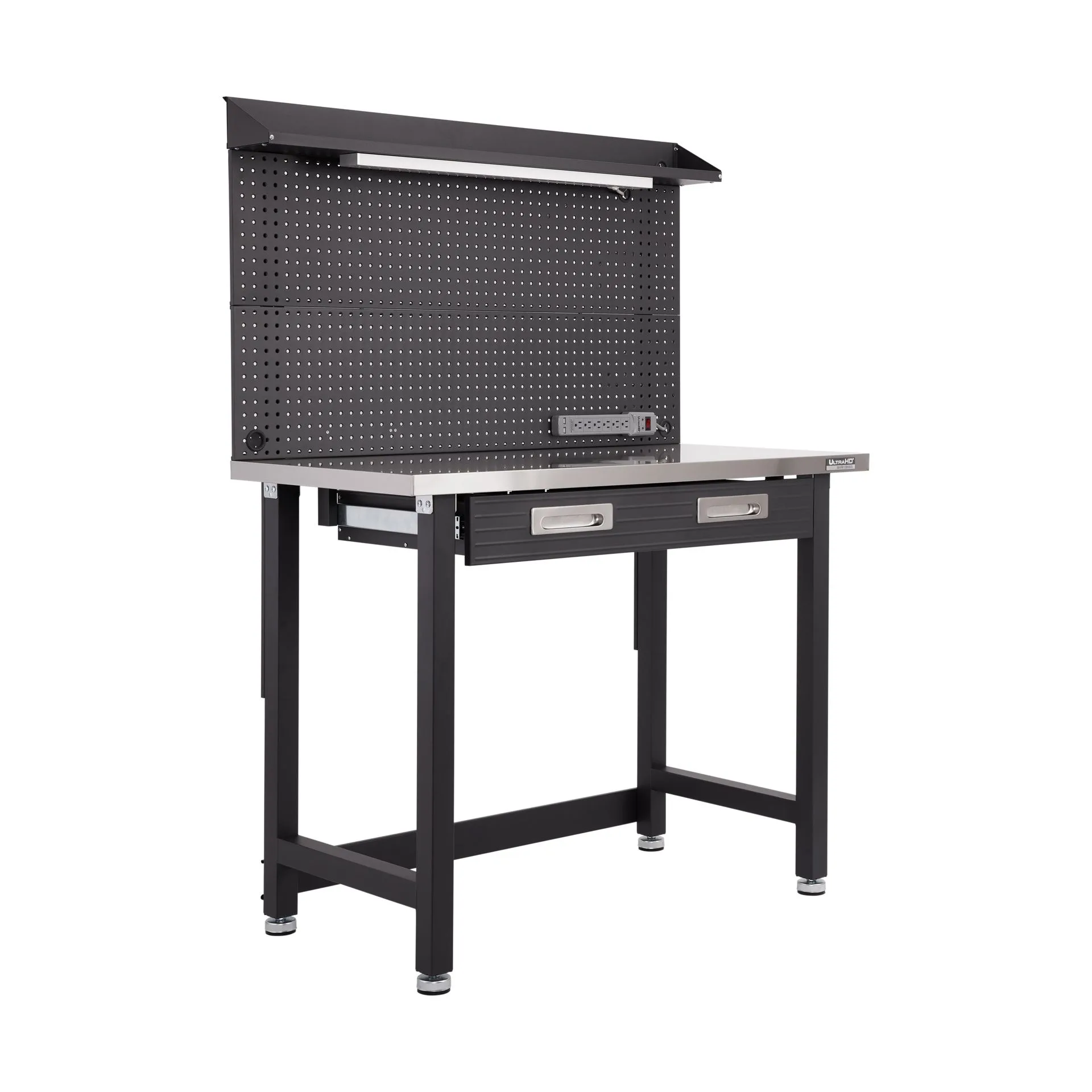
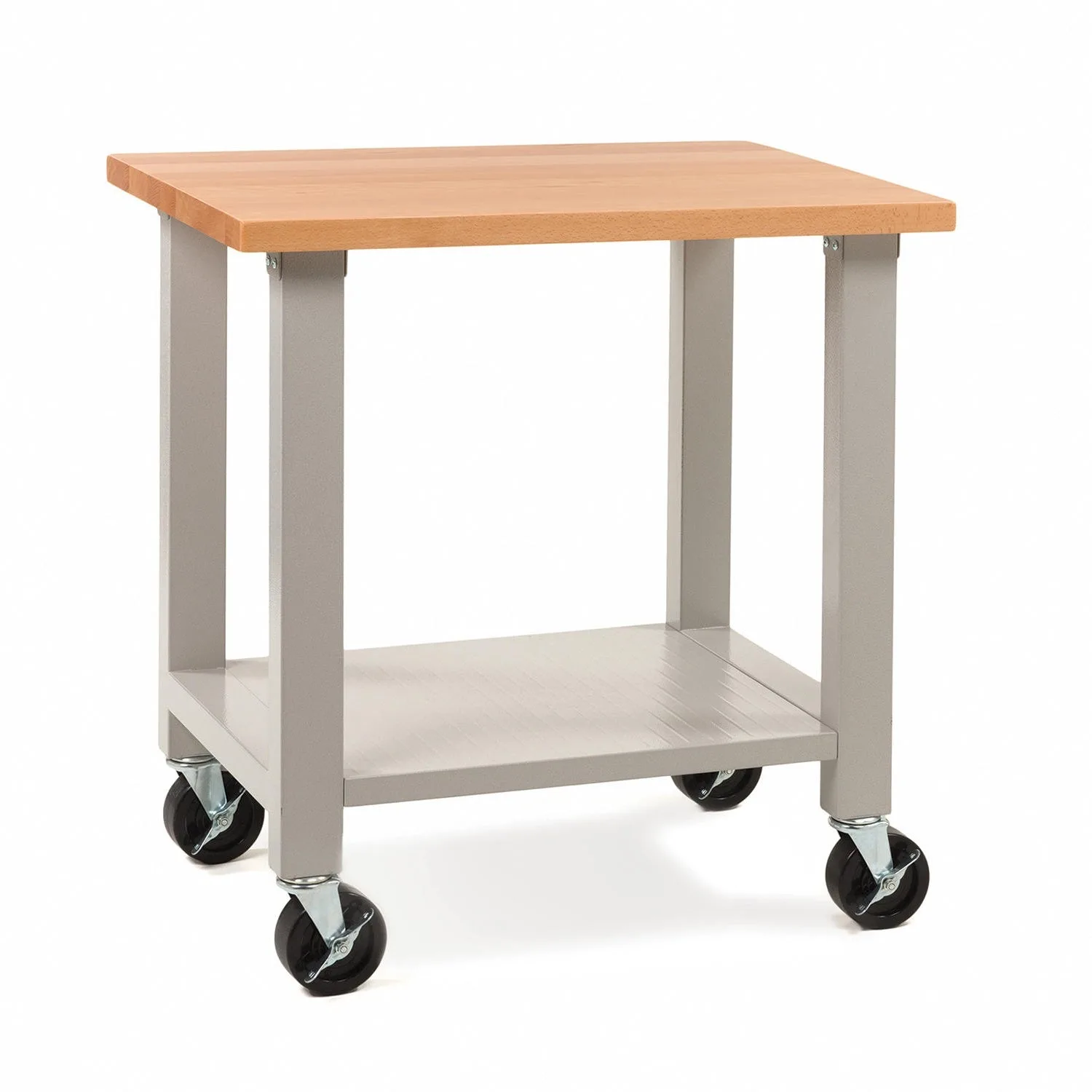
- https://cozynestcoai.shop/products/ultrahd-rolling-storage-cabinet-261724UltraHD® Rolling Storage Cabinet: Powder-coated solid steel construction for commercial-grade strength While not bamboo or plastic, this steel cabinet demonstrates that for maximum durability and security, metal storage outperforms both materials, especially in garages or workshops.
- Medium Yellow Bins for Commercial Bin Rack, Medium (3-Pack): Made of 20% post-consumer recycled content These plastic bins show that even plastic storage can be eco-friendlier when recycled materials are used, offering a more sustainable alternative to virgin plastic.
Which Should You Choose?
Best for
- Eco-conscious homeowners who want sustainable, stylish storage in living areas
- Those who prefer natural materials and are willing to maintain them
Not for
- High-moisture environments like unfinished basements or outdoor sheds
- Budget-conscious shoppers needing cheap, lightweight, and low-maintenance storage
Both bamboo and plastic storage have their place in a well-organized home. Bamboo elevates your space with natural beauty and sustainability, while plastic offers unbeatable practicality and moisture resistance. Assess your priorities—style, durability, eco-impact, and budget—to make the right choice for each room.