Quick answer
If you prioritize fast drying and a clean, modern look, choose the bamboo soap tray. If you want natural moisture resistance and a rustic, aromatic feel, the cedar soap tray is the better choice.
Why wood matters for soap longevity
A wooden soap tray lifts your soap off wet surfaces, allowing air to circulate underneath. This prevents the bar from sitting in a puddle and turning into mush. Both bamboo and cedar do this well, but they handle moisture differently.
Key differences at a glance
Bamboo is a grass that grows fast and resists warping. Its tight grain dries quickly and stays smooth. Cedar, especially aromatic Spanish cedar, is naturally decay-resistant and releases a pleasant scent. Cedar is softer and can absorb more moisture over time, which may slow drying.
Bamboo vs Cedar: Trade-offs for Soap Dryness
- Bamboo soap dish: Dries faster because bamboo's dense, non-porous surface sheds water quickly. Ideal if you rotate between bars or live in a humid climate.
- Cedar soap tray: Naturally decay resistant and aromatic. It absorbs a little moisture, which can keep soap from sliding, but drying may be slightly slower than bamboo.
- Style and maintenance: Bamboo suits modern, minimalist spaces. Cedar fits rustic or natural decor. Both need occasional oiling to maintain appearance, but cedar's scent fades over time.
Product facts
-
Soap Tray Dishes Bamboo or Cedar: Available in Bamboo or Cedarwood styles; cedar is naturally decay resistant and used in outdoor construction. Cedar offers built-in moisture resistance, making it a durable option for humid bathrooms, while bamboo dries faster and stays smooth.
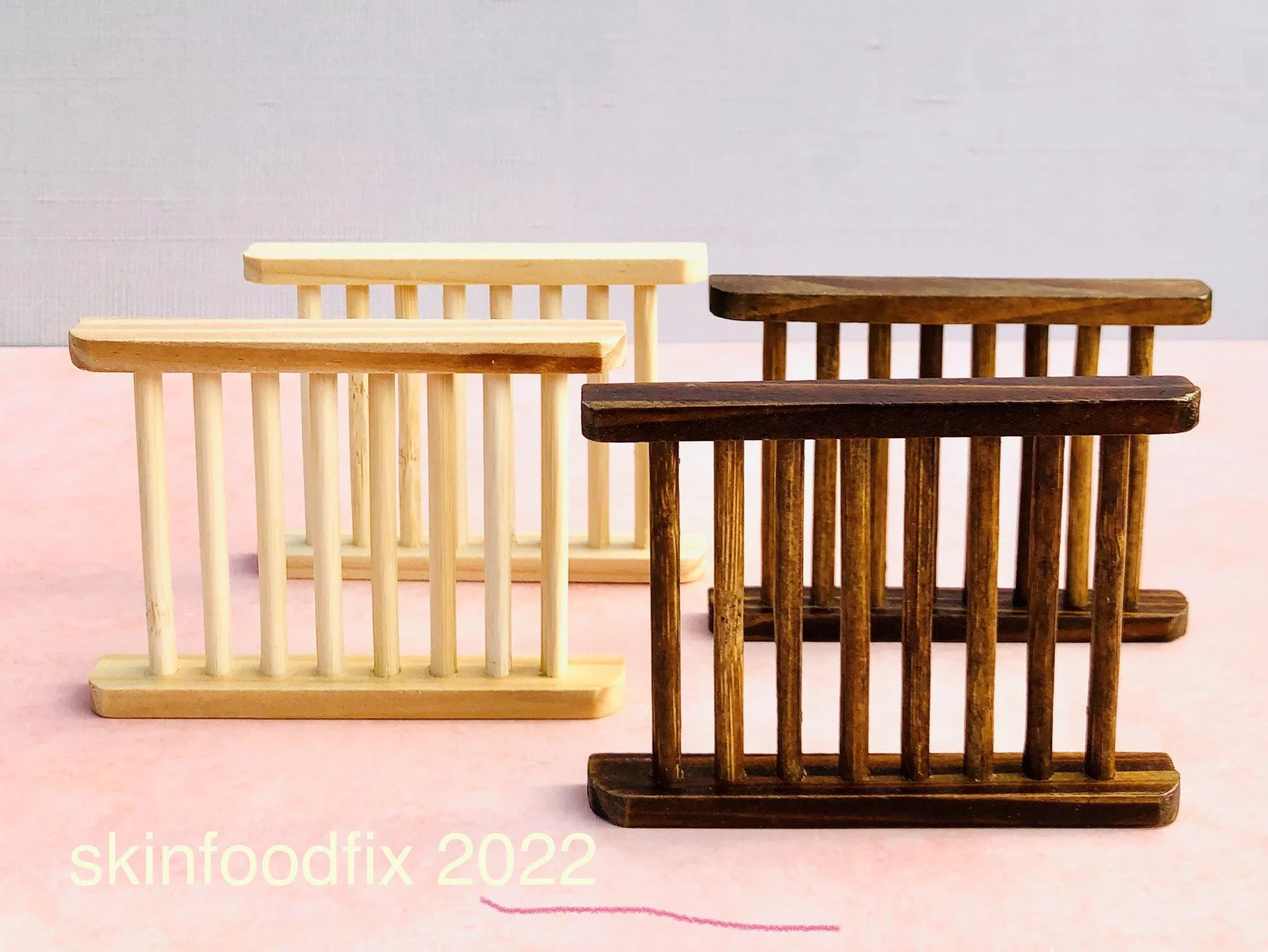
Soap Tray Dishes Bamboo or Cedar
Which one fits you?
Best for
- People who want the fastest drying time and a sleek, modern look
- Those in humid climates who need a soap dish that resists warping
Not for
- Anyone who strongly prefers the natural aroma and decay resistance of cedar wood