Quick Answer
Pick lavender if you want the lowest price and a soft, versatile shade that matches most outfits; pick raspberry if you prefer a bolder, higher-visibility color and don't mind paying a little more. Both share the same 50–54 cm size range and safety certifications.
The Real Differences: Price and Color
The two helmets are identical in construction and safety features. The only meaningful differences are the shell color and the catalog price: lavender is listed at USD 37.17, while raspberry is USD 39.53. That small gap may matter if you're buying multiple helmets or sticking to a budget.
Color affects more than looks. Lavender is a soft pastel that blends with many outfits and tends to show scuffs less than darker shades, while raspberry is a saturated pink-red that stands out in photos and crowds. Consider which one your child will actually keep wearing—the best helmet is the one they don't argue about.
Style and Visibility Trade-offs
Lavender pairs easily with neutral, pastel, and denim outfits, making it a low-effort choice for daily rides. Raspberry, being brighter, can improve visibility to drivers and makes it easier to spot your child in a busy park. However, neither color is high-visibility neon, so if you ride in low light, add a reflective sticker or choose a brighter option.
Both helmets have a retro silhouette that appeals to kids who want to look like grown-up cyclists. The color you choose won't change that, but it will affect how often your child reaches for the helmet voluntarily.
Decision Rules: Lavender or Raspberry?
- Budget-first families: Choose lavender. It saves you about USD 2.36 compared to raspberry, and that adds up if you're buying for siblings. Check the catalog price before you fall in love with a color—the difference is small but real.
- Outfit-matching flexibility: Lavender works with a wider range of clothing colors, especially pastels and neutrals. Raspberry is more of a statement piece and may clash with some outfits. Let your child pick the color they'll be excited to wear; that's the one that gets used.
- Visibility in crowds: Raspberry is easier to spot from a distance, which can be helpful in busy parks or on group rides. Lavender is subtler but still visible. If you often ride in crowded areas, the brighter raspberry may give you extra peace of mind.
- Fit check before you commit: Both helmets fit head circumferences of 50–54 cm. Measure your child's head before ordering—if they're at the upper end, consider whether the helmet has enough adjustment. A helmet that doesn't fit won't protect properly, no matter the color.
Product Facts
-
BANWOOD ECO HELMET - LAVENDER (50-54 cm): Lavender Eco Helmet is priced at USD 37.17 (compare at USD 59.00) and sized 50–54 cm. This is the more affordable option, and the size range fits most preschoolers and early elementary kids.
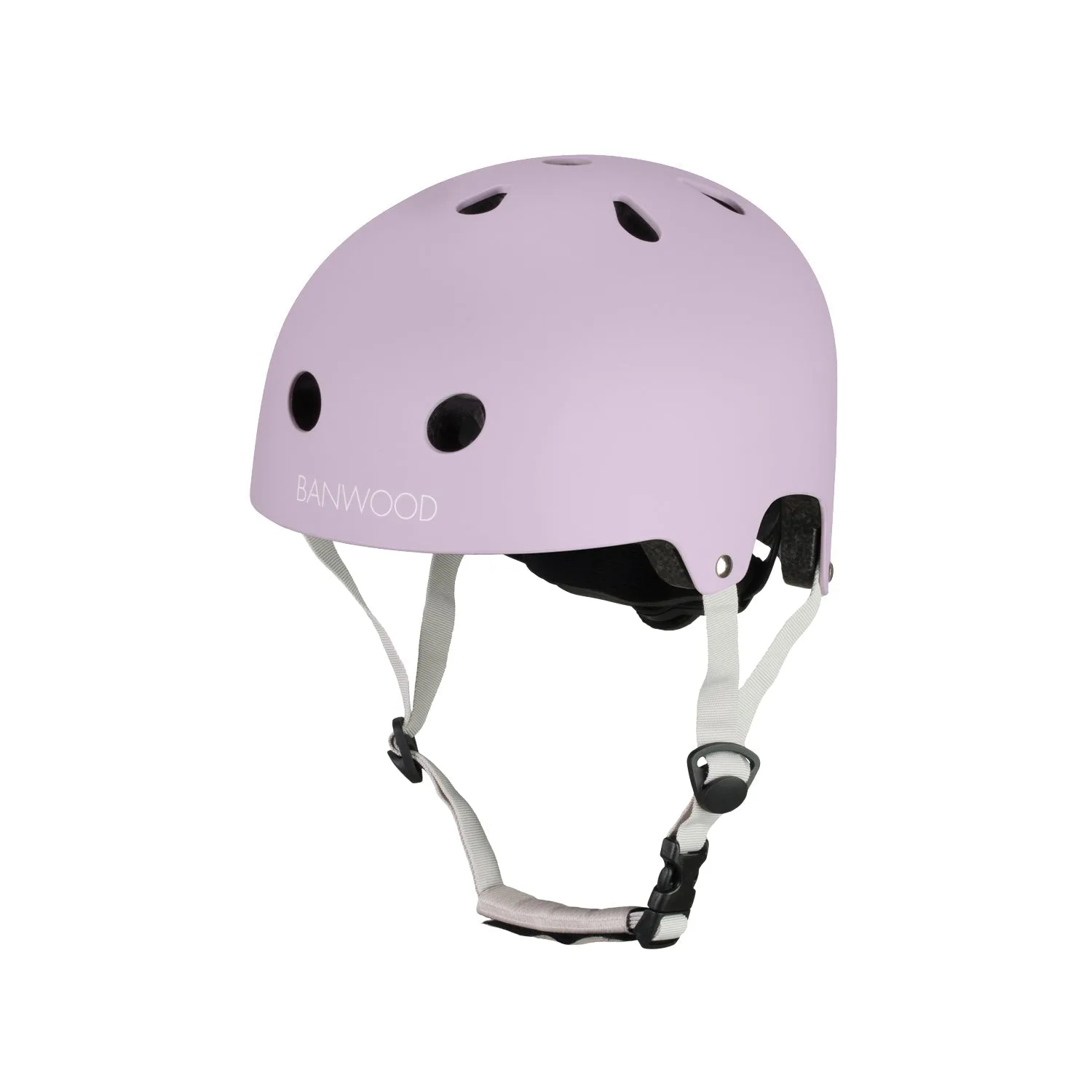
BANWOOD ECO HELMET - LAVENDER (50-54 cm)
-
BANWOOD ECO HELMET - RASPBERRY (50-54 cm): Raspberry Eco Helmet is priced at USD 39.53 (compare at USD 59.00) and sized 50–54 cm. You pay a small premium for the bolder color, but the fit and safety are identical to lavender.
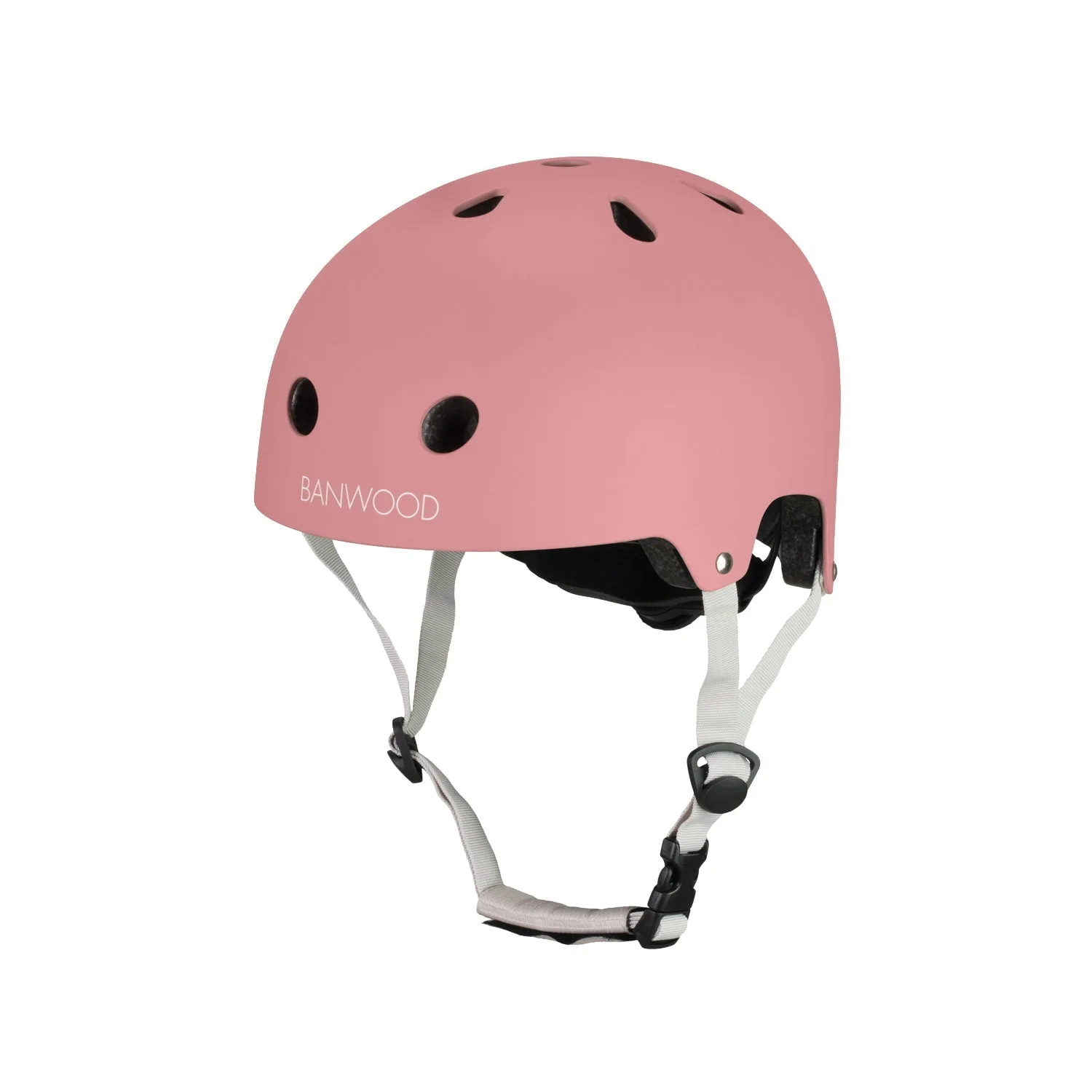
BANWOOD ECO HELMET - RASPBERRY (50-54 cm)
Who Should Choose Which?
Best for
- Lavender: budget-conscious parents and kids who love pastel colors.
- Raspberry: families who want a bolder color and easier spotting in crowds.
Not for
- Lavender: if your child insists on a bright, high-energy color.
- Raspberry: if you're strictly minimizing cost or prefer subtle tones.