If you think you know oolong tea, think again. While many oolongs are known for their bold roast, creamy texture, or deep floral notes, there is one variety that defies expectations with its delicate, almost green tea-like character: Bao Zhong tea. Also spelled Pouchong oolong, this lightly oxidized Taiwanese treasure offers a gentle introduction to the world of oolong—perfect for both curious beginners and seasoned connoisseurs looking for something subtle yet complex.
In this article, we’ll explore what makes Bao Zhong tea so special, from its unique processing method to its signature flavor profile. We’ll also share brewing tips to help you unlock its full potential, compare it to other light oolongs, and explain why it deserves a spot in your tea collection. Whether you’re a green tea lover seeking a new adventure or an oolong enthusiast wanting to explore the lighter side, Bao Zhong is the tea you need to know.
What Is Bao Zhong (Pouchong) Tea?
Bao Zhong tea, sometimes spelled Pouchong oolong, originates from Taiwan and is one of the lightest oolong teas available. The name 'Bao Zhong' translates to 'wrapped variety,' referring to the traditional practice of wrapping the leaves in paper during the final drying stage. This gentle processing method preserves the leaves’ bright green color and delicate aroma, resulting in a tea that sits somewhere between green tea and a lightly oxidized oolong.
Unlike heavily oxidized or roasted oolongs like Tieguanyin or Wuyi Rock teas, Bao Zhong undergoes only 8–15% oxidation. The leaves are typically twisted into long, curly strips rather than rolled into balls. When brewed, they unfurl to reveal whole, intact leaves. The liquor is a pale golden-green, and the aroma is often described as floral, creamy, and slightly buttery—similar to fresh lilacs or gardenias. For tea lovers who find green teas too grassy but want more subtlety than a traditional oolong, Bao Zhong is an ideal middle ground.
- Light oxidation (8–15%) gives Bao Zhong its characteristic freshness and floral notes.
- Traditional paper-wrapping method helps preserve delicate flavors and aromas.
- Originates from the Wenshan region of northern Taiwan, near Taipei.
Flavor Profile and Aroma of Pouchong Oolong
What does Bao Zhong tea taste like? Picture a cup of jasmine green tea, but more refined and layered. The first sip is smooth and silky, with a natural sweetness that lingers on the palate. Floral notes of lilac, orchid, and honeysuckle dominate, supported by a subtle creaminess and a hint of fresh-cut grass. Unlike many green teas, Bao Zhong has no astringency or bitterness—even if you accidentally oversteep it slightly.
The aftertaste is clean and refreshing, with a faint vegetal sweetness reminiscent of fresh artichoke or steamed asparagus. As the tea cools, the floral notes become more pronounced, and a gentle mineral undertone emerges. For those who appreciate the complexity of a fine white tea but crave a bit more body, Bao Zhong offers the best of both worlds. It pairs beautifully with light pastries, fresh fruit, or simply enjoyed on its own as a meditative cup.
How to Brew Bao Zhong Tea for the Perfect Cup
Brewing Bao Zhong tea is simple, but a few key adjustments will elevate your experience. Use water at around 80–85°C (176–185°F)—just below boiling—to avoid scorching the delicate leaves. For a standard 250ml cup, use 2–3 grams of leaves (about one heaped teaspoon) and steep for 2–3 minutes. The leaves can be re-steeped 3–4 times, with each infusion revealing new nuances. Increase steeping time by 30 seconds for subsequent brews.
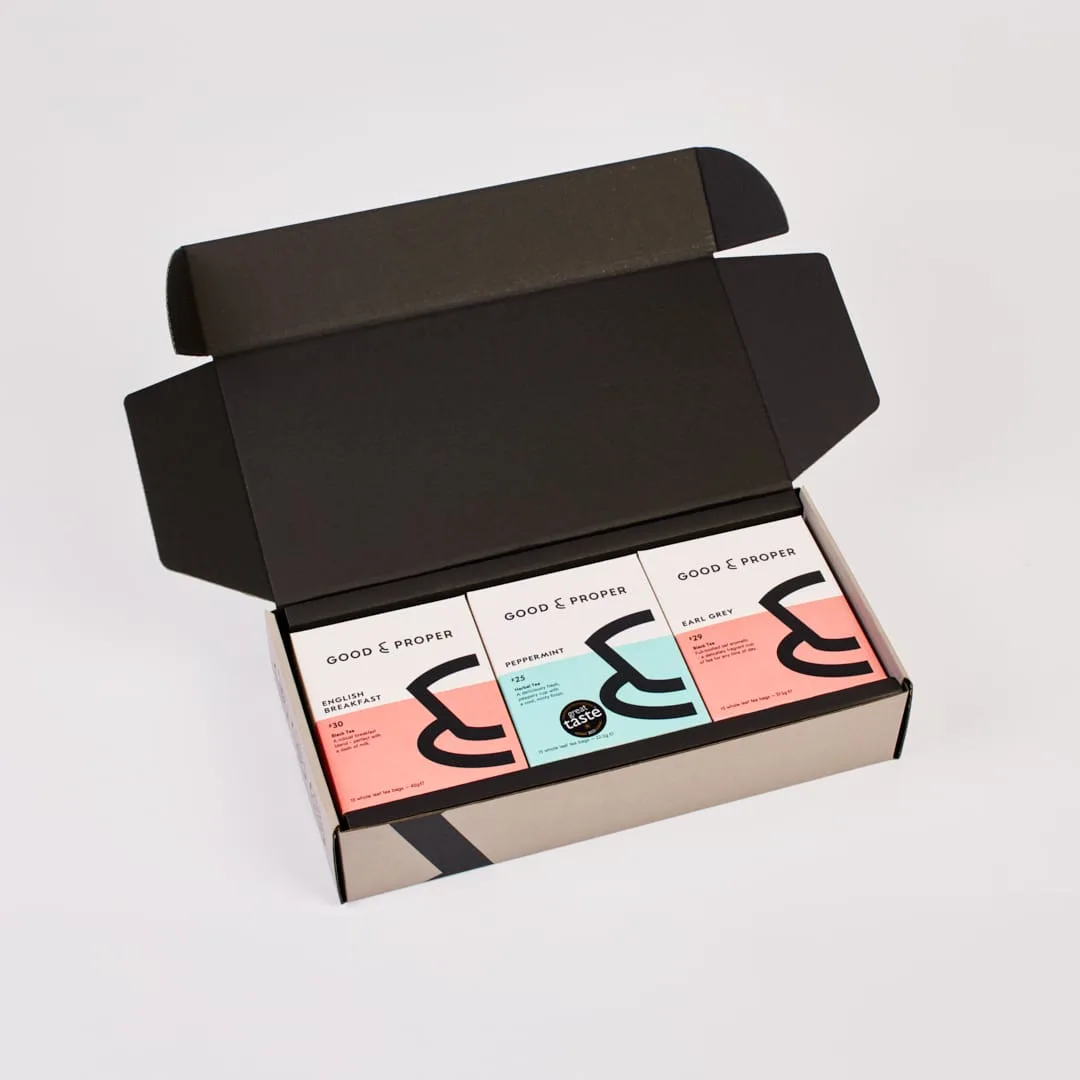
For a more traditional Gongfu approach, use a small gaiwan or teapot with 5 grams of leaves and 100ml of water. Start with a 30-second rinse, then steep for 20–30 seconds for the first infusion, adding 5–10 seconds per subsequent brew. This method unlocks the tea’s full aromatic complexity. Whether you prefer Western or Gongfu style, always use filtered water and pre-warm your vessel to maintain a stable temperature. For a convenient everyday option, consider trying the Favourites Collection - Loose Leaf, which includes a selection of top-tier teas perfect for exploring different styles.
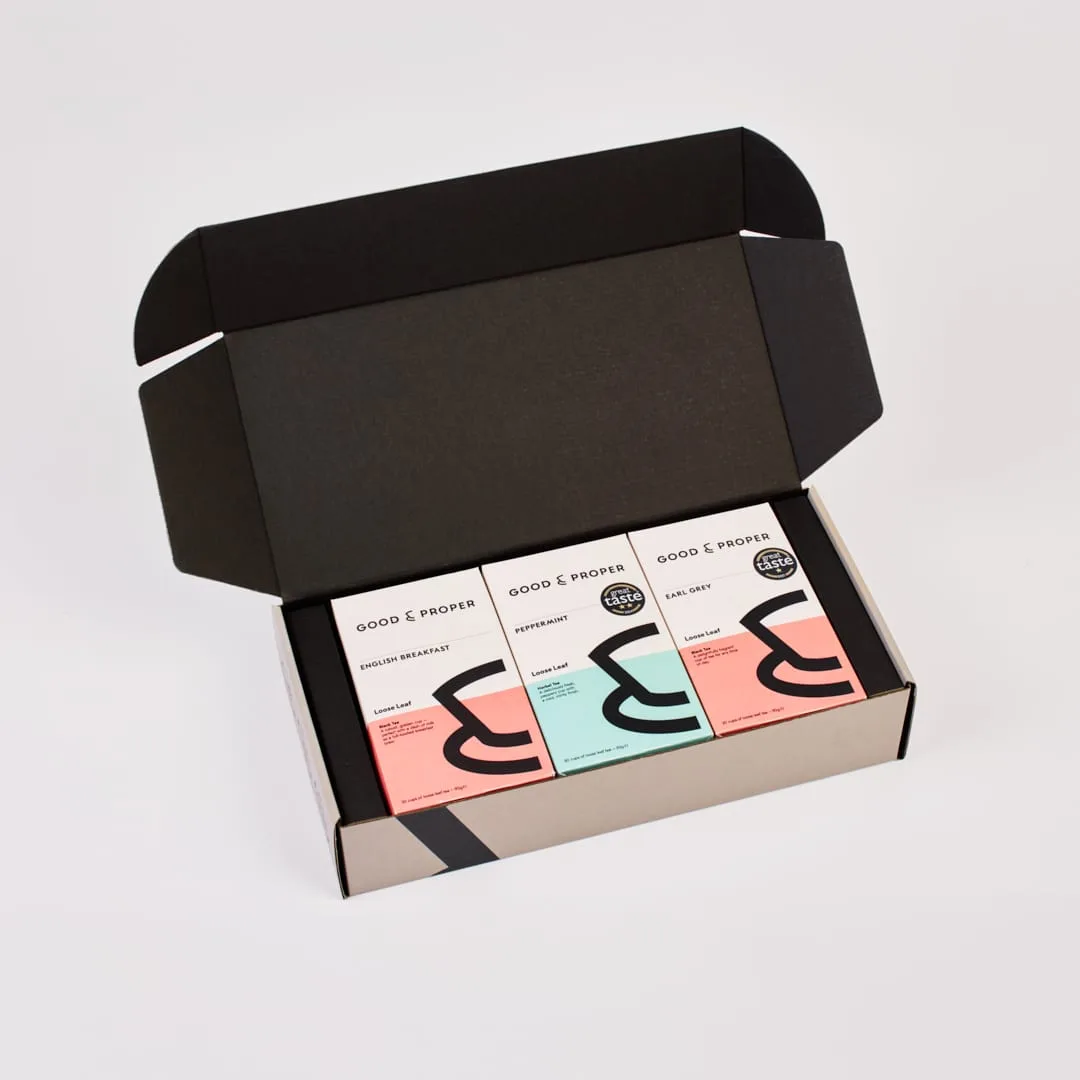
Favourites Collection - Loose Leaf
- Water temperature: 80–85°C (not boiling).
- Steep time: 2–3 minutes for Western style, 20–30 seconds for Gongfu.
- Re-steep leaves 3–4 times to enjoy evolving flavors.
Bao Zhong vs. Other Light Oolongs: What Sets It Apart?
How does Bao Zhong compare to other light oolongs like Oriental Beauty or High Mountain oolong? While all three are Taiwanese, they differ significantly in oxidation and flavor. Oriental Beauty is more oxidized (60–70%) and features honeyed, fruity notes with a distinctive muscatel character. High Mountain oolongs, such as Alishan or Lishan, are medium-oxidized (20–30%) and known for their creamy, floral profiles with a lingering sweetness.
Bao Zhong stands apart due to its ultra-light oxidation and unique processing. It is the least oxidized oolong you will find, making it the closest to a green tea in character. Its aroma is more intensely floral than High Mountain oolongs, with a buttery smoothness that sets it apart. For those who enjoy the fresh, vegetal notes of green tea but want a more complex, less astringent experience, Bao Zhong is the perfect bridge. Pair it with a quality teapot like the Good & Proper Teapot to ensure optimal heat retention and a flawless brew.
Health Benefits of Bao Zhong Tea
Like all true teas from the Camellia sinensis plant, Bao Zhong tea is rich in antioxidants called catechins, which help combat oxidative stress and support overall health. Because it is only lightly oxidized, it retains a high level of these beneficial compounds—similar to green tea but with a gentler effect on the stomach. The moderate caffeine content provides a gentle energy lift without the jitters, making it an excellent choice for afternoon focus.
Additionally, Bao Zhong contains L-theanine, an amino acid that promotes relaxation and mental clarity. This combination of caffeine and L-theanine creates a calm, alert state often described as 'tea drunk' or 'cha qi.' Regular consumption may support heart health, improve digestion, and boost immune function. For a caffeine-free alternative with complementary floral notes, you might explore Hibiscus - Tea Bags, which offers a tart, refreshing contrast to Bao Zhong's creamy sweetness.
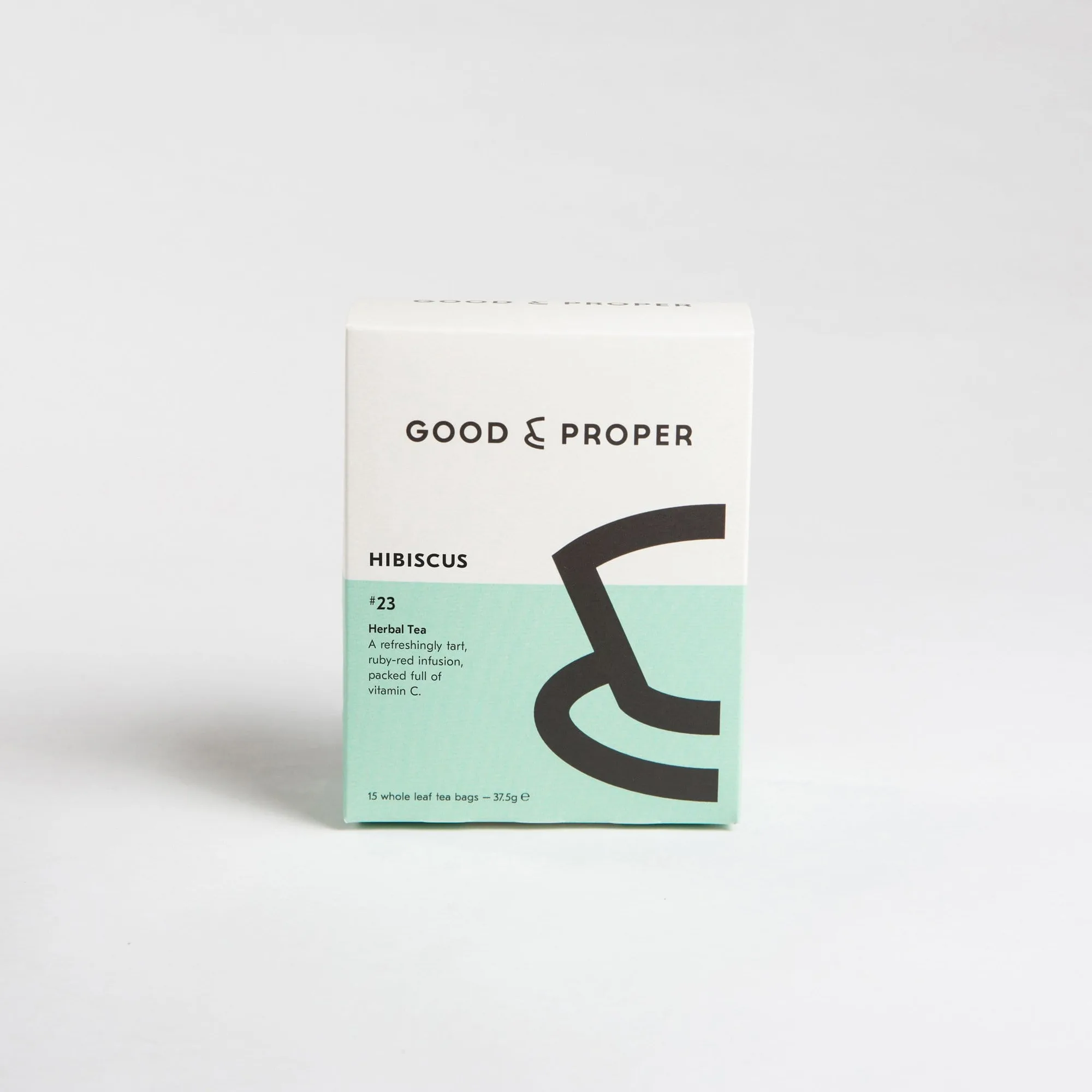
Hibiscus - Tea Bags
- High in catechins and antioxidants for cellular health.
- Contains L-theanine for calm focus and reduced stress.
- Lower caffeine than black tea, suitable for sensitive drinkers.
Where to Buy Quality Bao Zhong Tea
Finding authentic, high-quality Bao Zhong tea can be challenging, as many mass-produced versions lose their delicate character through poor processing or storage. Look for teas sourced directly from Taiwan’s Wenshan region, where the best Bao Zhong is produced. The leaves should be whole, twisted, and vibrant green—not broken or dull. A reputable seller will provide harvest date, oxidation level, and origin details.
At Good & Proper Tea, we curate only the finest loose leaf teas from around the world. While Bao Zhong itself is a seasonal specialty, our selection of light oolongs and premium teas offers similar elegance and craftsmanship. For those new to Taiwanese teas, the Favourites Collection - Loose Leaf is an excellent starting point, featuring a diverse range of award-winning teas that highlight the artistry of traditional tea making.
Bao Zhong tea is a hidden gem in the world of oolong—a delicate, floral, and utterly satisfying brew that deserves a place in every tea lover's pantry. Whether you're a green tea fan looking to branch out or an oolong aficionado seeking something new, this light Taiwanese tea offers a unique experience that is both refreshing and deeply comforting. Ready to explore? Discover our curated loose leaf collection today and find your new favorite cup. Start with the Favourites Collection - Loose Leaf and let the journey begin.