Sleep is the foundation of good health, yet millions struggle to get the rest they need. While baobab is best known for its gut health and energy benefits, a growing number of wellness enthusiasts are asking: can baobab also help you sleep better? The answer lies in its unique nutritional profile and how it interacts with your body's natural rhythms.
In this article, we'll explore the science behind baobab's potential sleep-supporting properties, from its high magnesium content to its prebiotic fiber that supports a calm gut. We'll also share practical tips for incorporating baobab into your evening routine.
The Link Between Gut Health and Sleep Quality
Your gut and brain are in constant communication via the gut-brain axis. A healthy gut microbiome produces neurotransmitters like serotonin and GABA that promote relaxation and sleep. When your gut is out of balance, it can lead to poor sleep, anxiety, and even insomnia. Baobab is a rich source of prebiotic fiber, which feeds beneficial gut bacteria and helps maintain a healthy microbiome.
By supporting gut health, baobab may indirectly improve sleep quality. A calm gut sends calming signals to the brain, making it easier to fall asleep and stay asleep. This is why many people find that a consistent dose of baobab in the evening helps them wind down naturally.
- Prebiotic fiber feeds good gut bacteria, supporting the gut-brain axis.
- A balanced gut microbiome can increase serotonin production, a precursor to melatonin.
Magnesium and Other Sleep-Promoting Nutrients in Baobab
Baobab is naturally rich in magnesium, a mineral often called the 'relaxation mineral.' Magnesium helps regulate the nervous system, reduce cortisol levels, and promote muscle relaxation—all of which are essential for falling asleep. A single serving of baobab powder provides a meaningful amount of magnesium, making it a convenient addition to your evening routine.
Additionally, baobab contains vitamin B6, which is involved in melatonin synthesis, and potassium, which helps relax muscles. Together, these nutrients create a natural sleep aid without the side effects of synthetic supplements.
- Magnesium helps lower cortisol and relax the nervous system.
- Vitamin B6 supports melatonin production for better sleep-wake cycles.
How to Use Baobab for Better Sleep: Practical Tips
To harness baobab's sleep benefits, consider taking it 30–60 minutes before bed. You can mix a scoop of baobab powder into warm water, herbal tea, or a calming smoothie. Avoid adding caffeine or stimulants. For a soothing evening drink, try combining baobab with chamomile or lavender.
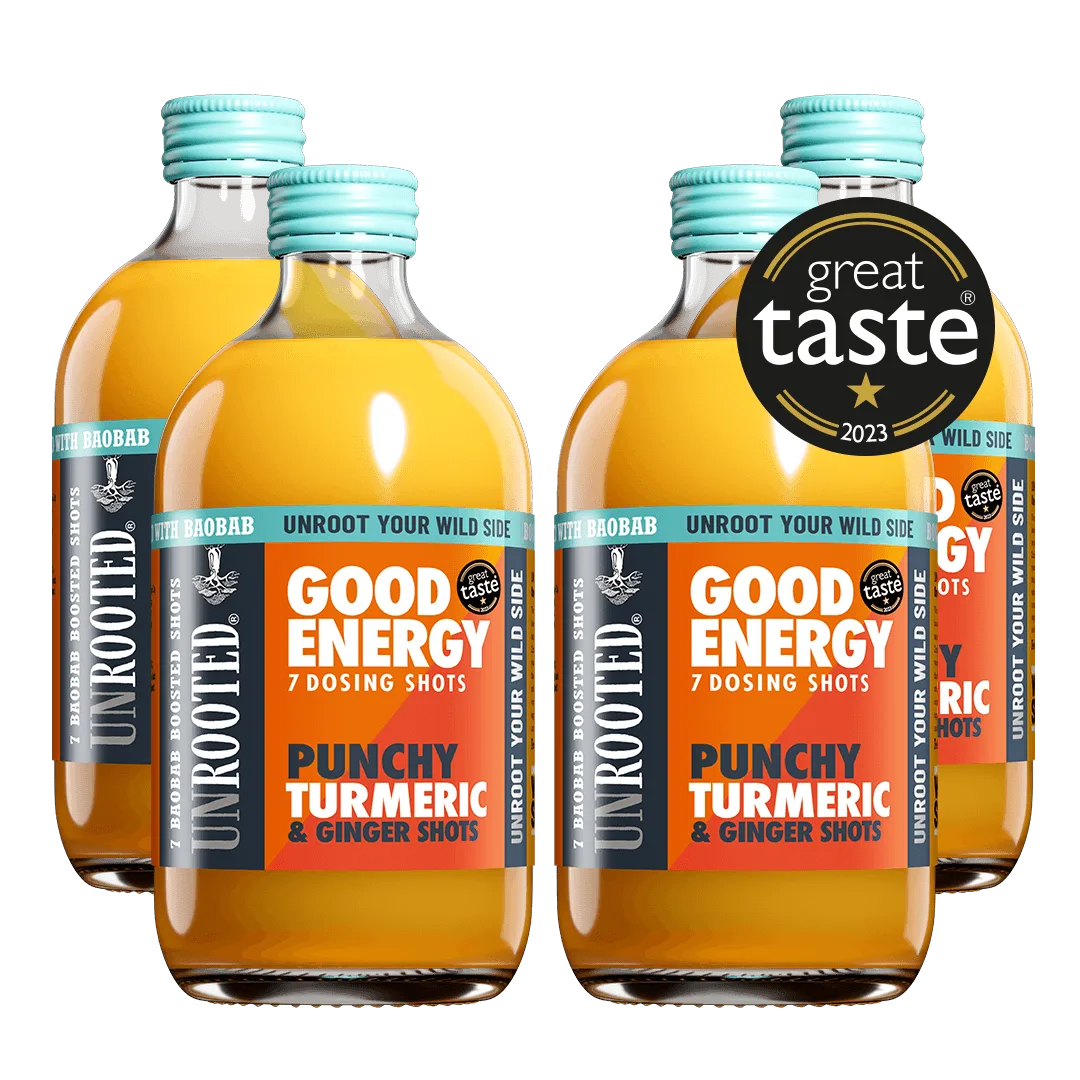
If you prefer convenience, baobab shots like the Good Fibre Baobab Fruit Powder Sachets are easy to prepare and perfect for travel. The Punchy Turmeric, Ginger & Baobab shot also offers anti-inflammatory benefits that may reduce nighttime discomfort and promote restful sleep.
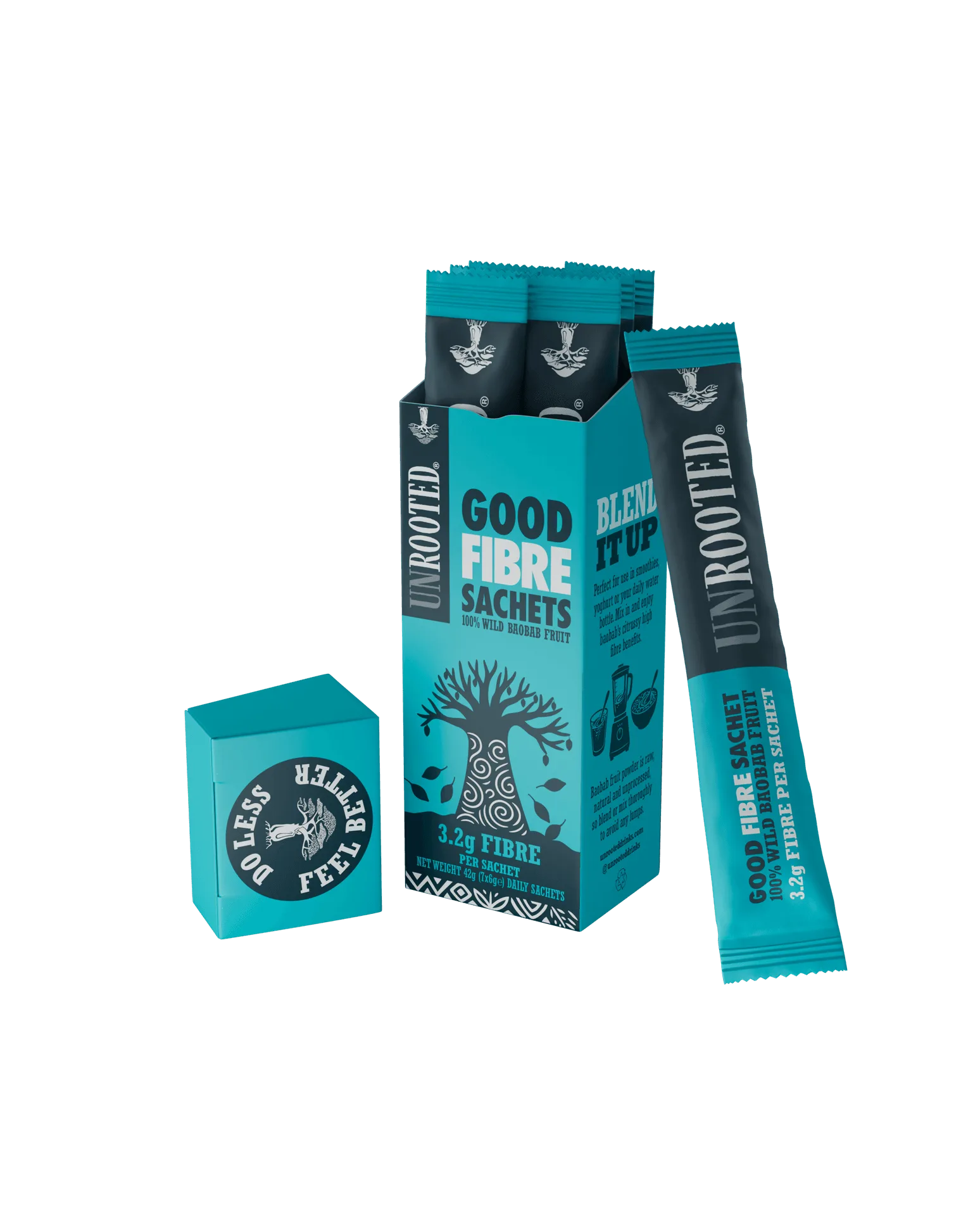
Good Fibre Baobab Fruit Powder Sachets
- Mix baobab powder into a warm, caffeine-free beverage before bed.
- Use pre-portioned sachets for consistent dosing and convenience.
What the Research Says About Baobab and Relaxation
While direct studies on baobab and sleep are limited, existing research supports its key components. A 2017 study found that magnesium supplementation improved sleep quality in older adults with insomnia. Another study showed that prebiotic fiber increased REM sleep and reduced stress-induced sleep disturbances in animal models.
Baobab's high antioxidant content also helps combat oxidative stress, which can interfere with sleep. By reducing inflammation and supporting overall well-being, baobab creates a favorable environment for restorative rest.
- Magnesium and prebiotic fiber are both linked to better sleep in studies.
- Antioxidants in baobab help reduce stress-related sleep disruptions.
Who Should Consider Baobab for Sleep Support?
Baobab is a safe, natural option for anyone looking to improve sleep without relying on medication. It's especially beneficial for people with digestive issues, stress-related sleep problems, or those seeking a holistic approach to wellness. Because baobab is low in sugar and rich in fiber, it won't cause blood sugar spikes that can disrupt sleep.
However, if you have a medical condition or are pregnant, consult your healthcare provider before adding any new supplement to your routine. Baobab is generally well-tolerated, but individual responses may vary.
- Ideal for those with gut-related sleep issues or stress.
- Safe for most people, but consult a doctor if you have underlying conditions.
Incorporating baobab into your evening ritual is a simple, natural way to support better sleep and overall wellness. Whether you choose a powder or a ready-to-drink shot, the key is consistency. For a convenient start, try the Good Fibre Baobab Fruit Powder Sachets—perfect for a calming nightly drink that nurtures your gut and prepares your body for deep, restorative rest.